
Are you looking for ways to boost your health without sacrificing flavor? Incorporating red vegetables into your diet can have a significant impact on your well-being, and we’re about to explore why. From the moment you add a splash of color to your plate, you’ll begin to reap the rewards of eating red. Packed with antioxidants and vitamins, these vibrant veggies are nature’s way of keeping us healthy and happy. Whether it’s cancer prevention or anti-inflammatory effects, the benefits of red vegetables are undeniable. In this article, we’ll delve into the incredible advantages of adding red bell peppers, beets, tomatoes, and more to your daily meals. Get ready for some delicious inspiration and expert advice on how to make these superfoods a part of your regular diet.
Understanding Red Vegetables
When it comes to understanding the benefits of red vegetables, knowing their unique nutritional profiles is essential. Let’s explore how different types of red veggies contribute to overall health and wellness.
What are Red Vegetables?
Red vegetables are a vibrant group of nutrient-dense foods that add color and flavor to our plates. These gems come in a variety of shapes, sizes, and flavors, but one thing is certain: they’re packed with vitamins, minerals, and antioxidants that can boost our health and wellbeing.
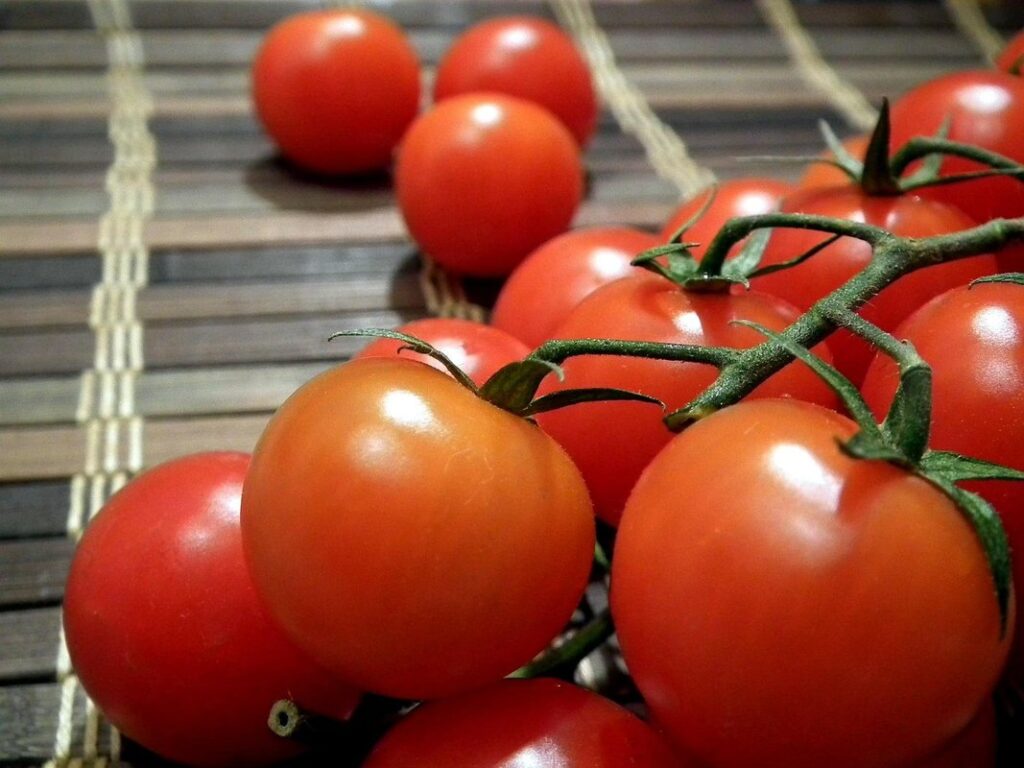
Some popular examples of red vegetables include tomatoes, bell peppers, radishes, and beets. Tomatoes are one of the most widely consumed red vegetables and are an excellent source of lycopene, a powerful antioxidant linked to reduced risk of certain cancers and heart disease. Bell peppers add a sweet crunch to salads and stir-fries, while also providing a good dose of vitamin C.
Radishes have a spicy kick that can add flavor to soups and salads, and beets are a great source of nitrates, which can help lower blood pressure. Whether you’re roasting them in the oven or adding them raw to your favorite dishes, red vegetables are an easy way to incorporate more nutrients into your diet.
Incorporating these vibrant veggies into your meals is simpler than you think – try adding sliced bell peppers to your morning omelette or roasting beets for a healthy side dish.
Importance of Including Red Vegetables in Your Diet
Incorporating red vegetables into your diet is a simple yet powerful step towards maintaining a healthy lifestyle. These vibrant foods are packed with essential nutrients that provide numerous health benefits. One of the primary reasons to prioritize red vegetables is their high content of antioxidants, including lycopene, anthocyanins, and betalains. These compounds help protect cells from damage, reduce inflammation, and may even lower the risk of chronic diseases such as heart disease, certain cancers, and cognitive decline.
Red vegetables are also rich in vitamins A and C, potassium, and fiber, making them an excellent choice for supporting overall well-being. For instance, lycopene in tomatoes has been shown to reduce the risk of prostate cancer by 30% (1). Similarly, the anthocyanins found in beets have been linked to improved cardiovascular health by lowering blood pressure and cholesterol levels.
To incorporate more red vegetables into your diet, aim for at least one serving per day. Add sliced bell peppers to salads or stir-fries, roast sweet potatoes as a side dish, or blend cooked tomatoes into soups and sauces. By making red vegetables a staple in your meals, you’ll be well on your way to reaping their numerous health benefits and enjoying optimal wellness.
Nutritional Benefits of Red Vegetables
Red vegetables are packed with a wealth of nutrients that provide numerous health benefits, and we’re excited to dive into their nutritional advantages. Let’s explore the good stuff they have to offer!
High Antioxidant Content
When it comes to the nutritional benefits of red vegetables, their high antioxidant content is one of the most significant advantages. Antioxidants play a crucial role in protecting our cells from damage caused by free radicals, which are unstable molecules that can lead to oxidative stress and cell damage.
Red vegetables like tomatoes, beets, and bell peppers contain powerful antioxidants like lycopene and betalains. Lycopene is a carotenoid pigment responsible for the red color of these vegetables, while betalains are water-soluble pigments found in beets and other members of the Caryophyllales family.
These antioxidants help neutralize free radicals and prevent cell damage, which can contribute to chronic diseases like cancer, heart disease, and neurodegenerative disorders. For example, studies have shown that lycopene can reduce the risk of prostate cancer by 34% and breast cancer by 20%. To reap the antioxidant benefits of red vegetables, aim to include them in your diet at least three times a week, and consume them raw or lightly cooked to preserve their nutrient content.
Rich in Vitamins A and C
When it comes to maintaining healthy skin, eyes, and immune function, two essential vitamins found abundantly in red vegetables are vitamins A and C. Vitamin A plays a crucial role in the health of our skin by promoting cell turnover, reducing inflammation, and preventing damage from environmental stressors. Foods rich in vitamin A include tomatoes, bell peppers, and red leafy greens like radicchio.
Vitamin C, on the other hand, is a potent antioxidant that helps protect cells from damage caused by free radicals. It also supports the production of collagen, which keeps our skin firm and youthful-looking. The immune-boosting properties of vitamin C make it an essential nutrient for fighting off infections and diseases. Some examples of red vegetables rich in vitamin C include cherry tomatoes, red bell peppers, and radishes.
To maximize your intake of vitamins A and C from red vegetables, aim to incorporate a variety of these colorful foods into your diet. You can add sliced red bell peppers to salads or sauté them with olive oil as a side dish. Cherry tomatoes make a great topping for sandwiches or pasta dishes, while radicchio adds a peppery flavor to salads. By including these nutrient-dense foods in your meals, you’ll be well on your way to supporting healthy skin, eyes, and immune function.
Health Benefits of Red Vegetables
Red vegetables are packed with nutrients that can have a significant impact on your overall health and wellbeing, let’s explore some of their key benefits. From boosting immunity to fighting inflammation, we’ll take a closer look.
Cancer Prevention and Treatment
Consuming red vegetables has been extensively studied for its potential to prevent and even treat various types of cancer. Prostate cancer is one area where a diet rich in lycopene, an antioxidant found predominantly in tomatoes, has shown promise. A meta-analysis published in the Journal of Nutrition found that high lycopene intake was associated with a significant reduction in prostate cancer risk.
Breast cancer is another type of cancer that may benefit from consuming red vegetables. The antioxidants and phytochemicals present in these foods can help reduce oxidative stress and inflammation, which are known to contribute to breast cancer development. For instance, a study published in the Journal of Breast Cancer found that eating a diet rich in cruciferous vegetables like red cabbage was linked to reduced risk of breast cancer.
When it comes to lung cancer, the anti-inflammatory properties of red vegetables have been shown to reduce inflammation and oxidative stress, which are key factors in lung cancer development. A review published in the Journal of Nutrition and Cancer found that a diet rich in lycopene and other carotenoids was associated with lower risk of lung cancer. While research is ongoing, incorporating red vegetables into your diet may be a simple yet effective way to support cancer prevention and treatment efforts.
Anti-Inflammatory Effects
Red vegetables are not only visually stunning on the plate but also pack a punch when it comes to their anti-inflammatory properties. Chronic inflammation is a major contributor to many diseases, including arthritis, cardiovascular disease, and neurodegenerative disorders like Alzheimer’s and Parkinson’s. The good news is that red veggies can help mitigate this issue.
Lycopene, an antioxidant found in tomatoes, bell peppers, and watermelon, has been shown to reduce inflammation by neutralizing free radicals and regulating inflammatory pathways. In one study, participants who consumed a lycopene-rich diet showed significant reductions in C-reactive protein (CRP), a marker of inflammation. Similarly, the anthocyanins present in beets and radishes have anti-inflammatory effects, which may help alleviate symptoms of arthritis.
To reap the benefits of red veggies’ anti-inflammatory properties, incorporate them into your meals as often as possible. Try roasting beets with olive oil and seasoning for a delicious side dish or add diced bell peppers to your salads for an extra burst of flavor and nutrition. By making these simple changes, you can reduce inflammation and take a significant step towards preventing chronic diseases.
Culinary Uses and Preparation Methods for Red Vegetables
When it comes to cooking, red vegetables are incredibly versatile and can be prepared in a variety of ways, from roasted to sautéed. Let’s explore some popular methods.
Roasting and Grilling Techniques
When it comes to preparing red vegetables, roasting and grilling are two of the most effective methods for unlocking their full flavor potential. Roasting brings out the natural sweetness in red vegetables, while grilling adds a smoky depth that complements their earthy flavors.
To roast red vegetables, start by preheating your oven to 425°F (220°C). Toss sliced or chopped red bell peppers, beets, or radishes with olive oil, salt, and pepper. Add any additional seasonings you like, such as garlic powder or dried herbs. Spread the vegetables in a single layer on a baking sheet and roast for 20-25 minutes, or until tender.
For grilling, preheat your grill to medium-high heat. Brush sliced red onions, tomatoes, or eggplant with olive oil and season with salt, pepper, and any other desired herbs or spices. Grill the vegetables for 3-5 minutes per side, or until they develop a nice char. To enhance flavor, try marinating your red vegetables in a mixture of olive oil, lemon juice, and minced garlic before grilling.
Some general tips to keep in mind: always use high-quality ingredients and seasonings, and don’t overcrowd your baking sheet or grill, as this can lead to uneven cooking. Experiment with different marinades and seasonings to find the combinations that work best for you.
Salads and Soups: Creative Ways to Incorporate Red Vegetables
Incorporating red vegetables into salads and soups is an excellent way to boost their nutritional value. Let’s start with salads – a perfect canvas for showcasing the vibrant colors of red vegetables. Consider combining thinly sliced beets with mixed greens, crumbled goat cheese, and a citrus vinaigrette for a refreshing summer salad.
For added crunch, try adding chopped radishes or diced cherry tomatoes to your favorite green salad. Beets also pair well with sweet potatoes in a winter-inspired mix featuring roasted butternut squash and a tangy apple cider dressing.
Soups are another great way to enjoy red vegetables, particularly during the colder months. A classic beet soup (borscht) is a staple in many Eastern European cuisines. To give it a modern twist, add some diced carrots and celery for added depth of flavor. If you prefer a creamier soup, puree cooked beets with chicken or vegetable broth and finish with a dollop of sour cream.
To take your salads and soups to the next level, don’t forget to explore different flavor combinations and textures. For instance, roasted red peppers add a sweet and smoky element to pasta salads or soups, while diced red onions bring a pungent punch to salsas and stews.
Buying and Storing Red Vegetables
When it comes to getting the most out of your red vegetables, knowing how to choose and store them properly is just as important as understanding their nutritional benefits. Let’s dive into some expert tips on buying and storing these vibrant veggies.
Choosing Freshness and Quality
When it comes to reaping the benefits of red vegetables, selecting the freshest and highest-quality options is crucial. At your local market or grocery store, look for signs that indicate a vegetable’s freshness and quality. For instance, fresh red bell peppers should have a glossy appearance with no soft spots or wrinkles. Similarly, beets should have their greens attached, indicating they were harvested recently.
When it comes to appearance, don’t be fooled by superficial attributes – some vegetables may appear perfectly fine but lack flavor or nutritional value. A good rule of thumb is to choose red vegetables that are heavy for their size, as this often indicates higher water content and better quality. Also, take a sniff: fresh red onions should have a pungent smell, while older ones will have a milder aroma.
When handling the produce, gently squeeze or press on the skin – if it yields to pressure, it’s likely past its prime. Opt for vegetables with their leaves intact, as this ensures they were harvested recently and stored properly. Remember, even small differences in freshness can significantly impact flavor and nutritional value, so take your time when selecting red vegetables!
Storage Methods for Maximum Shelf Life
Storing red vegetables properly is essential to maintaining their nutritional value and shelf life. When it comes to refrigeration, keep beets wrapped tightly in plastic wrap or aluminum foil to prevent moisture loss. For other red vegetables like bell peppers and radishes, store them unwrapped in a ventilated container to promote air circulation.
If you want to extend the shelf life of your red vegetables, consider freezing. Beets can be frozen whole, peeled, and chopped, while bell peppers work best when sliced or diced. To freeze red cabbage, blanch it in boiling water for 2-3 minutes before transferring it to an airtight container.
Cooking is also an excellent way to preserve red vegetables. Cooking beets and sweet potatoes brings out their natural sweetness, making them a delicious addition to salads and side dishes. When cooking with frozen red vegetables, simply thaw them first by leaving them in room temperature for 30 minutes or by microwaving according to package instructions.
When storing red vegetables at home, keep in mind that they all have different storage requirements. For example, radishes can be stored in a cool, dark place like the pantry, while bell peppers prefer a bright and breezy spot like the kitchen counter.
Conclusion: Making Red Vegetables a Priority in Your Diet
As you now understand the incredible benefits of red vegetables for your health and wellness, it’s time to make them a priority in your diet. Start by incorporating at least two servings of red veggies into your meals each week. Try adding some sautéed bell peppers or cherry tomatoes to your pasta dishes or salads. You can also roast beets as a side dish or blend them into smoothies for added nutrition.
Remember, every small step counts, and making red vegetables a part of your regular diet will have a significant impact on your overall health. Experiment with different varieties and recipes until you find ones that you enjoy, and don’t be afraid to get creative! With a little practice, incorporating red veggies into your meals will become second nature, and you’ll be reaping the rewards in no time.
Frequently Asked Questions
Can I eat red vegetables raw or do they need to be cooked for maximum nutritional benefits?
While some red vegetables, like tomatoes and bell peppers, can be eaten raw, cooking them can actually increase their bioavailability of certain nutrients. For example, heat can release the antioxidants in tomatoes, making them more easily absorbed by the body. However, overcooking can also lead to a loss of nutrients, so it’s essential to find the right balance.
How often should I incorporate red vegetables into my diet for optimal health benefits?
The American Heart Association recommends consuming at least 5 servings (2.5 cups) of fruits and vegetables daily. Aim to include at least one or two red vegetables in your meals each day, and mix them up with different types to reap a broad range of nutritional benefits.
Can I grow my own red vegetables, even if I don’t have much space?
Yes! Many red vegetables can be grown in small spaces, such as radishes, cherry tomatoes, and leafy greens like beet greens. Consider using container gardens or vertical planters to make the most of your space.
Are there any specific health conditions where red vegetables are particularly beneficial?
Red vegetables are rich in antioxidants and anti-inflammatory compounds that may help alleviate symptoms associated with conditions like arthritis, high blood pressure, and certain types of cancer. However, it’s essential to consult with a healthcare professional before making any significant changes to your diet.
How can I incorporate more red vegetables into my meals if I’m short on time?
Incorporating red vegetables doesn’t have to be time-consuming! Try adding sliced bell peppers or cherry tomatoes to salads, soups, or omelets. Use pre-washed and pre-cut options when available to save prep time, and keep a stash of frozen or canned red veggies for quick meal ideas.