
Growing your own Chinese pink celery can be a fantastic way to add some freshness and nutrition to your meals. But, did you know that this Asian staple has specific growing requirements? If you’re new to gardening or looking to try your hand at growing Chinese pink celery for the first time, it’s essential to consider your local climate and gardening zone.
Not all zones are created equal when it comes to growing Chinese pink celery, and without proper guidance, you might find yourself struggling with pests, diseases, or even a lack of flavor. In this article, we’ll break down everything you need to know about growing Chinese pink celery in your specific gardening zone. We’ll cover climate considerations, the best planting times, and expert tips for caring for this nutritious vegetable. Whether you’re a seasoned gardener or just starting out, our comprehensive guide will have you enjoying delicious homegrown Chinese pink celery in no time.
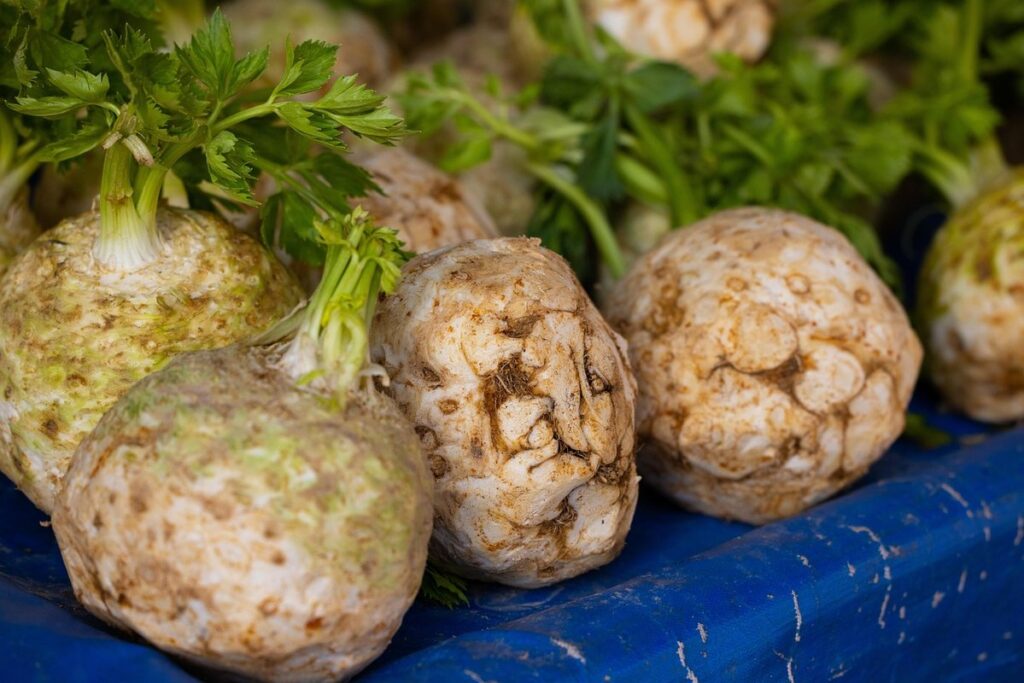
Understanding Chinese Pink Celery
To truly succeed with growing Chinese Pink Celery, you need to understand its unique characteristics and specific needs. Let’s dive into what makes this plant thrive in different gardening zones.
What is Chinese Pink Celery?
Chinese pink celery is a unique and fascinating crop that’s gaining popularity among gardeners. Its botanical name is Apium graveolens var. rosei, but it’s often simply referred to as Chinese pink celery due to its distinct coloration. This variety stands out from the more common green celery thanks to its vibrant pink or reddish-pink stalks and leaves.
One of the key characteristics that set Chinese pink celery apart is its delicate flavor profile. It’s often described as sweeter and milder than traditional celery, making it an excellent choice for adding a subtle twist to salads, soups, and other dishes. The plant itself is also relatively compact, growing to about 12-18 inches in height, which makes it ideal for container gardens or small spaces.
When working with Chinese pink celery, keep in mind that its unique coloration can be fleeting – the stalks tend to fade to a light green as they mature. To preserve the pink hue, harvest the leaves and stems regularly, as this will encourage new growth and maintain the desired coloration. This is particularly useful for home gardeners looking to add a pop of color to their culinary creations.
Growing Conditions for Chinese Pink Celery
To grow Chinese pink celery successfully, it’s essential to provide it with the right conditions. This includes maintaining an optimal temperature range between 65°F (18°C) and 75°F (24°C). Temperatures above or below this range can lead to stunted growth or poor flavor.
Humidity also plays a significant role in growing Chinese pink celery. It thrives in humid environments, typically with a relative humidity of 50-70%. To achieve this, you can place the plants on a tray filled with water and pebbles or use a humidifier nearby.
Lighting is another crucial factor to consider. Chinese pink celery prefers partial shade to full sun, but it’s essential to provide some protection from intense sunlight. Direct sunlight can cause the leaves to become scorched, so it’s recommended to place the plants near an east- or west-facing window or under a shaded area outdoors.
In terms of light intensity, aim for at least 4 hours of direct sunlight per day or supplement with grow lights if necessary. By providing the right temperature, humidity, and lighting conditions, you can encourage healthy growth and development in your Chinese pink celery plants.
Benefits of Growing Chinese Pink Celery
Chinese pink celery is a highly versatile and nutritious addition to any garden. Not only does it provide a unique flavor profile that’s often described as a combination of celery and parsley, but it also boasts an impressive array of health benefits. Packed with vitamins A and K, Chinese pink celery supports healthy digestion, immune function, and even eye health.
In terms of culinary uses, Chinese pink celery is incredibly versatile. It can be used in place of regular celery in most recipes, or added as a fresh herb to salads, stir-fries, and soups. Its delicate flavor also pairs well with lighter dishes like seafood or chicken. To get the most out of your Chinese pink celery crop, consider harvesting individual stalks regularly to encourage new growth and prevent the plant from flowering.
One of the biggest advantages of growing Chinese pink celery is its ability to thrive in a variety of conditions. With proper care, it can be grown year-round in USDA zones 5-10, making it an excellent choice for gardeners looking to add some diversity to their harvest.
Gardening Zones for Chinese Pink Celery: Climate Considerations
When growing Chinese pink celery, understanding your climate zone is crucial to ensure optimal growth and flavor. This section will walk you through the ideal zones for this versatile vegetable.
Temperature Requirements
Chinese pink celery is sensitive to extreme temperatures, and understanding its optimal temperature range is crucial for successful growth. When it comes to frost tolerance, Chinese pink celery can handle light frosts, but prolonged exposure to temperatures below 25°F (-4°C) can cause damage to the plant.
In warmer climates, Chinese pink celery is susceptible to heat stress when temperatures rise above 85°F (30°C). Prolonged exposure to high temperatures can lead to wilting and reduced yields. It’s essential to provide shade for your Chinese pink celery plants during peak summer months or consider growing it in a location with some natural shade.
To ensure optimal growth, maintain a consistent temperature between 60°F (15°C) and 70°F (21°C). This range allows the plant to thrive without becoming stressed from extreme temperatures. Monitor your local weather forecasts and take necessary precautions to protect your plants during periods of frost or heatwaves. By providing the right temperature conditions, you’ll be well on your way to growing delicious and healthy Chinese pink celery.
Humidity and Soil Preferences
When growing Chinese pink celery, it’s essential to consider the ideal humidity levels and soil types for your specific gardening zone. Chinese pink celery thrives in humid environments with a relative humidity of 50-70%. If you’re living in an area with low humidity, you can achieve the desired moisture level by providing shade for the plants during the hottest part of the day or using misting systems to maintain consistent humidity.
In terms of soil preferences, Chinese pink celery prefers well-draining, fertile soils rich in organic matter. The ideal pH range is between 6.0 and 7.0. If your soil lacks nutrients, amend it with compost or manure to create a nutrient-rich growing medium. Be mindful that heavy clay soils can cause waterlogging and root rot, so ensure good drainage by adding perlite or vermiculite.
Some regions may experience droughts, while others face excessive rainfall. Monitor weather patterns in your area to prevent overwatering, which can lead to fungal diseases and reduced celery stalk quality. By understanding the specific humidity levels and soil requirements for Chinese pink celery, you’ll be well-equipped to create a thriving environment that supports optimal growth and yields.
Regional Adaptation Tips
When cultivating Chinese pink celery in different regions, it’s essential to consider local climate conditions. In cooler zones like the Pacific Northwest (USDA Hardiness Zone 8-9), this variety thrives due to its tolerance for moderate temperatures and humidity. To adapt cultivation in these areas, choose a location with partial shade, as direct sunlight can lead to bolting.
In warmer zones such as Southern California (USDA Hardiness Zone 10-11) or parts of Asia like Japan, Chinese pink celery may bolt prematurely if not provided with sufficient cooling measures. Use row covers or other shading materials to prevent heat stress and ensure a steady supply of water.
To adjust for local pests and diseases in various regions, incorporate Integrated Pest Management (IPM) strategies that combine physical barriers, biological controls, and organic pesticides. In areas prone to high humidity, implement good air circulation by pruning plant foliage and using drip irrigation to reduce moisture accumulation around the base of the plants.
Planting and Caring for Chinese Pink Celery
To grow healthy Chinese pink celery, you’ll need to know how to plant it correctly and provide the right conditions for optimal growth. This is where careful planting and caring come in.
Choosing the Right Variety
When it comes to choosing the right variety of Chinese pink celery for your garden, you’ll want to consider factors such as growth habits and resistance to pests and diseases. There are several popular varieties available, each with its own unique characteristics.
The ‘Mitsumata’ variety is known for its compact growth habit, reaching a maximum height of 12-18 inches, making it an ideal choice for small gardens or containers. On the other hand, the ‘Sequoia’ variety can grow quite tall, up to 3 feet, and is well-suited for larger spaces.
When selecting a variety, also consider its resistance to pests and diseases. The ‘Golden Queen’ variety has natural resistance to powdery mildew, a common problem with many celery varieties. If you live in an area prone to aphids or other pests, look for varieties that have built-in pest control measures.
Some popular Chinese pink celery varieties include ‘Red Baron’, ‘Lutece’, and ‘Pascal’. Each has its own unique traits, so be sure to research the specific needs of each variety before making a final decision.
Preparing the Soil and Planting Site
Before planting Chinese pink celery, it’s essential to prepare the soil and planting site for optimal growth. Start by testing the pH level of your soil, as Chinese pink celery prefers a slightly acidic to neutral pH range (5.5-7.0). If your soil is too alkaline or acidic, amend it with organic matter like compost or well-rotted manure.
Chinese pink celery requires well-draining, fertile soil rich in nutrients. Add a balanced fertilizer according to the manufacturer’s instructions to provide essential micronutrients. Also, ensure good air circulation around the plants by loosening the soil slightly and removing any debris.
If you’re planting Chinese pink celery from seed, choose a spot with full sun to partial shade, depending on your climate. If transplanting, select a location with similar conditions. Avoid compacted or waterlogged areas that can lead to root rot and other issues. By carefully preparing the soil and planting site, you’ll create an ideal environment for Chinese pink celery to thrive in its preferred gardening zones.
Watering and Fertilization Needs
Chinese pink celery’s watering and fertilization needs can vary significantly depending on the gardening zone it’s planted in. In cooler zones (USDA 4-6), for example, this crop tends to prefer moist soil but can be more susceptible to root rot if waterlogged. To mitigate this risk, ensure that the top 2-3 inches of soil dry slightly between watering cycles.
In warmer zones (USDA 7-9), Chinese pink celery is more drought-tolerant and may require less frequent watering. However, it will still benefit from regular fertilization to maintain its high nutritional value. A balanced fertilizer applied once a month can provide the necessary nutrients for optimal growth.
It’s also worth noting that Chinese pink celery prefers slightly acidic to neutral soil pH, ranging between 6.0-7.0. Soil testing can help determine whether adjustments are needed to achieve this ideal pH range. By tailoring watering and fertilization practices to their specific zone, gardeners can enjoy a bountiful harvest of nutritious Chinese pink celery.
Common Challenges and Pests
As you tend to your Chinese Pink Celery, be aware of common challenges that can affect its growth, including pests and diseases that might threaten your harvest.
Identifying Common Issues
Growing Chinese pink celery requires attention to potential issues that can impact its health and productivity. One of the most common problems is pests, such as aphids, whiteflies, and spider mites. These insects can infest plants and spread diseases, causing damage to leaves and stalks.
Diseases like powdery mildew, leaf spot, and root rot are also prevalent in Chinese pink celery cultivation. Fungal infections often arise from overwatering or poor air circulation. Regular inspection of your plants and prompt removal of affected areas can help prevent the spread of diseases.
Nutrient deficiencies, particularly nitrogen, iron, and magnesium deficiencies, can hinder plant growth. Chinese pink celery requires a balanced fertilizer regimen to promote healthy foliage and stalks. Soil pH should be maintained between 6.0 and 7.0 for optimal nutrient uptake. Monitoring your plants’ health and adjusting your care routine accordingly will help you identify and address potential issues before they become major problems.
Integrated Pest Management (IPM) Strategies
When it comes to growing Chinese pink celery, one of the biggest challenges gardeners face is pest management. Integrated Pest Management (IPM) strategies are essential for maintaining a healthy and thriving crop without resorting to harsh chemicals. So, how can you effectively manage pests using IPM tailored for Chinese pink celery cultivation?
Firstly, it’s crucial to monitor your plants regularly for signs of pests such as aphids, whiteflies, and spider mites. Keep an eye out for discoloration, yellowing leaves, or actual pests on the plants. Once you’ve identified a pest issue, use a combination of techniques to manage them. For instance, introducing beneficial insects like ladybugs or lacewings can help control aphid populations.
Another effective IPM strategy is to maintain good garden hygiene. Remove weeds and debris that provide shelter for pests, and ensure proper crop rotation to avoid re-infestation. Use physical barriers like fine mesh to prevent whiteflies from reaching your celery plants. By adopting these practical and eco-friendly methods, you can successfully grow Chinese pink celery in any gardening zone while minimizing the risk of pest-related problems.
Harvesting and Storing Chinese Pink Celery
Once you’ve successfully grown your Chinese Pink Celery, it’s essential to know how to harvest and store it properly to ensure its flavor and texture remain intact. Here are some expert tips for preserving your crop.
Optimal Harvest Time
Harvesting Chinese pink celery at the optimal time is crucial to preserve its delicate flavor and texture. The ideal time for harvest depends on the plant’s stage of maturity. For best results, wait until the stalks reach 10-12 inches in height, usually around 60-70 days after sowing.
To determine if your celery is ready, gently grasp a stem near the base and twist it away from the rest of the plant. If it comes off easily, it’s likely mature enough for harvest. Harvesting too early can result in a bitter taste and reduced nutrient content.
For optimal flavor, texture, and nutrient retention, harvest Chinese pink celery in the morning, after the dew has evaporated but before the heat of the day sets in. Use a sharp knife or garden shears to cut the stalks at the base, leaving about 1 inch of stem attached to the plant. This will encourage new growth and prevent the plant from becoming leggy.
Regular harvesting also helps control bolting, which can occur when celery plants mature too quickly. By regularly removing the top growth, you’ll encourage the plant to focus its energy on producing new stalks rather than flowering.
Storage Tips and Handling
When it’s time to harvest and store your Chinese Pink Celery, proper storage techniques are crucial to maintain its freshness and extend shelf life. To keep your celery crisp for a longer period, make sure to trim the ends before storing them in a container filled with water. This will help prevent bacterial growth and keep the stalks fresh.
Store the celery containers in the refrigerator at a temperature between 32°F and 40°F (0°C and 4°C). Avoid storing them near strong-smelling foods as Chinese Pink Celery can absorb odors easily. Also, ensure that the container is sealed properly to maintain humidity levels.
To maximize shelf life, check on your stored celery every few days and replace any water with fresh water. Regularly inspecting and replacing the water will help prevent bacterial growth and keep your celery fresh for a longer period. With proper storage techniques, you can enjoy your homegrown Chinese Pink Celery for several weeks after harvesting.
Conclusion: Mastering Gardening Zones for Chinese Pink Celery
As we’ve navigated the specifics of gardening zones for Chinese Pink Celery, let’s now summarize key takeaways and provide actionable advice for optimizing your garden.
Recap of Key Takeaways
As you wrap up this comprehensive guide to gardening zones for Chinese Pink Celery, it’s essential to recap the key takeaways to ensure you’re well-equipped to grow this delicious and nutritious crop. Climate considerations play a crucial role in determining which zone is best suited for your garden. Remember that Chinese Pink Celery thrives in cooler temperatures between 60°F to 70°F (15°C to 21°C), making zones with mild winters and cool summers ideal.
When planting, make sure to choose a location with well-draining soil and partial shade to prevent moisture buildup. Caring tips include keeping the soil consistently moist but not waterlogged, as this can lead to root rot. You should also mulch around the plants to retain moisture and suppress weeds. Common challenges such as pests and diseases can be mitigated by using organic pest control methods and practicing crop rotation.
To successfully grow Chinese Pink Celery in your zone, remember to start with disease-free seeds or seedlings, keep the area weed-free, and harvest regularly to encourage continuous growth. By following these key takeaways, you’ll be well on your way to enjoying a bountiful harvest of this nutritious and flavorful crop.
Final Thoughts and Recommendations
As you’ve made it through this comprehensive guide on gardening zones for Chinese Pink Celery, you’re now equipped with the knowledge to successfully grow this unique and flavorful vegetable. However, we know that there’s always room for improvement and expansion of our gardening skills.
To take your Chinese Pink Celery game to the next level, consider delving into more in-depth topics such as hydroponics or soil science specific to celery cultivation. For instance, experimenting with nutrient-rich growing mediums like coco coir or worm castings can significantly boost yields and flavor profiles. Alternatively, exploring the world of companion planting may help you identify beneficial pairings that enhance growth and pest resistance.
Some excellent resources for further learning include the USDA’s Plant Hardiness Zone Map, which will help you determine the optimal planting time and location for your specific zone. You can also consult online forums like Gardening Know How or Reddit’s r/gardening community to connect with experienced growers and learn from their successes and failures.
Frequently Asked Questions
What are the best companion plants for Chinese pink celery to improve growth and reduce pests?
Companion planting is a great way to create a balanced ecosystem in your garden. For Chinese pink celery, consider planting marigolds or nasturtiums nearby to repel nematodes and other pests. Basil and mint can also help improve flavor and repel unwanted insects.
How often should I harvest Chinese pink celery to encourage continuous growth?
Harvesting at the right time is crucial for encouraging continuous growth. For optimal results, harvest the stalks when they reach 6-8 inches in height, usually every 7-10 days during the growing season. This will help prevent the plant from flowering and promote new growth.
Can I grow Chinese pink celery indoors, and if so, what are the key considerations?
Yes, you can grow Chinese pink celery indoors with proper care. Choose a container that’s at least 6 inches deep to accommodate the taproot. Provide bright indirect light and maintain temperatures between 60-70°F (15-21°C). Water carefully, as indoor conditions can lead to overwatering.
How do I troubleshoot common issues like bolting or yellowing leaves in my Chinese pink celery crop?
Common problems like bolting or yellowing leaves often arise from temperature fluctuations or inadequate watering. Monitor your plant’s temperature requirements and ensure consistent moisture levels. If you notice any signs of stress, adjust your care routine accordingly.
Can I store harvested Chinese pink celery for extended periods without losing its flavor and nutritional value?
Yes, you can store harvested Chinese pink celery to enjoy it throughout the year. Place the stalks in a sealed container or plastic bag with some moisture to maintain humidity. Store them in the refrigerator at 32-40°F (0-4°C) for up to two weeks. Regularly check on stored celery and use the oldest stalks first to maintain flavor and texture.