
In Japanese cuisine, there’s a fascinating ingredient that’s often overlooked by home cooks: Carrot Flower JP. Not to be confused with regular carrots, this unique flower has a distinct flavor and aroma that’s sure to intrigue. Whether you’re a seasoned chef or just starting to explore international flavors, learning about Carrot Flower JP is worth your time. With its rich cultural significance and impressive health benefits, it’s no wonder this ingredient is gaining popularity among food enthusiasts.
This article will delve into the world of Carrot Flower JP, covering everything from its unique flavor profile and versatility in cooking to its availability in various sources. We’ll also explore how to incorporate this exciting ingredient into your recipes, from traditional Japanese dishes to modern twists. By the end of this guide, you’ll be equipped with the knowledge to try something new and exciting in the kitchen – and who knows, you might just fall in love with Carrot Flower JP’s subtle charm.
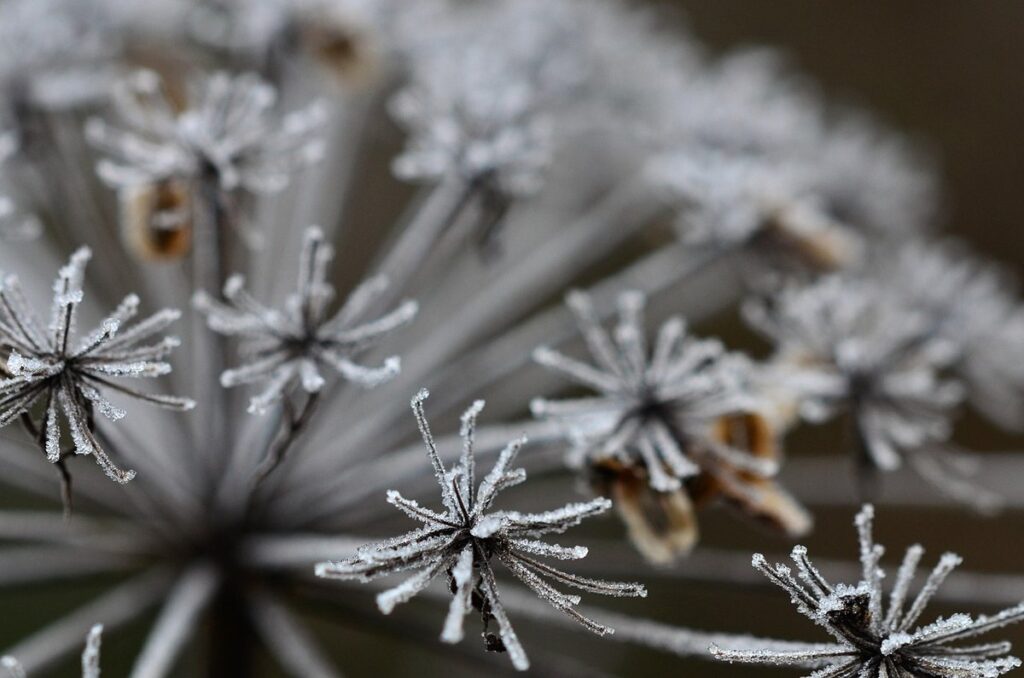
What is Carrot Flower JP?
Carrot flower JP, a unique and intriguing delicacy that’s gained popularity worldwide, but what exactly sets it apart from its ordinary carrot counterpart. Let’s dive into its distinctive characteristics.
Introduction to Carrot Flower
Carrot flower JP is a unique and fascinating ingredient that has gained popularity worldwide for its distinct flavor and aroma. Originating from Japan, this specialty item is often confused with regular carrot flowers, but it boasts several key differences.
One of the main distinctions lies in its botanical characteristics – carrot flower JP comes from a specific variety of carrots grown exclusively for their edible blooms. These delicate flowers have a more intense orange hue than regular carrot flowers and exhibit a sweeter, nuttier fragrance. Their flavor profile is equally distinct, often described as earthy and subtle.
Unlike regular carrot flowers, which are primarily used for decoration or as a garnish, carrot flower JP is prized for its culinary value. In Japan, it’s commonly used in high-end restaurants to add depth and complexity to dishes like tempura, sushi, and sashimi. When using carrot flower JP, chefs typically combine it with other ingredients to enhance the overall flavor experience.
To incorporate carrot flower JP into your cooking, start by rinsing the delicate petals under cold water and gently patting them dry. Next, use a light hand when combining it with other flavors to avoid overpowering its unique characteristics. Experiment with pairing carrot flower JP with citrus-based sauces or soy-ginger dressings for an authentic Japanese flavor profile.
History and Cultural Significance
In Japan, the humble carrot flower JP has evolved into a culinary treasure with a rich history and deep cultural significance. The story begins with the arrival of Western cuisine in Japan during the Meiji period (1868-1912), when foreign chefs introduced new cooking techniques and ingredients, including carrots. At first, carrots were used primarily for their roots, but as Japanese chefs experimented with them, they discovered the delicate flavor and beauty of the flowers.
Today, carrot flower JP is a prized ingredient in high-end restaurants and is often served as a garnish or used in traditional dishes like tempura and sushi. Its cultural significance extends beyond its culinary appeal, symbolizing good luck, prosperity, and new beginnings. In Japanese cuisine, presentation is everything, and the delicate petals of the carrot flower are considered a stunning addition to any dish.
When incorporating carrot flowers into your own cooking, remember that their subtle flavor pairs well with light, delicate sauces. Simply trim the stems, rinse the flowers under cold water, and add them as a finishing touch to your creations.
Preparing Carrot Flower JP for Cooking
To prepare carrot flower JP for cooking, start by carefully washing and pat drying the delicate blooms to remove any dirt or debris. This step ensures they’re ready for use in your desired recipe.
Harvesting and Storing
When harvesting carrot flowers JP, it’s essential to handle them gently to prevent damage and bruising. This will ensure that they remain fresh for a longer period. Gently twist the stalks away from the base of the plant, taking care not to pull on the roots.
Proper storage is also crucial in maintaining the quality of carrot flowers JP. Place the harvested bunches in a paper bag or wrap them in a breathable cloth, such as linen or cotton. This will help maintain humidity and prevent moisture loss.
Refrigerate the stored carrot flowers at a temperature between 32°F and 40°F (0°C to 4°C). The ideal storage time is 3-5 days for optimal flavor and texture. To extend their shelf life, you can also freeze them by blanching the flowers in boiling water for 30 seconds before placing them in an airtight container or freezer bag.
Regularly check on stored carrot flowers JP and remove any that show signs of spoilage to prevent contamination and maintain quality.
Cleaning and Preparing the Flowers
Before you can start cooking with carrot flower JP, it’s essential to clean and prepare it properly. This involves removing any excess leaves or debris that may be attached to the delicate florets. To begin, gently pull off any large leaves from the base of the flowers, taking care not to damage the tender petals.
Next, rinse the carrot flowers under cold running water to remove any dirt or impurities. Use a soft-bristled brush to gently scrub away any stubborn debris, making sure to clean all surfaces of the florets. Pat the flowers dry with paper towels or a clean cloth to remove excess moisture.
Now that your carrot flower JP is clean, it’s time to trim off any excess leaves or stems. Use a pair of sharp kitchen scissors to carefully snip away any unsightly foliage, leaving just the delicate florets intact. This will help preserve their texture and flavor when cooked. By following these simple steps, you’ll be well on your way to preparing carrot flower JP for a variety of delicious dishes.
Using Carrot Flower JP in Japanese Cuisine
Carrot flower JP is a versatile ingredient that can be used in various Japanese dishes, from traditional tempura to modern fusion recipes. Let’s explore some unique ways to incorporate it into your cooking.
Traditional Recipes and Dishes
In Japanese cuisine, carrot flower JP is a prized ingredient used in various traditional recipes that showcase its unique flavor profile and versatility. One classic dish featuring carrot flower JP is Takikomi Gohan, a rice bowl recipe from the Kansai region where it’s combined with chicken or beef broth, sake, mirin, and other seasonings to create a rich, savory sauce.
Another popular use for carrot flower JP is in soups like Shigehagi Miso Soup, which pairs the delicate flavor of carrot flower JP with miso paste, tofu, and scallions. This dish highlights the ingredient’s ability to add depth without overpowering other flavors.
You can also find carrot flower JP in traditional Japanese salads such as Goma Ae, a sesame dressing-based salad that includes grated daikon radish and shredded carrots. To incorporate carrot flower JP into your own recipes, try using it raw or lightly cooked to preserve its delicate flavor.
When working with carrot flower JP, remember that it’s best used when fresh, so be sure to purchase it from reputable suppliers or grow your own if possible.
Modern Twists and Fusion Cooking
In recent years, carrot flower JP has gained popularity worldwide for its delicate flavor and versatility. One of the most exciting aspects of using carrot flower JP is its adaptability in Western-style dishes. Chefs are now experimenting with this unique ingredient to create innovative fusion cuisine.
Take, for instance, a modern Japanese-inspired carrot flower JP risotto. This dish combines the traditional Italian recipe with Japan’s love for delicate flavors. Simply sauté chopped carrot flower JP with garlic and ginger, then add Arborio rice and white wine. Finish with grated yuzu zest and a drizzle of soy sauce.
Another example is a carrot flower JP and truffle croquette. In this dish, the earthy flavor of truffles pairs perfectly with the sweetness of carrot flower JP. Simply mix cooked carrot flower JP with truffle oil and shape into patties. Coat with breadcrumbs and fry until crispy.
These examples showcase the potential for fusion cuisine using carrot flower JP. When experimenting with this ingredient, remember to balance its delicate flavor with bold seasonings and spices. Don’t be afraid to try new combinations – the possibilities are endless!
Health Benefits and Nutrition Facts
Packed with vitamins, minerals, and antioxidants, carrot flower JP offers a wealth of nutritional benefits that will leave you feeling revitalized and energized. Let’s dive into the details!
Nutritional Profile
Carrot flower JP is an exceptional culinary delight that offers numerous health benefits due to its impressive nutritional profile. Rich in essential vitamins and minerals, carrot flower JP provides a boost of energy while supporting overall well-being.
In terms of vitamins, carrot flower JP is an excellent source of vitamin A, C, and K, as well as folate and thiamin. These nutrients play crucial roles in maintaining healthy vision, immune function, and blood clotting, respectively.
In addition to its high vitamin content, carrot flower JP also contains minerals such as potassium and manganese. Potassium is vital for maintaining heart health and regulating fluid balance within the body, while manganese supports bone health and wound healing.
Antioxidant properties in carrot flower JP further enhance its nutritional benefits by protecting against cell damage and inflammation. The unique combination of vitamins, minerals, and antioxidants makes carrot flower JP a valuable addition to any meal or snack.
To incorporate more nutrient-dense foods like carrot flower JP into your diet, consider experimenting with new recipes or cooking methods that showcase its flavors and textures.
Potential Health Benefits
Consuming carrot flower JP has been linked to several potential health benefits, primarily due to its rich content of antioxidants and anti-inflammatory compounds. These bioactive molecules are thought to play a crucial role in mitigating oxidative stress and inflammation in the body.
Studies have shown that the antioxidant properties of carrot flower JP can help protect cells from damage caused by free radicals, which is associated with various chronic diseases, including cancer and heart disease. Moreover, its anti-inflammatory properties may contribute to improved cardiovascular health by reducing inflammation in blood vessels and preventing platelet aggregation.
Incorporating carrot flower JP into your diet can also have a positive impact on gut health. The prebiotic fiber present in this ingredient feeds beneficial gut bacteria, promoting a balanced gut microbiome. This is particularly significant for individuals with compromised gut health or those seeking to boost their immune system. To experience the potential benefits of carrot flower JP, consider adding it to your salads, soups, or stir-fries as a nutritious garnish or ingredient.
Tips for Cooking with Carrot Flower JP at Home
To bring out the full flavor of carrot flower JP, consider these simple tips and tricks that’ll have you cooking with confidence in no time. From seasoning to preparation.
Simple Recipes for Beginners
If you’re new to cooking with Carrot Flower JP or looking to experiment with its unique flavor profile, don’t worry – we’ve got you covered! Here are some simple recipes that showcase the versatility of this Japanese delicacy.
First, let’s start with a classic: Carrot Flower JP tempura. This easy-to-make dish requires just a few ingredients: Carrot Flower JP buds, all-purpose flour, egg, and vegetable oil. Simply dip the buds in a mixture of flour and egg, then deep-fry until crispy. Serve immediately for a crunchy snack or side dish.
For a more substantial meal, try making Carrot Flower JP stir-fry with your choice of protein – chicken, beef, or tofu work well. Simply sauté the Carrot Flower JP buds in a little oil until tender, then add your protein and favorite stir-fry sauce. Serve over rice for a flavorful and filling meal.
Another great option is to use Carrot Flower JP as a garnish for soups or salads. Simply chop the buds finely and sprinkle on top of your dish for a burst of fresh flavor. Experiment with different seasonings, such as soy sauce or sesame oil, to enhance its unique taste.
Remember, the key to cooking with Carrot Flower JP is to not be afraid to experiment! Try new combinations of ingredients and flavors until you find what works best for you. With practice and patience, you’ll become a master chef of this Japanese delicacy in no time.
Advanced Techniques and Variations
When you’re comfortable with the basics of cooking with carrot flower JP, it’s time to take your skills to the next level. One way to do this is by experimenting with advanced techniques and variations that showcase its unique flavor profile.
For instance, try using carrot flower JP as a garnish for soups or salads, adding a pop of color and delicate crunch to these dishes. You can also use it to add texture and visual appeal to sushi rolls or sashimi platters. To do this, simply blanch the flowers in boiling water for 10-15 seconds, then shock them in an ice bath to stop the cooking process.
Another way to incorporate carrot flower JP into more complex dishes is by pairing it with other ingredients that complement its sweet and slightly bitter taste. Try combining it with citrusy yuzu or ponzu sauce, or pair it with rich and savory umami flavors like miso or dashi broth. You can also use it as a topping for rice bowls or noodle dishes, adding a burst of freshness to these comforting meals. Experiment with different combinations to find the perfect harmony of flavors for your taste buds.
Where to Find Carrot Flower JP and Its Substitutes
You’re eager to get your hands on Carrot Flower JP, but not sure where to look? We’ll guide you through sources and alternatives so you can enjoy this delicacy.
Sources and Suppliers
When searching for high-quality Carrot Flower JP, you’ll be pleased to know that it’s available through various sources in Japan and abroad. In Japan, you can find Carrot Flower JP at select high-end supermarkets like Isetan and Mitsukoshi, as well as specialty food stores like Takashimaya. Visit local markets such as the Tsukiji Outer Market or Kyoto’s Nishiki Market to explore a variety of vendors selling fresh produce, including rare ingredients like Carrot Flower JP.
Online retailers are also an excellent option for those unable to visit Japan in person. Some popular online stores that import Japanese goods include Rakuten Global Market and Amazon Japan. You can also check specialty food websites like J-List or Kura Living for a selection of exotic ingredients. When shopping online, ensure that the vendor provides detailed product descriptions and high-quality images to guarantee you’re purchasing genuine Carrot Flower JP.
To further enhance your Carrot Flower JP experience, consider visiting local Japanese restaurants or cooking schools in your area. They often import fresh produce from Japan and may be able to provide expert advice on where to source Carrot Flower JP locally or internationally.
Alternatives and Substitutions
If you’re unable to get your hands on carrot flower JP or are looking for ways to mix things up in your recipes, don’t worry – there are plenty of alternatives and substitutes that can still provide that unique Japanese flavor. One such ingredient is Japanese parsley, which has a similar freshness and slightly bitter taste to carrot flower JP.
Another great option is shiso leaves, commonly used in Japanese cuisine as a garnish or added to soups and salads for its distinct anise-like flavor. While it’s not an exact substitute, shiso leaves can add a similar depth of flavor to your dishes.
If you’re looking for something more widely available, you could also try using regular parsley or even dill as a last resort – they won’t provide the same intense umami taste but will still contribute some freshness and brightness to your recipes. When substituting, keep in mind that the proportions may need to be adjusted to balance out the flavors.
In Japanese cooking, there’s often an emphasis on using locally sourced ingredients, so don’t be afraid to experiment with other herbs and greens to find what works best for you. With a little creativity and experimentation, you can still unlock the secrets of Japan’s unique culinary delights without relying solely on carrot flower JP.
Frequently Asked Questions
Can I substitute regular carrots for Carrot Flower JP in recipes?
No, it’s not recommended to substitute regular carrots for Carrot Flower JP as their flavors and textures are distinct. The delicate flavor of Carrot Flower JP will be lost if used interchangeably with regular carrots. If you’re new to cooking with Carrot Flower JP, start by trying simple recipes that showcase its unique characteristics.
How do I store Carrot Flower JP to preserve its freshness?
To maintain the quality and flavor of Carrot Flower JP, store it in an airtight container in the refrigerator at a consistent temperature below 40°F (4°C). This will help extend its shelf life for up to five days. When not in use, you can also consider freezing or dehydrating the flowers for future use.
What are some common uses of Carrot Flower JP beyond traditional Japanese cuisine?
Carrot Flower JP is a versatile ingredient that lends itself well to modern twists and fusion cooking. Experiment with pairing it with Mediterranean spices, Middle Eastern flavors, or even using it in vegan and vegetarian dishes. Its delicate flavor makes it an excellent addition to salads, soups, and sauces.
Can I grow my own Carrot Flower JP for personal use?
While growing your own Carrot Flower JP is possible, it requires specific conditions and expertise. In ideal climates with long growing seasons, you can cultivate this specialty ingredient in your garden. However, sourcing high-quality seeds and ensuring optimal growing conditions will be essential to successful cultivation.
How do I handle and clean the delicate flowers without damaging them?
When handling Carrot Flower JP, gently wash the flowers under cold running water to remove any dirt or debris. Use a soft-bristled brush to gently scrub away any stubborn impurities. Pat dry with paper towels to prevent moisture from accumulating and causing spoilage.
Can I use Carrot Flower JP in pickling or fermenting recipes?
Yes, Carrot Flower JP can be used in pickling or fermenting recipes, adding its unique flavor and aroma to traditional dishes like takuan no moto (Japanese yellow daikon pickles). Experiment with different seasonings and marinades to create your own signature recipes.