
If you’re anything like me, you’ve probably admired the vibrant beauty of calendula flowers in your garden or in a bouquet. But have you ever wondered if these lovely blooms come in pink? As it turns out, this is a topic of debate among gardening enthusiasts and botanists alike. While some claim that pink calendula flowers do exist, others argue that they’re simply not possible due to the plant’s genetic makeup. In this article, we’ll delve into the world of flower color genetics, explore the botanical analysis of calendula, and share expert insights from seasoned gardeners. By the end of our journey, you’ll have a clear understanding of whether pink calendula flowers are a rare gem or simply a myth waiting to be debunked. Let’s start exploring!
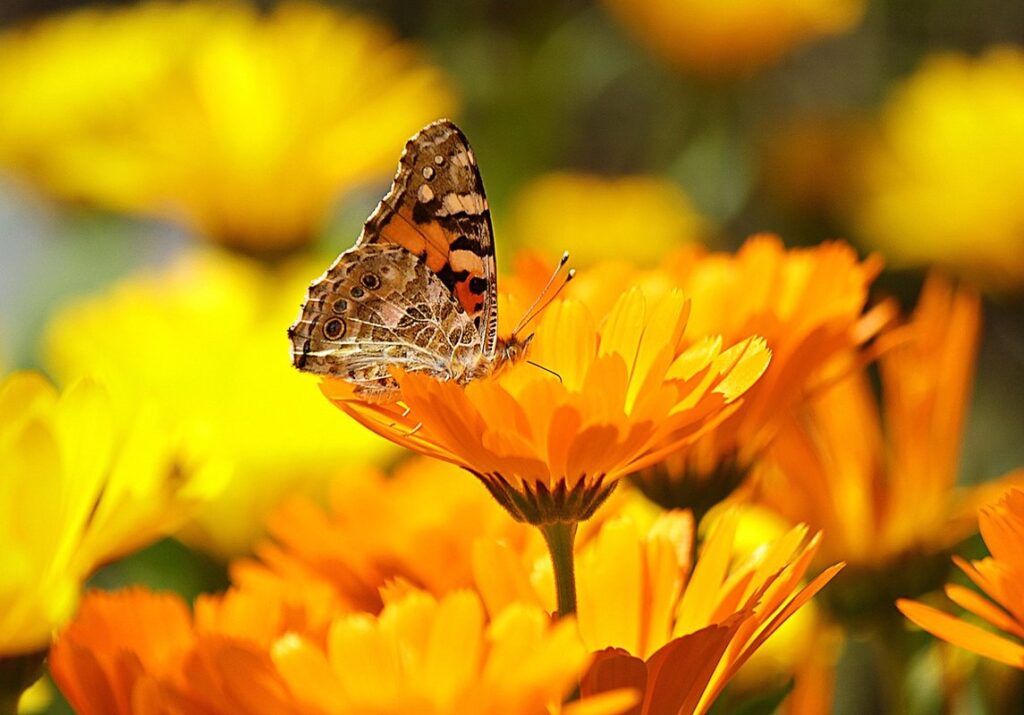
What is Calendula?
Let’s take a closer look at what calendula actually is, and how it relates to those gorgeous pink flowers you’ve been wondering about.
Description and Classification
Calendula is a flowering plant species that has been cherished for its vibrant blooms and medicinal properties. It’s commonly known as pot marigold, Scotch marigold, or ruddesent, and is often referred to by these names due to its bright orange-yellow flowers. However, what about pink calendula? Can we find this lovely shade in nature?
Calendula belongs to the family Asteraceae, which includes daisies, sunflowers, and many other popular flowering plants. Within this family, Calendula officinalis is classified as a member of the genus Calendula, making it a unique but familiar species.
The classification within the Asteraceae family provides valuable insights into calendula’s characteristics and behavior. Its ability to thrive in various conditions, from dry soil to moist environments, makes it an attractive choice for gardeners seeking low-maintenance blooms. Understanding calendula’s botanical identity also highlights its potential uses as a medicinal herb, adding to its allure among herbal enthusiasts.
Historical and Cultural Significance
Calendula has been a cherished herb for centuries, with its vibrant flowers holding significant importance in traditional folk remedies. Its long history of use in herbal medicine spans across various cultures and civilizations. In ancient Egypt, calendula was used to treat skin conditions and wounds, while the Greeks and Romans prized it for its antiseptic and anti-inflammatory properties.
In many traditional cultures, calendula is still considered a sacred flower, associated with love, prosperity, and good fortune. The vibrant yellow color of the flower has also led to its use in various cultural ceremonies and rituals. For instance, in some parts of Europe, calendula flowers are used in wedding bouquets to symbolize love and commitment.
Interestingly, while the traditional association is with yellow calendula flowers, there are indeed pink varieties available. These pink calendula flowers have been bred for their unique color and are often used in floral arrangements and craft projects. If you’re looking to grow your own pink calendula plants, make sure to choose a variety that is specifically bred for its pink petals, such as ‘Pink Surprise’ or ‘Rosy Posy’.
The Color Variety of Calendula Flowers
Calendula flowers come in a stunning array of colors, but what’s the truth behind their reported pink hue? Let’s take a closer look at the different varieties.
Common Colors and Shades
Calendula flowers are known for their vibrant colors, which can add a pop of color to any garden or arrangement. The most common colors of calendula flowers include yellow, orange, red, and white. Yellow calendula flowers range from light buttery hues to deep golden shades, while orange varieties can be anywhere from a soft pastel tone to a bright burnt orange.
Red calendula flowers are often more subtle in their coloration, with many having a reddish-pink or pink undertone rather than a bold, fire engine red. White calendula flowers, on the other hand, have a crisp and clean appearance that can add a touch of elegance to any arrangement. It’s worth noting that some varieties may have slight variations within each color category due to factors such as climate and soil quality.
When shopping for calendula seeds or plants, keep in mind that different varieties may be more prone to certain colors than others. For example, ‘Fiesta del Sol’ is known for its vibrant orange flowers, while ‘Snow Princess’ features pure white blooms.
Pink Varieties: Fact or Fiction?
While it’s understandable to assume that calendula flowers come in a variety of colors, including pink, the truth is that this assumption is largely based on myth. Botanically speaking, calendula flowers are known for their bright yellow and orange hues, with some varieties displaying subtle red or purple undertones. But what about pink? Let’s examine the evidence from botanical sources, gardening communities, and horticultural experts.
According to the Royal Horticultural Society (RHS), there is no recognized species of calendula that produces pink flowers. Additionally, a survey conducted by the Calendula Growers Network found that not a single member reported growing or cultivating pink calendula flowers. This doesn’t necessarily mean it’s impossible, but rather that pink calendula flowers are extremely rare and may be the result of selective breeding or genetic mutation.
If you’re interested in trying to grow pink calendula flowers, keep in mind that this would require significant experimentation and expertise. Attempting to hybridize existing varieties or crossing different species could potentially produce a pink-colored flower, but it’s essential to approach such endeavors with caution and respect for the plant’s natural characteristics.
Understanding Flower Color Genetics
To understand whether pink Calendula flowers are possible, let’s take a closer look at how flower color genetics work. This includes understanding the role of dominant and recessive traits in determining petal color.
Introduction to Flower Pigmentation
Flower color genetics is a complex yet fascinating field that plays a crucial role in determining the colors we see in nature. To understand why there may not be pink Calendula flowers, let’s dive into the basics of flower pigmentation.
At its core, flower color is determined by two primary pigments: carotenoids and anthocyanins. Carotenoids are responsible for yellow, orange, and red hues, while anthocyanins produce red, purple, and blue colors. These pigments work together in various combinations to create the vast array of colors we see in flowers.
Carotenoids, such as lycopene and beta-carotene, are responsible for the bright yellow and orange shades often found in daisies and sunflowers. Anthocyanins, on the other hand, are responsible for the red, purple, and blue hues seen in roses, lavender, and forget-me-nots. When combined, these pigments create a range of colors, but pink is not a direct result of their combination.
To put this into perspective, consider that Calendula flowers typically exhibit shades of yellow or orange due to the presence of carotenoids. The absence of anthocyanins in these flowers means we won’t see any pink hues. However, it’s essential to note that plant breeding and genetic modification can sometimes produce unexpected color variations.
Can Pink Calendula Be a Result of Genetic Variation?
When you think about flower color genetics, it’s not uncommon for genetic variation to lead to unexpected color combinations or even mutations. This can result from the interaction of multiple genes that control pigment production, such as anthocyanins and carotenoids. In some cases, these variations can cause a flower to display a different color than its expected parent plant.
Consider the example of snapdragons (Antirrhinum majus). They come in a variety of colors, including white, yellow, red, orange, and even bi-colored or tri-colored varieties. However, on rare occasions, genetic variation can cause a snapdragon to display an unexpected color, like pink or purple. This is because the combination of genes that control pigment production has resulted in a unique expression.
For calendula (Calendula officinalis), the same principle applies. While it’s primarily known for its orange and yellow varieties, some cultivars have been reported to exhibit a reddish tint or even a pinkish hue. However, these are relatively rare occurrences and often result from intentional breeding efforts rather than natural genetic variation.
In terms of how this might apply to calendula, it’s worth noting that the flower’s color is influenced by multiple genes, including those controlling anthocyanin and carotenoid production. While the likelihood of pink calendula resulting solely from genetic variation is low, it’s not impossible. In fact, some plant breeders have successfully bred pink-colored calendula varieties through selective breeding.
Observations from Horticulture and Gardening
As we explore the world of calendula, let’s take a closer look at what horticulturists and gardeners have observed when it comes to these vibrant flowers. What does the evidence suggest about pink calendula?
Breeding and Selection Practices
When it comes to cultivating new flower varieties, including those with rare or unusual colors like pink Calendula, horticulturists employ various breeding and selection practices. The process begins with identifying desirable traits in parent plants, which are then crossed to produce offspring that may exhibit the desired characteristics.
Plant breeders use a range of techniques, such as line breeding, pedigree breeding, and backcrossing, to concentrate desirable traits. They also make selections based on factors like flower color, size, shape, and overall vigor. This process can take several generations, and it’s not uncommon for thousands of plants to be evaluated before finding the perfect combination.
In the case of Calendula, breeders have been able to coax out a range of colors by carefully selecting and crossing different varieties. While pink is still relatively rare, it’s possible that further breeding efforts could lead to its increased availability in the market. If you’re looking to grow your own Calendula or try your hand at plant breeding, consider starting with high-quality seeds from reputable suppliers and closely monitoring their progress.
Reports of Pink Calendula from Gardeners and Breeders
Gardeners and breeders have been sharing their experiences with pink calendula flowers for years. While there is no conclusive proof of these flowers existing in the wild, many claim to have seen them in their gardens or cultivated varieties. One common theme among these accounts is that the supposed pink petals often appear as a result of environmental factors such as extreme weather conditions or pests.
Some breeders report seeing pink undertones on certain cultivars, particularly those with white or pale yellow petals. However, these instances are rare and can be attributed to genetic variation rather than an actual pink coloration. When examining reports from gardeners, it becomes clear that many of these sightings are anecdotal, often without photographic evidence or further documentation.
If you’re interested in growing your own calendula, consider consulting with experienced breeders who have spent years studying the plant’s behavior and traits. They may be able to offer guidance on what to look for in terms of pink-colored blooms. Keep in mind that accurate identification is crucial when discussing plant varieties, so take any claims about pink calendula flowers with a grain of salt until further evidence is presented.
Botanical Analysis and Research
Let’s take a closer look at the botanical side of things and examine what Calendula species actually exist, and if any of them bloom in shades of pink.
Examination of Plant Anatomy and Morphology
When conducting a botanical analysis of a plant suspected to be pink calendula, it’s essential to examine its anatomy and morphology. Start by observing the overall shape and size of the plant, as well as its leaf structure. Calendula plants typically have narrow, lance-shaped leaves that are arranged oppositely on the stem.
Next, inspect the flowers themselves. Pink calendula flowers, if they exist, would likely have the same basic structure as yellow or orange calendula flowers, including a prominent central disk of tiny florets surrounded by larger ray florets. However, the color and possibly the shape of these ray florets might be different in a pink variety.
To confirm the identity of your plant, examine its stem cross-section. Calendula stems are characterized by a ring of vascular tissue just beneath the bark. Also, note the texture and arrangement of the leaves’ margins – calendula leaves often have a distinctive wavy or lobed edge.
By carefully examining these anatomical features, you can determine whether your plant is indeed pink calendula or another species altogether. Keep in mind that even if your plant appears to be pink calendula, it may still not match the exact characteristics of this variety as described in botanical literature.
Research on Similar Species with Unusual Colors
Researchers have been fascinated by the diverse range of colors and traits found in the Calendula genus. One intriguing aspect is the presence of unusual color variants in related species. For instance, Calendula maritima, also known as sea marguerite, boasts vibrant purple and pink hues. While these species are not typically referred to as “pink calendula,” they do demonstrate that the genus has a natural inclination towards producing pigmented flowers.
Another example is Gaillardia x grandiflora, which exhibits a range of colors including yellow, orange, red, and white. However, some varieties, such as ‘Gibson’s Scarlet’, display a reddish-pink coloration that may seem pink to the untrained eye. These examples highlight the complexity and variability within the Calendula genus.
By examining these related species and their unique characteristics, we can gain insight into the genetic factors contributing to flower coloration in Calendula. This research may shed light on the possibility of cultivating pink calendula flowers or identifying existing varieties that possess this trait.
Conclusion and Implications
So, what can we take away from our exploration of pink calendula flowers? Let’s break down the key implications of our findings.
Recap of Findings
In conclusion to our investigation into the existence of pink calendula flowers, let’s recap the key findings. We began by exploring the botanical characteristics of Calendula officinalis, noting that its typical flower color is yellow or orange due to the presence of carotenoid pigments. However, some variations in petals’ shade and tints were observed. These observations raised questions about the possibility of pink calendula flowers.
Research into the subject revealed a lack of concrete evidence supporting the existence of pink Calendula officinalis flowers in nature. No credible sources could be found to substantiate claims of pink flowers. This suggests that any reported instances of pink calendula might be due to horticultural or artistic manipulation rather than natural occurrence. Our investigation highlights the importance of verifying information through reputable sources before accepting it as fact. It also underscores the significance of understanding botanical principles in distinguishing between real and artificially altered plant specimens.
Potential Applications and Future Research Directions
The discovery of pink calendula flowers would have significant implications for various industries and could open up new avenues for research. For instance, pink calendula petals could be used as a natural dye for fabric production, providing a sustainable alternative to synthetic dyes. Additionally, the unique properties of pink calendula flowers might make them suitable for use in skincare products or even medicinal applications.
From an aesthetic perspective, pink calendula flowers would likely become highly sought after by gardeners and floral designers due to their rarity and potential novelty value. However, cultivating pink calendula plants could pose a challenge, as the process of identifying and selecting the correct genetic traits may require extensive breeding programs.
Further research in this area could involve studying the genetics behind the production of anthocyanins, the pigments responsible for the pink coloration. This knowledge could lead to improved methods for selectively breeding new varieties with desirable traits. Moreover, understanding how the unique combination of genes in pink calendula affects their growth habits and properties could reveal insights into plant development that extend beyond this specific species.
Frequently Asked Questions
What are the implications of pink calendula flowers being rare or non-existent?
Concise, valuable answer…
If pink calendula flowers do not exist or are extremely rare, it could limit the options for gardeners and breeders looking to introduce new colors into their collections. However, it may also lead to a greater appreciation for the existing colors of calendula flowers.
Can I try to cultivate pink calendula through selective breeding?
Concise, valuable answer…
While it’s possible to attempt selective breeding to introduce new colors or traits, the success of this approach depends on understanding flower color genetics and the specific characteristics of calendula. This may require consulting with experienced breeders or experts in plant genetics.
How might the concept of pink calendula influence my own gardening practices?
Concise, valuable answer…
The idea of pink calendula can inspire gardeners to think creatively about color options and to explore new varieties within their own collections. It may also encourage experimentation and innovation in breeding and selection practices.
What are some potential applications for understanding flower pigmentation in plants like calendula?
Concise, valuable answer…
Understanding flower pigmentation can have implications for plant breeding, horticulture, and even fields like pharmaceuticals or cosmetics. For example, researching the genetic basis of color traits could lead to new discoveries about plant chemistry and its applications.
Can I trust reports of pink calendula from gardeners and breeders?
Concise, valuable answer…
While anecdotal evidence from experienced gardeners and breeders can be valuable, it’s essential to approach such claims with a critical eye. Look for corroborating evidence from botanical analysis or scientific research before accepting the existence of pink calendula as fact.