
Are you looking for a low-maintenance, versatile addition to your garden or indoor space? Look no further than the humble nasturtium plant. Not only do these flowers add a pop of color and charm to any setting, but they also offer a host of benefits and uses that make them a must-have for any gardener. From their edible flowers to their natural pest control properties, nasturtiums are a game-changer for anyone looking to grow their own food or create a sustainable garden ecosystem. In this article, we’ll dive into the world of nasturtium plants, covering their benefits, uses, and care requirements, as well as provide expert tips on how to grow them successfully in your home or outdoor space. Whether you’re a seasoned gardener or just starting out, keep reading to discover the wonders of the nasturtium plant!
Introduction to Nasturtium Plants
Nasturtium plants are a popular choice for gardeners and flower enthusiasts alike, offering a wide range of benefits and uses in gardening. Let’s dive into what makes these unique plants so special.
What is a Nasturtium Plant?
Nasturtium plants are an absolute delight to have in any garden, and it’s no wonder why they’re gaining popularity among gardening enthusiasts. But before we dive into the benefits, care, and uses of these stunning flowers, let’s get to know them a bit better.
These gorgeous plants belong to the Tropaeolum genus and are classified as annuals, which means they complete their life cycle within a year. This makes them perfect for gardeners who want to try something new every season. One of the most distinctive features of nasturtium plants is their bright, delicate flowers that come in a variety of colors including yellow, orange, red, and white.
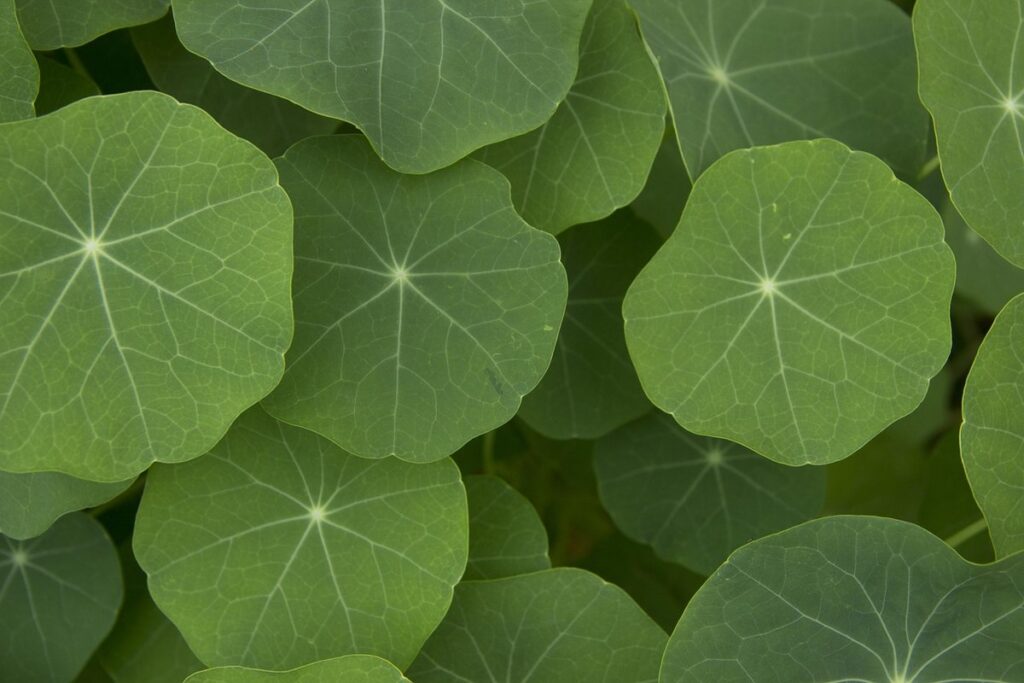
Their leaves are just as fascinating – round and flat with waxy stems that give them a unique texture. The combination of these striking flowers and leaves makes nasturtium plants a standout addition to any garden or indoor space. Whether you’re looking for a pop of color or a statement piece, nasturtium plants are sure to impress.
Brief History of Nasturtiums
Nasturtiums have been delighting gardeners and cooks for centuries. Their origins date back to South America in the 16th century, where they were first cultivated by the Incas. These vibrant flowers were highly valued not only for their beauty but also for their edible leaves and seeds.
As European explorers arrived in South America, they discovered nasturtiums and introduced them to Europe, where they quickly gained popularity as an ornamental plant. Their delicate, crepe-paper-like flowers came in a range of colors, including yellow, orange, red, and purple, making them a favorite among gardeners.
In Asia, nasturtiums were also introduced for their culinary uses, particularly in Chinese cuisine. The leaves and seeds were used to add flavor and nutrition to salads, stir-fries, and other dishes. Today, nasturtiums are grown worldwide for both their ornamental and edible values, making them a staple in many gardens and kitchens.
By the 19th century, nasturtiums had become a popular choice among botanists and horticulturists due to their unique growth habits and ease of cultivation. They were also used as a natural remedy for various ailments, adding to their allure.
Benefits and Uses of Nasturtium Plants
Nasturtium plants offer a wide range of benefits and uses, from repelling pests to adding a pop of colorful beauty to your garden. Let’s explore these advantages together!
Edible Flowers and Leaves
Nasturtium flowers and leaves are not only visually stunning, but they’re also edible and incredibly versatile. When it comes to adding a burst of flavor to dishes, nasturtium’s peppery taste is perfect for salads, sandwiches, and even soups. Simply chop the leaves or use them whole as a garnish to add a pop of color and flavor.
The flowers themselves can be used in various ways too – they can be added raw to salads, or used as a topping for tacos or burgers. You can also dry them to preserve their flavor and use them later as a seasoning. To dry nasturtium flowers, simply tie them in small bunches and hang them upside down in a warm, dry place.
One of the most unique uses of nasturtium flowers is as natural dyes. The delicate petals create a range of colors from soft pinks to vibrant yellows when used to dye fabrics or paper. To try this out, simply boil the flowers in water for 10-15 minutes and then soak your fabric or paper in the resulting liquid. Be sure to test a small sample first to ensure the desired color is achieved.
When using nasturtiums as edibles or dyes, be sure to identify them correctly – they can resemble other plants that may not be safe for consumption. Make sure to only use flowers and leaves from healthy, pest-free plants to avoid contamination.
Companion Planting and Pest Control
Nasturtiums are natural pest control agents that can help safeguard your garden from aphids, whiteflies, and other pests. These tiny marauders often target vegetables and flowers, causing significant damage to plants. By strategically planting nasturtiums alongside vulnerable crops, you can create a pest-repellent barrier.
One effective way to use nasturtiums for pest control is as a trap crop. This involves placing nasturtiums in areas where pests are most active, thereby drawing them away from more valuable plants. For example, if aphids are infesting your prized roses, consider planting nasturtiums nearby. As the aphids congregate on the nasturtiums, they’ll leave the roses relatively pest-free.
Some of the key pests that nasturtiums repel include:
* Aphids
* Whiteflies
* Squash bugs
* Cucumber beetles
To make the most of your nasturtium’s pest-repelling properties, choose a variety that is resistant to pests and diseases. Some popular varieties for this purpose are ‘Empress of India’ and ‘Alaska’. With proper care and placement, these flowers can become an essential component of your integrated pest management strategy.
Nasturtium-Based Medicinal Uses
Nasturtiums have been used for centuries in traditional medicine, valued for their anti-inflammatory properties and ability to act as an antiseptic. The plant’s leaves, flowers, and roots are all utilized in various remedies, showcasing the versatility of this plant. Inflammation is a key factor in many diseases, from arthritis to acne, and nasturtiums’ anti-inflammatory effects have been shown to provide relief.
Modern research has shed more light on the medicinal properties of nasturtiums. Studies suggest that they possess antioxidant, antibacterial, and antiviral effects, making them a promising addition to natural health remedies. The antioxidants present in nasturtiums help protect cells from damage caused by free radicals, which can lead to chronic diseases.
You can harness the medicinal benefits of nasturtiums by using them in various ways:
* Make a tea from fresh or dried leaves and flowers to reduce inflammation and soothe digestive issues.
* Apply a paste made from crushed roots and leaves directly to wounds or skin irritations to act as an antiseptic.
* Incorporate nasturtium flowers into salads or use them as a garnish to add a burst of flavor and potential health benefits.
Remember, while nasturtiums are considered safe for consumption, consult with a healthcare professional before using them as medicine.
Growing and Caring for Nasturtiums
To keep your nasturtium plants thriving, learn how to nurture them from seed to bloom, including tips on watering, pruning, and pest control.
Optimal Conditions for Growth
To ensure your nasturtiums reach their full potential, it’s essential to provide them with optimal growing conditions. This starts with the soil itself, which should be well-draining and have a slightly acidic pH between 5.5 and 6.0. Avoid planting in areas with standing water or where water tends to collect, as this can lead to root rot.
In terms of sunlight, nasturtiums thrive in full sun but can also tolerate partial shade. In warmer climates, it’s best to provide some afternoon shade to prevent the leaves from becoming scorched. For those growing nasturtiums in cooler temperatures, direct sunlight will still be beneficial, but consider providing a frost blanket during extended periods of cold weather.
When it comes to temperature, nasturtiums are sensitive to extreme heat and cold. The ideal range for growth is between 65°F (18°C) and 75°F (24°C). If you’re growing in an area with mild winters, be aware that nasturtiums may go dormant during the colder months but will typically come back once temperatures rise.
To achieve optimal conditions for your nasturtiums, check your soil pH regularly and amend it as needed. Also, ensure that your plants are receiving the right amount of sunlight by observing their growth patterns. If you notice leaves becoming scorched or stunted, adjust the shade accordingly. With attention to these details, you’ll be rewarded with healthy, thriving nasturtiums that produce an abundance of blooms and edible flowers.
Propagation Methods
Propagating nasturtiums is relatively easy and can be done through various methods. The most common method of propagation for nasturtiums is by seeds, as they provide a high success rate and are readily available. To sow seeds, start by selecting a location with well-draining soil and full sun to partial shade conditions. Sow the seeds about 1-2 inches deep and 6-12 inches apart in late spring or early summer when the weather is warm.
Nasturtiums can also be grown from cuttings, which involves taking stem sections from mature plants and rooting them in water or a potting mix. This method is ideal for propagating varieties that are difficult to obtain through seeds. To take cuttings, select healthy stems with at least two nodes, remove lower leaves, and plant the cutting in a pot filled with moistened potting mix.
Division is another method of propagation for nasturtiums, which involves separating established plants into smaller sections to create new individuals. This can be done by gently digging around the roots and separating them from each other. Transplant the separated divisions into individual pots or directly into the garden when the weather is suitable.
Common Pests and Diseases Affecting Nasturtiums
When growing nasturtiums, it’s essential to be aware of some common pests and diseases that can affect these beautiful flowers. One of the most common pests affecting nasturtiums is aphids, which are small, soft-bodied insects that feed on sap, causing curled or distorted leaves. Whiteflies are another common pest, laying their eggs on the underside of leaves and sucking out plant juices.
Another issue to watch out for is spider mites, which cause yellowing leaves and fine webbing on the undersides of leaves. These pests thrive in warm, dry conditions, so it’s crucial to maintain optimal watering and humidity levels when growing nasturtiums. Leaf spot diseases such as powdery mildew and leaf spot are also common problems for nasturtium growers.
To prevent these issues, make sure to keep your plants well-watered but not waterlogged, and provide them with enough space to breathe. Remove any infested or diseased leaves promptly, and consider using neem oil or insecticidal soap as a natural deterrent against pests. Regularly inspecting your plants can help you catch problems early on, allowing you to take action before they spread and cause more damage.
Design and Ornamental Uses
When it comes to adding a decorative touch, nasturtium plants have a multitude of design uses that will delight your garden’s visual appeal. We’ll explore these creative possibilities in more detail below.
Using Nasturtiums in the Garden
Nasturtiums are incredibly versatile flowers that can be used to attract pollinators and create a pest-free garden. They come in an array of colors and flower shapes, offering numerous design options for gardeners.
To use nasturtiums as a pollinator magnet, choose varieties with bright, showy blooms like ‘Empress of India’ or ‘Alaska’. These flowers are rich in nectar, attracting bees, butterflies, and hummingbirds to your garden. Plant them in clusters near the plants you want to support, such as squash or beans.
If you’re looking to create a pest-free garden, nasturtiums can be used as a natural repellent for aphids, whiteflies, and other pests that target vegetables and fruits. Their flowers release chemicals that deter these insects, making them an excellent addition to companion planting schemes. For example, plant ‘Jewel of Africa’ nasturtiums around your tomato plants to keep aphids at bay.
When using nasturtiums in the garden, remember to deadhead regularly to encourage more blooms and prevent self-seeding. This will help you maintain a neat and tidy appearance while enjoying their vibrant colors all season long.
Nasturtium Planters and Hanging Baskets
When it comes to showcasing nasturtiums’ vibrant blooms, consider using planters and hanging baskets. These versatile containers are ideal for displaying these spreading flowers, as they don’t require deep roots and can thrive in a variety of settings.
One of the greatest advantages of using planters with nasturtiums is their ability to adapt to limited space. Whether you have a small patio or a balcony, a planter or hanging basket can be easily moved around to maximize sunlight exposure. Fill the container with a well-draining potting mix and place 2-3 nasturtium seeds about an inch deep. Water gently but thoroughly, making sure not to overwater.
Hanging baskets are particularly well-suited for nasturtiums as they can cascade down the sides of the basket, creating a stunning display of color. To create this look, use a sturdy hanging basket with good drainage and fill it with a mix specifically designed for containers. Plant 2-3 nasturtium seeds about an inch deep, and once they’ve germinated, gently trim back the stems to encourage branching.
By using planters or hanging baskets, you can enjoy your nasturtiums’ vibrant blooms even in areas where traditional gardens may not be feasible. With proper care and maintenance, these containers can thrive in a variety of settings, adding a pop of color to any space.
Conclusion
As we conclude our exploration of the enchanting nasturtium plant, it’s clear that this vibrant bloom offers much more than just its striking beauty. From adding a pop of color to your garden or indoor space to providing an array of health benefits when consumed as a salad topping, the nasturtium plant is a multifaceted gem. To make the most of your nasturtium experience, be sure to remember that these plants are annuals and will need to be replanted each season. By doing so, you’ll be able to enjoy their delicate flowers and flavorful leaves for years to come.
Incorporating nasturtium into your life is easier than ever, and with the right care and attention, you can reap its many rewards. Whether you’re a seasoned gardener or just starting out, we hope this journey has inspired you to give these captivating plants a try. With their effortless charm and versatility, it’s no wonder the nasturtium plant has won over the hearts of gardeners and foodies alike.
Frequently Asked Questions
Can I grow nasturtiums indoors year-round?
Yes, nasturtium plants can be grown indoors year-round with the right conditions. They require a minimum of 4-6 hours of direct sunlight per day and should be kept at temperatures between 65°F to 75°F (18°C to 24°C). This will allow you to enjoy their flowers and benefits throughout the year.
How do I protect my nasturtium plants from pests?
Nasturtiums are known for their natural pest control properties, but it’s still essential to take preventative measures. Use fine mesh or fine netting to cover your plants at night to keep aphids and whiteflies away. You can also use neem oil as a natural pesticide if necessary.
Can I eat nasturtium flowers throughout the growing season?
Nasturtium flowers are edible, but they’re best consumed in moderation. The delicate blooms are rich in vitamins A and C, but eating them for extended periods may cause allergic reactions or interact with certain medications. It’s recommended to only consume a few leaves or petals per day.
How do I propagate nasturtium plants?
Nasturtiums can be easily propagated through seed or division. Sow seeds directly into the ground in early spring, about 1-2 inches deep and 12 inches apart. You can also divide established plants in the fall to create new ones. Make sure to handle the delicate roots gently when dividing.
Can I use nasturtiums as a natural repellent for other pests?
Yes, nasturtiums have been known to repel other pests like nematodes, cucumber beetles, and even squash bugs. Planting them alongside susceptible crops can provide an additional layer of protection against these pests.