
Growing luffa plants can be a rewarding experience, but achieving optimal growth and fruit production requires careful attention to detail. One crucial aspect that often gets overlooked is understanding how to measure weight effectively for maximum yields. A well-nourished and healthy luffa plant is the key to successful harvesting, but what does it take to get there? In this article, we’ll delve into the world of optimizing growing conditions, managing environmental factors, and mastering the art of measuring weight for your luffa plants. We’ll cover everything from soil quality and sunlight exposure to irrigation techniques and pruning methods that will have you enjoying a bountiful harvest in no time. By the end of this article, you’ll be equipped with the knowledge to take your luffa plant growth to new heights.
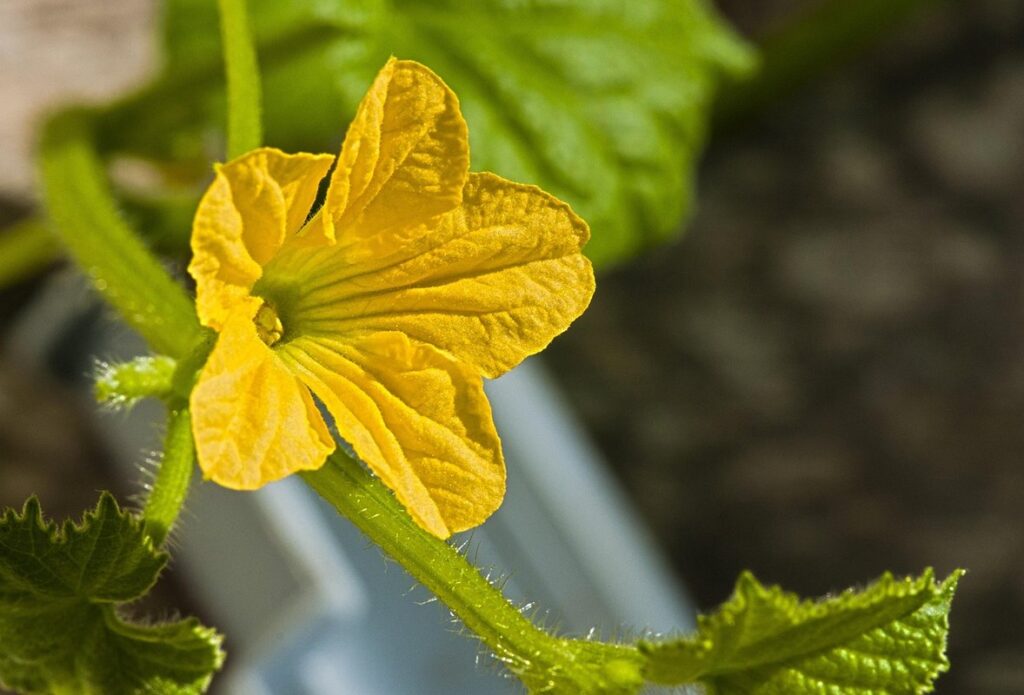
Understanding Luffa Plant Growth and Development
To grow healthy luffa plants, it’s essential to understand their unique growth patterns and development stages, which can significantly impact their overall weight and yield.
Factors Influencing Luffa Plant Weight
When it comes to growing luffa plants, understanding the factors that influence their weight is crucial. The truth is, luffa plant weight can be affected by a variety of elements. For starters, soil quality plays a significant role in determining the overall health and weight of your luffa plants.
A well-draining, rich soil with optimal pH levels will support healthy root growth, which in turn leads to heavier yields. Conversely, poor soil conditions can result in stunted growth and reduced plant weight. To give you an idea, a study found that luffa plants grown in high-quality soil had an average weight of 10-15 pounds per plant, compared to only 5-7 pounds for those grown in subpar soil.
Temperature also has a significant impact on luffa plant growth and development. Luffa plants thrive in temperatures between 65°F and 95°F (18°C and 35°C), but extreme temperatures can cause stress, leading to lighter yields. Similarly, humidity levels must be balanced – too little moisture can cause drying out, while excessive humidity can lead to fungal diseases.
Watering schedules also play a crucial role in maintaining optimal plant weight. Aim for consistent moisture levels by watering your luffa plants deeply once or twice a week, depending on weather conditions. With careful attention to these factors, you’ll be well on your way to growing robust and heavy luffa plants.
Optimizing Growing Conditions for Maximum Weight Gain
To optimize growing conditions for maximum weight gain in luffa plants, you need to provide them with the right combination of nutrients and care. Start by using a balanced fertilizer that is rich in nitrogen, phosphorus, and potassium (NPK). A 10-20-10 NPK ratio is ideal for luffa plants as it promotes healthy growth and fruit production.
Regular pruning also plays a crucial role in maximizing luffa plant weight. Prune the plant when it reaches about 3 feet tall to encourage bushy growth and prevent legginess. Remove any weak or damaged leaves, stems, and flowers to direct the plant’s energy towards producing larger fruits. Water your luffa plants deeply once or twice a week, depending on weather conditions.
Effective pest management is also essential for healthy growth and weight gain in luffa plants. Regularly inspect your plants for signs of pests like aphids, whiteflies, and spider mites. Use neem oil or insecticidal soap to control infestations before they spread. By following these tips, you can create an ideal environment for your luffa plants to grow big and heavy with fruit.
The Role of Genetics in Luffa Plant Weight
You’re probably wondering what genetic factors can influence a luffa plant’s weight, and we’ll explore the fascinating relationship between genetics and luffa growth. It turns out that it’s more complex than you might think!
Breeding Programs for Larger Luffa Fruits
When it comes to breeding programs for larger luffa fruits, genetics plays a crucial role. By selecting and crossing plants with desirable traits, such as increased fruit size, farmers can produce luffa varieties that yield heavier fruits.
For instance, researchers at the University of California have developed a new luffa cultivar called ‘Prolific’, which produces larger fruits weighing up to 1.5 kg each. This is significantly more than the average weight of commercial luffa varieties, which typically range from 0.8-1.2 kg.
To breed for larger luffa fruits, farmers can use a variety of techniques such as controlled pollination, embryo rescue, and somatic embryogenesis. Controlled pollination involves manually transferring pollen from one plant to another to increase the chances of successful fertilization. Embryo rescue is used to develop seeds from immature embryos that may not be viable otherwise.
By applying these breeding techniques, farmers can select for desirable traits and produce larger luffa fruits with improved yields. For example, a farmer in Japan has successfully bred a luffa variety called ‘Kyushu’, which produces fruits weighing up to 2 kg each.
Factors Affecting Fruit Set and Development
Fruit set and development are critical stages in a luffa plant’s life cycle, directly impacting its weight. Several factors influence these processes, with temperature being a significant one. Luffa plants require warm temperatures to initiate fruiting, typically above 65°F (18°C). However, prolonged exposure to high temperatures can be detrimental, causing flowers to drop or not set properly.
Light exposure is another crucial factor in luffa plant development. While partial shade is beneficial for young seedlings, mature plants need full sun to produce an abundance of fruits. Nutrient availability also plays a vital role in fruit set and development. Luffa plants require an adequate supply of nitrogen, phosphorus, and potassium to support fruit growth.
To optimize fruit set and development in luffa plants, provide them with a well-draining soil mix rich in organic matter. Maintain a consistent temperature between 65°F (18°C) and 85°F (29°C), ensuring the plant receives at least six hours of direct sunlight daily. Fertilize regularly with a balanced fertilizer to promote healthy growth and fruit production.
Environmental Factors Affecting Luffa Plant Weight
When it comes to cultivating luffa plants, understanding how environmental factors impact their weight is crucial for optimal growth. In this next section, we’ll explore the effects of temperature, light, and soil quality on your luffa plant’s weight.
Temperature Extremes and Their Impact on Growth
When luffa plants are exposed to extreme temperatures, their growth and weight can be significantly affected. Heat stress, which occurs when the temperature exceeds 85°F (30°C), can cause leaves to wilt, stems to become brittle, and flowers to drop off. This can lead to a significant reduction in plant weight due to reduced leaf area and lower water uptake. For example, a study found that luffa plants grown at temperatures above 90°F (32°C) had an average weight of 1.2 kg/plant compared to 2.5 kg/plant for those grown at optimal temperatures.
Cold damage, on the other hand, occurs when temperatures drop below 50°F (10°C), causing cell damage and reduced plant growth. This can lead to a decrease in fruit set and lower yields. To mitigate these effects, it’s essential to provide luffa plants with optimal temperature conditions: daytime temperatures between 75-85°F (24-30°C) and nighttime temperatures around 65-70°F (18-21°C). By controlling the microclimate around your luffa plants, you can promote healthy growth and maximize yields.
Water Stress and Its Effects on Fruit Development
Water stress can significantly impact luffa fruit development, affecting both yield and quality. When plants experience water scarcity, they prioritize their energy resources, often compromising fruit growth and size. This is because the plant’s focus shifts from producing new tissues to conserving existing ones, resulting in smaller, less dense fruits.
Fruit set, a critical stage in luffa development, is particularly vulnerable to water stress. Research has shown that drought conditions can lead to reduced fruit set rates, while also increasing the likelihood of aborting or deformed fruits. In extreme cases, severe water stress can even cause the entire crop to fail.
To manage water supply effectively and mitigate these effects, it’s essential to maintain consistent moisture levels during critical growth stages. Mulching, drip irrigation, and regular soil checks can help ensure plants receive adequate water without overwatering. By monitoring weather patterns and adjusting watering schedules accordingly, you can create an optimal environment for luffa fruit development, ultimately promoting healthier, more productive plants. Regular pruning and fertilization can also support overall plant health and resilience to stressors like drought.
Nutrient Deficiencies and Their Impact on Luffa Plant Weight
When growing luffa plants, nutrient deficiencies can have a significant impact on their overall weight, making it essential to understand which nutrients are most critical for optimal growth. Let’s explore how these deficiencies can affect your harvest.
Macronutrients: NPK and Beyond
When it comes to the weight of luffa plants, macronutrients play a crucial role in promoting healthy growth. The three primary macronutrients required for plant development are nitrogen (N), phosphorus (P), and potassium (K). These nutrients work together to facilitate photosynthesis, root development, and overall plant structure.
Nitrogen is essential for leaf growth and chlorophyll production, which can account for up to 50% of a luffa plant’s dry weight. Phosphorus, on the other hand, promotes root development, flower and fruit production, and overall plant health. Potassium helps with water balance, temperature regulation, and resistance to disease.
To ensure optimal NPK levels in your luffa plants, consider using balanced fertilizers that contain a mix of nitrogen, phosphorus, and potassium. A general rule of thumb is to apply 10-10-10 (N-P-K) fertilizer at planting time, followed by side-dressing with a high-phosphorus fertilizer during fruiting stages. Monitor your soil pH levels regularly and adjust NPK applications accordingly to prevent nutrient deficiencies that can lead to reduced plant weight.
Micronutrients: The Often-Overlooked Factors
While macronutrients like nitrogen, phosphorus, and potassium often receive the lion’s share of attention when it comes to luffa plant growth, micronutrients play a crucial role in promoting optimal weight. Iron, zinc, and boron are three essential micronutrients that shouldn’t be overlooked.
Iron, for instance, is necessary for chlorophyll production and healthy cell division. A deficiency in iron can lead to stunted growth and reduced yield. Zinc, on the other hand, is vital for plant defense mechanisms and enzyme function. Boron, while often considered a secondary micronutrient, is essential for plant water relations and nutrient uptake.
To ensure your luffa plants receive adequate amounts of these micronutrients, consider adding iron-rich compost or using foliar sprays containing zinc and boron. Soil tests can also help determine if any micronutrient deficiencies exist. By giving micronutrients the attention they deserve, you can expect to see improved growth rates and increased yields in your luffa plants.
Measuring and Monitoring Luffa Plant Weight
To accurately track your luffa plant’s growth, you’ll need to learn how to measure its weight at regular intervals using a reliable method. We’ll show you how to do this effectively in the following steps.
Tools for Accurate Weighing and Measurement
Accurate measurement of luffa plant weight is crucial for proper care and harvesting. To achieve this, you’ll need reliable tools that can provide precise readings. Digital scales are an excellent option, as they offer high accuracy and ease of use. Look for a scale with a minimum capacity of 10 kg to ensure it can handle the weight of larger luffa plants.
When using digital scales, make sure to calibrate them regularly to maintain their accuracy. You can also use manual methods like weighing on a balance or estimating plant weight based on size and density. For example, a smaller luffa plant with a diameter of 10-15 cm may weigh around 0.5-1 kg.
It’s also essential to consider the moisture content when measuring luffa plant weight. If your plants are waterlogged, you’ll need to wait for them to dry out before weighing. To monitor plant growth and adjust your care schedule accordingly, use a combination of regular weighing and visual checks. By accurately tracking your luffa plant’s weight, you can optimize its growth potential and ensure timely harvesting.
Best Practices for Recording Data and Tracking Progress
Recording data on luffa plant weight is crucial for monitoring progress and making informed decisions. Start by establishing a consistent measurement schedule to ensure accurate tracking. Typically, it’s best to weigh the plants at the same time each day or week to minimize variations.
Maintain detailed records of each weighing session, including the date, time, and actual weights measured. Utilize a spreadsheet or a digital note-taking app for easy data organization and analysis. Take note of any notable events or environmental changes that may impact plant growth.
To accurately track progress, consider implementing a system of tiered measurements. For example, record weight at 2-3 different growth stages: initial planting, when the vines reach the trellis top, and upon harvest readiness. This allows for observation of how luffa plants change in weight over time.
Regularly reviewing recorded data will help identify patterns or areas for improvement. Use this information to adjust your cultivation techniques, such as adjusting watering schedules or pruning methods, to optimize plant growth and yield.
Maximizing Luffa Plant Weight: Tips and Strategies
If you’re looking to grow luffa plants that are heavy with fruit, achieving optimal weight requires careful consideration of several key factors. Let’s explore some expert tips to help you get started.
Crop Management Techniques for Optimal Growth
To maximize luffa plant weight, it’s essential to implement effective crop management techniques. Pruning is a crucial aspect of this process. By pruning your luffa plants regularly, you can direct the plant’s energy towards producing more fruit rather than foliage. Remove any weak or damaged growth to prevent disease and promote healthy development.
Another critical technique is training. Train your luffa vines using trellises or other support systems to optimize sunlight exposure and air circulation. This will not only improve fruit quality but also encourage the plants to produce more weighty gourds. For example, by providing a sturdy trellis for your luffa vine to climb on, you can increase fruit yield by up to 20%.
Support is also vital for luffa plants, especially as they grow and produce heavy fruit. Use stakes or cages to prevent the vines from breaking under the weight of their own growth. Regularly inspect your plants and provide additional support as needed to ensure optimal development. By implementing these techniques, you can significantly boost luffa plant weight and achieve a more bountiful harvest.
Integrated Pest Management for Healthy Crops
Maintaining healthy luffa plants is crucial for maximizing their weight. However, pests can cause significant damage to these crops, affecting not only their yield but also their overall health. Integrated Pest Management (IPM) is a holistic approach to controlling pests that focuses on prevention and long-term solutions rather than just treating the symptoms.
At its core, IPM involves identifying potential pest threats early on and taking proactive steps to prevent infestations from occurring in the first place. This can include crop rotation, physical barriers, and biological control methods such as introducing beneficial insects that prey on pests.
For luffa plants specifically, monitoring your crops regularly for signs of pests like aphids, whiteflies, and spider mites is essential. Look out for telltale signs like yellowing leaves or stunted growth, which can indicate the presence of these unwanted visitors. By staying vigilant and taking action early on, you can prevent pest damage from setting in and ensure your luffa plants stay healthy and thrive.
To implement an effective IPM strategy, start by researching common pests that target luffa crops in your region and developing a plan to address them proactively.
Conclusion: Optimizing Luffa Plant Weight for Success
Now that we’ve explored the importance of luffa plant weight, let’s focus on optimizing it to achieve maximum success in your garden. This final section provides actionable tips and insights.
Recap of Key Takeaways
To optimize luffa plant weight and ensure success with these remarkable plants, it’s essential to recap the key takeaways from our comprehensive guide. Throughout this article, we’ve covered various aspects of luffa plant weight, including the factors that influence it, how to measure and monitor it effectively, and strategies for achieving optimal weight.
One crucial point is that proper watering and soil conditions are vital in regulating luffa plant weight. This includes providing adequate moisture and nutrients, as well as maintaining a balanced pH level. To achieve this, we recommend using high-quality potting mix and ensuring the plants receive consistent water supply without overwatering, which can lead to root rot and other issues.
Another critical aspect is pruning and training techniques that promote healthy growth patterns. By pruning mature stems and training new growth towards the top of the trellis or support system, growers can control the plant’s shape and encourage more fruiting nodes, ultimately leading to increased weight and yields.
Furthermore, understanding how temperature fluctuations affect luffa plant weight is equally important. As these plants are sensitive to extreme temperatures, it’s crucial to provide them with a suitable environment that maintains optimal temperatures between 65°F and 75°F (18°C and 24°C) during the day and around 55°F (13°C) at night.
Lastly, consider implementing integrated pest management strategies to prevent potential pests and diseases from impacting plant growth and weight. This includes monitoring for signs of infestation or infection, using organic pesticides when necessary, and maintaining a clean growing environment.
By following these essential tips and incorporating the strategies outlined in this guide, you’ll be well on your way to optimizing luffa plant weight and achieving success with these versatile plants.
Frequently Asked Questions
How Often Should I Monitor My Luffa Plant’s Weight for Maximum Yield?
Monitoring your luffa plant’s weight regularly is crucial to optimizing growth and yield. We recommend checking the weight every week during the fruiting stage, adjusting your irrigation and fertilization schedule accordingly.
Can Poor Soil Quality Be Reversed, or Do I Need to Start Fresh?
Poor soil quality can be improved with time and proper care. Add organic matter like compost or well-rotted manure to improve soil structure and fertility. This will help support healthy root growth and promote better weight gain for your luffa plants.
How Can I Tell If My Luffa Plant is Getting Enough Water, Especially During Droughts?
Water stress can have a significant impact on fruit development and overall plant health. Check the soil moisture by inserting your finger into the soil up to the knuckle. If it feels dry, it’s time for watering. Avoid overwatering, which can lead to root rot and other problems.
Can I Use Any Type of Fertilizer for My Luffa Plants, or Are There Specific Requirements?
While luffa plants benefit from a balanced fertilizer diet, they do have specific requirements. Opt for an organic, slow-release fertilizer with a 5-10-5 NPK ratio to promote healthy growth and fruit development.
What Happens If I Notice Unusual Weight Loss in My Luffa Plants – Is It a Cause for Concern?
Unusual weight loss can indicate a range of issues from pests or diseases to nutrient deficiencies. Inspect your plants carefully, checking for signs of infestation or infection. Adjust your fertilization and pest management strategies as needed to address the underlying cause.