
Are you excited to grow your own kale but unsure where to start? Choosing high-quality kale seeds that thrive in the UK climate can be overwhelming, especially if you’re new to gardening. With so many varieties and factors to consider, it’s essential to get it right from the beginning.
In this article, we’ll guide you through selecting the perfect kale seeds for your garden, taking into account the unique conditions of the UK weather and soil. We’ll also cover expert tips on sowing, caring, harvesting, and storing kale to ensure a bountiful crop all season long. Whether you’re a seasoned gardener or just starting out, our top tips will help you grow delicious and nutritious kale that’s tailored specifically to the UK climate.
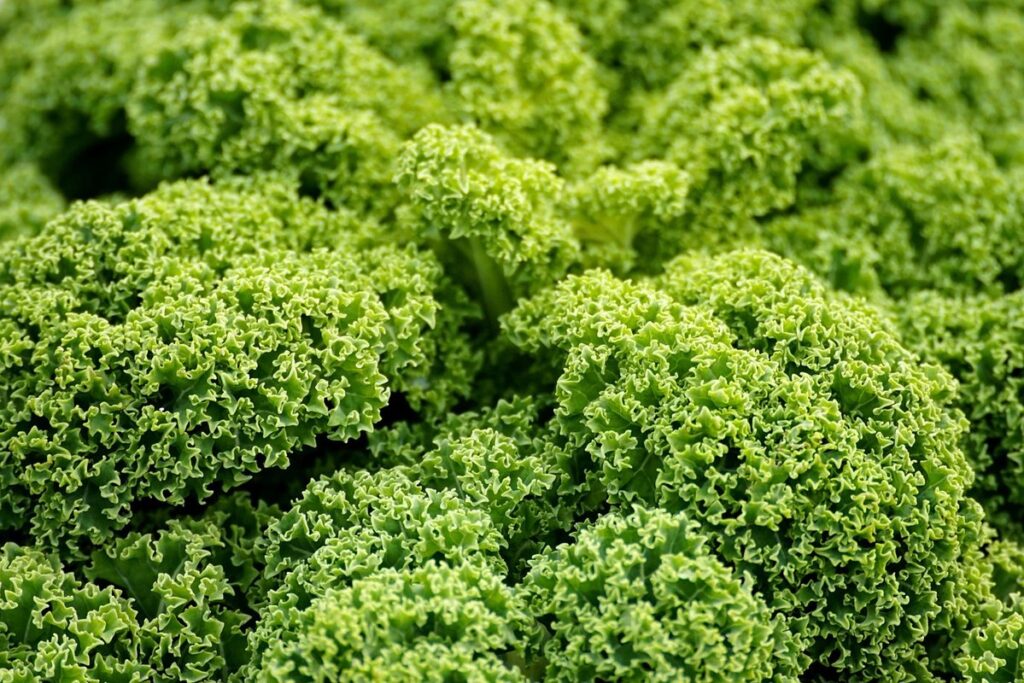
Benefits of Growing Kale in the UK
Growing kale in the UK can be a fantastic decision, offering numerous benefits for gardeners and health enthusiasts alike. Let’s dive into some of these advantages that make kale cultivation worthwhile.
Climate and Soil Requirements
Kale is an incredibly adaptable crop that thrives in the UK’s temperate maritime climate. It requires minimal maintenance and can grow well in a range of soil types, making it an ideal choice for British gardeners.
When selecting a kale variety, consider its tolerance to temperature fluctuations. Some varieties, such as ‘Red Russian’ and ‘Lacinato’, are more resistant to extreme cold snaps, while others, like ‘Curly-leafed’ and ‘Siberian’, prefer warmer temperatures. Be mindful of your local frost dates when choosing a variety, as some kale types can be sensitive to prolonged exposure to frost.
In terms of soil conditions, kale prefers well-draining, fertile soil with a pH between 6.0 and 7.0. While it can tolerate a range of soil types, it performs best in loamy soils rich in organic matter. Consider your garden’s specific soil type and adjust accordingly – for example, adding compost or manure to improve drainage and fertility if necessary.
Choose a variety that suits your UK climate and local conditions to ensure optimal growth and performance.
Popular Types of Kale for the UK
When it comes to choosing kale seeds for your garden in the UK, you’ll find that different varieties suit our climate and market demands better than others. Among the most popular types of kale suitable for the UK market are ‘Lacinato’, ‘Curly’, and ‘Russian Red’.
‘Lacinato’ kale is a firm favourite among chefs due to its deep, rich flavour and compact growth habit. This Italian variety is ideal for smaller spaces and can be harvested in as little as 50 days. Its dark green leaves have a slightly crinkled texture and are perfect for adding a burst of kale goodness to salads.
In contrast, ‘Curly’ kale boasts a more delicate appearance with loose, curly leaves that add a pop of colour to any dish. This variety is perfect for those who prefer a milder flavour and can be harvested in around 60 days. Its tender leaves make it an excellent choice for adding to smoothies or juicing.
Lastly, ‘Russian Red’ kale offers a unique twist with its vibrant red-tinged leaves that add a splash of colour to any garden bed. This variety is known for its hardiness and can tolerate cooler temperatures, making it perfect for UK gardens.
Why Choose Heirloom or Organic Seeds
When it comes to choosing kale seeds for your UK garden, you may be wondering why heirloom or organic options are worth considering. One of the primary benefits is the unique flavor profiles they offer. Heirloom varieties have been developed over centuries and possess distinct characteristics that set them apart from mass-produced hybrid seeds.
For instance, ‘Lacinato’ is a popular Italian kale variety with a sweet and nutty taste, while ‘Russian Red’ boasts a more robust, earthy flavor. By choosing heirloom or organic seeds, you’ll be able to experience these varied flavors firsthand.
Another advantage of opting for heirloom or organic seeds is the reduced pesticide use associated with their production. Since they’re often grown using natural methods and free from synthetic chemicals, your kale will absorb fewer residues, resulting in a healthier crop.
If you’re looking to get started with heirloom or organic kale, we recommend exploring seed banks like the Real Seed Company or High Mowing Seeds for high-quality options specifically tailored for UK climates.
How to Select the Best Kale Seed Suppliers in the UK
When selecting a reliable kale seed supplier, there are several factors to consider, including quality, pricing, and customer service. To ensure you find the best fit for your needs, let’s take a closer look at what matters most.
Factors to Consider When Choosing a Supplier
When selecting a reputable supplier of kale seeds in the UK, there are several key factors to consider. Firstly, you’ll want to look into their quality control measures to ensure that the seeds they provide meet your standards. Check if they have a robust testing and certification process in place, and if they adhere to industry standards for seed quality.
Another crucial factor is customer reviews and ratings from other growers who have purchased from them before. Look for suppliers with a high rating on review platforms like Trustpilot or Google Reviews. You can also check their social media profiles or website testimonials to get an idea of their reputation and level of service.
Shipping times are also essential, especially if you’re planning to start your kale crop as soon as possible. Choose a supplier that offers fast and reliable shipping, with clear tracking information provided so you can monitor the progress of your seeds. Some suppliers even offer expedited shipping options for an additional fee, which may be worth considering depending on your needs.
It’s also worth checking if the supplier is based in the UK, as this can often lead to faster delivery times and more efficient communication. Consider factors like packaging, labeling, and documentation to ensure that you receive your seeds in good condition.
Reputable Online Retailers for Kale Seeds UK
When it comes to sourcing high-quality kale seeds for your UK garden, online retailers offer a convenient and often more affordable option than traditional seed suppliers. Here are some reputable online retailers that specialize in selling kale seeds suitable for the UK climate:
• Mr. Fothergill’s: A well-established online retailer with over 100 years of experience, offering a wide range of kale varieties, including ‘Lacinato’, ‘Red Russian’, and ‘Curly’. Their website is user-friendly, and they provide detailed growing instructions and product descriptions.
• Beechams Seeds: This UK-based company has been around since the early 1900s and offers a variety of kale seeds, including heirloom and hybrid varieties. They also provide a comprehensive guide to growing kale on their website.
• Chiltern Seeds: Specializing in organic and non-GMO seeds, Chiltern Seeds is a great option for those looking for sustainable options. Their website features detailed product information and growing guides.
Before making a purchase from any online retailer, be sure to check the seed quality, germination rates, and customer reviews. By doing your research and selecting reputable retailers, you can ensure that your kale seeds will thrive in your UK garden.
Tips for Buying Seeds from Local Nurseries or Garden Centres
When it comes to buying kale seeds from local nurseries or garden centres, it’s essential to find reliable suppliers that can provide high-quality seeds. One way to do this is by attending gardening events and forums in your area.
Attending local gardening events, such as plant fairs or garden shows, can be a great way to connect with local seed suppliers. These events often feature vendors selling heirloom varieties, unique blends, and rare strains that you may not find elsewhere. Make sure to ask questions about the seeds’ origin, quality, and suitability for your region’s climate.
Joining online forums dedicated to gardening in the UK can also be a valuable resource. These communities often have members who are passionate about sharing their knowledge and experiences with others. You can ask for recommendations on local seed suppliers, learn about new varieties, and gain insights from experienced gardeners.
When sourcing seeds from local nurseries or garden centres, don’t forget to inspect the seeds themselves before making a purchase. Look for seeds that are fresh, clean, and free of debris. By taking these steps, you can increase your chances of finding high-quality kale seeds from reliable local suppliers.
Sowing and Caring for Kale in the UK
To grow delicious kale at home, you’ll want to learn how to sow it correctly and care for it throughout its growing season. We’ll guide you through both these essential tasks next.
Best Time to Sow Kale Seeds in the UK
When it comes to sowing kale seeds in the UK, timing is crucial. The best time to sow depends on the region you’re in, as weather patterns and frost dates vary across the country.
In general, it’s best to sow kale seeds in late spring or early summer, when the risk of frost has passed. For most parts of the UK, this means sowing in May or June. However, if you live in a colder region such as Scotland or Northern Ireland, you may want to wait until June or even July.
In contrast, regions with milder winters like the south coast of England can sow kale seeds as early as April. It’s essential to check the average last frost date for your area before sowing, as premature exposure to cold temperatures can damage seedlings.
To give you a better idea, here are some approximate sowing dates for different parts of the UK:
* Scotland and Northern Ireland: May 15th – June 1st
* North England: April 20th – May 10th
* South England: March 25th – April 15th
Keep in mind that these dates are only a guide, and you should always check the local weather forecast before sowing.
How to Prepare Soil for Kale Seedlings
When preparing soil for kale seedlings, it’s essential to get it right to ensure successful germination and healthy growth. First, check the pH level of your soil, as kale prefers a slightly acidic to neutral soil pH, ranging from 6.0 to 7.0. If your soil is too alkaline or acidic, amend it with lime or sulfur accordingly.
Next, consider fertilizing your soil before planting kale seeds. A balanced fertilizer (10-10-10 NPK) will provide the necessary nutrients for seedlings to grow strong and healthy. However, avoid over-fertilizing, as this can lead to weak growth and increased susceptibility to pests and diseases.
Mulching is also crucial in retaining moisture, suppressing weeds, and regulating soil temperature. Use a 5-7 cm layer of organic mulch like wood chips or straw around the plants. This will help create an optimal environment for seedlings to germinate and grow. Regularly check the pH level and adjust it if necessary to ensure your kale crop thrives.
For optimal results, combine these steps with high-quality kale seeds specifically bred for the UK climate, such as ‘Lacinato’ or ‘Curly-Leaf’.
Managing Pests and Diseases in Kale Crops
Kale crops are susceptible to various pests and diseases that can significantly impact their growth and yield. In the UK, some common issues affecting kale plants include aphids, slugs, and powdery mildew.
To prevent infestations, use physical barriers such as fine-mesh row covers or copper tape around plant stems to deter slugs and snails. Regularly inspect your crop for signs of pests or diseases, and remove any affected leaves to prevent the problem from spreading. For organic treatments, consider using neem oil or garlic spray to control aphid populations.
Powdery mildew can be treated with a mixture of baking soda and water, applied directly to the affected areas. Crop rotation is also essential in managing pests and diseases, as it breaks the disease cycle and reduces the risk of infestation. For example, growing kale after brassicas or potatoes can help reduce the risk of clubroot and black leg.
Some popular organic pest control methods for kale include using beneficial insects like ladybugs to control aphid populations. Regularly monitoring your crop and taking prompt action can prevent damage and ensure a healthy yield.
Harvesting and Storing Kale Seeds
To successfully grow kale, you’ll need to know how to harvest and store your seeds properly to ensure a strong crop for next season. This is where harvesting and storing kale seeds comes in.
When to Harvest Kale for Seed
When kale is mature enough for harvesting seeds, it’s essential to identify the key signs of readiness. As a UK gardener, you’ll want to ensure that your kale plants have reached their full potential before allowing them to produce seeds. To determine if your kale is ready for seed harvest, look for these telltale signs:
* The flowers on the kale plant will start to turn from green to yellow or purple, depending on the variety.
* The buds on the inflorescence (the flower cluster) will begin to swell and develop into seeds.
* The stems of the kale plant will become woody and less succulent as the plant directs its energy towards seed production.
Timing is crucial when it comes to harvesting kale for seed. Typically, this process occurs in late summer or early autumn, around 3-4 months after sowing. By allowing your kale plants to mature fully, you’ll ensure that the seeds are viable and will produce healthy, vigorous plants next season. Be sure to harvest the seeds before they disperse on the wind, as this can result in reduced germination rates.
Drying and Storing Kale Seeds
Drying and storing kale seeds properly is crucial to ensure their viability for future use. When harvesting your kale seeds, it’s essential to dry them quickly to prevent moisture from accumulating, which can lead to mold and fungal growth. You can air-dry the seeds by spreading them out in a single layer on paper towels or newspaper. Alternatively, you can use a food dehydrator set at a low temperature (around 40°C) for 2-3 hours.
Once dry, store the kale seeds in a cool, dark place to prevent moisture and light from affecting their quality. A glass jar with an airtight lid is ideal for storing seeds. You can also use paper envelopes or seed storage containers specifically designed for this purpose. To maintain cleanliness, handle the seeds gently and store them in small quantities to avoid overcrowding.
It’s also vital to keep your stored kale seeds away from direct sunlight, as UV rays can damage the seeds’ genetic material. Consider storing them in a cupboard or drawer with minimal light exposure. Regularly check on your stored seeds to ensure they remain dry and pest-free, making sure you have healthy seeds available for replanting next season.
Common Challenges Faced by UK Growers
Growing kale in the UK can be a challenge, and knowing what to expect will help you prepare for common issues that may arise during your harvest. Let’s look at some of these challenges together.
Overcoming Weather-Related Issues
As a UK grower, you’re likely no stranger to unpredictable weather conditions that can affect kale growth. One of the most common challenges facing kale growers in the UK is frost damage. Kale is typically a cool-season crop, but prolonged periods of frost can still cause significant damage to the leaves and stems.
To mitigate this risk, consider choosing kale varieties with natural resistance to cold temperatures, such as ‘Lacinato’ or ‘Dwarf Blue Curled’. These varieties tend to be more resilient in the face of light frosts. However, if severe frosts are forecasted, it’s essential to take protective measures, such as covering your crop with a breathable row cover or bringing plants under protection.
In contrast, kale can also suffer from drought stress during hot and dry spells. To combat this, ensure your soil has good water-holding capacity by incorporating organic matter like compost. Water your crop deeply but infrequently to encourage deep root growth, making it more resilient to drought conditions.
Managing Soil-Borne Diseases
Soil-borne diseases can be a significant threat to kale crops in the UK, particularly if left unmanaged. One effective way to prevent these issues is through crop rotation. By changing the type of crop grown on a particular plot of land, you can reduce the risk of disease buildup and promote soil health. For example, if you’re growing kale in a field that was previously used for lettuce, consider swapping it with a crop like broccoli or cauliflower for the next season.
Another crucial step is to conduct regular soil testing. This will help identify any underlying issues that may be contributing to disease development, such as nutrient deficiencies or high levels of pathogens. Based on your test results, you can adjust your fertilization and pest management strategies accordingly. For instance, if your tests reveal low nitrogen levels, you’ll know to add an appropriate fertilizer to support healthy plant growth.
By incorporating these practices into your growing routine, you can significantly minimize the risk of soil-borne diseases affecting your kale crops in the UK.
Conclusion
In conclusion, selecting the best kale seeds for your UK garden can be a daunting task. However, by considering factors such as climate adaptability, disease resistance, and yield potential, you’ll be well on your way to growing healthy and delicious kale. Remember to also think about the specific needs of your garden, including space constraints and desired harvest time. For example, if you’re short on space, look for compact or dwarf varieties that can thrive in containers.
Ultimately, the best kale seeds will depend on your individual circumstances and preferences. By doing some research, reading reviews, and asking for advice from experienced growers, you’ll be able to find the perfect kale seeds for your UK garden.
Frequently Asked Questions
Can I start growing kale immediately, or do I need to acclimate the seeds first?
While it’s tempting to get started right away, it’s recommended to acclimate your kale seeds to the UK climate by allowing them to adjust to outdoor conditions for a few days before sowing. This process helps prevent shock and promotes healthier growth.
How can I ensure my kale crop is protected from extreme weather conditions in the UK?
When choosing a kale variety, opt for ones that are specifically bred for resilience against UK weather patterns. Additionally, consider providing physical protection like row covers or cloches to shield your plants from harsh winds, frost, and excessive rainfall.
What are some common mistakes beginners make when selecting kale seeds for the UK climate?
One common mistake is not considering the specific temperature tolerance of each variety. Be sure to choose varieties that suit your region’s temperature fluctuations, as this will significantly impact their growth and productivity.
How do I maintain soil health while growing kale in the UK?
To promote optimal growth, it’s essential to maintain a balanced soil pH (around 6-7) and incorporate organic matter like compost or well-rotted manure into your soil. This will ensure your kale plants receive the necessary nutrients for healthy development.
Can I reuse my kale seeds from last year’s harvest?
Kale seeds typically retain their viability for several years, but it’s best to use fresh seeds to ensure maximum germination rates and optimal growth. If you’re looking to save money or reduce waste, consider saving your seeds in a cool, dry place for future use.