
If you’re an avid gardener or herbal enthusiast, you might be familiar with the more popular members of the mint family. However, today we’re going to explore one of its lesser-known cousins: herb mint mountain (Nepeta govaniana). This unique plant has a lot to offer, from its medicinal properties and aromatic oils to its low-maintenance growing requirements.
In this article, we’ll delve into the characteristics that make herb mint mountain stand out. You’ll learn about its benefits, how to grow it successfully, and what makes it an attractive addition to any garden or herbal collection. Whether you’re looking to add some variety to your green thumb repertoire or simply seeking a new plant to explore, this article will give you the inside scoop on everything herb mint mountain has to offer. So let’s get started!
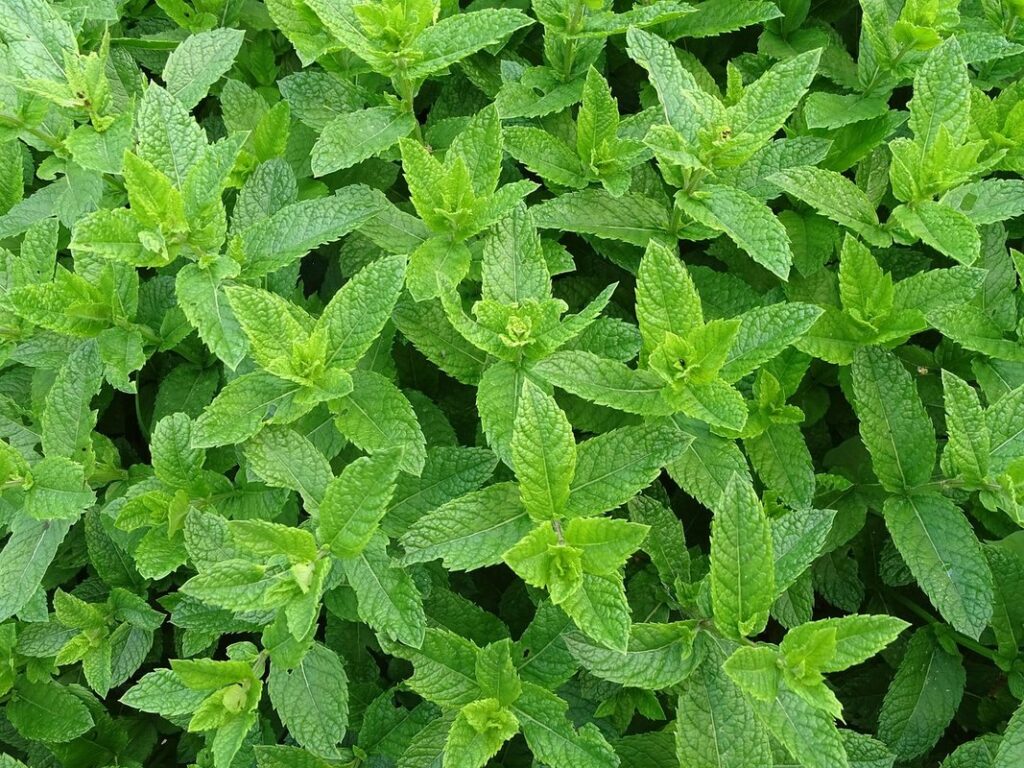
What is Herb Mint Mountain?
Herb Mint Mountain is a type of succulent that has gained popularity for its unique, rounded shape and fuzzy leaves. In this section, we’ll dive into what makes it special.
Definition and Background
Herb mint mountain, also known as Nepeta govaniana, is a member of the mint family (Lamiaceae) that has gained attention for its unique characteristics and versatility. Native to the mountains of Central Asia, this plant thrives in high-altitude regions with well-drained soil and full sun.
One notable feature of herb mint mountain is its ability to grow into a compact shrub or sprawling groundcover, making it an attractive option for gardeners seeking a low-maintenance addition to their landscape. Its slender stems can reach up to 2 feet in height, adorned with delicate blue flowers that attract pollinators and add visual interest.
The plant’s fragrance is reminiscent of mint, although not as pungent. This subtle scent makes it an ideal choice for culinary use, including teas, sauces, and marinades. Its leaves also possess a slightly bitter taste, which pairs well in salads and other savory dishes.
Characteristics and Identification
Identifying Herb Mint Mountain can be a bit challenging due to its similarities with other mint species. However, upon closer inspection, you’ll notice that it boasts a unique combination of physical characteristics. One of the most distinctive features is its compact growth habit, which reaches approximately 1-2 feet in height and width. The leaves are elongated, measuring around 3-4 inches long, and have a silvery-green hue with purple undertones. In contrast to other mints, Herb Mint Mountain has relatively small leaves that lack the distinctive minty aroma.
When trying to distinguish it from Peppermint or Spearmint, pay attention to its leaf shape and size. Herb Mint Mountain’s leaves are more oval-shaped and less toothed than those of other mints. Its stems also tend to be more rigid and woody compared to others in the family. Furthermore, observe the plant’s flowering patterns – Herb Mint Mountain typically blooms in mid-to-late summer with small white or pale purple flowers that grow in clusters along its stem.
Benefits and Uses of Herb Mint Mountain
Herb mint mountain offers a multitude of benefits, from its culinary uses to its potential health advantages, which we’ll explore in more detail below. Let’s dive into how you can harness its value!
Medicinal Properties
Herb mint mountain has been gaining attention for its impressive medicinal properties. One of the most significant benefits is its high antioxidant content. Antioxidants help protect cells from damage caused by free radicals, which can contribute to various diseases like cancer and heart disease. Herb mint mountain’s antioxidants have been shown to have a potent effect on neutralizing free radicals, making it an excellent addition to a healthy diet.
Its anti-inflammatory properties are another notable benefit of herb mint mountain. Inflammation is a major contributor to many chronic diseases, including arthritis, diabetes, and even cognitive decline. The plant’s natural compounds have been found to inhibit pro-inflammatory enzymes, reducing inflammation in the body. This makes it an effective remedy for conditions like joint pain and digestive issues.
Additionally, herb mint mountain exhibits antimicrobial properties, which can help combat infections caused by bacteria, viruses, and fungi. Its essential oils have been shown to exhibit a strong effect against various pathogens, including E. coli and Staphylococcus aureus. This makes it an excellent natural remedy for wounds, skin issues, and even respiratory problems.
Culinary and Aromatic Uses
When it comes to culinary and aromatic uses of Herb Mint Mountain, the possibilities are endless. This versatile plant can add a unique twist to various dishes, from savory to sweet, and even refresh our senses with its invigorating aroma.
In cooking, Herb Mint Mountain pairs exceptionally well with Mediterranean-inspired cuisine, particularly in salads, marinades, and sauces. Its pungent flavor complements rich flavors like lamb, beef, and vegetables. For a refreshing twist on traditional tabbouleh, try substituting the usual parsley with Herb Mint Mountain leaves. The result is a revitalizing salad that’s perfect for summer gatherings.
Beyond cooking, Herb Mint Mountain makes an excellent addition to herbal teas. Its cooling properties help soothe digestive issues and reduce stress. Steep 1-2 teaspoons of dried leaves in hot water for 5-7 minutes, then sweeten with honey for a calming evening tea. As an ingredient for aromatherapy products, Herb Mint Mountain’s fragrance can be used to create uplifting sprays or diffusers that promote clarity and focus. Simply combine the essential oil with other botanicals like eucalyptus or rosemary for a potent blend.
Growing and Cultivating Herb Mint Mountain
Now that you have a solid understanding of what herb mint mountain is, let’s dive into growing and cultivating it successfully at home. We’ll cover essential tips for optimal growth.
Climate and Soil Requirements
Growing herb mint mountain requires careful consideration of its climate and soil requirements. Native to the mountainous regions of Asia, this plant thrives in cooler temperatures and well-draining soils. Ideally, it prefers a USDA Hardiness Zone between 4-7, with average temperatures ranging from 40°F to 70°F (4°C to 21°C).
When it comes to soil, herb mint mountain is adaptable but performs best in slightly acidic to neutral pH levels (5.5-7.0). It requires well-draining soils to prevent waterlogged conditions that can lead to root rot. To replicate this condition, mix compost or perlite into the soil to improve drainage and aeration.
In areas with high humidity, provide good air circulation around the plant to prevent fungal diseases. Be cautious not to overwater, as herb mint mountain is susceptible to root rot in waterlogged conditions. Monitor your plant’s response to its environment and adjust accordingly. By understanding these specific climate and soil needs, you’ll be better equipped to create an ideal growing condition for this unique and versatile plant.
Propagation and Maintenance
To propagate Herb Mint Mountain, you can either use stem cuttings, division, or seed propagation. Stem cuttings are a popular method as they produce roots quickly and require minimal equipment. Take 3-4 inch long stem sections with at least two sets of leaves, remove lower leaves to prevent rotting, and plant them in a well-draining potting mix. Keep the soil consistently moist but not waterlogged until roots develop.
For division, wait until the plant has outgrown its container or starts showing signs of decline. Gently dig up the entire root system, separate the sections using a sharp knife or pruning tool, and replant them immediately in fresh potting mix. Water thoroughly and provide adequate light to encourage establishment.
When planting Herb Mint Mountain indoors, choose containers with good drainage and at least 6-8 hours of direct sunlight daily. Outdoors, select areas with full sun to partial shade, depending on your region’s climate. Keep the soil consistently moist during the first few weeks after planting, then gradually reduce watering as the plant establishes itself. Regular pruning will help maintain shape and encourage new growth.
Keep in mind that Herb Mint Mountain can be invasive due to its aggressive spreading nature. To control its growth, regularly trim back long stems and remove any seed heads before they develop. This will also promote bushy growth and prevent the plant from becoming too leggy.
History and Cultural Significance of Herb Mint Mountain
Herb Mint Mountain has been prized for its unique flavor and fragrance across various cultures, with a rich history that spans centuries. Let’s delve into its fascinating past and significance.
Traditional Medicine and Folklore
In various cultures around the world, Herb Mint Mountain has been valued for its medicinal and spiritual properties. For instance, in traditional Chinese medicine, it’s used to treat digestive issues and alleviate stress. Similarly, in Ayurvedic practice, it’s believed to possess anti-inflammatory qualities and is often incorporated into herbal remedies.
In folkloric traditions, Herb Mint Mountain has also been associated with spiritual cleansing and purification rituals. In some African cultures, for example, the leaves are believed to have protective powers against evil spirits. To harness its benefits, simply add a few sprigs of fresh Herb Mint Mountain to your bath water or infuse it in a potpourri blend.
In Eastern European folklore, Herb Mint Mountain is said to possess magical properties that ward off nightmares and bring good fortune. In some cases, people would carry a small pouch containing dried leaves as an amulet for protection.
When exploring the traditional use of Herb Mint Mountain, keep in mind that its potency can vary depending on factors like soil quality, climate, and harvesting techniques. To maximize its effectiveness, choose high-quality products or grow your own using sustainable practices.
Modern Applications and Research
Research has continued to uncover the remarkable medicinal properties of Herb Mint Mountain, with modern applications spanning from traditional medicine to cutting-edge pharmaceuticals. Studies have isolated specific compounds within the plant that exhibit potent anti-inflammatory and antioxidant activities, leading researchers to explore its potential in treating conditions such as arthritis and cancer.
One notable area of research involves the use of Herb Mint Mountain extracts as natural antimicrobial agents, effective against a range of bacteria and fungi. This has sparked interest in developing novel antibiotics and antifungals, offering new hope for combating antibiotic-resistant superbugs.
Furthermore, recent studies have investigated the plant’s potential as a neuroprotective agent, suggesting its possible role in preventing or treating neurological disorders such as Alzheimer’s disease. While more research is needed to fully realize these benefits, Herb Mint Mountain’s unique chemical profile has garnered significant attention from scientists and healthcare professionals worldwide.
As an avid gardener or herbalist, consider incorporating Herb Mint Mountain into your medicinal repertoire – but do so responsibly, following proper extraction and preparation methods to ensure safety and efficacy.
Growing Challenges and Pests/Diseases
As you cultivate your herb mint mountain, it’s essential to be aware of the common challenges that can arise from pests and diseases, which can quickly spread if not caught early. Learn how to identify and address these issues in this section.
Common Issues with Herb Mint Mountain
One of the most significant challenges you may face when growing herb mint mountain is its susceptibility to pests and diseases. Root rot is a common issue caused by overwatering, which can be devastating if left unchecked. To prevent this, ensure that your plant has excellent drainage and reduce watering during the winter months.
Another potential problem is spider mites, tiny insects that feed on plant sap and cause yellowing leaves. Regularly inspect your plants for these pests and treat them promptly with neem oil or insecticidal soap.
Powdery mildew can also affect herb mint mountain, particularly in humid environments. Use a fungicide specifically designed to combat powdery mildew and maintain good air circulation around the plant.
It’s worth noting that herb mint mountain is more resistant to common pests like aphids and whiteflies compared to other mint varieties. However, this doesn’t mean you can let your guard down completely – regular monitoring and maintenance are still essential for a healthy harvest.
Prevention and Control Methods
To prevent and control pests and diseases on your Herb Mint Mountain plant, it’s essential to adopt an integrated pest management (IPM) approach. This involves using a combination of techniques that minimize harm to the environment and promote a healthy balance between your plant and its ecosystem.
Start by ensuring good air circulation around your plant to prevent fungal diseases from taking hold. Water your Herb Mint Mountain at the base rather than on the leaves, as excess moisture can lead to root rot and other issues. Regularly inspect your plant for signs of pests like aphids, whiteflies, and spider mites, and treat them promptly with neem oil or insecticidal soap.
For more severe infestations, consider introducing beneficial insects like ladybugs or lacewings that prey on these pests. Keep your soil pH balanced and maintain a consistent moisture level to prevent nutrient deficiencies that can make your plant more susceptible to disease. By adopting these prevention methods, you’ll be well-equipped to control any challenges that may arise and enjoy a thriving Herb Mint Mountain plant.
Conclusion: Nurturing Your Herb Mint Mountain Plant
Now that you’ve learned how to care for and troubleshoot your herb mint mountain, it’s time to focus on giving it the TLC it needs to thrive in the long term. With these final tips, you’ll be well on your way to a lush and healthy plant.
Tips for Success
As you’ve made it through this comprehensive guide on growing Herb Mint Mountain, it’s time to put your newfound knowledge into practice. By now, you should have a solid understanding of the unique characteristics and requirements of this fascinating plant.
To recap, we discussed how to identify Herb Mint Mountain, its growth habits, and the ideal conditions for cultivation. You’ve learned about the importance of proper soil preparation, pruning techniques, and pest management strategies to ensure your plants thrive. Additionally, you’ve discovered the benefits of using Herb Mint Mountain in cooking and its potential uses in herbal medicine.
Now, as you embark on growing your own Herb Mint Mountain, here are some final tips for success:
* Regular watering is key: Keep the soil consistently moist but not waterlogged to prevent root rot.
* Provide adequate light: While Herb Mint Mountain can tolerate shade, it will produce more flavorful leaves and thrive in partial sun to full sun conditions.
* Monitor temperature fluctuations: Avoid exposing your plants to extreme temperatures, which can shock or damage them.
* Fertilize regularly: Feed your plants with a balanced fertilizer during the growing season (spring-fall) for optimal growth and flavor.
By following these tips and maintaining regular care, you’ll be well on your way to nurturing healthy, robust Herb Mint Mountain plants. Remember, consistency is key when it comes to growing this unique plant. Be patient, observe its needs, and adjust your care routine accordingly. With time and practice, you’ll develop a deep understanding of what works best for your Herb Mint Mountain plants, allowing you to harvest fresh, fragrant leaves all season long.
Frequently Asked Questions
Can I grow Herb Mint Mountain indoors, or is it strictly a outdoor plant?
Herb mint mountain can thrive indoors if provided with the right conditions. It prefers well-drained soil and full sun to partial shade. If you’re planning to grow it indoors, make sure your pot has good drainage holes and place it in a sunny spot near a window. Keep in mind that this plant is originally from high-altitude regions, so it may require more water during the dry winter months.
How do I propagate Herb Mint Mountain, and what are some common propagation methods?
Herb mint mountain can be propagated through stem cuttings, division, or seed. Stem cuttings are a popular method, as they allow for rapid multiplication of the plant. Cut healthy stems from the mother plant, remove lower leaves, and plant them in well-drained soil. Keep the soil consistently moist until roots develop.
Can I use Herb Mint Mountain interchangeably with other mint varieties, or do I need to adjust recipes?
While herb mint mountain shares some similarities with other mint varieties, its unique flavor profile and aroma may require adjustments in cooking and culinary applications. Start by using it as a substitute in small quantities and taste as you go, adjusting the amount according to your preference.
How long does Herb Mint Mountain take to mature, and what are the signs of healthy growth?
Herb mint mountain typically takes 6-12 months to reach its full potential. Signs of healthy growth include new leaf production, a robust root system, and an increase in plant height. Monitor your plant’s water needs carefully during this period, as overwatering can be detrimental.
Can Herb Mint Mountain be used for medicinal purposes, or are there any specific guidelines I should follow?
While herb mint mountain has been traditionally used for its medicinal properties, consult with a healthcare professional before using it for therapeutic purposes. Some potential health benefits include digestive relief and stress reduction; however, proper dosing and preparation are essential to ensure safe consumption.