
Are you ready to grow your own nutrient-packed superfood? Golden peas are a unique and nutritious legume that’s easy to cultivate, but requires some special attention. Not only do they add a burst of color and flavor to any dish, but they’re also rich in protein, fiber, and vitamins. If you’re new to growing golden peas or just looking for tips to take your crop to the next level, this article is for you. We’ll cover everything from selecting the right seeds and conditions to harvesting and storing these delicious legumes. You’ll learn expert advice on seed selection, watering, fertilization, pest control, and more – giving you the confidence to grow a bountiful crop of golden peas in your own backyard or indoor space. Get ready to unlock the secrets of growing these incredible plants!
Introduction to Golden Peas
Let’s start by covering the basics of golden peas, including its unique characteristics and growth habits that set it apart from other types of legumes. This will give you a solid foundation for understanding the plant.
Brief History of Golden Peas
Golden peas have been a prized variety among gardeners for centuries, and their rich history is a fascinating tale of adaptation and selection. These legumes are believed to have originated from the common pea (Pisum sativum), which was first cultivated over 10,000 years ago in the Middle East. The earliest recorded evidence of pea cultivation dates back to ancient civilizations in Egypt, where they were considered a staple crop.
As agriculture spread throughout Europe and Asia, peas underwent selective breeding, leading to the development of various strains with desirable traits such as larger pods, sweeter flavor, and improved yields. Golden peas specifically emerged from this process, prized for their vibrant yellow color and succulent texture. Today, they remain a popular choice among gardeners due to their ease of growth, adaptability, and nutritional value.
In fact, golden peas are one of the most widely grown varieties globally, enjoyed not only for their culinary appeal but also for their potential in improving soil health through nitrogen fixation.
Benefits of Growing Golden Peas
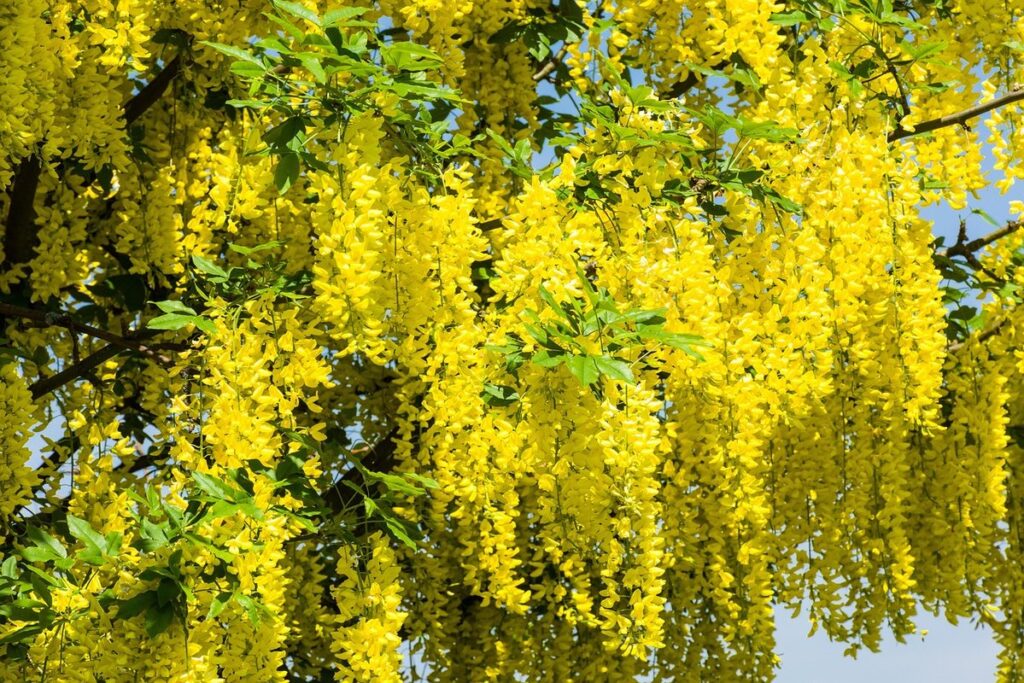
Growing golden peas offers numerous benefits that make them an attractive addition to any garden. One of the most notable advantages is their unique appearance. The delicate yellow flowers with distinctive red markings create a striking contrast against green foliage, adding visual interest to your garden. This makes them an excellent choice for cut flower arrangements or as a decorative accent in indoor pots.
Beyond their aesthetic appeal, golden peas are relatively easy to cultivate. They require minimal maintenance and can thrive in a variety of conditions, making them perfect for beginners or those with limited gardening experience. With proper care, they can produce an abundance of flowers throughout the growing season.
Golden peas also hold potential health benefits, as they belong to the legume family and contain protein-rich seeds. While not typically consumed as a primary source of nutrition, they can be used as a nutritious supplement in salads or as a garnish for other dishes.
Choosing the Right Conditions for Golden Peas
When it comes to growing golden peas, selecting the right conditions is crucial to ensure optimal growth and health. Let’s explore how to choose the ideal environment for your plants.
Understanding the Climate Requirements
Golden peas require specific climate conditions to thrive. To grow these beautiful plants successfully, you need to provide them with the right amount of temperature, humidity, and sunlight. The ideal temperature range for golden peas is between 65°F (18°C) and 75°F (24°C). If your region experiences frequent temperature fluctuations, it’s crucial to choose a location that provides stable conditions.
When assessing your local climate, consider the average temperature, humidity levels, and sunlight exposure throughout the year. Golden peas prefer high humidity, typically above 60%, but they can adapt to moderate humidity as well. Sunlight is essential for photosynthesis; ensure your plants receive direct sunlight for at least six hours a day.
To adjust planting times according to your climate, research the last frost date in your area and plant golden peas after this period. For cooler climates, start seeds indoors 4-6 weeks before the last frost date, then transplant them outside when the weather warms up. In warmer regions, direct sowing can be done in late spring or early summer.
Soil Preparation and pH Levels
When it comes to growing golden peas, the right soil conditions are crucial for optimal growth and productivity. One of the most important factors is ensuring that the soil drains well and has the right pH levels.
Golden peas prefer a slightly acidic to neutral soil pH, ranging from 6.0 to 7.0. If your soil falls outside this range, it can lead to nutrient deficiencies, stunted growth, or even death of the plant. To test your soil’s pH level, you can purchase a DIY kit or send a sample to a laboratory for analysis.
If your soil is too alkaline (above 7.0) or acidic (below 6.0), it may need amending before planting. You can add elemental sulfur to lower the pH or lime to raise it. However, be cautious not to over-correct, as this can damage the existing microorganisms in the soil.
To ensure well-draining soil, incorporate organic matter like compost or manure into your soil mix. This will improve its structure and help excess water drain away from the roots of your golden peas. By getting your soil conditions just right, you’ll be giving your golden peas the best chance to thrive and produce an abundance of delicious pods.
Planting and Sowing Golden Peas
To successfully grow a bounty of golden peas, you’ll need to understand the best practices for planting and sowing these delicate legumes in your garden. In this section, we’ll cover all the essential steps.
Seed Selection and Germination Rates
When it comes to sowing golden peas, the type of seed you choose can significantly impact the success of your crop. You’ll typically come across three types: heirloom, hybrid, and GMO seeds.
Heirloom seeds are open-pollinated varieties that have been saved and passed down through generations. They offer several advantages, including adaptability to local climate conditions, flavor variety, and ease of saving seeds for future use. However, they may not be as disease-resistant or high-yielding as hybrid or GMO seeds.
Hybrid seeds, on the other hand, are bred specifically for their desirable traits such as disease resistance, higher yields, and improved growth habits. They often outperform heirloom varieties in these areas but can be more expensive.
GMO (Genetically Modified Organism) seeds have been genetically engineered to possess specific traits that enhance crop performance. While they offer significant advantages like increased pest resistance and drought tolerance, some growers may be hesitant due to concerns about long-term effects on the environment and human health.
To achieve high germination rates, ensure you store your seeds in a cool, dry place away from direct sunlight. It’s also crucial to follow the seed package instructions for the optimal sowing depth, spacing, and temperature requirements.
Sowing Depth and Spacing Guidelines
When sowing golden peas, it’s essential to consider the right depth and spacing for optimal growth. Golden peas are a vining legume that thrives in well-drained soil with good air circulation. To ensure they receive adequate light and nutrients, sow seeds about 1-2 inches deep in the soil.
The ideal spacing between golden pea plants is around 3-6 inches apart. This distance allows for sufficient air circulation to prevent fungal diseases and promotes even growth. If you’re sowing multiple rows, maintain a gap of at least 12-18 inches between them to facilitate easy access for maintenance tasks like weeding and pruning.
When sowing seeds, also consider the climate and soil conditions in your area. In warmer regions, golden peas may require more frequent watering to prevent moisture stress. Conversely, cooler climates might necessitate providing additional support for the plants as they grow.
Caring for Golden Peas Throughout the Growing Season
To ensure your golden peas thrive, it’s essential to understand their unique care requirements throughout the growing season. This involves monitoring temperature fluctuations and providing adequate water and nutrients.
Watering Techniques and Frequency
Golden peas plants thrive when their soil maintains consistent moisture levels. During scorching weather, this becomes especially crucial as temperatures can cause rapid water evaporation. To avoid overwatering, which can lead to root rot and other issues, you should water your golden peas deeply but infrequently.
A good rule of thumb is to water your plants every 2-3 days during hot spells, adjusting the frequency based on soil moisture levels. Check the soil by sticking your finger into it – if the top 1-2 inches feel dry, it’s time for a drink. You can also use a moisture meter to gauge the soil’s hydration level.
Avoid getting water on the leaves or crown of the plant to prevent fungal diseases from taking hold. Instead, focus on watering at the base of the stem, allowing the roots to absorb the moisture. By striking this balance between providing enough water and avoiding excess, you’ll be able to keep your golden peas plants happy and healthy throughout the growing season.
When irrigation is not possible, such as during periods of extended drought or rain, it’s essential to provide supplementary watering.
Fertilization and Pruning Practices
When it comes to fertilizing your golden peas plant, it’s essential to use organic methods that promote healthy growth without harming the environment. Organic fertilizers release nutrients slowly, providing a steady supply of food for your plants as they grow. Some excellent options include fish emulsion, compost tea, and worm castings.
To apply these fertilizers correctly, start by mixing them with water according to the manufacturer’s instructions. For example, if using fish emulsion, dilute it with 1 part fertilizer to 10 parts water. Water your plants thoroughly before applying the fertilizer mixture as a foliar spray or soil drench.
Regular pruning is also crucial for promoting healthy growth and encouraging blooming in golden peas. Remove any weak or damaged stems to prevent disease from spreading, and trim back overgrown sections to maintain a bushy shape. By pruning regularly, you’ll encourage your plant to focus its energy on producing an abundance of flowers and delicious peas.
Common Pests and Diseases Affecting Golden Peas
As a golden peas grower, it’s essential to be aware of the common pests and diseases that can affect your plants, causing damage and reducing yields. This section will help you identify potential issues and take preventative measures.
Identifying Pest Infestations
Identifying pest infestations is crucial for maintaining the health of your golden peas plant. One common pest that can cause significant damage to golden peas is the aphid. These tiny insects feed on sap, causing curled or distorted leaves and stunted growth. To manage aphid infestations, you can use neem oil or insecticidal soap as a contact kill.
Another pest that’s notorious for its slimy trails is the slug and snail. They’re attracted to moisture-rich environments and can wreak havoc on your plants at night. To prevent damage, remove weeds and debris around the plant, and consider using copper tape or crushed eggshells to deter these pests. If an infestation occurs, hand-pick slugs and snails in the morning and release them elsewhere.
To adopt an integrated pest management strategy, observe your plant regularly for signs of pest activity. Use sticky traps or yellow traps to monitor for aphids and other flying insects. Encourage beneficial organisms like ladybugs, lacewings, or parasitic wasps that prey on pests. By combining these methods, you can maintain a balanced ecosystem and keep your golden peas plant thriving.
Recognizing Disease Symptoms
When you notice signs of disease on your golden peas plant, it’s essential to act quickly to prevent further damage. One common issue is powdery mildew, which appears as a white, powdery coating on leaves and stems. This fungal infection thrives in humid environments, so ensure good air circulation around your plants by pruning nearby foliage.
Downy mildew, another prevalent disease, causes yellowing leaves with black spots and a fuzzy growth on the underside. If you suspect downy mildew, remove infected leaves immediately to prevent the fungus from spreading. Fungicides can be used as a last resort, but consider natural remedies like neem oil or copper-based solutions first.
Root rot is another common problem that can be caused by overwatering or poor drainage. Look for soft, mushy stems and yellowing leaves, which indicate roots are struggling to absorb nutrients. To prevent root rot, ensure your pot has good drainage holes and don’t let the soil become waterlogged.
If you notice any of these symptoms, isolate your plant to prevent the disease from spreading to other plants. Use a fungicide specifically designed for the type of disease present, following the instructions carefully. In some cases, simply removing infected areas or adjusting watering habits can help your golden peas plant recover.
Harvesting and Storing Golden Peas
Now that your golden peas have ripened, it’s time to learn how to carefully harvest them to preserve their flavor and nutrients for a longer period. This section covers essential tips on harvesting and storing these delicate pods.
Timing for Optimal Flavor and Texture
When it comes to harvesting golden peas, timing is everything. You’ll want to pick them at just the right moment to ensure optimal flavor and texture. One way to determine if your golden peas are ripe is by checking their color. They should be a vibrant yellow or light green, with no signs of browning or wilting.
But color alone isn’t enough – you also need to check the texture. Ripe golden peas will be firm but tender, with a slight crunch to them. If they’re too hard, they may not be ripe yet. On the other hand, if they’re soft and mushy, they’ve likely over-ripened.
Taste is another important factor to consider. Ripe golden peas should have a sweet, slightly nutty flavor. If they taste starchy or bland, it’s probably time to pick them.
In general, golden peas are ready for harvest about 60 to 70 days after sowing the seeds. However, this can vary depending on weather conditions and specific growing conditions. Be sure to check your plants regularly, as over-ripe pods can lead to poor flavor and texture. With a little practice, you’ll get a sense of when they’re just right – and your taste buds will thank you!
Storage Methods for Preserving Freshness
When it comes to maintaining the freshness of your golden peas harvest, proper storage techniques are crucial. Improperly stored golden peas can quickly lose their flavor and texture, rendering them unusable. To avoid this, you’ll want to explore different storage methods such as refrigeration, freezing, or dehydrating.
Refrigeration is an excellent method for short-term storage of fresh golden peas. Store them in a sealed container or plastic bag and keep them at 32°F (0°C) or below. This will help maintain their crunchiness for up to five days. However, if you plan on storing your golden peas for longer periods, refrigeration might not be the best option.
Freezing is another popular method that allows for long-term storage of golden peas. Blanching them in boiling water for 30 seconds to a minute before freezing helps preserve their texture and flavor. Frozen golden peas can last for up to eight months when stored at -18°C (0°F) or below.
Dehydrating, also known as drying, is a method that removes moisture from the golden peas, effectively preserving them. This method allows you to store your golden peas for an extended period without refrigeration. Simply spread the peas on a paper towel-lined surface and let them air dry in a cool, dry place.
Conclusion and Future Perspectives
As you now have a better understanding of cultivating and caring for your golden peas plant, let’s look to the future and discuss how to take your knowledge to the next level.
Recap of Key Takeaways
In conclusion, cultivating golden peas requires attention to detail and careful consideration of various factors. To recap, here are the key takeaways from our comprehensive guide:
Firstly, choose a suitable location with full sun exposure and well-draining soil for optimal growth. Golden peas prefer slightly acidic soil pH between 6.0 and 7.0.
Ensure adequate water supply by providing about 1-2 inches of moisture each week through either rainfall or irrigation systems. Water deeply but avoid overwatering, as this can lead to root rot.
Temperature plays a significant role in golden pea cultivation; they thrive best when daytime temperatures range between 65°F and 75°F (18°C to 24°C). Provide support for the climbing peas using trellises or stakes.
When harvesting, look out for the pods turning from green to yellow. Snip them off with scissors or pinch off the individual peas to avoid damaging the delicate stem.
By incorporating these essential tips into your cultivation routine, you’ll be well on your way to growing healthy and productive golden pea plants.
Emerging Trends and Research Opportunities
As we conclude our comprehensive guide to cultivating and caring for golden peas plants, it’s exciting to consider the emerging trends and research opportunities that are shaping the future of this fascinating crop. Recent breakthroughs in plant breeding have led to the development of new varieties with enhanced disease resistance and improved yield.
For instance, researchers have made significant strides in using CRISPR gene editing technology to introduce desirable traits into golden peas plants. This includes developing lines with increased tolerance to environmental stresses such as drought and heat. Moreover, scientists are exploring the potential of golden peas as a source of bioactive compounds with medicinal properties.
In traditional medicine, golden peas have been used for centuries to treat various ailments, from digestive issues to skin conditions. As research continues to uncover their active constituents, there’s growing interest in harnessing these benefits through more targeted and effective applications. By staying abreast of these advancements, gardeners and enthusiasts can tap into the full potential of this remarkable plant.
Frequently Asked Questions
Can I grow golden peas indoors or is it strictly an outdoor crop?
Yes, you can grow golden peas indoors, but they require more attention to lighting and temperature conditions. Ensure your indoor space provides at least 6 hours of direct sunlight or uses LED grow lights with a spectrum suitable for legumes.
How do I handle common pests like aphids and whiteflies on my golden pea plants?
Monitor your plants regularly for signs of infestation, and use neem oil or insecticidal soap to control aphid populations. For whiteflies, introduce natural predators like ladybugs or lacewings into your garden. Regularly clean the undersides of leaves and remove any infected areas.
Are there specific techniques for pruning golden peas to promote healthy growth?
Yes, regular pruning is essential for promoting bushy growth and preventing the plant from becoming leggy. Remove any weak or damaged stems, and pinch off flower buds to encourage leaf production. Prune back your golden pea plants by about one-third after they’ve reached 6-8 inches in height.
Can I save seeds from my harvest to replant next season?
Yes, but make sure the seeds are properly dried and stored to maintain their viability. Remove any excess moisture from the seeds, and store them in an airtight container in a cool, dark place. It’s also essential to choose varieties that are suitable for saving seeds.
How do I determine when my golden peas are at peak ripeness and flavor?
Check for a slight softening of the pods and a sweet, earthy aroma. The optimal time for harvest is usually around 70-80 days after sowing, but this can vary depending on your specific climate and conditions. Regularly inspect your plants for signs of overripeness to ensure you pick them at their peak flavor and texture.