
Are you excited to grow your very own pomegranate tree from seed? But before you can enjoy those juicy, flavorful fruits, you need to get one tiny step ahead: germinating those seeds successfully. The time it takes for a pomegranate seed to sprout can be quite unpredictable, and that’s exactly why understanding the factors affecting viability is crucial. In this comprehensive guide, we’ll take you through everything you need to know about pomegranate germination times, including optimal conditions, advanced techniques, and what affects a seed’s chances of growth. Whether you’re a seasoned gardener or just starting out, our expert advice will walk you through the entire process, from seed selection to planting your very own pomegranate tree.
Understanding Pomegranate Seeds and Germination
To successfully grow a pomegranate tree from seed, it’s essential to understand how seeds are formed and what conditions facilitate healthy germination. Let’s dive into the details of pomegranate seeds and germination.
What are pomegranate seeds?
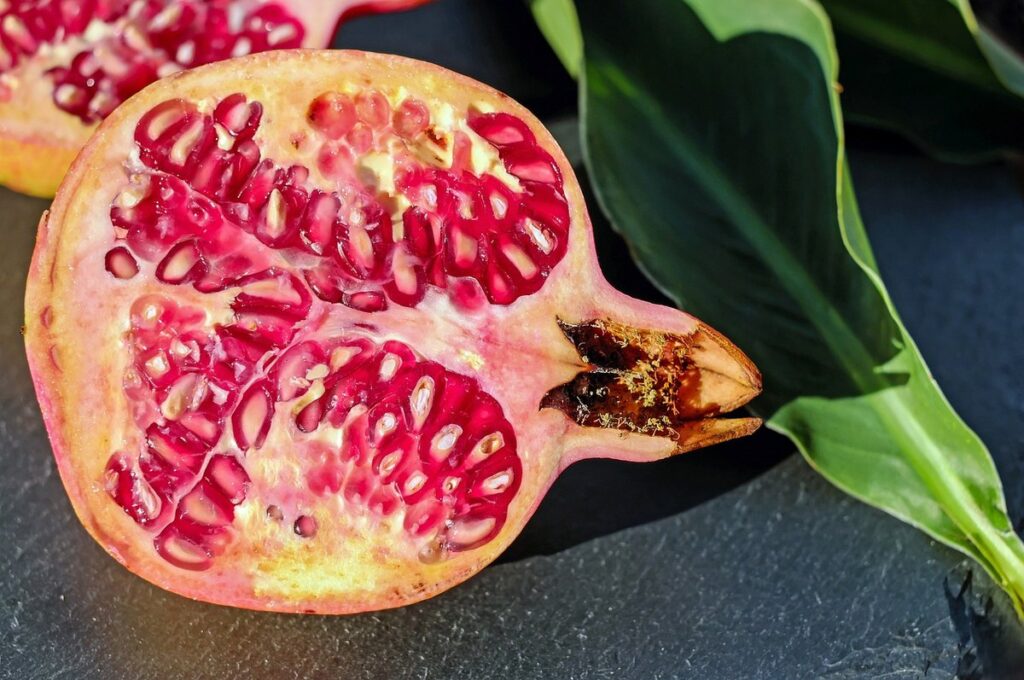
At the heart of every pomegranate tree lies a tiny but mighty seed. Known as an aril, this small structure contains the vital embryo that will eventually grow into a thriving new tree. But what exactly is inside these seeds?
Pomegranate seeds are actually a type of fruit that develops from the ovary of the flower. Each seed contains a tiny white pulp, known as the endosperm, which provides nutrients to the growing embryo. The aril itself is the fleshy outer layer that surrounds the seed, giving it its signature red color and juicy texture.
When you open up a pomegranate, you’ll notice that each individual seed is attached to the white pulp by a thin membrane called the funiculus. This membrane helps to anchor the seed in place as it grows, ensuring that it receives the nutrients it needs to develop.
In order for a pomegranate seed to successfully germinate and grow into a new tree, it must first be properly hydrated and given the right conditions. We’ll cover more on this process later in our comprehensive guide, but for now, just remember that these tiny seeds hold within them the potential for growth and renewal.
Factors Affecting Seed Viability
The viability of pomegranate seeds is heavily influenced by several factors, which can either support their germination process or hinder it. To ensure successful germination, you must consider the storage conditions of the seeds.
When storing pomegranate seeds, it’s crucial to keep them in a cool, dry place, away from direct sunlight and moisture. An ideal storage location would be a refrigerator with a consistent temperature between 40°F to 50°F (4°C to 10°C). Avoid exposing the seeds to extreme temperatures or humidity levels.
Another critical factor is seed quality itself. Freshly harvested pomegranate seeds tend to have higher germination rates compared to older, stored seeds. This is because old seeds often undergo dormancy due to desiccation, leading to reduced viability. Opt for high-quality seeds that are free from damage and mold.
Handling practices also play a significant role in seed viability. When extracting seeds, be gentle to avoid damaging the embryo, which can significantly reduce germination chances. Avoid using excessive force or washing the seeds with water, as this can cause damage and decrease their viability.
Preparing Pomegranate Seeds for Germination
Before you can successfully germinate your pomegranate seeds, it’s essential to properly prepare them by removing any outer membranes and drying the seeds thoroughly. This step is crucial for optimal growth.
Soaking Pomegranate Seeds
Soaking pomegranate seeds is an essential step before germination, and it’s surprisingly easy to do. By submerging the seeds in water for a specified period, you’re helping to soften the outer shell and stimulate the inner embryo to grow.
This process can increase germination rates by up to 20%, making it a simple yet effective way to improve your chances of success. To soak pomegranate seeds, fill a container with lukewarm water (around 70°F to 80°F or 21°C to 27°C) and add the seeds. Make sure they’re completely submerged.
Leave the seeds to soak for around 24 hours, checking on them periodically to ensure the water doesn’t become too cold or stagnant. You can also add a tablespoon of Epsom salt or a small amount of baking soda to the water for added benefits, although this is optional.
After soaking, drain and rinse the seeds thoroughly with fresh water before planting. This helps prevent any potential fungal growth and ensures healthy root development once germination begins. With a little patience and attention to detail, you’ll be well on your way to successfully germinating pomegranate seeds.
Scarification Methods
Scarifying pomegranate seeds is a crucial step to ensure successful germination. While some gardeners swear by traditional methods like soaking in water or using acidic solutions, there are alternative scarification methods that can be just as effective. One such method involves using sandpaper to gently remove the seed coat.
To do this, simply wet the pomegranate seeds with a gentle stream of water and then use fine-grit sandpaper (about 220-240) to lightly rub away at the seed coat. Be careful not to press too hard, as this can damage the embryo inside. A few gentle passes should be enough to create small pores in the seed coat, allowing water and air to penetrate.
Another method is using a sharp knife or blade to carefully make a shallow cut into the seed coat. This will help break the dormancy and encourage germination. However, be cautious not to damage the delicate embryo, as this can lead to reduced viability. By employing these alternative scarification methods, you can significantly increase the chances of successful pomegranate germination.
Optimal Conditions for Germination
To achieve optimal germination rates, you need to provide your pomegranate seeds with the right temperature and moisture conditions. Let’s explore these ideal conditions together.
Temperature Requirements
When it comes to germinating pomegranate seeds, temperature plays a crucial role in determining success. The ideal temperature range for germination is between 65°F (18°C) and 75°F (24°C). Temperatures above or below this range can slow down or even inhibit germination.
If you’re trying to germinate pomegranate seeds indoors, keep them away from radiators, heaters, or air conditioning vents, as these can cause fluctuations in temperature. On the other hand, if you’re growing outdoors, choose a location that receives partial shade and has well-draining soil.
Temperatures above 75°F (24°C) can lead to rapid germination, but this may also result in weak seedlings prone to disease. Conversely, temperatures below 65°F (18°C) can prolong the germination period, potentially causing the seeds to rot or become dormant.
To achieve optimal results, maintain a consistent temperature between 70°F (21°C) and 72°F (22°C). This will allow your pomegranate seedlings to develop strong roots and healthy foliage. Remember to keep the soil moist but not waterlogged, as this can also impact germination rates.
Watering and Humidity Levels
When it comes to pomegranate germination, maintaining optimal watering and humidity levels is crucial for healthy development. Watering, in particular, plays a significant role in promoting germination. Pomegranate seeds require consistent moisture to initiate growth. Aim to keep the soil lightly moist but not waterlogged. Check the seed’s condition daily by gently inserting your finger into the soil up to the first knuckle.
If the top inch of soil feels dry, it’s time to water. Overwatering can lead to fungal diseases and root rot, while underwatering causes seeds to struggle or die altogether. A good rule of thumb is to use a gentle spray bottle for watering instead of pouring water directly onto the seed. This helps prevent washing away the delicate embryo.
Humidity levels are also vital during germination. Aim for a humid microclimate around 40-50% relative humidity (RH) until seeds have broken through the surface. You can achieve this using a clear plastic bag or covering with a damp cloth to trap moisture without causing overwatering. As soon as seedlings emerge, you can gradually increase the ventilation and reduce humidity levels.
Common Challenges and Troubleshooting
As you start growing pomegranate seeds, you may encounter issues that can hinder germination. This section will help you troubleshoot common problems and find a solution.
Slow or Inconsistent Germination
If you’re experiencing slow or inconsistent germination with your pomegranate seeds, it’s essential to identify the root cause. Poor seed quality is a common issue that can hinder germination. Seeds that are old, damaged, or stored improperly may not germinate at all.
To ensure optimal seed quality, store your seeds in an airtight container in a cool, dry place away from direct sunlight. This will help maintain their viability and vigor. If you’re using older seeds, try soaking them in water for 24 hours before planting to stimulate germination.
Inadequate storage conditions can also affect seed quality. Seeds that are exposed to high temperatures, humidity, or light may not germinate consistently. Make sure your storage area is between 40°F and 50°F (4°C and 10°C) with low humidity levels.
Another common reason for slow or inconsistent germination is inadequate moisture levels during the germination process. Pomegranate seeds require consistent moisture to break dormancy and initiate growth. Ensure that the soil is kept consistently moist but not waterlogged, as this can lead to root rot and reduced seed viability.
Seedling Care and Transplanting
Once you’ve successfully germinated your pomegranate seeds, it’s time to give your young seedlings the care they need to thrive. Seedling care is a critical stage in a pomegranate tree’s development, and proper attention will set them up for success. When transplanting seedlings into larger pots or directly into the ground, be sure to handle them gently to avoid damaging their delicate roots.
Provide your seedlings with a well-draining potting mix and a sunny location, ideally with temperatures between 65-75°F (18-24°C). Water carefully, as pomegranate seedlings are susceptible to overwatering. A good rule of thumb is to water when the top inch of soil feels dry to the touch.
Support your young trees by providing stakes or trellises to prevent damage from wind and pests. Prune any weak or leggy growth to encourage a strong, bushy shape. With regular care and attention, your pomegranate seedlings will be ready for transplanting into larger spaces in about 6-8 weeks.
Regularly inspect your seedlings for signs of stress, such as yellowing leaves or droopy stems. Address any issues promptly by adjusting watering schedules, providing more light, or applying a balanced fertilizer.
Factors Influencing Germination Time
When it comes to pomegranate germination time, several factors can affect how quickly your seeds sprout. Temperature and moisture levels are two key variables that influence this process.
Genotypic Variation
When it comes to pomegranate germination time, you may have noticed that different varieties exhibit varying levels of speed. This is largely due to genotypic variation, which refers to the genetic differences between individual pomegranate plants.
Genotypic variation can manifest in several ways, affecting germination time in distinct pomegranate varieties. For instance, some pomegranates might have a more vigorous root system, enabling them to absorb water and nutrients more efficiently. This results in faster germination times. On the other hand, others may have slower-developing roots or varying levels of tolerance to temperature fluctuations.
To illustrate this concept, consider the ‘Wonderful’ and ‘Granada’ varieties. Research has shown that ‘Wonderful’ pomegranates tend to germinate more quickly than ‘Granada’, with an average time frame of 7-10 days compared to 14-17 days. This is largely due to their differing genetic makeup.
When working with a specific pomegranate variety, it’s essential to understand its unique characteristics and how they impact germination time. By recognizing these patterns, you can develop more tailored strategies for optimal seed germination and subsequent plant growth.
Environmental Factors
When it comes to germinating pomegranate seeds, environmental conditions play a crucial role in determining the time it takes for them to sprout. Temperature and humidity are two of the most significant factors that affect germination.
Temperature is especially important for pomegranate seed germination. Seeds typically require a warm temperature between 70°F (21°C) and 85°F (29°C) to break dormancy and start growing. If the temperature drops below 60°F (15°C), germination may be significantly slowed or even halted. Conversely, temperatures above 90°F (32°C) can cause the seeds to dry out and become unviable.
Maintaining a consistent humidity level is also essential for successful pomegranate seed germination. Seeds need a moist environment to absorb water and initiate growth. A relative humidity of around 50-60% is ideal, but it’s essential to provide adequate air circulation to prevent fungal diseases.
By controlling temperature and maintaining optimal humidity levels, you can significantly shorten the germination time for pomegranate seeds. For example, if kept at an ideal temperature and humidity level, some pomegranate varieties may germinate within 7-10 days, while others may take up to 14 days or more in less favorable conditions.
To provide your pomegranate seeds with the best chance of successful germination, make sure to maintain a consistent temperature between 75°F (24°C) and 80°F (27°C), and keep the humidity level around 55-60%.
Advanced Techniques for Accelerating Germination
Now that you’ve mastered the basics of pomegranate germination, let’s dive into some advanced techniques to give your seedlings a head start. We’ll explore methods to speed up the process safely and effectively.
Seed Priming
Seed priming is an advanced technique that can significantly accelerate pomegranate germination. This method involves treating seeds with specific chemicals or exposing them to light to stimulate germination. By breaking seed dormancy, you can reduce the time it takes for pomegranate seeds to sprout.
To prime pomegranate seeds using chemicals, you’ll need to soak them in a solution of 100-200 ppm gibberellic acid (GA3) for 24-48 hours. GA3 is a plant hormone that promotes cell elongation and division, helping to overcome seed dormancy. After soaking, thoroughly rinse the seeds with distilled water before sowing.
Another method involves exposing pomegranate seeds to light. Place seeds on a moist paper towel or in a germination tray and provide them with indirect light, such as from an east-facing window. Aim for 10-12 hours of light exposure per day. This will help stimulate photosynthesis and germination. Be sure to monitor temperature and humidity levels during this process.
Micropropagation
Micropropagation is an advanced technique that can significantly accelerate pomegranate germination and promote healthy growth. This method involves using tissue culture to produce a large number of plantlets from a single explant. By manipulating the nutrient-rich agar gel, you can create an ideal environment for seedlings to develop, resulting in faster germination rates.
To use micropropagation, start by obtaining pomegranate seeds or stem cuttings and sterilizing them in a solution of 5% bleach. Then, inoculate the explant into a nutrient-rich agar medium, such as Murashige and Skoog (MS) salts, which provides essential nutrients for growth. Maintain optimal temperature (24-28°C) and humidity levels to stimulate cell division.
With proper conditions, micropropagation can yield high-quality plantlets in just 2-4 weeks, compared to traditional methods that take several months. This accelerated growth allows you to start seedlings earlier, giving them a head start on the growing season.
Frequently Asked Questions
What should I do with pomegranate seeds that don’t germinate after optimal conditions are met?
Yes, it’s not uncommon for some seeds to fail despite ideal conditions. If you’re experiencing issues with low germination rates, try selecting fresh seeds from healthier-looking fruit or adjust your temperature and humidity settings.
How often should I check on the pomegranate seedlings during their first week of growth?
Check on them every 2-3 days during the initial stages to monitor for signs of growth. This is crucial in preventing overwatering, which can be detrimental to young seedlings. Keep an eye out for any mold or fungal infections as well.
Can I use a heating mat or grow light to speed up pomegranate seed germination?
Yes, using a heating mat or grow light can accelerate the process by providing consistent warmth and light. However, ensure you’re not overdoing it – temperatures above 75°F (24°C) can be detrimental to young seeds.
How do I handle common issues like slow or inconsistent germination in pomegranate seeds?
First, inspect your seeds for any visible damage or imperfections. If the issue persists, try adjusting your temperature and humidity settings or using a seed priming technique to enhance viability.
Can I propagate more than one pomegranate tree from a single fruit using micropropagation techniques?
While micropropagation is an advanced method that can be effective for large-scale propagation, it may not yield the best results when attempting to grow multiple trees from a single fruit. This is due to factors like genotypic variation and environmental influences.