
Measuring seed germination is a crucial step in gardening, farming, and horticulture. But did you know that even small variations in temperature, humidity, and light can significantly impact germination rates? Whether you’re trying to optimize crop yields or simply get your seeds off to a strong start, understanding how to measure and improve seed germination is essential.
In this article, we’ll take you through the process of measuring seed germination rates, covering pre-treatment methods like stratification and scarification. We’ll also delve into environmental factors such as temperature, light, and moisture levels that can affect germination. Plus, we’ll cover some useful data analysis techniques to help you track your progress and make informed decisions about your seedlings. By the end of this guide, you’ll be equipped with the knowledge to optimize your seed germination rates and achieve better success in your gardening or farming endeavors.
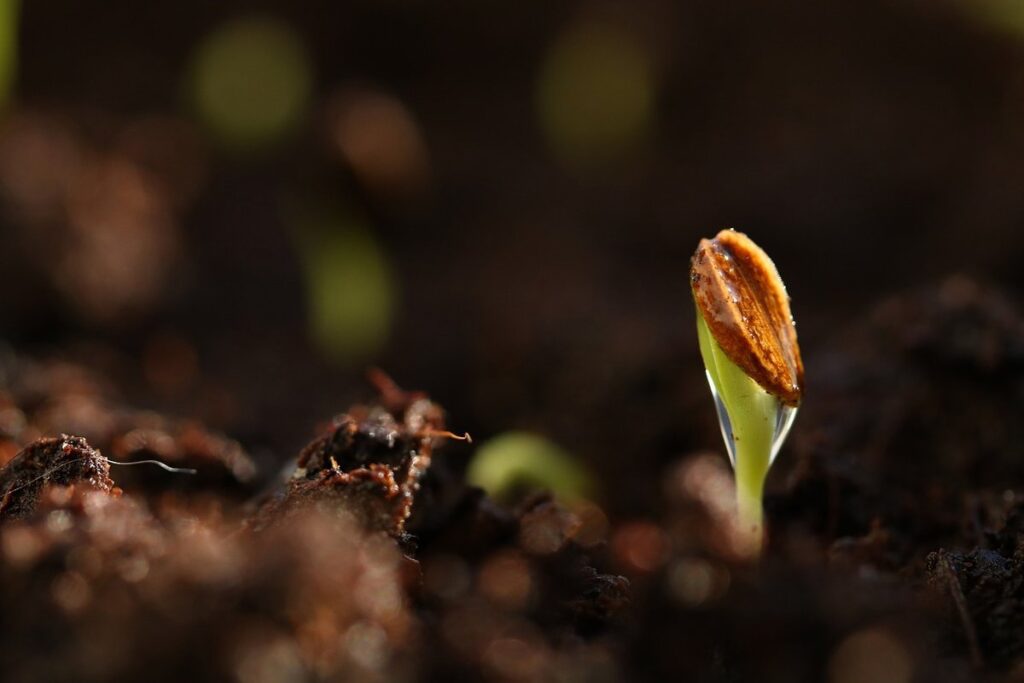
Understanding Seed Germination Basics
To get a solid grasp on measuring seed germination, let’s first dive into the basics of how seeds sprout and grow, which will help you make accurate measurements.
The Importance of Seed Quality
Seed quality plays a significant role in determining germination rates. High-quality seeds have better chances of germinating successfully, whereas poor-quality seeds may struggle to germinate or fail altogether. This is why selecting the right seeds is crucial for maximizing germination success.
When evaluating seed quality, consider factors such as seed age, handling practices, and storage conditions. Seeds that are too old can lose their viability over time, leading to lower germination rates. Proper storage in a cool, dry place helps maintain seed quality.
To ensure you’re working with high-quality seeds, look for those with a recent production date or purchase from reputable suppliers. Check the packaging for any visible signs of damage or contamination. Before planting, perform a simple test called “seed float” to identify viable seeds from non-viable ones. This involves gently placing the seeds in a bowl of water; those that sink are likely good candidates for germination.
By focusing on seed quality and taking steps to ensure you’re working with high-quality seeds, you can significantly improve your chances of successful germination and maximize yields.
Pre-Treatment Methods for Enhanced Germination
When it comes to seed germination, pre-treatment methods can play a significant role in enhancing rates. One of the most common and effective methods is soaking seeds in water before planting. This simple technique helps to rehydrate the seed, making it more receptive to germination. By soaking seeds for 24-48 hours, you can increase germination rates by up to 20%. For example, a study on tomato seeds showed that soaking increased germination from 60% to 80%.
Another method is stratification, which involves exposing seeds to cold temperatures to simulate winter conditions. This helps to break dormancy and trigger germination. Some plants, like peas and beans, require stratification to germinate at all. By providing the right temperature conditions, you can encourage seeds to germinate faster.
Scarification is another method that involves physically removing seed coats or scratching them to allow for water penetration. This is particularly useful for seeds with hard or impermeable coats. For instance, seeds like alfalfa and clover require scarification before they will germinate. By choosing the right pre-treatment method for your specific crop, you can take a crucial step towards achieving optimal seed germination rates.
Environmental Factors Affecting Seed Germination
When seeds are planted, they’re exposed to various environmental factors that can either promote or hinder their germination. Let’s take a closer look at the impact of temperature, light, water, and soil quality on seed germination.
Temperature plays a significant role in seed germination. Different species have optimal temperature ranges for germination, typically between 15°C to 30°C (59°F to 86°F). If temperatures are too low or too high, it can slow down or even prevent germination altogether. For instance, tomato seeds germinate best at around 25°C (77°F), while lettuce seeds prefer cooler temperatures around 10°C to 15°C (50°F to 59°F).
Light is also essential for seed germination. Most seeds require light to break dormancy and initiate the germination process. Some examples of light-sensitive seeds include radish, bean, and pea. On the other hand, seeds like alfalfa, clover, and some types of grass prefer dark conditions.
Water availability is another critical factor influencing seed germination. Seeds need consistent moisture to imbibe water, which helps break dormancy and initiate growth. However, excessive watering can be detrimental, causing seeds to rot or become susceptible to fungal diseases.
Soil quality also affects seed germination. Seeds require a well-draining, fertile soil with optimal pH levels for optimal growth. For example, legume seeds prefer slightly acidic soils with pH between 5.5 and 6.5, while cereal crops like wheat and barley prefer more alkaline conditions around pH 7 to 8.
To create an ideal environment for seed germination, ensure the soil is well-aerated, has adequate water-holding capacity, and provides optimal temperature conditions for the specific plant species being grown. By controlling these environmental factors, you can promote healthy seed germination and increase your chances of successful plant growth.
Creating a Suitable Environment for Germination
When it comes to measuring seed germination, creating a suitable environment is crucial. This involves controlling factors like temperature, light, and moisture levels in your experiment setup.
Optimal Temperature Range for Seed Germination
When it comes to promoting healthy seed germination, temperature plays a crucial role. Different types of seeds have optimal temperature ranges for germination, and failing to provide the right conditions can lead to poor or inconsistent results. For example, lettuce and spinach seeds prefer cooler temperatures between 40°F (4°C) and 70°F (21°C), while tomato and pepper seeds thrive in warmer temperatures between 75°F (24°C) and 85°F (29°C).
To give you a better idea of the optimal temperature ranges for different types of seeds, consider the following examples:
* Cereals like wheat and oats germinate best at around 50-60°F (10-15°C)
* Legumes such as beans and lentils prefer temperatures between 65-75°F (18-24°C)
* Brassicas like broccoli and cauliflower thrive in cooler temperatures between 40-55°F (4-13°C)
It’s essential to note that extreme temperatures can be detrimental to seed germination. Temperatures above 95°F (35°C) or below 32°F (0°C) can significantly reduce the chances of successful germination.
By understanding and providing the optimal temperature range for your specific seeds, you’ll increase the likelihood of achieving consistent and healthy germination results.
The Role of Light in Seed Germination
Light plays a crucial role in seed germination, and its absence can significantly impact the process. The type of light source used can also influence seed germination rates. Natural light, for instance, is ideal for many plants as it provides the necessary spectrum for photosynthesis to occur. However, some seeds may require darkness or specific wavelengths to break dormancy.
When using artificial light sources like LED or fluorescent lights, it’s essential to consider their color temperature and intensity. Some studies have shown that low-intensity red light can stimulate seed germination in certain plant species. On the other hand, high-intensity blue light has been found to inhibit germination in others.
To replicate natural conditions, you can use a combination of LED and fluorescent lights. For example, using a 12-hour day-night cycle with a mix of blue and red LEDs can mimic the effects of natural daylight. It’s also crucial to monitor seedling growth and adjust light intensity accordingly. Keep in mind that different plant species have unique light requirements, so research specific needs for your seeds.
Maintaining Proper Soil Moisture and Humidity Levels
Maintaining proper soil moisture and humidity levels is crucial for supporting seed germination. Seeds have specific moisture requirements to break dormancy and initiate growth. Overwatering can lead to seed rot, while underwatering can cause desiccation.
Check the seed packet or consult with a local nursery to determine the optimal soil moisture level for the specific type of seeds you’re working with. A general rule is to maintain a consistent 1-2 cm of water in the top 10 cm of the soil. You can achieve this by watering lightly but frequently, rather than infrequently and deeply.
Monitor the humidity levels in your germination environment by using a hygrometer. Aim for a relative humidity (RH) of 80-90% during the first few days after sowing. As seeds begin to emerge, you can gradually reduce RH to around 50-60%. Keep the soil consistently moist but not waterlogged, and ensure good air circulation to prevent fungal growth.
Check the soil moisture regularly by inserting a toothpick or small stick into the soil. If it comes out dry, it’s time for another watering. If it’s already wet, wait a day before checking again. By striking this balance, you’ll create an ideal environment for seeds to germinate and grow successfully.
Measuring Seed Germination
Now that you’ve prepared your seeds, let’s dive into the specifics of measuring seed germination and how to accurately determine when they’ve reached their full potential.
Manual vs. Automatic Germination Counting Methods
When it comes to measuring seed germination, two common methods exist: manual counting and automatic tracking. Manual counting involves using a magnifying glass or microscope to visually inspect seeds for signs of growth. This method is straightforward but can be time-consuming, especially when working with large batches of seeds.
On the other hand, automatic devices provide a more efficient and accurate way to track germination rates. These devices use sensors and algorithms to monitor seed activity and provide real-time data on germination progress. Automatic tracking methods include machine-based counting systems and smartphone apps that utilize image recognition technology.
While manual counting is suitable for small-scale experiments or hobbyists, automatic devices are ideal for larger-scale projects or research applications where precision and speed are crucial. For instance, a farmer might use an automatic device to monitor the germination of hundreds of seeds at once, whereas a gardener might rely on manual counting for a smaller batch.
Ultimately, the choice between manual and automatic methods depends on your specific needs and goals. If you require high accuracy and efficiency, automatic devices are the better option. However, if you’re working with small batches or prefer a more hands-on approach, manual counting may suffice.
Calculating and Interpreting Germination Rates
Calculating germination rates involves more than just counting the number of seeds that sprout. It’s essential to consider factors like germination time and rate of emergence to get an accurate picture of seed viability. To calculate germination rates, you’ll need to establish a baseline for what constitutes germination in your specific experiment or crop.
Start by identifying the average number of days it takes for seeds to germinate under optimal conditions. This can vary significantly depending on factors like temperature, light exposure, and soil moisture. Once you have this benchmark, you can track the emergence of seedlings over time, taking note of how many have sprouted after a set period.
A common method for calculating germination rates is the “percent germinated” approach. Simply divide the number of seeds that have germinated by the total number of seeds sown, then multiply by 100 to arrive at a percentage. For example, if you sow 100 seeds and 80 germinate within the established timeframe, your germination rate would be 80%. By considering factors like germination time and rate of emergence, you can develop a more nuanced understanding of seed viability and make informed decisions about crop management.
Using Seed Germination Equipment: A Brief Overview
When it comes to measuring seed germination, using the right equipment can make all the difference. Seed germination equipment, such as growth chambers and incubators, allows you to monitor and control various environmental factors that affect germination. Growth chambers, for instance, are essentially large enclosures that provide a controlled environment for seeds to germinate.
These chambers can simulate different temperature, light, and humidity conditions, making it possible to test the effects of these variables on seed germination. Incubators work in a similar way but are typically smaller and more compact than growth chambers. Both types of equipment enable you to conduct experiments under precise conditions, allowing for more accurate results.
By using seed germination equipment, researchers can gain insights into how different environmental factors influence seed germination rates. This information can be invaluable when developing strategies for optimizing crop yields or improving plant breeding programs. With the right equipment and a clear understanding of its capabilities, you can unlock valuable data on seed germination and take your research to the next level.
Common Issues and Troubleshooting
Don’t worry if you encounter problems while measuring seed germination – we’ve got you covered. This section addresses common issues and offers troubleshooting tips to get you back on track.
Identifying and Addressing Common Germination Problems
Poor soil quality is one of the most common issues that can hinder seed germination. This problem often arises when the growing medium lacks essential nutrients or contains contaminants that inhibit root development. To address this issue, start by testing the pH and nutrient levels of your soil using a reliable kit. Based on the results, you may need to amend the soil with fertilizers or conditioners.
Inadequate light is another critical factor affecting seed germination. Most seeds require sufficient illumination to undergo photosynthesis and initiate growth. If you’re experiencing poor light conditions, consider relocating your seeds to a brighter location or investing in grow lights. Be cautious not to expose seeds to direct sunlight, which can cause scorching.
Temperature fluctuations are also a common problem that can impact seed germination. Most plants thrive within a narrow temperature range, typically between 65°F and 75°F (18°C and 24°C). Monitor your environment closely and adjust the temperature accordingly to prevent stress on the seeds.
Strategies for Optimizing Seed Germination Rates
Optimizing seed germination rates is crucial for achieving high yields and successful plant growth. Proper handling, storage, and treatment methods can significantly impact the rate at which seeds germinate. Here are some expert tips to help you optimize seed germination rates.
Firstly, store seeds in a cool, dry place away from direct sunlight. This will prevent moisture loss and maintain optimal viability. It’s also essential to check seed packaging for specific storage instructions as some seeds may require refrigeration or other special conditions.
When treating seeds with chemicals or water, make sure to follow the recommended concentrations and application times. Over-treatment can damage seeds and reduce germination rates. You can also try scarifying seeds by nicking the outer coat to facilitate water absorption and enhance germination.
Another crucial aspect is providing optimal seed priming conditions. This involves soaking seeds in a controlled environment, such as a growth medium or substrate, to stimulate germination. This method is particularly effective for difficult-to-germinate seeds or when faced with challenging growing conditions.
By implementing these strategies, you can significantly improve your chances of achieving high germination rates and successful plant establishment.
Best Practices for Recording and Analyzing Data
To accurately measure seed germination, it’s essential that you follow best practices when recording and analyzing your data to ensure reliable results. This includes creating a detailed log of observations.
Setting Up a Seed Germination Database
Tracking seed germination data is crucial for understanding trends and making informed decisions about future experiments. A well-maintained database allows you to analyze patterns, identify areas of improvement, and optimize your protocols. To set up a robust seed germination database, start by defining the essential variables to track.
Begin with basic information such as experiment date, location, and conditions (temperature, humidity, light). Record specific details about the seeds used, including species, variety, and lot number. You should also log the germination method, incubation time, and any notable observations or issues that arose during the process.
Consider using a spreadsheet software like Excel or Google Sheets to create a centralized database. This will enable easy data entry, storage, and analysis. As you collect more data, use it to identify correlations between variables, such as temperature and germination rate. Regularly reviewing your database will help you refine your techniques and make data-driven decisions for future experiments.
By maintaining an accurate seed germination database, you’ll be able to detect subtle changes in your results over time, allowing for targeted improvements and more reliable outcomes.
Visualizing and Interpreting Germination Data
When it comes to visualizing and interpreting germination data, having the right tools at your disposal can make all the difference. Graphs and charts are essential for identifying patterns and trends within your seed germination results.
To create informative graphs, start by selecting a clear and concise title that accurately represents the data being presented. For example, “Germination Rate Over Time” is a straightforward title that immediately conveys the focus of the graph.
When it comes to choosing a chart type, consider using bar charts or histograms to display categorical data, such as germination rates across different temperatures or light conditions. Line graphs are also useful for showing continuous data, like germination speed over time.
Some key metrics to track and visualize include:
• Average germination time (AGT)
• Germination rate
• Seedling emergence date
• Time to flowering (for longer-term studies)
By examining these metrics in graphical form, you’ll be able to quickly identify patterns and make data-driven decisions about your seed germination experiments. This will help you refine your protocols and optimize results for future research.
Conclusion: Maximizing Seed Germination Success
Now that you’ve learned how to accurately measure seed germination, let’s discuss the next crucial step: maximizing your chances of successful germination. This means implementing strategies for optimal seed care and conditions.
Recapitulating Key Takeaways from the Guide
As we conclude this comprehensive guide on measuring seed germination, let’s recap the key takeaways to ensure you’re well-equipped for achieving successful seed germination. By following these essential points, you’ll be able to accurately measure and optimize the germination process.
Firstly, understanding the importance of seed quality is crucial. As discussed in the article, using high-quality seeds that are suitable for your specific climate and plant species will significantly impact germination rates. This means selecting seeds from reputable suppliers and checking their viability before planting.
Another critical aspect covered in this guide is the optimal temperature range for seed germination. Different plants require varying temperatures to initiate germination, ranging from as low as 40°F (4°C) to as high as 90°F (32°C). Familiarizing yourself with these specific requirements will help you create an ideal environment for your seeds.
In addition to seed quality and temperature, the article highlighted the significance of moisture levels in promoting successful germination. Seeds need a precise balance of water and oxygen to sprout, making controlled watering strategies essential. Regular monitoring of soil moisture and adjusting as needed will prevent over- or under-watering, which can hinder germination.
Lastly, it’s indispensable to track your seed germination progress using reliable methods such as the radicle emergence test, germination percentage calculation, and growth stage classification. These measures enable you to assess the effectiveness of your strategies and make informed decisions for future improvements.
By implementing these key takeaways and maintaining a keen eye on temperature, moisture, and seed quality, you’ll be well on your way to maximizing seed germination success. Remember to stay vigilant in monitoring and adjusting your approach as needed, and don’t hesitate to refer back to this guide whenever necessary.
Frequently Asked Questions
How do I know if my seed germination equipment is calibrated correctly?
Calibrating your equipment is crucial to ensure accurate measurements. Check the manufacturer’s instructions for calibration procedures specific to your device. Additionally, consider performing a daily quality control check on your equipment to guarantee precision.
What can I do if I notice inconsistent germination rates across different seed batches?
Inconsistent germination rates can be caused by various factors, including seed quality or environmental conditions. To address this issue, try comparing the germination rates of seeds from different suppliers or batches under similar conditions. You may also want to adjust your pre-treatment methods or environmental settings to optimize germination.
Can I use a standard kitchen thermometer for measuring optimal temperature ranges?
While a standard kitchen thermometer can provide general temperature readings, it might not offer precise enough measurements for optimal seed germination temperatures. Consider investing in a more accurate and sensitive thermocouple or digital thermometer specifically designed for laboratory or horticultural applications.
How often should I record and analyze data to track my seed germination progress?
Regularly recording and analyzing data is essential for identifying trends, patterns, and areas for improvement. Aim to collect data at least 2-3 times a week during the germination period and set aside dedicated time for analysis and review.
Can I apply the principles of this guide to microgreens or seedlings grown indoors?
While the primary focus of this guide is on measuring seed germination, many of the concepts and techniques can be applied to other stages of plant growth, including microgreens and indoor seedlings. However, consider adapting the methods and equipment to accommodate the specific needs of your chosen crop type.