
Are you ready to grow your own garden in style? Choosing the right greenhouse materials is crucial for creating a thriving oasis. But with so many options available, where do you even begin? From classic glass panels to budget-friendly DIY alternatives, we’ll delve into the pros and cons of each material to help you make an informed decision. In this article, we’ll explore the best greenhouse materials for your project, including the advantages and disadvantages of using plastic, polycarbonate, and acrylic sheets. We’ll also discuss affordable DIY options that won’t break the bank. Whether you’re a seasoned gardener or just starting out, this guide will help you find the perfect material to suit your needs and budget. By the end of it, you’ll be well on your way to building a beautiful and functional greenhouse that brings joy and fresh produce to your life.
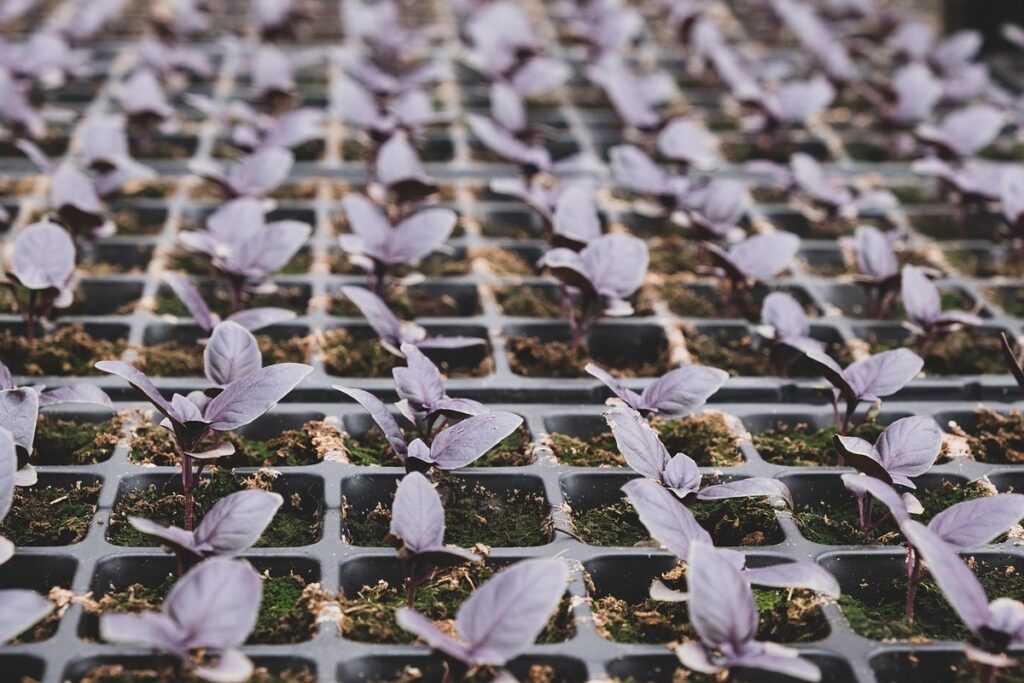
Benefits and Types of Greenhouses
Now that we’ve discussed the various materials used for greenhouses, let’s dive into the benefits and types of greenhouses to help you choose the right one for your needs. Whether you’re a seasoned gardener or just starting out, this section is for you.
Introduction to Greenhouses
A greenhouse is essentially an enclosed structure designed to provide plants with optimal growing conditions. By shielding them from harsh weather elements such as intense sunlight, extreme temperatures, and heavy rainfall, greenhouses offer a controlled environment that facilitates healthy plant growth. This protection also extends to pest control, allowing you to regulate the entry of unwanted insects or animals into your greenhouse.
There are various types of greenhouses to suit different needs and preferences. For instance, mini-greenhouses are ideal for small spaces and often used in urban settings. These structures provide a compact growing area while still offering the benefits of a controlled environment. Cold frames, on the other hand, are more affordable options that provide winter protection for plants. They allow you to extend the growing season by as much as 4-6 weeks. Larger glasshouse structures can be used for commercial purposes or in regions with extreme climate conditions. When selecting materials for your greenhouse, it’s essential to consider factors such as durability, maintenance needs, and budget constraints.
Factors Influencing Greenhouse Material Choice
When it comes to choosing the right greenhouse materials, several key factors come into play. Your budget is one of the primary considerations, as different materials vary significantly in price. For instance, glass and polycarbonate panels are among the more expensive options, while polyethylene film is often the most affordable choice.
Climate also plays a crucial role in determining your greenhouse material needs. In areas with high winds or extreme weather conditions, you’ll want to opt for reinforced or heavy-duty materials that can withstand these challenges. Conversely, if you live in a mild climate, lighter-weight options may be sufficient.
Maintenance is another essential factor to consider. Some materials are more durable and require less upkeep than others. For example, fiberglass-reinforced polyester (FRP) panels are resistant to corrosion and scratches, making them easier to maintain over time. In contrast, metal frames can rust if not properly coated or maintained.
Ultimately, weighing these factors will help you make an informed decision when selecting the ideal greenhouse materials for your project. Consider your budget, climate, and desired level of maintenance to choose a material that balances performance with practicality.
Types of Greenhouse Materials
When it comes to building a greenhouse, choosing the right materials is crucial. Let’s dive into the various types of materials you can use for your greenhouse frame and coverings.
Glass vs. Plastic: A Comparison of Materials
When it comes to choosing the right materials for your greenhouse, two popular options are glass and plastic. Both have their advantages and disadvantages, which we’ll explore in this comparison.
Glass is a durable and long-lasting material that provides excellent UV protection, keeping plants safe from harmful radiation. However, its high cost can be a significant drawback for some gardeners. Additionally, glass is relatively heavy, making it more challenging to install and maintain. On the other hand, glass allows for better ventilation and visibility, allowing you to monitor your plants’ progress easily.
Plastic, on the other hand, is generally less expensive than glass and easier to install. However, it may not provide the same level of UV protection as glass, which can lead to weaker plant growth. Some types of plastic also tend to degrade over time, reducing their lifespan. Despite this, plastic is a popular choice for greenhouses due to its affordability and ease of use.
Ultimately, the decision between glass and plastic comes down to your budget and personal preferences. If you’re willing to invest in a more durable material that provides excellent UV protection, glass may be the better option. But if you’re on a tight budget or need a quick solution, plastic can still provide adequate results with proper maintenance.
Polycarbonate and Acrylic Sheets
When it comes to choosing materials for your greenhouse, polycarbonate and acrylic sheets are two popular options that offer a range of benefits. These plastic sheets are lightweight, shatter-resistant, and provide excellent insulation against extreme temperatures.
One of the main advantages of polycarbonate and acrylic sheets is their ability to absorb UV radiation, which helps to prevent damage from sunlight and reduces the risk of algae growth. They also allow for natural light transmission, making them ideal for greenhouses where plants require maximum light exposure.
However, it’s essential to note that both materials have limitations. Polycarbonate sheets can be prone to scratches and may not be suitable for high-wind areas, while acrylic sheets are more expensive and may become brittle over time due to prolonged exposure to sunlight.
To get the most out of your polycarbonate or acrylic sheet greenhouse, make sure to choose a reputable supplier and follow proper installation guidelines. This includes ensuring that the sheets are securely fastened and sealed to prevent air leaks. With careful selection and installation, these materials can provide years of reliable service and help you grow healthy, thriving plants in your greenhouse.
Insulation and Climate Control
When it comes to maintaining a stable internal environment, insulation and climate control play crucial roles in protecting your plants from extreme temperatures. Let’s explore how to effectively insulate and regulate your greenhouse’s climate.
Importance of Insulation in Greenhouses
When it comes to maintaining a stable temperature inside greenhouses, insulation is more than just a nice-to-have – it’s a must-have. A well-insulated greenhouse can make all the difference between a thriving crop and a struggling one. By keeping the heat in and the cold out, insulation helps regulate the internal temperature, reducing the need for artificial heating during winter months and preventing overheating during summer.
In fact, studies have shown that a well-insulated greenhouse can reduce energy costs by up to 30%. This is especially important for growers who rely on heating systems to maintain a consistent temperature. By investing in high-quality insulation materials, such as foam board or fiberglass batts, you can enjoy lower energy bills and a more stable growing environment.
To choose the right insulation material for your greenhouse, consider factors like R-value (thermal resistance), moisture resistance, and ease of installation. For example, foam board is an excellent choice for greenhouses with limited space, as it provides high thermal performance in a compact package. Whatever material you choose, make sure to follow proper installation techniques to ensure maximum effectiveness and durability.
Active vs. Passive Climate Control
When it comes to managing the climate inside a greenhouse, there are two primary approaches: active and passive climate control. Active climate control methods involve using mechanical systems to regulate temperature and humidity levels, whereas passive climate control relies on natural processes and design features.
Active climate control is often more effective in extreme climates or when precise temperature control is required. Ventilation systems, for instance, can be programmed to open and close at specific times of the day, allowing for optimal air exchange and temperature regulation. However, these systems require significant upfront investment and ongoing maintenance costs.
In contrast, passive climate control methods are often more cost-effective and sustainable in the long run. Shading devices, such as louvers or shade cloth, can be used to reduce direct sunlight and prevent overheating during peak summer months. Natural ventilation strategies, like using wind direction to draw hot air out of the greenhouse, can also be employed.
A well-designed passive climate control system can save up to 30% on energy costs compared to active systems. To implement a passive climate control strategy effectively, consider factors such as insulation quality, window orientation, and shading device placement. By combining these design elements with strategic ventilation planning, you can create an optimal microclimate within your greenhouse that supports healthy plant growth while minimizing environmental impact.
Budget-Friendly Options for DIY Greenhouses
If you’re on a tight budget, don’t worry – we’ve got you covered! This section reveals affordable and creative ways to build your own DIY greenhouse at home.
Repurposing Materials
One of the most exciting aspects of building a DIY greenhouse is finding creative ways to repurpose materials you already have at home or office. This approach not only reduces waste but also saves you money on purchasing new materials. Think beyond traditional lumber and consider using items like old pallets, reclaimed wood, and even plastic containers.
For example, you can upcycle an old shipping pallet into a unique greenhouse frame. Simply disassemble the pallet, clean it thoroughly, and use it as a base for your structure. You can also repurpose an old door or window to create a beautiful entrance for your greenhouse. Just be sure to inspect the material carefully before using it, ensuring it’s sturdy enough to support the weight of plants and weather conditions.
When repurposing materials, keep in mind the structural integrity of your greenhouse. Make sure any used items can withstand harsh weather conditions, such as strong winds or heavy rain. Additionally, consider the durability and longevity of the material, choosing options that will last for years to come.
Low-Cost Materials for Building a Greenhouse
When it comes to building a DIY greenhouse on a budget, one of the most significant expenses can be the materials themselves. However, there are several low-cost alternatives to traditional greenhousing materials that can help you save money without sacrificing quality.
One such alternative is using PVC pipes instead of wood or metal framing. Not only are PVC pipes more affordable, but they’re also lightweight and easy to work with. Plus, they come in a variety of sizes and shapes, making it simple to create custom designs for your greenhouse. Another option is to use shade cloth as a covering material. Shade cloth is a cost-effective way to filter the sun’s rays and provide protection from wind and rain.
To get started, you can find PVC pipes at most hardware stores or online retailers. Look for sales or discounts on bulk purchases, which can help reduce your costs even further. When it comes to shade cloth, choose a material with a UV rating of 70% or higher to ensure optimal sunlight penetration while keeping the greenhouse interior cool.
If you’re looking to build a small, freestanding greenhouse, consider using reclaimed materials from salvage yards or Habitat for Humanity ReStores. Not only will you save money on materials, but you’ll also be reducing waste and giving old materials new life.
Safety Considerations When Working with Greenhouse Materials
When working with greenhouse materials, safety is a top priority, and it’s essential to consider potential hazards before getting started on your project. This includes understanding the risks associated with various materials and taking necessary precautions to protect yourself.
Handling Heavy Materials Safely
When working with heavy materials for your greenhouse, safety should be your top priority. Heavy components such as glass panels, aluminum frames, and steel pipes can cause serious injuries if not handled properly.
To avoid accidents, it’s essential to develop proper lifting techniques. The National Institute for Occupational Safety and Health (NIOSH) recommends that you lift objects with a center of gravity within 12 inches of your body. To do this safely, bend at the knees rather than the waist, keep your back straight, and hold the object close to your body.
For example, when lifting a glass panel, have a partner assist you by providing extra support from underneath. This not only reduces the risk of injury but also allows for smoother, more controlled movement. When transporting heavy materials, use dollies or rollers whenever possible to minimize manual labor and avoid straining your back.
By following these simple tips and being mindful of your surroundings, you can prevent injuries and ensure a safe working environment when handling heavy greenhouse components.
Avoiding Structural Damage
When working with greenhouse materials, it’s essential to be mindful of the structural elements that make up your greenhouse. Damaging these components can compromise the integrity of your entire structure, leading to costly repairs and potentially even collapse. To avoid this, here are some tips for handling structural elements with care.
Firstly, always follow the manufacturer’s instructions for assembly and installation. These guidelines have been developed with the specific materials and design in mind to ensure a safe and stable build. Additionally, inspect your greenhouse regularly for signs of wear or damage, such as cracks, rust, or loose connections.
When handling heavy components like glazing, be sure to use proper lifting techniques and equipment to avoid straining yourself or dropping the material. It’s also crucial to maintain adequate ventilation and lighting in your workspace to prevent fatigue and ensure you can see what you’re doing.
By taking these precautions, you’ll be able to work with confidence and avoid causing unnecessary damage to your greenhouse structure. Remember, a sturdy frame is essential for supporting the weight of plants, soil, and weather conditions, so prioritize its protection throughout the construction process.
Frequently Asked Questions
Can I use recycled materials for my DIY greenhouse?
When repurposing materials, ensure they are clean, dry, and suitable for outdoor use to avoid contamination or damage. Consider using reclaimed wood, old windows, or plastic sheets, but always inspect them for structural integrity before integrating into your greenhouse design.
How do I choose the right greenhouse material for extreme weather conditions?
Assess your local climate and consider factors like temperature fluctuations, wind resistance, and precipitation levels when selecting materials. For instance, polycarbonate sheets are more suitable for areas with high winds, while acrylic sheets offer better protection against UV radiation in sunny climates.
What are some cost-effective ways to add insulation to my greenhouse?
In addition to using thermal mass materials like concrete or brick, consider applying a reflective coating to your walls or installing a layer of bubble wrap or foam board to reduce heat loss. These affordable solutions can make a significant difference in maintaining optimal temperatures inside your greenhouse.
Can I mix and match different types of greenhouse materials for my project?
Yes, combining various materials can be an effective way to balance budget constraints with performance needs. For example, using glass panels on the north side of your greenhouse for structural support while covering the south side with a more affordable plastic sheet can achieve both strength and economy.
How do I ensure safety when handling heavy greenhouse materials during construction?
Always follow proper lifting techniques, such as bending at the knees and keeping objects close to your body. Consider enlisting help from a friend or family member for heavier loads, and be mindful of your surroundings to avoid accidents caused by tripping over debris or tools.