
Marigolds are one of the most vibrant and cheerful flowers you can have in your garden, but their bright blooms don’t last forever. If you want to maximize those stunning yellow and orange marigold flowers, it’s time to learn the art of deadheading.
Deadheading is an essential technique for any gardener looking to maintain plant health, prevent pests, and encourage more blooms. By regularly removing spent flowers from your marigolds, you can promote healthy growth, prevent seed formation, and even protect your plants from potential diseases. In this comprehensive guide, we’ll walk you through the best deadheading tips and techniques specifically tailored for marigold care. Whether you’re a seasoned gardener or just starting out, our expert advice will help you get the most out of your marigold blooms all season long.
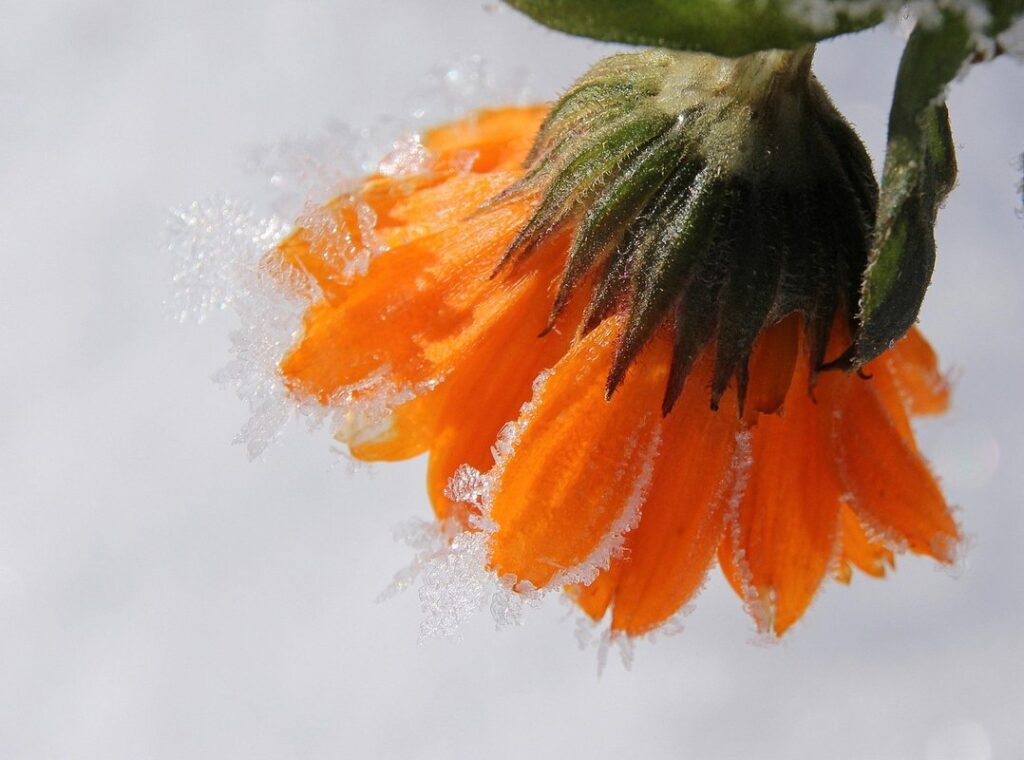
Understanding Marigolds and Their Needs
To get the most out of your marigold plants, you need to understand their specific needs, including pruning requirements for optimal bloom production.
What Are Marigolds?
Marigolds are a popular annual flower that has been delighting gardeners for centuries. These vibrant blooms come in a variety of shapes, sizes, and colors, making them a staple in many gardens. There are several types of marigolds, including African marigolds (Tagetes erecta), French marigolds (Tagetes patula), and signet marigolds (Tagetes tenuifolia). Each type has its unique characteristics, but they all share one thing in common: their bright, cheery flowers.
When it comes to growth habits, marigolds are relatively easy to care for. They thrive in full sun and well-drained soil, making them perfect for gardens with hot, dry climates. Some popular varieties of marigolds include ‘African Sunset’, which boasts vibrant orange and yellow blooms; ‘French Vanilla’, with its delicate white petals; and ‘Signet Dwarf’, a compact variety ideal for small spaces.
One thing to keep in mind when selecting marigold varieties is their growth habits. Some types, like the African marigold, can grow quite tall (up to 3 feet), while others, like the signet marigold, remain much shorter (around 1 foot). Knowing your space and climate constraints will help you choose the right variety for your garden.
How to Choose Healthy Marigold Plants
When selecting marigold plants for deadheading, it’s essential to choose robust seedlings or cuttings that will thrive under regular maintenance. To ensure optimal results, look for seedlings with sturdy stems and dark green leaves, as these are indicative of healthy growth.
When buying from a nursery or store, inspect the roots carefully before making your purchase. Healthy marigold roots should be firm but not too dense, allowing for good water absorption. Avoid plants with soft, fragile roots that may indicate root rot.
If starting from seed, sow high-quality seeds indoors 4-6 weeks before the last frost date in your area. Keep the soil consistently moist and provide sufficient light to promote strong root development. Transplant seedlings outdoors when they have 2-3 sets of leaves, spacing them about 12 inches apart for optimal air circulation.
By selecting healthy marigold plants from the start, you’ll set yourself up for success with regular deadheading practices. This will not only encourage blooming but also promote overall plant health and longevity.
Benefits of Deadheading Marigolds
Deadheading marigolds may seem like a chore, but it offers several advantages that will keep your plants blooming all season long. By doing so, you’ll actually encourage more flowers to grow!
Why Deadhead Marigolds?
Regular deadheading of marigolds is essential to reap its benefits. By removing spent blooms on a regular basis, you can encourage your plant to produce new flowers for an extended period. This not only enhances the overall appearance of your garden but also promotes healthy growth.
When you allow spent blooms to remain on the plant, they divert energy from producing new flowers. This can lead to a decrease in blooming frequency and a general decline in the plant’s appearance. In contrast, regular deadheading sends a signal to the plant that it needs to produce more flowers, resulting in prolonged blooming periods.
In addition to promoting new blooms, deadheading also helps maintain your marigold’s shape and encourages bushy growth. This is particularly beneficial for container-grown plants, which can become leggy if left unpruned. By removing spent blooms on a regular basis, you can keep your marigolds looking their best all season long. Simply snip off the old flowers at the base of the stem using scissors or pinch them off between your thumb and index finger.
How Deadheading Affects Plant Health
When you deadhead marigolds, you’re essentially giving them a bit of a haircut. You’ll be removing spent flowers to encourage new blooms and promote healthy growth. But did you know that this simple process also affects how the plant allocates its energy? By regularly deadheading your marigold plants, you’ll force them to redirect their resources away from seed production and toward producing more flowers.
This shift in focus is beneficial for several reasons. Firstly, by removing spent blooms, you’ll reduce the likelihood of disease and pest issues. Fungal diseases often thrive on moist, dead flower heads, so taking these away can help prevent infection. Additionally, by controlling energy allocation, you’ll make your marigold plants more resistant to pests like aphids and whiteflies.
Regular deadheading will also encourage a bushy growth habit in your marigolds, making them look fuller and more vibrant throughout the season. This is especially important if you’re growing these flowers for cut arrangements or as a decorative border.
Techniques for Effective Deadheading
Deadheading marigolds requires finesse, but by mastering a few simple techniques, you can keep your plants blooming all season long and encourage healthy growth. Let’s dive into some effective methods to boost blooms.
Hand-Pulling Method
When it comes to deadheading marigolds using the hand-pulling method, you’ll want to focus on gently removing the spent blooms from the plant. To start, grasp the stem of the spent flower between your thumb and index finger, making sure to leave a small portion of the stem intact.
Next, use your other hand to carefully pull the flower away from the plant. This should be done at an angle, rather than straight up or down, to avoid damaging any nearby buds or growth nodes. As you’re pulling, gently twist the stem to encourage it to break off cleanly, leaving a small piece of stem intact.
This method is particularly effective for marigolds because it allows you to remove spent blooms without causing unnecessary stress to the plant. By leaving a portion of the stem behind, you’re also giving the plant a chance to produce new flowers from those nodes.
Pinching vs. Cutting: Which is Best?
When it comes to deadheading marigolds, you’ll often come across two popular techniques: pinching and cutting. Both methods can be effective, but they have their differences in terms of approach and outcome.
Pinching involves gently grasping the stem with your thumb and index finger and pinching off the spent flower head just above a node (where a leaf meets the stem). This method encourages branching and promotes more blooms along the stem. Pinching is particularly useful for marigolds, as it helps maintain their bushy shape and encourages new growth.
On the other hand, cutting involves snipping off the entire stem with a pair of scissors or pruning shears. Cutting can be beneficial if you want to direct the plant’s energy towards producing more flowers on new stems rather than promoting lateral growth. However, be cautious not to over-cut, as this can lead to weak and leggy stems.
In practical terms, consider your marigold’s growth habit and desired outcome when deciding between pinching or cutting. If you want to maintain a compact shape with multiple blooms, pinching is likely the better choice.
Timing and Frequency of Deadheading
When it comes to deadheading marigolds, timing is crucial to encourage more blooms and prevent seed production. Let’s dive into the best times for deadheading.
Determining When to Deadhead
When it comes to maximizing blooms and maintaining the health of your marigolds, deadheading is an essential practice. However, timing is crucial to ensure that you’re removing spent flowers at the right moment.
To determine when a marigold flower has reached its end, look for signs such as wilted petals, droopy stems, or a change in color. Typically, marigold blooms last anywhere from 7-14 days, depending on factors like weather conditions and soil quality. As they approach the end of their lifespan, flowers often start to drop their petals, leaving behind a dry, papery center.
Another way to gauge when it’s time to deadhead is by checking for new buds on the stem. If you notice fresh growth or tiny flower buds starting to form, it’s likely that the current bloom has given up its last bit of energy and is ready for removal. By removing spent flowers at this stage, you’ll encourage your marigold plant to direct its energy towards producing more blooms rather than seed production.
Keep in mind that marigolds are self-cleaning plants, so they tend to shed their own petals naturally over time. However, by deadheading promptly, you can help prevent the spread of diseases and pests that thrive on decaying flowers.
How Often Should You Deadhead?
Deadheading is an ongoing process that requires regular maintenance to keep your marigolds blooming continuously. To promote healthy growth and prevent overcrowding, it’s essential to establish a consistent deadheading schedule.
Here are some general guidelines: aim to remove spent blooms every 2-3 days during the peak blooming season, which typically occurs in mid-to-late summer. This frequency may vary depending on factors like climate, soil quality, and plant variety. For example, if you live in an area with high humidity or intense sunlight, you might need to deadhead more frequently to prevent fungal diseases and scorching.
Consider this simple rule of thumb: remove any wilted or brown flowers as soon as possible, taking care not to damage the stem or foliage. This will encourage your marigolds to direct their energy towards producing new blooms rather than seed production. By maintaining a consistent deadheading routine, you’ll enjoy a continuous display of vibrant flowers and promote overall plant health.
Common Challenges and Solutions
When it comes to deadheading marigolds, you may encounter some common issues that can hinder your plant’s success. Let’s tackle these challenges together.
Dealing with Overgrown Marigolds
Dealing with overgrown marigolds can be a daunting task, especially if you’ve neglected to deadhead them for an extended period. As marigold plants continue to grow and produce new blooms, their stems can become leggy and unruly, making it challenging to maintain their shape.
To manage overgrown marigolds, start by inspecting the plant’s growth pattern. Identify the longest stems and carefully snip them off using pruning shears or scissors. This process is called “tip-pruning,” and it encourages bushy growth by redirecting the plant’s energy towards producing new flowers and foliage from the remaining stem nodes.
When pruning your overgrown marigolds, make clean cuts just above a leaf node to prevent damage to the stem and promote healthy regrowth. You can also use this opportunity to thin out any weak or spindly stems, which will help improve air circulation and prevent disease.
By regularly deadheading and pruning your marigolds, you’ll maintain their shape, encourage bushy growth, and ensure a profusion of blooms throughout the growing season.
Preventing Pest Infestations After Deadheading
Removing spent blooms can be beneficial for marigold health, but it also increases the risk of attracting pests. To minimize this risk, consider using natural deterrents to keep unwanted visitors away from your garden. For example, sprinkling cinnamon or cayenne pepper around the base of your plants can help repel aphids and other insects.
Practicing good garden hygiene is also essential for preventing pest infestations after deadheading. This includes regularly removing weeds that can harbor pests, keeping the area around your marigolds free from debris, and avoiding overwatering, which can attract slugs and snails. Additionally, consider using physical barriers like fine mesh or row covers to prevent insects from reaching your plants.
To take it a step further, you can also use companion planting to deter pests. For instance, planting basil near marigolds has been known to repel nematodes, which can cause root damage. By combining these strategies, you’ll be well on your way to maintaining a healthy and pest-free marigold garden.
Additional Considerations for Best Results
When it comes to getting the most out of your marigold blooms, there are a few more factors to consider beyond basic deadheading techniques. This includes common mistakes to avoid and ways to encourage continuous growth.
Marigold Companion Planting
When it comes to maximizing blooms and health of marigolds, companion planting is an essential aspect to consider. Pairing marigolds with complementary plants not only enhances growth but also repels pests and promotes a balanced ecosystem.
Some excellent companion plants for marigolds include basil, mint, and nasturtiums. These plants have natural pest-repelling properties that can help protect your marigolds from aphids, whiteflies, and other common garden pests. For instance, basil is known to repel aphids and mites, while mint repels spider mites and ants.
To pair marigolds with their complementary companions, simply plant them together in the same bed or container. Make sure to choose a location that receives adequate sunlight and has well-draining soil. By planting these companion plants alongside your marigolds, you’ll create a thriving ecosystem where each plant benefits from the others’ presence.
Remember, some companion plants can also enhance growth and promote blooming in marigolds. For example, nasturtiums have been shown to increase marigold blooms by 25% due to their ability to attract beneficial insects that pollinate marigolds. By incorporating these companion plants into your garden, you’ll be taking a proactive approach to maintaining the health and beauty of your marigolds.
Maintenance Beyond Deadheading
While deadheading is essential for encouraging marigolds to produce more blooms, it’s just one part of a larger maintenance routine. To keep your plants healthy and thriving, you’ll also need to pay attention to their watering, fertilization, and pest management needs.
When it comes to watering, marigolds prefer well-draining soil and should be watered thoroughly but infrequently. This means allowing the top inch of soil to dry out between waterings, rather than keeping the soil consistently moist. You can check the moisture level by sticking your finger into the soil up to the first knuckle – if it feels dry, it’s time for a drink.
As for fertilization, marigolds are light feeders and don’t require a lot of nutrients to produce blooms. However, a balanced fertilizer applied once a month will help keep them healthy and promote new growth. Be sure to follow the instructions on the label and take into account the age and size of your plants when deciding how much fertilizer to apply.
Finally, keep an eye out for pests like aphids, whiteflies, and spider mites, which can all cause damage to marigold leaves and flowers. Regularly inspect your plants and treat any infestations promptly with insecticidal soap or neem oil – the sooner you catch a problem, the easier it is to resolve.
Frequently Asked Questions
Can I deadhead marigolds that have already set seed?
No, it’s best to remove spent flowers before they form seeds to prevent self-seeding and encourage more blooms. Regularly inspect your plants for signs of seed formation and deadhead promptly.
How often should I deadhead marigolds in areas with high humidity or rainfall?
Deadheading frequency may need to be increased in humid or rainy climates, as these conditions can lead to fungal diseases. Inspect your plants closely and remove any spent flowers every 2-3 days to prevent pest infestations and promote healthy growth.
Can I use pruning shears for deadheading marigolds with thick stems?
Yes, if you have a pair of sharp, clean pruning shears, you can use them to cut off spent marigold flowers at the base. This is especially helpful when dealing with larger or more robust varieties. Be cautious not to damage nearby foliage or stem tissue.
How do I know when it’s time to stop deadheading my marigolds?
Stop deadheading in late summer or early fall, as this signals the plant’s natural decline. Continue removing any weak or damaged growth until frost sets in. Stopping deadheading at the right time will allow your plants to focus on seed production and preserve energy for next year’s blooms.
Can I propagate new marigold plants from spent flowers after deadheading?
Yes, you can collect seeds from deadheaded marigolds to sow directly into the garden or start indoors 6-8 weeks before the last frost. This method allows you to share your favorite varieties with friends and family while maintaining their unique characteristics and traits.