
As a gardener, you’re probably aware of the importance of supporting our vital pollinators – bees, butterflies, and hummingbirds. Without them, many of our favorite fruits, vegetables, and flowers wouldn’t be able to reproduce. But did you know that a simple change in your flower garden layout can make a huge difference for these busy insects? By creating a pollinator-friendly haven in your yard, you’ll not only help sustain their populations but also attract a wider variety of wildlife to your garden. In this article, we’ll show you how to design and maintain a beautiful flower garden that attracts pollinators all year round, using a mix of nectar-rich flowers, native plants, and clever layout techniques.
Understanding the Importance of Pollinator Gardens
Pollinators like bees and butterflies are facing unprecedented threats, making it more crucial than ever to create gardens that support their survival. Let’s dive into why pollinator gardens matter for these vital creatures.
What Are Pollinators and Why Do They Matter?
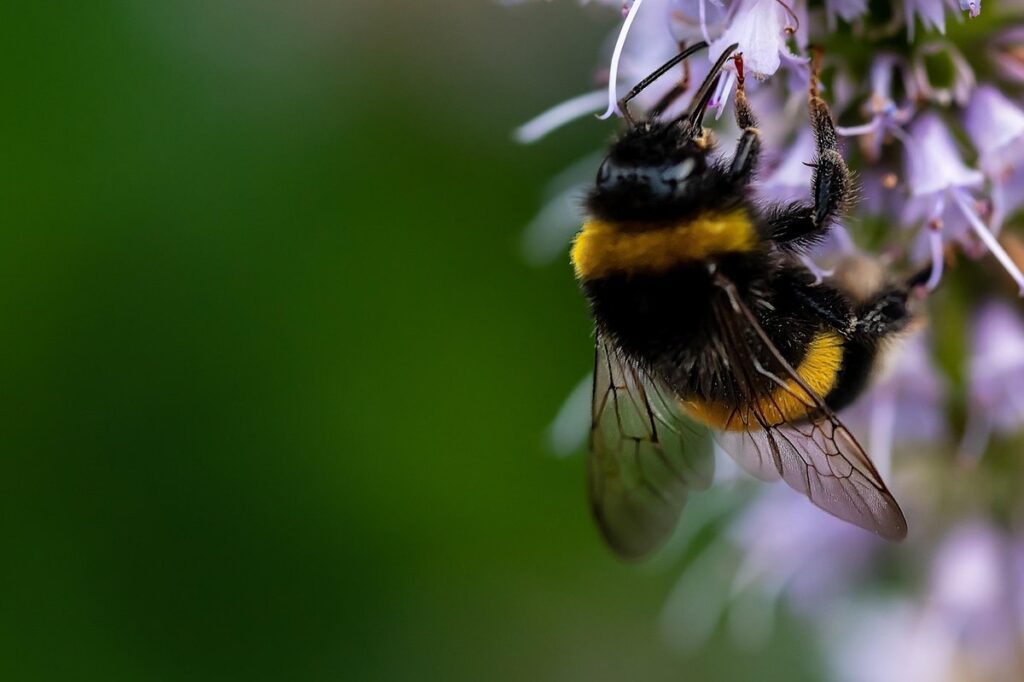
Pollinators are some of the most crucial components of our ecosystem, and their importance cannot be overstated. Bees, butterflies, hummingbirds, and other pollinator species play a vital role in maintaining the health and diversity of our environment. Without them, many plants would be unable to reproduce, leading to a significant decline in food production and biodiversity.
In fact, it’s estimated that one-third of all crops globally rely on pollinators for reproduction. This includes staple foods like apples, blueberries, and avocados. The loss of pollinator populations could have far-reaching consequences for human food security. To put this into perspective, a study found that if bees alone were to disappear, the global economy would lose around $200 billion annually.
To create a pollinator-friendly flower garden layout, it’s essential to understand the importance of these species and how we can support them. This includes incorporating plants that are rich in nectar and pollen, as well as providing a source of water for them to drink from. By doing so, you’ll not only be supporting the local ecosystem but also enjoying a beautiful and thriving garden that’s teeming with life.
The Threats Facing Pollinators Today
Pollinators are facing numerous threats that could potentially lead to their decline. One of the main issues is habitat loss, which has resulted in a significant decrease in the availability of food and shelter for these vital creatures. The widespread destruction of natural habitats, such as meadows and forests, has left many pollinators without the resources they need to survive.
Pesticide use is another major threat to pollinators. Many pesticides, particularly neonicotinoids, have been shown to be highly toxic to bees and other pollinators. In fact, studies have found that even small amounts of these chemicals can cause significant harm to pollinator populations. As a result, it’s essential to choose plants that are resistant to pests and diseases, reducing the need for pesticides.
Climate change is also having a profound impact on pollinators. Changes in temperature and precipitation patterns are altering the availability of nectar-rich flowers, making it difficult for pollinators to find food. By creating a pollinator-friendly flower garden layout, you can provide these creatures with the resources they need to thrive, even in the face of climate change.
When choosing plants for your garden, opt for those that are native to your region and have been specifically selected for their ability to support local pollinators. Some examples include lavender, coneflower, and bee balm. These plants not only provide a source of food but also offer shelter and habitat for pollinators.
In addition to selecting the right plants, it’s essential to consider the overall design of your garden. Incorporating features such as log piles, rock piles, or brush piles can provide vital shelter and habitat for pollinators.
Designing a Pollinator-Friendly Garden Layout
When designing your garden layout, consider incorporating a mix of plants that bloom at different times to provide a constant source of nectar and pollen for pollinators. This diversity will attract bees all season long.
Choosing the Right Location for Your Garden
When selecting a location for your pollinator-friendly garden, it’s essential to consider three key factors: sunlight, soil type, and wind protection. These elements will significantly impact the health and diversity of your plant species, ultimately affecting their ability to attract pollinators.
Start by assessing the amount of direct sunlight your yard receives. Most flowers, including those that are beneficial for pollinators, require at least six hours of direct sunlight per day. If your yard is shaded, consider choosing shade-tolerant plants like coral bells or impatiens. Conversely, if you have a spot with full sun exposure, make the most of it by planting warm-season flowers such as black-eyed Susans and cosmos.
Next, think about the soil type in your chosen location. Pollinators prefer gardens with well-draining soil that is rich in organic matter. If your soil is heavy clay or sandy, consider amending it before planting to create a more hospitable environment for your plants’ roots. Additionally, ensure good air circulation by choosing a spot that provides some wind protection, either through the use of natural barriers like fences or shrubs or by strategically placing plants to block harsh winds.
Selecting Plants That Attract Pollinators
When selecting plants that attract pollinators to your garden, it’s essential to choose nectar-rich flowers and host plants. Nectar-rich flowers are those that have an abundance of nectar, a sweet, energy-rich liquid secreted by plants to attract pollinators. Examples of these include sunflowers, zinnias, cosmos, and marigolds. These flowers come in a variety of colors and bloom times, ensuring that your garden provides a constant source of nectar throughout the growing season.
In addition to nectar-rich flowers, host plants are equally important for pollinators. Host plants provide food and shelter for caterpillars, which eventually become adult butterflies. For instance, milkweed is a crucial host plant for monarch butterflies, as it’s the only plant that allows their caterpillars to feed on its toxic leaves.
To create a diverse and thriving pollinator garden, consider incorporating both nectar-rich flowers and host plants into your design. This will ensure that you attract a variety of pollinators, including bees, butterflies, and hummingbirds, which in turn will contribute to the overall health and biodiversity of your garden. By choosing the right plants for the season and region, you can create a pollinator-friendly oasis in even the smallest of spaces.
Considerations for Garden Size and Shape
When designing a pollinator-friendly garden layout, it’s essential to consider the size and shape of your garden. This may seem like a straightforward task, but it can significantly impact the overall aesthetic and functionality of your space.
If you have a small garden (less than 100 square feet), focus on creating a compact, yet diverse layout that includes a mix of native plants, herbs, and flowers. Consider using a circular or triangular shape to maximize space and create a visually appealing design. For example, you could plant a sun-loving succulent in the center, surrounded by a ring of lavender and bee-friendly flowers like coneflower.
For larger gardens (100-500 square feet), think about creating different sections or zones that cater to specific pollinators. This might include a separate area for hummingbirds, butterflies, or bees. When shaping your garden, remember that curves can be more visually appealing than straight lines and can also help to direct water runoff.
Ultimately, the key is to prioritize flexibility and adaptability in your design. Consider leaving some areas unplanted to allow for future growth and expansion. By doing so, you’ll create a pollinator-friendly oasis that thrives over time.
Plant Selection for Different Seasons
When creating a pollinator-friendly flower garden, it’s essential to choose plants that thrive during each season to ensure a constant nectar source for your visitors year-round. Let’s explore some seasonal favorites to consider.
Spring-Blooming Flowers for Early Pollinator Activity
When designing a pollinator-friendly flower garden layout, it’s essential to consider the early spring bloomers that will kick-start activity for these vital creatures. As one of the first signs of life after winter, spring-blooming flowers like crocuses and daffodils are perfect for attracting pollinators back to your garden.
Planting these bulbs in a strategic location can provide an immediate source of nectar and pollen for early-arriving bees, butterflies, and other pollinators. Crocuses, for instance, typically bloom around late winter to early spring (February to April), while daffodils follow closely behind (March to May). By incorporating these bulbs into your garden design, you’ll be providing a vital food source during the period when natural resources are scarce.
To maximize their impact, consider planting multiple types of spring-blooming flowers in clusters or drifts throughout your garden. This will not only create visual interest but also provide pollinators with an abundance of nectar and pollen to fuel their activity.
Summer Flowers That Attract Pollinators During Peak Season
Summer is here, and with it comes an explosion of vibrant blooms that will make your pollinator-friendly garden truly come alive. As we discussed earlier, having a mix of early-blooming flowers to attract pollinators as soon as they emerge from hibernation is crucial. But now, it’s time to focus on the summer blooms that will provide a constant source of nectar and pollen for our busy pollinator friends.
For the peak summer months, we recommend incorporating sunflowers (Helianthus annuus) into your garden layout. These towering beauties not only add drama and height but also attract a range of pollinators, including bees, butterflies, and hummingbirds. Their large, bright yellow blooms are rich in nectar, making them an ideal choice for hot summer days.
In addition to sunflowers, consider planting zinnias (Zinnia spp.), cosmos (Cosmos bipinnatus), and dahlias (Dahlia variabilis). These flowers come in a variety of colors and bloom sizes, but all share the same trait: they’re magnetically attractive to pollinators. Plant them en masse for a stunning display or intersperse them among your existing blooms for added diversity.
By incorporating these summer stars into your garden layout, you’ll create a vibrant haven that will attract pollinators in droves and provide them with the sustenance they need to thrive.
Autumn Flowers for Late-Season Pollinator Support
As autumn arrives, many gardeners assume that their pollinator-friendly flower garden has reached its peak. However, this couldn’t be further from the truth. Late-season flowers can provide a vital source of nectar and pollen for pollinators like bees, butterflies, and hummingbirds. To support these essential visitors during the colder months, incorporate autumn-blooming flowers into your garden layout.
Choose plants that thrive in cooler temperatures, such as asters, chrysanthemums, and sedum. These flowers often bloom from September to November, providing a rich source of nectar for pollinators. Consider adding shrubs like viburnum or witch hazel, which produce fragrant flowers that attract pollinators.
When selecting late-season plants, ensure they are native to your region and suitable for your local climate. This will not only support pollinators but also reduce maintenance requirements. By incorporating these autumn-blooming flowers into your garden layout, you’ll be providing a vital lifeline of food and shelter for pollinators during the leaner winter months.
Some examples of beneficial plants include:
* Asters (Symphyotrichum spp.) – These daisy-like flowers bloom in shades of pink, purple, and white from September to November.
* Chrysanthemums (Chrysanthemum spp.) – These fall-blooming flowers come in a range of colors, from yellow to orange to red.
* Sedum (Sedum spp.) – With its thick, fleshy leaves and vibrant blooms, sedum is a pollinator magnet.
Incorporating Native Plants and Habitat Features
When designing a pollinator-friendly garden, incorporating native plants and habitat features is crucial to attract these beneficial insects. We’ll explore how to do just that in this section.
The Benefits of Planting Native Species
When it comes to creating a pollinator-friendly flower garden layout, planting native species is one of the most effective strategies for supporting local pollinators. Unlike non-native plants that may be attractive to bees and butterflies but provide little sustenance, native plants have co-evolved with these creatures over thousands of years, providing them with exactly what they need.
Native plants offer a range of benefits for pollinators, including nectar, pollen, shelter, and host plants for their larvae. For example, milkweed is essential for monarch butterflies as it provides the only food source for their caterpillars. Similarly, native flowers such as bee balm, coneflower, and black-eyed Susan offer rich sources of nectar that are tailored to specific pollinator needs.
By incorporating native species into your garden design, you can create a haven for local pollinators while also reducing the need for pesticides and fertilizers. Research has shown that plant communities with high levels of native species support significantly more pollinators than those dominated by non-native plants. To maximize the benefits, choose plants that are specific to your region and consult with local nurseries or botanical gardens to ensure you’re selecting the right species.
Creating a Pollinator Hotel or Bug House
Creating a pollinator hotel or bug house is an excellent way to provide shelter and habitat for solitary bees and other beneficial insects. These structures are specifically designed to mimic the natural habitats of these creatures, providing them with a safe place to nest, lay eggs, and overwinter.
To build your own pollinator hotel, you can use a variety of materials such as bamboo tubes, straws, or hollow reeds. Drill some holes in the ends of each tube at different diameters to accommodate various species. You can also add some wooden blocks or straws with holes to provide additional nesting sites.
Consider installing the bug house in a sunny spot near your flower garden, ideally within 5-10 feet of your plants. This will help pollinators easily access the hotel while foraging for nectar and pollen. Make sure to place the hotel on a stake or post to keep it off the ground and dry. You can also add some mud or clay nearby to create a mud puddle, which many bees use as a source of protein.
Some popular designs include the “bee hotel” with individual tubes, or the “mason bee house” with a series of chambers for solitary masons. Experiment with different materials and designs to find what works best in your garden.
Maintenance Tips for a Thriving Pollinator Garden
To keep your pollinator garden thriving, regular maintenance is crucial – here are some essential tips to ensure your flowers and beneficial visitors remain healthy.
Watering Strategies for Drought-Tolerant Plants
When it comes to watering drought-tolerant plants in your pollinator-friendly flower garden, it’s essential to strike a balance between providing enough moisture and avoiding overwatering. In areas with hot summers and dry spells, it can be tempting to water frequently, but this can actually do more harm than good.
Drought-tolerant plants have adapted to survive with minimal watering, so frequent watering can cause roots to rot and make the plant more susceptible to disease. Instead, focus on deep watering techniques that allow the soil to absorb moisture slowly. This can be achieved by using a drip irrigation system or soaker hose, which delivers water directly to the roots of the plants.
Aim to water your drought-tolerant plants once or twice a week during hot summer months, depending on your local climate conditions. Be sure to check the soil moisture by inserting a finger into the soil up to the knuckle – if it feels dry, it’s time for watering. Also, consider incorporating mulch around plants to help retain moisture in the soil and reduce evaporation.
In areas with mild winters, you can water less frequently, typically once every 10-14 days. However, it’s still essential to monitor soil moisture levels to ensure your plants are receiving enough water.
Minimizing Pesticide Use and Encouraging Beneficial Insects
When it comes to creating a pollinator-friendly flower garden layout, minimizing pesticide use and encouraging beneficial insects is crucial. Integrated Pest Management (IPM) strategies prioritize natural predators, which are essential for maintaining a balanced ecosystem.
One of the most effective ways to minimize pesticide use is to adopt a “watch and wait” approach. Before reaching for pesticides, observe your plants closely to determine if the issue is indeed pests rather than disease or nutrient deficiencies. This simple step can save you from using unnecessary chemicals that harm beneficial insects.
To encourage beneficial insects, incorporate native plants that attract pollinators into your garden layout. Consider planting a mix of flowers that bloom at different times to provide a constant source of nectar and pollen throughout the growing season. Some excellent examples include coneflower, black-eyed Susan, and milkweed, which are all rich in nutrients for beneficial insects like bees, butterflies, and ladybugs.
By incorporating these strategies into your pollinator-friendly garden design, you’ll create an ecosystem that’s rich in biodiversity and minimizes the need for pesticides, ultimately supporting the health of both plants and beneficial insects.
Monitoring and Enjoying Your Pollinator Garden
Now that your pollinator garden is thriving, it’s time to enjoy its beauty while also monitoring its effectiveness at supporting these vital creatures. Let’s explore how to maximize this experience.
Tracking Pollinator Activity with Citizen Science Projects
As you enjoy your pollinator-friendly flower garden, you can also contribute to the larger picture of understanding and protecting these vital creatures. Citizen science projects provide a unique opportunity for individuals like you to participate in research efforts, helping scientists collect valuable data on pollinator activity.
Many organizations offer volunteer programs or apps that allow you to track pollinator behavior and contribute to ongoing studies. For example, the iNaturalist app allows users to record observations of plants and animals, including pollinators. By snapping a photo and submitting it through the app, you can help researchers better understand pollinator migration patterns, habitat preferences, and more.
Another option is the BeeSpotter program, which uses citizen science data to monitor honey bee populations. You can download the free app or access the website to record your observations of bees visiting flowers in your garden. By participating in these initiatives, you’ll not only be contributing to scientific research but also gaining a deeper understanding of your garden’s pollinator dynamics.
Some apps and programs even offer rewards or incentives for participants, such as badges or recognition on their websites.
Tips for Creating a Pollinator-Friendly Landscape in Urban Areas
When it comes to creating a pollinator-friendly landscape in urban areas, space can be a major constraint. However, that doesn’t mean you can’t create a haven for these vital creatures in even the smallest of spaces. To adapt pollinator-friendly design principles for small spaces or urban gardens, consider the following tips.
Firstly, focus on native plant species that are well-suited to your local climate and soil conditions. These plants will require less maintenance and care than non-native varieties, making them perfect for busy urban gardeners. For example, if you’re gardening in a hot and dry climate, try incorporating drought-tolerant flowers like lavender or coneflower into your design.
When selecting plants, also think about their growth habits and mature sizes to ensure they won’t overcrowd the space or shade out other plants. Consider using vertical planters or trellises to make the most of available wall space and create a layered look.
Another key consideration is soil health. Urban soils can be depleted of nutrients due to heavy foot traffic, construction, and other environmental factors. To combat this, add organic matter like compost or manure to your soil to improve its fertility and structure. This will not only support plant growth but also attract beneficial microorganisms that pollinators need.
By incorporating these design principles into your urban garden, you can create a thriving oasis for pollinators even in the most compact of spaces.
Frequently Asked Questions
Can I create a pollinator garden on a small urban lot or balcony?
You can create a thriving pollinator garden even with limited space. Choose compact, nectar-rich flowers like dwarf sunflowers, lavender, and herbs like mint and rosemary. Also, consider using vertical gardens or containers to maximize your space.
How do I attract hummingbirds to my pollinator garden?
Hummingbirds are attracted to red, tubular flowers that offer nectar. Incorporate plants like trumpet vines, honeysuckle, and cardinal flower into your garden design. Additionally, ensure you have a source of water, such as a birdbath or shallow dish, with fresh water for hummingbirds to drink from.
What if I have poor soil quality in my garden? Can I still create a pollinator-friendly space?
Poor soil doesn’t mean you can’t create a pollinator garden. Focus on selecting plants that thrive in challenging conditions, like native wildflowers and succulents. You can also improve your soil health by adding organic matter like compost or mulch.
How do I ensure my pollinator garden remains diverse throughout the seasons?
To maintain diversity, incorporate a mix of annuals and perennials that bloom at different times. Consider planting spring-blooming bulbs, summer-flowering perennials, and autumn-blooming shrubs to provide nectar sources year-round.
Can I use pesticides in my pollinator garden? What are the risks?
Minimizing pesticide use is crucial for a healthy pollinator garden. While it’s tempting to control pests, many chemicals harm or kill pollinators. Instead, adopt integrated pest management techniques, like introducing beneficial insects and using physical barriers to control pests.