
Are you tired of seeing your cilantro crops get ravaged by pests or succumb to disease? Or perhaps you’re looking for ways to take its flavor to the next level? Companion planting is a game-changer for gardeners, and when it comes to cilantro, the right pairing can make all the difference. By planting certain herbs and flowers alongside your cilantro, you can enhance its growth, boost its flavor, and even increase its resistance to pests. In this article, we’ll explore some of the best companion plants to pair with cilantro in your garden, so you can take its cultivation to new heights. From basil to dill, we’ll cover the top picks that will help you grow a healthy, thriving cilantro crop.
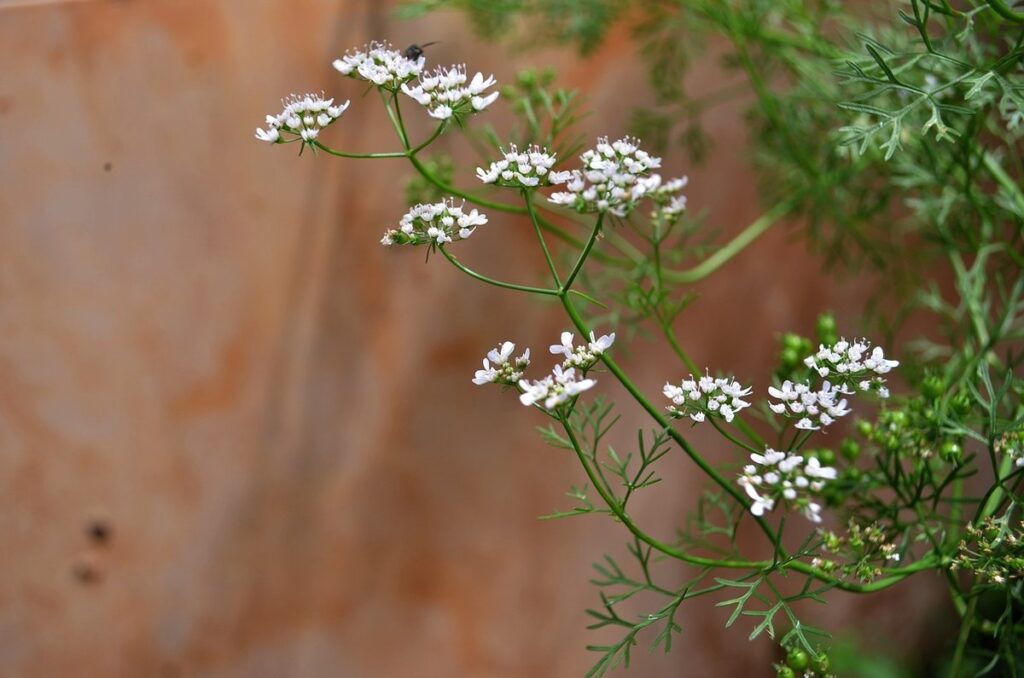
Understanding Cilantro’s Unique Needs
Cilantro can be a finicky herb, requiring specific growing conditions and care to thrive. Let’s explore its unique needs and how to tailor your companion planting strategy accordingly.
Cilantro’s Growth Habits and Requirements
Cilantro is a fast-growing herb that has unique growth habits and requirements. As a direct result of its short lifespan, it grows rapidly, producing seeds within as little as three weeks after germination. This rapid growth cycle can be attributed to cilantro’s ability to thrive in optimal conditions.
In terms of ideal climate conditions, cilantro prefers full sun to partial shade. It excels when exposed to at least 4-6 hours of direct sunlight daily, although it can tolerate shaded areas with reduced sunlight. However, this sensitivity to light is a crucial factor to consider when selecting companion plants.
To promote optimal growth and prevent overwatering, ensure your cilantro receives well-draining soil. Aim for a mix that drains excess water efficiently while maintaining moisture levels suitable for the herb’s rapid growth cycle. Regular watering, without allowing the soil to become waterlogged, will contribute to healthy root development and encourage robust leaf production.
Challenging Cilantro: Common Problems and Solutions
When it comes to growing cilantro, many gardeners face common challenges that can be frustrating and impact the flavor and health of this versatile herb. One of the most significant issues is pest infestation, particularly from aphids, whiteflies, and spider mites. These tiny insects can quickly multiply and damage the leaves, causing them to become distorted or discolored.
To combat these pests, try using neem oil or insecticidal soap to create a gentle yet effective spray. Mix 2 tablespoons of neem oil with 1 quart of water and apply it to the affected areas every few days. You can also introduce beneficial insects like ladybugs or lacewings, which feed on aphids and other pests.
Another common problem is nutrient deficiency, particularly a lack of nitrogen or iron. Cilantro requires well-draining soil rich in organic matter to thrive. To address this issue, add compost or well-rotted manure to the soil before planting cilantro. Regularly inspect your plants for signs of nutrient deficiency and adjust your fertilization schedule accordingly.
Lastly, disease can also be a problem for cilantro, with powdery mildew being one of the most common issues. To prevent this fungal infection, ensure good air circulation around your plants by leaving enough space between them. If you notice any symptoms, treat your plants with a mixture of 1 tablespoon of baking soda and 1 gallon of water. By addressing these common challenges head-on, you can help your cilantro companion plants thrive and reach their full flavor potential.
Selecting the Right Companion Plants
When it comes to growing cilantro, choosing the right companion plants can make all the difference in flavor and health benefits. We’ll explore some great options to try alongside your cilantro crop.
Benefits of Planting Companions
When you plant cilantro with the right companion plants, it’s like giving this finicky herb a boost of magic. Companion planting can enhance cilantro’s growth, flavor, and pest resistance in numerous ways.
Certain plants repel pests that target cilantro, such as aphids, whiteflies, and spider mites. Basil, for instance, is known to repel these pests with its strong scent, while also attracting beneficial insects like bees and butterflies. Planting basil alongside cilantro can increase the herb’s growth rate and yield.
On the other hand, some plants attract beneficial insects that pollinate cilantro flowers or feed on aphids and other pests. Nasturtiums, for example, are a natural trap crop that attracts aphid-loving predators like lacewings and ladybugs. By planting these beneficial insect-attractors near your cilantro, you can create a balanced ecosystem that promotes healthy growth and reduces the need for pesticides.
Some popular companion plants for cilantro include dill, parsley, and chives. These herbs not only repel pests but also enhance cilantro’s flavor when used together in recipes.
Companion Plants to Repel Pests
When it comes to growing cilantro, companion planting can be a game-changer. Not only does it boost flavor and health, but it also helps repel pests that target this delicate herb. Let’s explore some of the top companion plants that keep aphids, spider mites, and nematodes at bay.
Basil is an excellent choice to pair with cilantro. Its strong scent repels aphids and whiteflies, common culprits of cilantro damage. To plant basil effectively, make sure to sow it alongside your cilantro seeds or transplant a mature basil plant nearby. Keep in mind that basil prefers well-draining soil and full sun.
Nasturtiums are another pest-repelling powerhouse. These colorful flowers attract beneficial insects like lacewings and hoverflies, which feed on aphids and other pests. To maximize nasturtium’s benefits, sow them around the perimeter of your cilantro bed or intersperse them among the plants.
The Best Cilantro Companion Plants for Your Garden
When growing cilantro, it’s not just about getting the right soil and sunlight – pairing it with the right companion plants can elevate your harvest in more ways than one. Let’s explore these game-changing pairings!
Annual Companions
When it comes to adding some magic to your cilantro plants, annual companions are a great place to start. Pairing cilantro with other herbs like basil, dill, or mint not only creates incredible flavor combinations but also provides potential pest-repelling benefits.
For instance, growing cilantro alongside basil can add a delightful twist to Mexican and Asian dishes. The pungency of basil complements the fresh flavor of cilantro perfectly, while its scent also repels pests like aphids and spider mites that might target your cilantro plants.
Dill is another excellent companion for cilantro, as it repels aphids, spider mites, and even nematodes. Plus, the anise-like flavor of dill pairs beautifully with cilantro in salads, soups, or sauces. To get the most out of this combination, plant dill around the perimeter of your cilantro bed to maximize its pest-repelling benefits.
Mint is another annual herb that can add a cooling twist to your cilantro plants. Its fragrance repels pests like aphids and whiteflies, while its refreshing flavor pairs well with cilantro in salads or as a garnish.
Perennial Companions
When it comes to choosing perennial companion plants for cilantro, there are several options that not only complement its growth but also offer additional health benefits for the garden ecosystem. One such option is lavender, which is known for its calming properties and ability to repel pests that target cilantro, such as aphids and spider mites.
Rosemary is another perennial companion plant that pairs well with cilantro. Not only does it add a fragrant scent to the garden, but it also attracts beneficial insects like bees and butterflies, which can help pollinate your cilantro plants. Additionally, rosemary’s strong scent can help deter pests that might be attracted to cilantro.
Another option is marjoram, a low-maintenance herb that complements cilantro’s growth while offering antifungal properties that can help prevent root rot in cilantro plants. To incorporate these perennials into your garden, simply plant them alongside your cilantro seeds or seedlings, and enjoy the added benefits of their presence.
Companion Plants to Enhance Cilantro’s Flavor
If you’re looking to take your cilantro game to the next level, read on as we reveal the top companion plants that’ll elevate its flavor and aroma in a big way!
Spicy and Savory Pairings
When it comes to pairing cilantro with other herbs, few combinations can match the magic of spicy and savory pairings. Chili peppers, garlic, and onions are three staples that not only complement cilantro’s freshness but also amplify its flavor.
Chili peppers bring an instant kick to dishes, elevating cilantro’s brightness into a harmonious balance of heat and coolness. For instance, in Indian cuisine, chili peppers and cilantro come together in a classic combination known as “chutney,” adding depth and complexity to naan breads and other accompaniments.
On the other hand, garlic and onions bring a rich, savory element that rounds out cilantro’s zesty flavor. When sautéed together with cilantro, these three ingredients create a fragrant mixture perfect for sauces or marinades. Simply mix them in equal proportions, adjust seasoning to taste, and use as desired.
To incorporate this trio into your cooking, start by mincing the garlic and onions before adding them to a pan with some olive oil. Let it cook until softened, then stir in the chopped cilantro and a pinch of red pepper flakes for an added boost of heat.
Soothing Combinations
When it comes to creating soothing combinations with cilantro, pairing it with calming herbs like mint, lemongrass, or chamomile can have a profound effect on both the flavor and health benefits. For instance, cilantro’s pungency is perfectly balanced by the cooling properties of peppermint, making them an ideal duo for teas that aid digestion. Simply steep 1/2 cup fresh cilantro leaves along with a handful of peppermint leaves in boiling water to create a calming tea.
Another harmonious pairing is cilantro and lemongrass, which together create a refreshing and citrusy flavor profile perfect for salads or marinades. To make a flavorful salad dressing, combine 1/4 cup chopped fresh cilantro with 2 tablespoons lemongrass paste, 2 tablespoons olive oil, and 2 tablespoons lime juice.
For those looking to harness the therapeutic benefits of cilantro, pairing it with chamomile can be incredibly soothing for digestive issues. Steep 1 tablespoon dried chamomile flowers along with 1/4 cup fresh cilantro leaves in boiling water to create a calming tea that promotes relaxation and soothes the stomach.
Growing a Diverse Cilantro Garden
To grow a thriving cilantro garden, it’s essential to create a diverse and harmonious ecosystem by combining these popular herbs with complementary companion plants. Let’s explore some top picks for a vibrant and resilient cilantro garden!
Incorporating Companion Plants into Your Design
When designing an efficient and beneficial companion planting layout for your cilantro garden, consider the mature size of each plant variety. For instance, basil requires more space to grow than cilantro does, so it’s best to place basil at a distance from cilantro or allocate more space in your design for basil plants.
Some plants repel pests that target cilantro, making them ideal companions. For example, dill and fennel can help keep aphids away from cilantro, while radishes can deter cucumber beetles. To incorporate these beneficial relationships into your garden’s layout, group these companion plants together with your cilantro.
As you arrange your plants, remember that tall plants like sunflowers or comfrey can provide shade for smaller ones like herbs and greens. Conversely, taller plants might benefit from being placed near a trellis or stake to ensure they receive adequate support.
Encouraging Biodiversity with Companion Planting
Incorporating diverse, mutually supportive plants into your cilantro garden is a game-changer for long-term health and productivity. By choosing companion plants that benefit one another through pollination, pest control, or nutrient provision, you’ll create a thriving ecosystem that’s more resilient to pests and diseases.
For instance, planting marigolds alongside cilantro repels nematodes, microscopic worms that can devastate this fast-growing herb. Similarly, basil enhances the growth of nearby cilantro by attracting beneficial wasps and other pollinators. By carefully selecting these supportive plants, you’ll not only boost the overall yield but also foster a balanced soil microbiome.
To get started, consider incorporating nitrogen-fixing legumes like beans or peas into your garden. These plants convert atmospheric nitrogen into a form that’s readily available to other plants, promoting healthy growth and development. Another tip is to alternate between plants with different watering needs, such as drought-tolerant herbs alongside thirsty leafy greens. By embracing biodiversity in your cilantro garden, you’ll reap rewards for years to come.
Harvesting and Preserving Cilantro with Companion Plants
Now that you’ve learned how to pair cilantro with its beneficial buddies, let’s dive into harvesting and preserving your fresh cilantro for maximum flavor and nutrition.
Tips for Successful Harvesting
When it comes to harvesting cilantro with companion plants, timing is everything. You want to pluck those fragrant leaves at their peak flavor and aroma, which usually occurs when the plant is about 6-8 inches tall. However, this can be a challenge, especially if you’re growing in hot climates or have a tendency to forget (no judgment here!).
To ensure optimal harvesting, try to pick your cilantro leaves in the morning, after the dew has evaporated but before the heat of the day sets in. This will help prevent moisture loss and preserve those delicate flavors.
Companion planting can also aid in maintaining healthy crops throughout the season. For instance, basil is known to repel pests that target cilantro, such as aphids and spider mites. By growing these plants together, you’ll enjoy a pest-free harvest with minimal maintenance. Simply thin out your basil plants to encourage bushy growth and let them do their magic.
Another benefit of companion planting is improved soil health. Many companion plants, like marigold and calendula, attract beneficial insects that help control pests and fertilize the soil naturally. By incorporating these plants into your garden, you’ll enjoy a more balanced ecosystem and reduced need for chemical pesticides or fertilizers.
Preserving Cilantro’s Flavor and Nutrients
Preserving cilantro’s delicate flavor and nutrients can be a challenge due to its high water content and tendency to spoil quickly. However, there are several techniques that can help you enjoy this herb throughout the year. Drying is one effective method: simply tie cilantro stems together in small bunches and hang them upside down in a warm, dry place. You can also freeze the leaves and stems by chopping them finely and placing them in an airtight container or freezer bag.
Companion plants like basil and mint can enhance these preservation methods. Basil’s strong scent can help repel pests that target cilantro, reducing the need for pesticides and preserving more of the herb’s natural flavor. Mint, on the other hand, has antibacterial properties that can extend the shelf life of frozen or dried cilantro. To make the most of these benefits, try infusing your preserved cilantro with mint by layering them in a jar and covering them with oil.
By incorporating these techniques into your preservation routine, you can enjoy cilantro’s unique flavor and nutritional benefits year-round while also reducing waste and supporting sustainable gardening practices.
Conclusion: Unlocking Cilantro’s Full Potential
Now that we’ve explored the best companion plants for cilantro, let’s summarize our key takeaways and unlock its full potential in your garden.
Recap of Key Companion Plant Benefits
When you’ve incorporated cilantro companion plants into your garden, it’s essential to remember that these pairings are working together to create a more thriving and resilient ecosystem. By now, you know that companion planting can offer numerous benefits for your cilantro cultivation.
Pest control is one of the most significant advantages of companion planting with cilantro. For instance, basil repels aphids and whiteflies, two common pests that target cilantro leaves. On the other hand, dill attracts beneficial insects like lacewings and hoverflies that feed on aphid eggs and larvae. By pairing your cilantro with pest-repellent plants, you can reduce the need for pesticides and keep your garden safer.
Companion planting also enhances flavors in your cilantro dishes. Combine it with lemon balm, which is said to improve the aroma of herbs, or pair it with parsley, which can bring a fresh twist to salads and sauces.
In addition to these advantages, companion planting has been shown to promote improved growth in cilantro plants. For example, planting marigold flowers near your cilantro crop can deter nematodes and other soil-borne pests that can stunt the growth of cilantro roots.
Inspiring a Healthier, More Resilient Garden Ecosystem
As you’ve seen throughout this journey with cilantro companion plants, we’ve only scratched the surface of their incredible potential. Now it’s time to take the next step and create a truly thriving garden ecosystem that showcases the magic of companion planting.
By incorporating diverse plants into your design, you’ll not only enhance the flavor and aroma of your cilantro but also promote biodiversity and resilience in your garden. Think of your garden as a tiny ecosystem, teeming with life and interconnected relationships between plants. By thoughtfully selecting companion plants, you can create a balanced and harmonious environment that minimizes pests and diseases while maximizing growth.
To get started, identify areas in your garden where diversity is lacking and introduce new plants that complement the needs of your cilantro. For example, marigolds repel nematodes and attract beneficial insects, while dill improves soil health and supports pollinators. By experimenting with different combinations, you’ll uncover unique solutions to common gardening challenges and unlock the full potential of your garden.
Frequently Asked Questions
Can I grow cilantro alongside other herbs, even if they have different sunlight requirements?
Yes, with a little planning, you can create a diverse cilantro garden that accommodates plants with varying light needs. Consider using a trellis or a vertical garden to maximize space and ensure each plant receives the right amount of sunlight.
How do I know which companion plants are most effective against specific pests that target my cilantro crop?
To determine the best companion plants for your pest control, research the types of pests commonly affecting cilantro in your region. For example, basil is known to repel aphids and whiteflies, while dill can help deter spider mites.
What’s the ideal spacing between cilantro plants when using companion planting strategies?
The ideal spacing will depend on the specific companion plant you’re pairing with cilantro. Generally, it’s recommended to space companion plants 6-12 inches apart from one another and at least 12 inches away from cilantro.
Can I use perennial companion plants that won’t need to be replanted every season?
Yes, incorporating perennial companion plants like dill, sage, or rosemary into your garden can provide long-term benefits for your cilantro crop. These perennials will come back year after year, reducing the need for constant replanting.
How do I integrate companion planting with my existing garden design, if it’s already overcrowded?
To successfully incorporate companion planting into an overcrowded garden, start by assessing which areas have the most sunlight and space. Remove any weak or struggling plants to make room for new companions, ensuring that each plant has enough room to thrive.