
Parsley is one of those garden staples that can quickly become overwhelming to care for, especially when pests or diseases start to take their toll. But did you know that there are certain plants that can not only repel these unwanted visitors but also boost parsley growth and flavor? Companion planting is a game-changer for any gardener looking to get the most out of their herbs. By pairing parsley with specific plants, you can create an environment that fosters healthy growth, encourages beneficial insects, and even enhances the natural sweetness of your parsley leaves. In this article, we’ll explore the best companion plants for parsley, so you can say goodbye to pest problems and hello to a thriving herb garden.
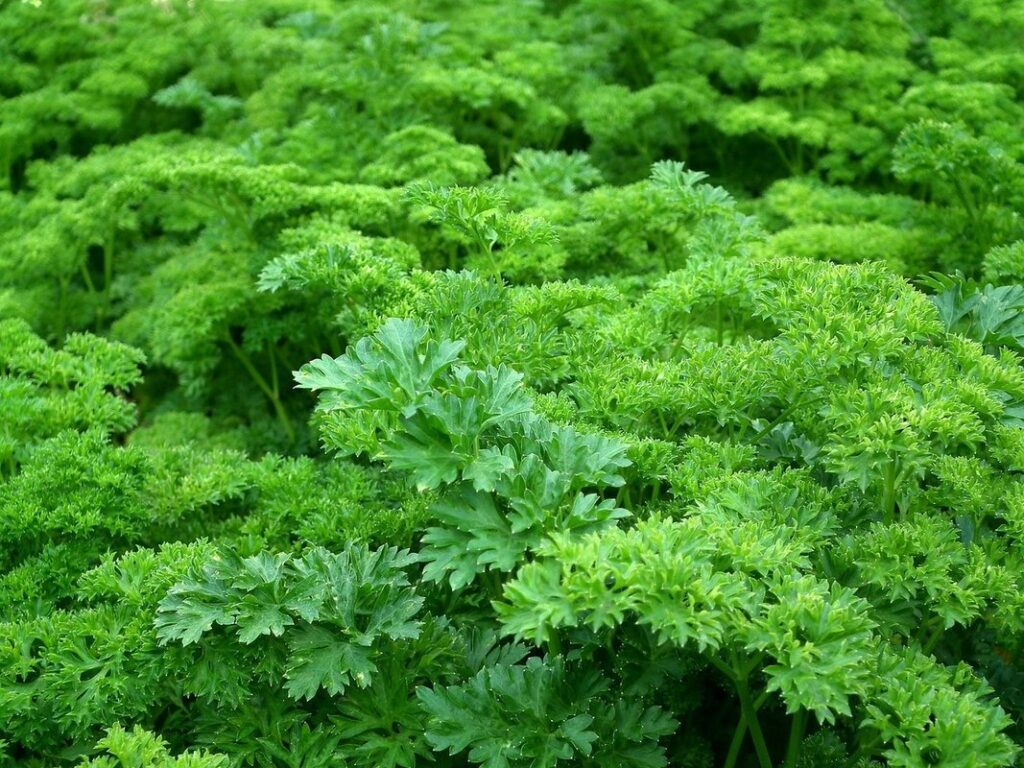
What are Companion Plants?
When growing parsley, it’s essential to understand what companion plants are and how they can benefit your herb garden, from pest control to improved growth. Companion planting is a simple yet effective way to boost your parsley’s health.
Benefits of Companion Planting
Companion planting can have a profound impact on parsley growth, health, and flavor. By strategically pairing parsley with other plants, you can create a thriving ecosystem that enhances its natural abilities. For instance, planting parsley alongside basil repels pests that target the herb, such as aphids and spider mites. This not only protects your parsley but also reduces the need for pesticides.
Other companion plants like carrots and rosemary help to repel carrot flies and improve soil health, which in turn benefits parsley growth. Cilantro, a natural pest repellent, can be paired with parsley to deter nematodes that harm parsley roots. By incorporating these beneficial relationships into your garden or indoor space, you’ll not only boost parsley’s growth but also enhance its flavor.
When choosing companion plants for your parsley, consider their mature size and growth habits to ensure they won’t compete for resources like water and nutrients. Some popular options include dill, chamomile, and marigold – all of which promote healthy parsley growth while adding diversity to your garden or indoor space.
Understanding the Concept of Companion Plants
Companion planting is an age-old technique where different plants are paired together to enhance their growth, health, and overall performance. When done correctly, companion planting can be a game-changer for gardeners, allowing them to grow healthier, more robust, and flavorful crops.
Different plants interact with each other in unique ways, either positively or negatively. For instance, some plants repel pests that might damage your parsley, while others attract beneficial insects that pollinate the plant. By understanding these interactions, you can create a harmonious garden where your parsley companion plants thrive.
For example, basil is known to repel aphids and other pests that target parsley, making it an excellent companion plant for this herb. On the other hand, planting mint with parsley can help improve its flavor and aroma, but be cautious not to overdo it, as mint can quickly take over your garden!
Choosing the Right Companion Plants for Parsley
When selecting companion plants for parsley, it’s essential to choose varieties that will enhance its flavor and growth without competing for resources. Let’s explore some top picks!
Plants that Repel Pests that Harm Parsley
When it comes to growing parsley, companion planting is essential for maintaining its health and flavor. One way to achieve this is by incorporating plants that repel pests that target parsley. Among the most effective options are basil, mint, and lemongrass.
Basil, in particular, is a natural deterrent for aphids and whiteflies, which often attack parsley. Planting basil near your parsley bed can help keep these pests at bay. Additionally, basil’s fragrance can also improve parsley’s flavor and aroma. To reap its benefits, simply interplant basil among your parsley plants or grow them together in the same container.
Mint is another herb that repels pests that target parsley. Its strong scent deters ants, spider mites, and nematodes, which can damage parsley roots. However, be cautious when planting mint, as it can spread quickly and take over your garden bed. Consider containing it in a separate pot or using a physical barrier to prevent its spread.
Lemongrass is also an excellent choice for repelling pests that target parsley. Its citrusy fragrance deters mosquitoes, flies, and other insects that can damage parsley leaves. Planting lemongrass near your parsley bed can help maintain its health and promote a balanced ecosystem in your garden.
Plants that Attract Beneficial Insects to Parsley
When it comes to protecting parsley from pests and diseases, having beneficial insects on hand can be a game-changer. One way to attract these helpful critters is by planting companion plants that draw them in. Dill, fennel, and chamomile are three excellent choices for this purpose.
Dill, with its tall, feathery stalks, is a natural magnet for beneficial insects like aphid-eating ladybugs and lacewings. These insects will flock to the dill’s flowers, where they’ll feed on aphids and other pests that might be threatening your parsley. To maximize the benefits of dill as a companion plant, try planting it in close proximity to your parsley patch.
Fennel is another excellent choice for attracting beneficial insects. Its anise-scented blooms are particularly attractive to hoverflies, which are known to feed on aphids and other pests that might be harming your parsley. Planting fennel near your parsley will create a welcoming environment for these beneficial insects.
Chamomile, with its delicate white flowers, is also a great choice for attracting beneficial insects. Its blooms are a favorite of bees, butterflies, and hoverflies, all of which will help to pollinate your parsley plants and keep pests at bay.
Companion Planting for Improved Growth
When it comes to growing healthy and flavorful parsley, companion planting can make all the difference. In this next part of our guide, we’ll explore some top picks that will boost your parsley’s growth.
How Certain Plants Enhance Nutrient Uptake in Parsley
When it comes to improving nutrient uptake in parsley, certain companion plants can make all the difference. This is where the science of plant interaction comes into play. The roots of some companion plants release chemicals that stimulate the growth of parsley’s roots, allowing them to absorb more nutrients from the soil.
For example, planting marigolds alongside parsley enhances nutrient uptake by repelling nematodes and other pests that can damage the plant’s roots. This creates a healthier environment for parsley to absorb essential micronutrients like iron and zinc. Similarly, basil releases oils that stimulate root growth in nearby plants, including parsley. By companion planting with these beneficial herbs, you can significantly boost your parsley crop’s nutritional content.
Some key benefits of this approach include improved yields, enhanced flavor, and increased resistance to disease. To get started, try intercropping parsley with marigolds or basil in a well-draining soil mix. Keep in mind that the specific nutrient uptake benefits will vary depending on the companion plant used, so experiment with different combinations to find what works best for your garden.
Companion Plants that Reduce Stress in Parsley
When it comes to growing parsley, stress is a major concern. Pests, diseases, and environmental factors can all contribute to an unhealthy environment that affects the plant’s growth and flavor. Companion planting can help mitigate these issues by introducing plants that reduce stress in parsley.
Plants like marigold, nasturtiums, and calendula are known for their ability to repel nematodes, whiteflies, and aphids – common pests that target parsley. By growing these plants alongside parsley, you create a natural barrier against these threats.
Some herbs like basil and mint not only repel pests but also help reduce stress in parsley by promoting a balanced soil microbiome. Basil’s ability to attract beneficial insects like ladybugs and lacewings is especially valuable when grown with parsley.
When choosing companion plants for stress reduction, remember that diversity is key. Incorporate 3-4 different species into your garden bed to create a resilient ecosystem.
Companion Planting for Flavor Enhancement
When it comes to parsley companion plants, certain pairings can not only boost growth but also intensify its unique flavor. Let’s explore some exciting combinations that elevate your parsley game!
How Different Flavors Interact with Parsley
When it comes to companion planting for flavor enhancement, understanding how different flavors interact with parsley is crucial. For instance, pairing parsley with strong herbs like rosemary and thyme can create a savory and slightly bitter taste experience that complements many Mediterranean dishes.
On the other hand, combining parsley with sweet or pungent flavors can produce an intriguing contrast. Basil’s sweetness, for example, can balance out the earthy undertones in parsley, creating a refreshing flavor profile perfect for caprese salads or summer soups.
Similarly, parsley’s fresh and bright taste pairs well with acidic ingredients like lemons or citrus-herb marinades. Try pairing parsley with mint to create a revitalizing and cooling effect that’s ideal for refreshing drinks or desserts.
Experimenting with different flavor combinations can help you unlock the full potential of parsley in your cooking. By understanding how various flavors interact, you’ll be able to design harmonious pairings that elevate not only the taste but also the aroma of your dishes.
Companion Plants that Improve Aroma and Appearance
When it comes to parsley, not only do you want to focus on its incredible flavor-enhancing abilities, but also its aesthetic appeal and aroma. Fortunately, certain companion plants can help improve parsley’s texture, visual appeal, and fragrance.
One of the best ways to enhance parsley’s aroma is by planting lemon balm (Melissa officinalis) nearby. This herb not only repels pests that target parsley, such as carrot flies and rabbits, but also releases a citrusy scent that complements parsley’s fresh flavor. Basil (Ocimum basilicum), on the other hand, adds a slightly spicy aroma to parsley while deterring aphids and whiteflies.
In terms of texture, marigold (Calendula officinalis) is an excellent companion plant for parsley. Its bright orange and yellow flowers attract beneficial insects that prey on common parsley pests like nematodes. Plus, the flowers’ vibrant colors can add a pop of color to your garden, making it visually appealing.
For a more polished appearance, try planting mint (Mentha spp.) alongside your parsley. Mint’s sprawling habit helps shade out weeds and retain moisture in the soil, reducing parsley’s water needs. Its fragrance also masks any potential odors that might arise from nearby crops.
Common Mistakes to Avoid in Companion Planting
When working with companion plants, it’s easy to make mistakes that can harm your parsley’s growth and flavor. Let’s take a look at some common pitfalls to steer clear of!
Overcrowding: A Major Pitfall in Companion Planting
Overcrowding can be a major pitfall when growing companion plants with parsley. When companion plants are too close together, they compete for resources such as water, nutrients, and light, which can stunt the growth of both plants. This is especially true for delicate herbs like parsley that prefer well-spaced growing conditions.
To avoid overcrowding, consider the mature size of each plant when selecting your companion plants. For example, if you’re pairing parsley with a larger plant like sage or rosemary, leave enough space between them to allow for proper air circulation and growth. A general rule of thumb is to leave at least 6-8 inches of space between companion plants.
Some examples of overcrowding include planting mint too close to parsley, which can overpower the flavor and block out light, or allowing a large marigold to shade out smaller herbs like parsley. By providing enough space for each plant to thrive, you’ll be able to reap the benefits of companion planting without sacrificing your parsley’s growth and flavor.
Incompatible Plants that Should Not be Planted Together
When growing parsley companion plants, it’s essential to be aware of the plants that should not be planted alongside it. These incompatible plants can cause potential conflicts or competition for resources such as water, nutrients, and light.
For instance, members of the Brassica family like broccoli, cauliflower, and kale are natural attractors of aphids, which can transfer to parsley and compromise its health. Similarly, fennel is known to stunt parsley’s growth by competing with it for nutrients and space. Onions and garlic, while great companions in many cases, should not be planted alongside parsley as they belong to the Allium family and have different soil requirements.
Other plants that don’t mix well with parsley include members of the Solanaceae family like tomatoes and peppers, which can spread diseases to parsley. Additionally, strong-smelling herbs like mint and lemongrass can overpower the flavor of parsley and reduce its yield. By being mindful of these incompatible plants, you’ll create a harmonious garden where your parsley companion plants can thrive and produce an abundance of fresh, flavorful leaves.
Tips for Incorporating Parsley Companion Plants into Your Garden
When incorporating parsley companion plants into your garden, consider these expert tips to maximize growth and flavor potential. Learn how to pair parsley perfectly with other herbs and veggies.
Planning a Companion Planting Layout
When planning a companion planting layout that incorporates parsley, consider the mature size of each plant and their growth habits. For instance, tall sunflowers can provide shade for parsley, while spreading plants like marigold can repel pests that target it.
Begin by grouping similar plants together based on their sunlight and water requirements. Parsley prefers partial shade to full sun and consistent moisture. Place these plants in a location where they’ll receive the right amount of light.
Next, arrange plants with different growth habits around parsley. For example, compact herbs like thyme or oregano can be interplanted among rows of parsley, while taller crops like beans or peas can provide support for climbing parsley varieties.
To maximize space and promote healthy growth, consider a layered planting design. Plant taller companions in the back, with parsley in front. This layout allows for optimal sunlight penetration while preventing shading from competing plants.
Keep in mind that companion planting is not just about physical placement; it’s also about creating beneficial relationships between plants. For example, basil repels pests that target parsley and improves its flavor, making them ideal companions. By carefully planning your garden layout, you can create a diverse and thriving ecosystem where parsley thrives alongside other beneficial plants.
Maintenance and Monitoring: Ensuring Success with Companion Plants
Regular maintenance is crucial for companion plants to thrive alongside parsley. Start by watering them equally, ensuring they don’t compete with the parsley for moisture. Mulch around both plants to retain moisture and suppress weeds. Keep an eye out for pests like aphids and whiteflies, which can easily spread to the parsley.
Monitor your plants’ growth regularly, pruning companion plants when necessary to maintain a balanced ecosystem. For instance, trimming back tomatoes or basil will promote new growth and prevent overcrowding. This balance is essential for optimal flavor and pest control.
To monitor your plants’ health more effectively, set up a routine of inspecting them weekly. Look out for signs of nutrient deficiencies, disease, or pests. Early detection allows you to take action before issues escalate. Regular checks also help ensure that companion plants aren’t over-shading the parsley, allowing it to receive sufficient sunlight.
By maintaining and monitoring your companion plants effectively, you’ll create a harmonious garden ecosystem where both parsley and its companions can flourish. This harmony translates into more flavorful herbs, improved pest resistance, and a reduced need for pesticides or fertilizers.
Frequently Asked Questions
How do I choose the right companion plants for my parsley based on its growing conditions?
When selecting companion plants, consider the specific needs of your parsley, such as sunlight, water, and soil requirements. For example, if your parsley prefers partial shade, pair it with plants like mint or lemon balm that thrive in similar conditions. This will create a harmonious environment for healthy growth.
Can I use companion planting to completely eliminate pest problems?
While companion planting can significantly reduce pest issues, it may not be 100% effective against all pests. For severe infestations, consider using integrated pest management (IPM) techniques that combine physical barriers, crop rotation, and organic pesticides with companion planting strategies.
How long does it take to see the benefits of companion planting on parsley growth?
The benefits of companion planting can become apparent within a few weeks to a month after introducing the new plants. However, some effects may take longer to manifest, such as enhanced flavor or improved nutrient uptake. Be patient and observe your parsley’s response to its companion plants.
What happens if I overcrowd my parsley with too many companion plants?
Overcrowding can lead to reduced growth rates, increased susceptibility to disease, and decreased yields for both the parsley and its companions. Leave enough space between plants (about 12-18 inches) to ensure good air circulation and promote healthy development.
Can I use companion planting in containers or is it only suitable for in-ground gardens?
Companion planting can be successfully applied in both in-ground gardens and container gardens. When growing in containers, choose compact varieties of parsley and its companions that have similar space requirements. This will help create a balanced ecosystem within the smaller growing space.