
Are you tired of dealing with pests and diseases that destroy your jalapeno crop? Do you want to know the secret to growing bigger, juicier peppers with more flavor? Companion planting is the key! By pairing your jalapenos with the right plants, you can create a thriving ecosystem that naturally repels unwanted insects, promotes healthy growth, and even enhances the taste of your peppers. In this article, we’ll explore which plants are best suited to grow alongside jalapenos, from basil and cilantro to marigolds and nasturtiums. Whether you’re a seasoned gardener or just starting out, learning how to use companion planting can take your jalapeno harvest to the next level. Let’s dive in and discover the perfect pairings for a bountiful crop!
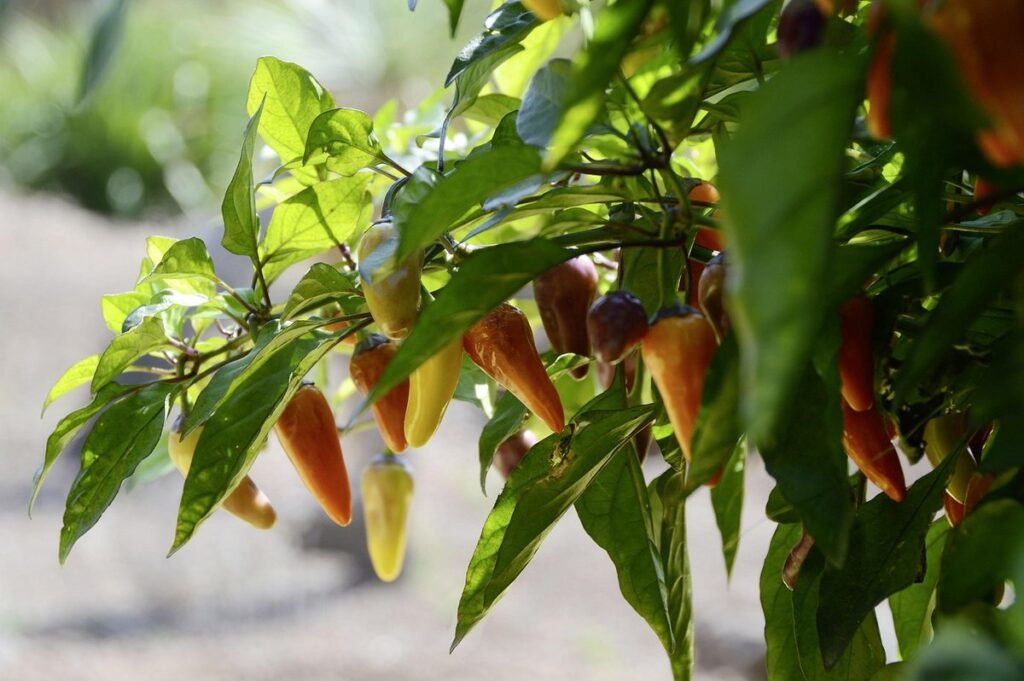
Benefits of Companion Planting with Jalapenos
By pairing jalapeno peppers with the right companion plants, you can enhance their flavor, increase yields, and even protect them from pests and diseases. Let’s explore some of these beneficial pairings together!
Improved Pest Control
When growing jalapeno peppers, it’s not uncommon for them to attract unwanted pests like aphids and whiteflies. These tiny insects can quickly spread disease and cause significant damage to your pepper plants. Fortunately, certain companion plants are naturally repellent to these pests, making them an excellent addition to your garden.
One of the most effective companion plants for repelling aphids is basil. Not only does it add a delicious flavor to many dishes, but its strong scent also deters aphids from feeding on your jalapenos. Planting basil nearby can help reduce aphid infestations by up to 70%. Nasturtiums and marigolds are also excellent choices for repelling whiteflies, as their bright flowers and strong scents confuse the insects, making it difficult for them to locate your peppers.
To get the most out of these pest-repelling plants, be sure to plant them around the perimeter of your jalapeno bed or interspersed among the plants. This will help create a barrier that prevents pests from reaching your peppers in the first place.
Enhanced Growth and Flavor
When you’re growing jalapenos alongside companion plants, you’ll often notice that their flavor and aroma are more vibrant. This is due to a phenomenon known as the “synergy effect,” where the scent of one plant is amplified by its neighbor. For instance, growing basil with jalapenos releases oils from both plants, resulting in an even spicier flavor.
Some companion plants can also improve soil health, which leads to enhanced growth and more robust peppers. Marigolds, for example, repel nematodes that could harm your jalapeno plant’s roots. By having these beneficial flowers nearby, you’re indirectly promoting the overall well-being of your pepper plants. To reap this benefit, try planting marigold seeds on either side of your jalapeno seedlings.
Another advantage is pest control. Plants like dill and cilantro can repel aphids and other pests that might target your jalapenos. This leads to healthier growth and less pruning necessary for damaged areas.
Choosing the Right Companion Plants for Jalapenos
When growing jalapeno peppers, selecting the right companion plants can make a huge difference in their flavor and productivity. We’ll explore some top picks that will boost your harvest.
Flowers That Attract Pollinators
When it comes to choosing companion plants for jalapenos, one often overlooked aspect is attracting pollinators. These tiny creatures play a crucial role in the life cycle of your pepper plants, and by incorporating flowers that attract them, you’ll be giving your jalapenos an extra boost.
Consider introducing marigolds into your garden – these bright, cheery flowers are a magnet for bees and butterflies. Planting them around the perimeter of your jalapeno bed will create a natural barrier against pests while drawing in beneficial pollinators. Nasturtiums are another great option; their delicate flowers and leaves repel aphids and whiteflies, but it’s their ability to attract hoverflies that makes them particularly useful.
Sunflowers are also a great choice for attracting pollinators – their towering height provides a natural landing spot for bees and butterflies, which will in turn help pollinate your jalapenos. Plant multiple sunflower varieties throughout your garden to create a ‘pollinator highway’ of sorts, giving your peppers the support they need to thrive. By incorporating these flowers into your companion planting strategy, you’ll be creating a thriving ecosystem that benefits both your jalapeno plants and local pollinators.
Herbs That Repel Pests
When it comes to companion planting with jalapenos, incorporating herbs that repel pests can be a game-changer for your pepper plants. One of the most well-known pest-repelling herbs is basil. Not only does its fragrance deter aphids and whiteflies, but it also improves growth by attracting beneficial insects like lacewings and hoverflies.
Another herb that deserves attention is mint – specifically, its invasive cousin, pineapple mint. While peppermint can be overwhelming to jalapenos, pineapple mint’s milder flavor makes it an excellent companion plant. It repels aphids, spider mites, and other pests that target jalapenos. Planting lemon balm or lemongrass nearby also has a similar effect: their citrusy scent drives away pesky insects while attracting pollinators.
To incorporate these herbs into your jalapeno garden, simply plant them alongside your peppers in the same bed. Make sure to leave enough space for proper growth and air circulation. These herbs can be used in cooking, too – double the benefit!
Vegetables That Pair Well with Jalapenos
When it comes to pairing vegetables with jalapenos, some unexpected companions can enhance flavor and growth. Let’s explore a few vegetables that pair surprisingly well with jalapenos.
Tomatoes and Jalapenos: A Classic Combo
Growing tomatoes alongside jalapeno peppers is a match made in heaven. Not only do they share similar growing requirements, but they also benefit from each other’s presence. Tomatoes are heavy feeders and can deplete the soil of nutrients if grown alone. However, when paired with jalapenos, the pepper plants’ spreading habit helps to shade out weeds that compete for water and nutrients.
This combination also reduces the risk of tomato diseases such as early blight and septoria leaf spot. Jalapenos release chemicals into the air that have antifungal properties, creating a natural defense system around the tomatoes. As an added bonus, the spicy aroma of jalapenos repels pests like aphids and whiteflies that target tomatoes.
To make the most of this pairing, plant tomato seedlings near mature jalapeno plants to create a beneficial microclimate. Water both plants regularly and maintain a consistent fertilization schedule to ensure they receive the nutrients they need. With proper care, you’ll enjoy an abundance of juicy tomatoes alongside a steady supply of spicy jalapenos – a winning combination for any gardener!
Cucumbers and Jalapenos: A Refreshing Duo
When it comes to companion planting with jalapenos, one refreshing duo that’s worth considering is cucumbers. Not only do they add a burst of flavor and moisture to salsas and salads, but they also have some beneficial effects on the growth and pest management of jalapeno plants.
Cucumbers are known to attract aphid-eating wasps and other beneficial insects that prey on pests that can harm jalapenos. This means you’ll have fewer issues with aphids, whiteflies, and spider mites in your jalapeno patch. Plus, cucumbers are heavy feeders and will compete with weeds for water and nutrients, reducing the need for mulching or weeding around your jalapeno plants.
To grow these two plants together effectively, make sure to provide a trellis or cage for the cucumber vines to climb on, keeping them separate from the jalapenos. Plant them near each other when they’re still young, about 12-18 inches apart. As they mature, you’ll have a healthy and thriving pair that will yield plenty of spicy peppers and crunchy cucumbers for your favorite recipes.
Fruiting Plants That Complement Jalapenos
When it comes to growing jalapenos, pairing them with complementary fruits and veggies can enhance their flavor and health. Let’s explore some popular fruiting plants that team up well with jalapenos in this section.
Peppers and Eggplants: A Sibling Rivalry
When it comes to growing jalapenos, many gardeners overlook the potential benefits of pairing them with another popular pepper variety: eggplant. While they may seem like an unlikely duo, growing eggplants alongside peppers can have several advantages.
For one, eggplants are known to repel the whitefly and aphid pests that can be detrimental to pepper plants. These pests can spread diseases like tobacco mosaic virus (TMV) and bacterial leaf spot, both of which can significantly impact jalapeno yields. By growing eggplants nearby, you can create a natural barrier against these unwanted visitors.
Additionally, eggplant roots have been shown to improve soil health by increasing the activity of beneficial microorganisms. This can lead to better nutrient uptake for peppers like jalapenos, resulting in healthier and more productive plants. To get the most out of this pairing, plant eggplants 12-18 inches away from your jalapeno plants and provide them with a similar growing environment.
Okra and Jalapenos: A Southern Pairing
Okra’s cooling effect on warm climates makes it an ideal companion plant for jalapenos. In regions with intense sunlight and high temperatures, okra can provide vital shade for jalapeno plants, reducing stress caused by heat exhaustion. This is especially beneficial during peak summer months when jalapenos are most vulnerable to heat damage.
As okra grows alongside jalapenos, its sprawling habit helps create a microclimate that shields the pepper plants from harsh sun rays and dry winds. By providing shade, okra promotes healthier growth in jalapenos, which can lead to increased yields and better flavor. In warm climates like those found in the southern United States, okra’s natural cooling effect is particularly valuable for jalapeno cultivation.
To pair okra with jalapenos effectively, plant them close together, about 12-18 inches apart. As okra grows taller, its canopy will naturally shade the surrounding area, creating a cooler environment that benefits both plants. With proper care and spacing, this Southern pairing can become a staple in your garden, providing you with an abundance of jalapenos and okra throughout the growing season.
Companion Plants That Improve Soil Health
When it comes to growing jalapenos, pairing them with the right companion plants can have a significant impact on their health and flavor. Let’s explore some beneficial plants that improve soil quality.
Legumes and Nitrogen Fixation
Legumes and nitrogen fixation are closely tied together, making them ideal companion plants for jalapenos. These plants have the unique ability to convert atmospheric nitrogen into a form that’s usable by other plants, a process known as nitrogen fixation. This is particularly beneficial for high-nitrogen-demanding crops like jalapenos.
Beans and peas are two of the most common legume species used in companion planting. They’re easy to grow and require minimal maintenance. By incorporating beans or peas into your garden, you can create a symbiotic relationship between these plants and your jalapenos. As the legumes fix nitrogen from the air, they release excess nutrients back into the soil for the surrounding plants to utilize.
When choosing companion legumes, consider planting them around the base of your jalapeno plants or interspersing them throughout the bed. This way, you’ll maximize the benefits of nitrogen fixation and create a more balanced ecosystem within your garden.
Comfrey: A Dynamic Accumulator
When it comes to growing jalapeños, incorporating companion plants that enhance soil health is essential for their optimal growth. Comfrey, a dynamic accumulator, plays a crucial role in this process. This remarkable plant absorbs nutrients from the soil and stores them in its leaves, making them available to nearby jalapeno plants when needed.
Comfrey’s ability to accumulate nutrients allows it to act as a natural fertilizer reservoir. Its deep taproots bring up minerals and micronutrients that would otherwise remain out of reach for jalapeno roots. As comfrey grows and matures, these stored nutrients are released into the soil through its leaves, providing a steady supply of essential nutrients to nearby plants.
To make the most of comfrey’s benefits, plant it near your jalapeño patch. You can also use comfrey as a mulch or add its leaves to your compost pile to create a nutrient-rich fertilizer for your jalapenos. By incorporating comfrey into your companion planting strategy, you’ll be providing your jalapeno plants with the essential nutrients they need to thrive.
Common Mistakes to Avoid When Companion Planting with Jalapenos
When companion planting with jalapenos, it’s easy to get carried away with combining seemingly compatible plants, but some pairings can actually hinder your harvest. Avoid these common mistakes and save yourself time and trouble.
Overcrowding and Competition
When companion planting with jalapenos, it’s essential to be mindful of overcrowding and competition between plants. While it may seem counterintuitive, having too many plants growing together can actually hinder their growth and productivity. This is especially true for jalapenos, which are naturally quite vigorous and produce a high volume of fruit.
A good rule of thumb is to allow about 18-24 inches of space between each plant, depending on the size and spread of the companion plants you’re using. This will give them room to grow and receive adequate sunlight, air circulation, and water without competing with one another for resources.
Some examples of overcrowded combinations include planting basil too close to tomatoes or dill near cucumbers. These plants have different growth habits and requirements that can lead to competition for space and nutrients when planted too closely together. Instead, try pairing jalapenos with taller growing companions like sunflowers or corn, which will provide shade and help keep weeds at bay without competing for resources.
Incompatible Plants and Chemical Interactions
When it comes to companion planting with jalapenos, some combinations are best avoided due to incompatibility or chemical interactions. One common mistake is pairing jalapenos with members of the Brassica family, such as broccoli, cauliflower, and kale. These plants release compounds that can inhibit the growth of jalapenos, making them more susceptible to disease.
Other plants to steer clear of include fennel and dill, which can also stifle jalapeno growth due to their strong scent. This is because jalapenos are sensitive to certain volatile organic compounds (VOCs) released by these plants, which can affect their flavor and aroma.
Additionally, some plants may compete with jalapenos for water and nutrients, leading to reduced yields or weakened plant health. For example, planting marigolds alongside jalapenos can be detrimental, as they require a lot of space and resources, leaving little for the spicy peppers. By understanding these incompatibilities, you can create a harmonious garden where your jalapenos thrive.
Frequently Asked Questions
Can I use companion planting with jalapenos indoors?
Yes, you can definitely use companion planting with jalapenos indoors, but you’ll need to choose plants that thrive in indoor conditions and don’t require a lot of space or direct sunlight. Consider pairing your jalapenos with herbs like basil, mint, or cilantro, which are perfect for indoor growing.
How long does it take for the benefits of companion planting to kick in?
The effects of companion planting can vary depending on the specific plants you’re using and the conditions they’re grown in. However, many gardeners report seeing improvements in pest control and flavor within 1-2 weeks after introducing companion plants to their jalapeno crop.
Can I use companion planting with jalapenos if I have limited space?
Yes, there are plenty of companion plants that thrive in small spaces or containers. For example, you can pair your jalapenos with marigolds, nasturtiums, or basil, which are all great options for container gardens or small plots.
How do I know which companion plants to choose based on my specific climate and region?
Choosing the right companion plants for your climate and region is crucial for getting the best results. Research local plants that thrive in your area and pair them with jalapenos to create a harmonious ecosystem. For example, if you live in a hot and dry climate, consider pairing your jalapenos with plants like okra or eggplant.
Can companion planting help prevent fungal diseases on my jalapeno crop?
Yes, certain companion plants have natural antifungal properties that can help prevent the spread of disease. Plants like marigolds, nasturtiums, and basil are known to repel fungal spores and promote healthy growth in your jalapeno plants.