
Heirloom tomatoes are more than just a variety of tomato – they’re a flavor explosion that will elevate your summer cooking to new heights. From Brandywine’s rich, earthy taste to Cherokee Purple’s deep, complex sweetness, these unique varieties offer a world of flavors that you simply won’t find in store-bought tomatoes. But growing and harvesting heirloom tomatoes is just the beginning – with proper preservation techniques, you can enjoy their flavor all year round.
In this article, we’ll delve into the wonderful world of heirloom tomatoes, exploring the best varieties to grow, how to coax the most flavor out of your crop, and the simple methods for preserving these precious gems. Whether you’re a seasoned gardener or just starting out, our guide will give you the insider knowledge you need to unlock the full potential of these incredible fruits – and enjoy a bountiful harvest of juicy, delicious heirloom tomatoes all season long.
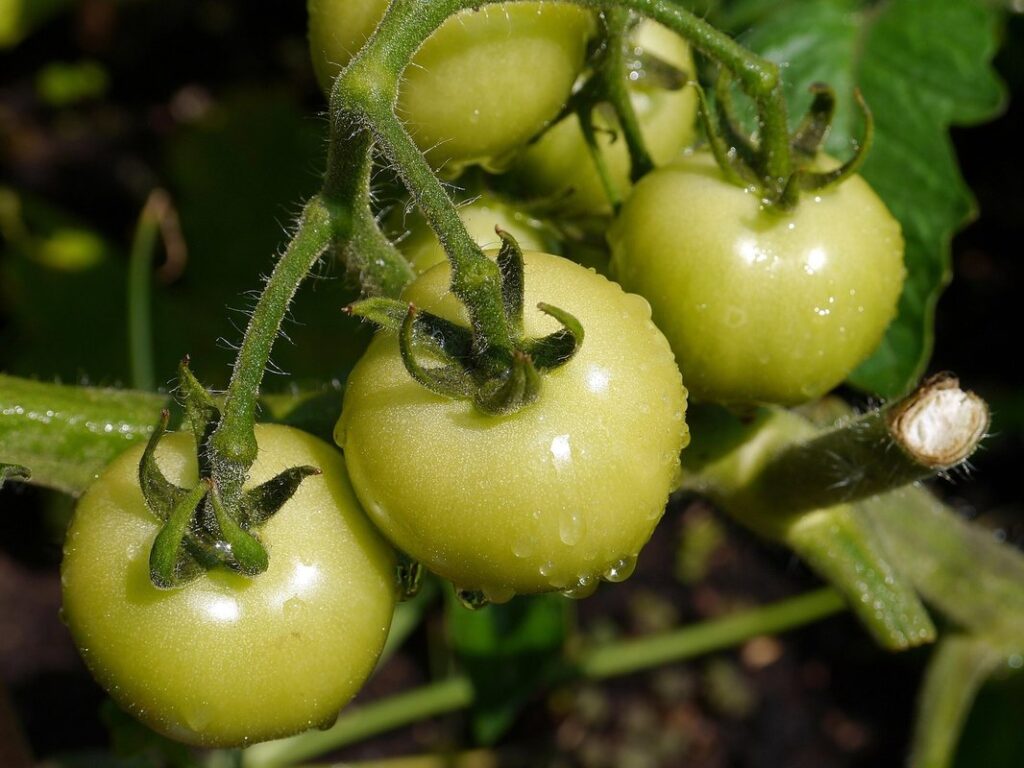
History of Heirloom Tomatoes
Heirloom tomatoes have a rich history that spans centuries, with many varieties tracing their roots back to 18th and 19th century European gardens. In this section, we’ll explore how these unique tomatoes came to be.
Origins and Evolution
The origins of heirloom tomatoes date back to the early 19th century when Italian farmers first introduced them to the United States. These unique varieties were prized for their vibrant colors and complex flavors, which were unlike anything found in commercially grown tomatoes at that time.
Over the years, heirloom tomato varieties have evolved and adapted to different regions and climates. As gardeners experimented with new techniques and crossed existing varieties with other plants, they inadvertently created a diverse array of unique strains. Some examples include ‘Brandywine’, a classic American heirloom renowned for its large size and rich flavor; ‘Cherokee Purple’, which boasts an intense, smoky taste and deep purple color; and ‘San Marzano’, prized in Italian cooking for its sweet-tart flavor.
Today, heirloom tomatoes are more popular than ever in modern gardens. Home gardeners are drawn to their unique characteristics and flavors, as well as the connection they provide to history and tradition. With over 7,500 registered varieties worldwide, choosing the right heirloom tomato can be a daunting task for the inexperienced gardener. However, by selecting a variety that suits your local climate and growing conditions, you can bring these delicious and fascinating fruits into your own garden.
Characteristics and Traits
What makes heirloom tomatoes truly special is their incredible diversity. You won’t find any two identical-looking varieties, as each one boasts a unique combination of colors, shapes, sizes, and flavors. For instance, some heirlooms display vibrant hues like deep reds, rich purples, and even electric blues. Others come in more subdued tones, such as soft yellows or creamy whites.
In terms of shape and size, heirloom tomatoes can range from small cherry-sized fruits to large, beefsteak-style varieties that are perfect for slicing. Some popular examples include the ‘Brandywine’, with its stunning pink color and rich, complex flavor profile; the ‘Cherokee Purple’, a deep purple variety known for its intense sweetness; and the ‘San Marzano’, a compact, elongated fruit prized for its sweet-tart taste.
When it comes to flavors, heirloom tomatoes can be both bold and subtle. Some exhibit strong acidity or tanginess, while others are smoother and more nuanced. Whether you’re looking for a variety that adds a pop of color to your salads or one that’s perfect for slicing onto sandwiches, there’s an heirloom tomato out there to suit your tastes.
Popular Heirloom Tomato Varieties
Let’s dive into some of our favorite heirloom tomato varieties, each with its own unique flavor and appearance that’s sure to add excitement to your garden. You’ll find a few tried-and-true favorites among these popular options.
Brandywine Tomatoes
Brandywine tomatoes are a popular choice among gardeners and chefs alike due to their exceptional characteristics. One of the most notable features of Brandywine tomatoes is their large size – they can grow up to 2 pounds or more, making them perfect for slicing and serving as a centerpiece on any dish.
The flavor of Brandywine tomatoes is another reason why they’re so well-loved. They have a rich, tangy taste that’s often described as complex and earthy. This is due in part to their high acidity level, which makes them a great choice for sauces, soups, and other recipes where a burst of flavor is desired.
Brandywine tomatoes are also known for their high yields, making them an excellent choice for gardeners who want to enjoy a bountiful harvest. With proper care and support, these plants can produce up to 20 pounds or more of fruit per season, providing a steady supply of fresh tomatoes throughout the growing season.
If you’re new to growing Brandywine tomatoes, be sure to provide them with plenty of space to spread out – they can grow quite large and require staking for support. With their exceptional size, flavor, and yields, it’s no wonder why Brandywine tomatoes are a favorite among gardeners and cooks alike.
Cherokee Purple Tomatoes
Cherokee Purple tomatoes have become a staple among heirloom enthusiasts for their stunning appearance and exceptional flavor profile. One of the most distinctive features of these tomatoes is their deep purple color, which adds an aesthetic appeal to salads, sandwiches, and pasta dishes. But it’s not just about looks – Cherokee Purples boast a smoky, slightly sweet flavor that’s sure to tantalize your taste buds.
When cooked, Cherokee Purple tomatoes take on an even deeper, richer hue, making them perfect for adding a pop of color to summer soups or sauces. Plus, their robust flavor pairs well with a variety of herbs and spices, such as basil, oregano, and garlic.
What’s more, these heirloom varieties are known for their natural disease resistance, which reduces the need for pesticides and other chemicals in your garden. This makes them an excellent choice for environmentally conscious gardeners or those looking to grow tomatoes without compromising on taste.
For a bountiful harvest of Cherokee Purple tomatoes, be sure to provide them with plenty of sunlight (at least 6 hours a day) and well-draining soil rich in organic matter. With proper care, you can expect these tomatoes to ripen in about 70-80 days after transplanting.
San Marzano Tomatoes
San Marzano tomatoes are highly prized for their unique combination of sweet-tart flavor and low acidity. This makes them an ideal choice for cooking a variety of dishes, from pasta sauces to roasted vegetable medleys. The reason behind this distinct flavor profile lies in the tomato’s genetic makeup, which is characterized by a lower concentration of citric acid compared to other heirloom varieties.
This reduced acidity allows San Marzano tomatoes to retain their natural sweetness, creating a more balanced taste experience. Additionally, their thicker flesh and fewer seeds make them easier to use in sauces and other recipes where texture plays a crucial role. When selecting San Marzano tomatoes for cooking, look for those that are labeled as “DOP” (Denominazione di Origine Protetta), which ensures they meet strict quality standards and have been grown in the Campania region of Italy.
When working with San Marzano tomatoes, keep in mind their tender nature and cook them gently to preserve their flavor and texture. A simple way to bring out their sweetness is by roasting them in the oven with olive oil, salt, and herbs before adding them to your favorite sauce or recipe.
Growing Heirloom Tomatoes
When it comes to growing heirloom tomatoes, understanding their unique needs is key to a bountiful harvest. Let’s dive into the specifics of nurturing these beautiful varieties.
Soil Preparation and Selection
When growing heirloom tomatoes, proper soil preparation and selection are crucial for their success. Heirloom tomato plants thrive in well-draining, rich soil with a slightly acidic to neutral pH level, ranging from 6.0 to 7.0.
To determine the ideal pH level for your garden, you can use a soil testing kit or consult with your local nursery. Most heirloom tomato varieties prefer a soil mix high in organic matter, such as compost or well-rotted manure. Add a balanced fertilizer at planting time and side-dress with a high-phosphorus fertilizer once the plants are about 12 inches tall.
Companion planting is also an essential aspect of growing heirloom tomatoes. Plant basil, oregano, or thyme near your tomato plants to repel pests like whiteflies and aphids. Onions and garlic can be planted on the north side of the bed to deter nematodes and improve soil health. These simple yet effective techniques will help create a thriving environment for your heirloom tomatoes.
Sowing Seeds and Transplanting
When growing heirloom tomatoes from seed, timing is everything. In most regions, it’s best to start sowing seeds indoors 6-8 weeks before the last frost date. This allows seedlings to get a head start on the season and gives them a chance to develop strong roots before being transplanted outside.
To sow seeds indoors, fill a seed tray or small pots with a good quality potting mix, and plant seeds about ¼ inch deep. Keep the soil consistently moist but not waterlogged. Most heirloom tomato varieties will germinate within 7-10 days. Once seedlings have 2-3 sets of leaves, they’re ready to be transplanted into larger pots or directly into the garden.
When transplanting seedlings, choose a cloudy day or early morning to minimize stress on the plants. Harden off seedlings by gradually exposing them to outdoor conditions over the course of 7-10 days before planting in their final position. Make sure to plant at the same depth as they were previously and water thoroughly after transplanting.
Support and Pruning
When growing heirloom tomato plants, it’s essential to provide them with proper support as they grow. This is especially true for varieties that produce large fruits and have a more sprawling habit. One popular option is using trellises to train the plants upwards. You can choose from a variety of materials, such as wood, metal, or plastic, depending on your personal preference.
To use a trellis effectively, begin by placing it next to the seedling when it’s around 6-8 inches tall. Gently twine the stem around the trellis using soft ties or clips. As the plant grows, continue to tie the stems in place, making sure not to constrict them.
Regular pruning is also crucial for promoting healthy growth and encouraging fruit production. Remove any weak or spindly growths at the base of the plant, as these can divert energy away from more productive areas. Additionally, remove lower leaves to prevent fungal diseases from spreading up the stem. By providing support and regular pruning, you’ll be rewarded with a bountiful harvest of delicious heirloom tomatoes.
Harvesting and Storing Heirloom Tomatoes
Now that you’ve grown your heirloom tomatoes, it’s time to harvest them at the peak of flavor. Learn how to handle and store these delicate varieties for maximum enjoyment.
Timing and Frequency
When harvesting heirloom tomatoes, timing is everything. The optimal time to harvest depends on the specific variety, but there are some general signs of ripeness you can look out for. For most varieties, a ripe tomato will be heavy for its size and have a sweet, slightly tart aroma. Check the color as well – most heirlooms will turn from green to their final color as they ripen.
Different heirloom varieties have different optimal harvest times. Some popular varieties like ‘Brandywine’ and ‘Cherokee Purple’ are ready in around 70-80 days, while others like ‘Sungold’ can be picked in as little as 45 days. Keep an eye on your plant’s progress and adjust accordingly – a ripe tomato will have no green or yellow spots left, and the skin will be slightly soft to the touch.
When harvesting, gently twist the fruit from the stem to avoid damaging it. Be sure to handle the tomatoes carefully, as their delicate skin can bruise easily. To maximize flavor and texture, harvest heirlooms at room temperature – refrigeration can slow down ripening and make them taste bland.
Handling and Storage
Proper handling and storage of heirloom tomatoes are crucial to maintain their unique flavor, texture, and appearance. When handling these delicate fruits, avoid bruising or scratching the skin as it can lead to spoilage and affect their quality.
To minimize damage, gently lift the tomatoes by their stems, rather than picking them up from the bottom. This helps prevent moisture from entering through any wounds on the fruit. Store heirloom tomatoes at room temperature for a few days after harvesting. To slow down the ripening process, store them stem-side down in a paper bag or breathable container.
If storing for an extended period, keep them refrigerated at a consistent 50°F to 60°F (10°C to 15°C). However, avoid placing them near strong-smelling foods as heirloom tomatoes can absorb odors easily. Check the storage area regularly to remove any spoiled or overripe fruits to prevent mold and bacterial growth. By following these simple handling and storage tips, you’ll be able to enjoy your heirloom tomatoes at their best flavor and texture for a longer period.
Preserving Heirloom Tomatoes
Preserving heirloom tomatoes is an excellent way to enjoy their unique flavors and textures throughout the year. With proper preservation methods, you can savor the sweet taste of summer even when winter arrives. Here are some popular techniques for preserving heirloom tomatoes: canning, freezing, and dehydrating.
Canning is a great method for preserving tomatoes in large quantities. To can your heirlooms, sterilize jars and lids, fill them with prepared tomatoes, add salt and vinegar, and process in a boiling water bath for 10-15 minutes. This method yields shelf-stable jars of tangy tomato sauce perfect for soups or pasta dishes.
Freezing is another excellent way to preserve the flavor and nutrients of heirloom tomatoes. Core and chop the tomatoes, blanch them briefly in boiling water, then seal them in airtight containers or freezer bags. Frozen tomatoes are ideal for sauces, stews, or roasted vegetable recipes. Dehydrating is also an option, allowing you to enjoy chewy tomato snacks or add dried tomatoes to soups and stews.
Before preserving your heirloom tomatoes, make sure they’re in perfect condition – choose the ripest and best ones for the job!
Health Benefits of Eating Heirloom Tomatoes
Heirloom tomatoes have been a staple in many gardens and kitchens for centuries, not only adding flavor but also offering numerous health benefits that are worth exploring. Let’s dive into their remarkable advantages!
Nutritional Value
Heirloom tomatoes are not only a delight to the taste buds but also pack a punch when it comes to nutritional value. One of the most significant benefits of consuming heirloom tomatoes is their high antioxidant content. These tiny molecules help protect our cells from damage caused by free radicals, which can lead to chronic diseases such as cancer and heart disease.
In addition to antioxidants, heirloom tomatoes are rich in essential vitamins and minerals. They’re an excellent source of vitamin C, potassium, and lycopene, a powerful antioxidant that’s been linked to reduced risk of certain cancers and heart disease. In fact, a single medium-sized heirloom tomato can provide up to 40% of the recommended daily intake of vitamin C.
To reap the most nutritional benefits from your heirloom tomatoes, it’s best to consume them raw or lightly cooked. This helps preserve the delicate balance of nutrients and prevents the loss of water-soluble vitamins like vitamin C and B vitamins. Simply chop up an heirloom tomato and toss it into a salad or use it as a topping for sandwiches – your taste buds (and body) will thank you!
Potential Health Risks
While heirloom tomatoes are generally considered safe to eat, there are some potential health risks associated with consuming them. One of the most common concerns is allergies or intolerances to specific compounds found in these unique varieties.
For example, some people may be allergic to the sap of certain heirloom tomato plants, which can cause skin irritation and other symptoms when handled. Others may experience an intolerance to high levels of acidity in heirloom tomatoes, leading to digestive issues such as heartburn and bloating.
Additionally, heirloom tomatoes may contain higher levels of a compound called solanine, a natural defense chemical that can be toxic in large quantities. While the amounts found in edible heirloom tomatoes are generally considered safe, excessive consumption can cause nausea, vomiting, and other adverse effects.
To minimize potential health risks when eating heirloom tomatoes, it’s essential to introduce them gradually into your diet and monitor your body’s reaction. If you experience any unusual symptoms or discomfort after consuming these tomatoes, discontinue eating them and consult with a healthcare professional for advice.
Conclusion: Embracing Heirloom Tomato Diversity
As you’ve explored the wonderful world of heirloom tomato varieties, it’s time to wrap up our journey and share some final thoughts on embracing this incredible diversity. Let’s explore what we can do with all these unique options.
Encouragement to Experiment
As you’ve navigated through this comprehensive guide to heirloom tomato varieties, we hope you’re now inspired to experiment with growing and cultivating these unique gems. Heirloom tomatoes offer a world of flavors, textures, and colors that can elevate your garden’s biodiversity and your plate’s culinary experience.
Start by selecting 3-5 varieties from the numerous options discussed in this guide, each with its distinct characteristics. Observe how they respond to different growing conditions, soil types, and sunlight exposure. You might be surprised at how some heirlooms thrive under specific conditions, while others may struggle.
Some practical tips for experimenting with heirloom tomatoes include: planting multiple varieties side-by-side to compare growth habits; keeping detailed records of each plant’s performance; and being open to adjustments in your gardening routine based on the observations. Don’t be afraid to combine different growing techniques or try new methods inspired by other gardeners’ experiences.
Remember, experimenting with heirloom tomatoes is about discovery – embracing the unexpected, and learning from both successes and setbacks. By taking a hands-on approach and exploring these incredible varieties, you’ll not only enhance your gardening skills but also deepen your appreciation for the rich diversity within the world of heirloom tomatoes.
Resources for Further Learning
As you continue to explore the world of heirloom tomatoes, there are numerous resources available to further deepen your knowledge and connection with fellow gardeners. For those interested in diving deeper into the subject, I recommend “The Heirloom Tomato” by William Woys Weaver – a comprehensive guide that explores the history, cultivation, and varieties of these unique fruits.
Websites like Seed Savers Exchange (seedsavers.org) and The Tomato Forum (tomatoforum.com) are excellent sources for information on heirloom tomato care, propagation, and preservation. These online communities provide a platform to connect with experienced growers, ask questions, and share knowledge. Social media platforms like Instagram (@heirloomtomatoes) and Facebook groups dedicated to heirloom tomatoes offer a wealth of visual inspiration, tips, and advice from gardeners worldwide.
By engaging with these resources, you’ll be able to refine your skills, expand your knowledge, and connect with others who share your passion for heirloom tomato cultivation. Whether you’re a seasoned grower or just starting out, there’s always more to learn about these fascinating varieties, and these resources will serve as a valuable starting point for further exploration.
Frequently Asked Questions
Can I grow heirloom tomatoes indoors?
Yes, you can grow heirloom tomatoes indoors using containers or a hydroponic system. However, ensure good air circulation, adequate light (at least 6 hours of direct sunlight), and maintain optimal temperatures between 65-70°F (18-21°C) for best results.
What’s the difference between “heirloom” and “hybrid” tomatoes?
Heirloom tomatoes are open-pollinated varieties that have been saved and handed down through generations, while hybrid tomatoes are bred for specific traits like disease resistance or higher yields. Heirlooms tend to be more flavorful but less consistent in yield.
How do I preserve heirloom tomato seeds for future planting?
To preserve heirloom tomato seeds, dry them thoroughly on paper towels, then store them in airtight containers in a cool, dark place. You can also freeze or refrigerate seeds for longer-term preservation. This ensures you can replant your favorite varieties year after year.
What’s the ideal soil pH for growing heirloom tomatoes?
Heirloom tomatoes prefer slightly acidic to neutral soil pH, ranging from 6.0 to 7.0. Test your soil pH and amend it if necessary to ensure optimal growth and flavor development in your tomato plants.
Can I combine different heirloom tomato varieties for a unique taste experience?
Yes! Combining different heirloom tomato varieties can create a truly unique flavor profile. Experiment with various combinations, like pairing Brandywine’s rich flavor with Cherokee Purple’s deep sweetness, to discover new tastes and textures.