
Fig trees are a treasure for any backyard or garden, providing luscious fruit and stunning foliage. However, to keep them thriving, regular pruning is essential. If you’re a fig tree owner, you might be wondering how to prune your tree effectively without harming its health or productivity. Pruning not only enhances the appearance of your fig tree but also promotes healthy growth, increases fruit production, and encourages new shoots to develop.
In this article, we’ll share expert tips on pruning different varieties of fig trees, including how to care for fresh wounds and troubleshoot common issues that arise during the pruning process. Whether you’re a seasoned gardener or just starting out, our comprehensive guide will provide you with the knowledge and confidence to prune your fig tree like a pro. Let’s dive in!
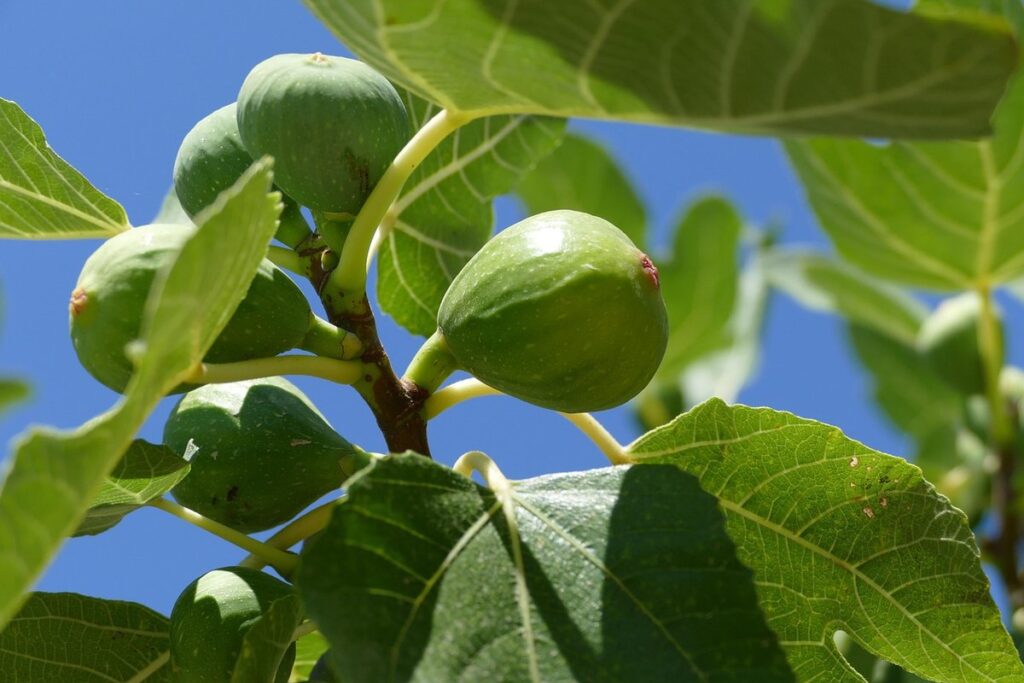
Understanding Fig Trees and Pruning Basics
Understanding fig trees involves knowing their unique growth habits and how pruning impacts their fruiting cycles. This section will break down the basics of pruning for healthy fig tree growth.
What is Pruning and Why is it Important for Fig Trees?
Pruning is an essential practice for fig tree maintenance, and it serves multiple purposes that contribute to the overall health and productivity of the tree. By pruning your fig tree regularly, you promote healthy growth by removing diseased, damaged, or dead branches, which can harbor pests and diseases that may spread to other parts of the tree.
Pruning also plays a significant role in increasing fruit production. By allowing sunlight to penetrate deeper into the tree’s canopy, pruning encourages fruiting branches to produce more flowers and fruits. This is particularly important for fig trees, as they produce two crops of fruit per year – breba and main crop – and regular pruning can help optimize yields.
Furthermore, pruning enhances the overall appearance of the tree by maintaining a balanced shape and promoting a strong, central leader. A well-pruned fig tree is more resistant to wind damage and has improved air circulation, reducing the risk of fungal diseases that thrive in humid environments. Regular pruning also helps control the size and spread of the tree, making it easier to manage and maintain in small spaces.
Identifying the Right Tools and Equipment for Pruning
When it comes to pruning fig trees, having the right tools and equipment is essential for effective and safe pruning. You don’t need a lot of specialized gear, but investing in quality loppers, pruners, and saws will make a big difference.
Loppers are ideal for cutting thicker branches up to 2 inches in diameter. Look for a pair with long handles (24-30 inches) to give you leverage and reduce strain on your back. A good pair of loppers should have sharp blades and comfortable grips.
Pruners, on the other hand, are perfect for making clean cuts on smaller branches. Choose a pair with sharp blades and a comfortable grip. Look for pruners with a curved or angled blade to make cutting easier.
A pruning saw is necessary for removing larger branches. A good-quality saw should have a straight or curved blade and a durable handle. Look for a saw with a rust-resistant coating to extend its lifespan.
When choosing your pruning tools, consider the size of your fig tree, the type of cuts you need to make, and your personal comfort level. Investing in quality tools will pay off in the long run by making pruning easier and more efficient.
Understanding Fig Tree Growth Cycles and Seasons
As a fig tree owner, it’s essential to understand its growth cycles and seasons to prune effectively. Fig trees typically grow rapidly during spring and summer months, producing new leaves and fruiting branches. This is the best time to remove dead or damaged branches, as well as thin out the canopy to allow for air circulation and sunlight penetration.
During fall and winter, fig trees enter a dormant period, slowing down their growth rate. Pruning at this stage can be more challenging, but it’s still crucial to maintain the tree’s shape and promote healthy growth. Remove any dead or diseased branches, as well as weak growth, to prevent further damage.
In regions with mild winters, fig trees may continue to grow year-round. In such cases, prune regularly throughout the year to control the tree’s size and encourage fruiting. Keep in mind that over-pruning can lead to disease and pest issues, so be cautious when removing too much foliage or branches. By understanding your fig tree’s growth cycles and pruning accordingly, you’ll promote healthy growth and a bountiful harvest.
Pre-Pruning Evaluation: Assessing Your Fig Tree’s Needs
Before you start pruning, take a moment to assess your fig tree’s needs and evaluate its overall health to ensure you’re making informed decisions about its care. This crucial step sets the stage for successful pruning.
Inspecting Your Fig Tree for Damaged or Dead Branches
When inspecting your fig tree for damaged or dead branches, it’s essential to be thorough and meticulous. Damaged or dead wood can serve as a harbor for diseases and pests, ultimately weakening the overall health of your tree.
Start by looking for signs of damage such as cracks, splits, or broken limbs. These areas can provide entry points for pathogens like fungal infections or bacterial diseases. Check for any discoloration, thinning bark, or dead leaves, which may indicate a problem. Dead branches can also be identified by their brittle texture and lack of flexibility.
To remove damaged or dead branches, use pruning shears or loppers to cut them off as close to the trunk as possible. Make clean cuts just above a growth node (where a branch meets the trunk), as this will promote new growth from that point. Be sure to disinfect your tools between cuts to prevent the spread of diseases.
Evaluating the Shape and Structure of Your Fig Tree
When evaluating the shape and structure of your fig tree, it’s essential to assess branch density and balance. Stand back from the tree and visually inspect its layout. Look for branches that are growing inward, which can create a congested and unhealthy environment. Aim for a balanced canopy with an open center, allowing sunlight to penetrate and air to circulate.
Check for any dead, diseased, or damaged branches, as these should be removed to prevent the spread of disease and promote healthy growth. Consider the overall branch pattern: are some branches growing much longer than others? Are there any crossing or rubbing branches that could cause damage?
Take note of your tree’s mature size and prune accordingly. For smaller varieties, a more compact shape may be desired, while larger trees can benefit from a looser, more relaxed form. Consider the surrounding environment as well – will nearby structures or other plants impact the tree’s growth pattern? By evaluating these factors, you’ll have a solid foundation for pruning your fig tree to promote healthy growth and optimal yields.
Pruning Techniques for Different Fig Tree Types
Fig tree pruning is not one-size-fits-all, and different varieties require distinct techniques to promote healthy growth and maximize fruit production. Here’s how to prune fig trees of various types, including Brown Turkey and Celeste.
Pruning Dwarf and Compact Fig Varieties
When it comes to pruning dwarf and compact fig varieties, you’ll want to approach with extra care. These smaller trees have unique growth habits that require more delicate handling. The key is to maintain their naturally compact shape while encouraging healthy growth.
For compact figs, like ‘Brown Turkey’ or ‘Black Jack’, prune in late winter or early spring. Remove any weak or damaged branches, cutting them back to about 6-8 inches from the trunk. This will help promote new growth and prevent disease. When shaping the tree, focus on maintaining a central leader, removing any crossing or rubbing branches.
Dwarf figs, such as ‘Violette de Bordeaux’ or ‘Red Marseilles’, require even more care. Prune in late winter or early spring, removing about 1/3 to 1/2 of the previous year’s growth. This will help control size and encourage fruiting. Be gentle when pruning, as dwarf figs can be sensitive to extreme cuts.
When handling these smaller trees, it’s essential to make clean, precise cuts just above a bud or node. This will help prevent damage to the tree and promote healthy growth. With regular, careful pruning, you’ll be able to maintain your compact fig tree’s shape and encourage a bountiful harvest.
Pruning Standard and Large Fig Trees
Pruning standard and large fig trees requires careful consideration of branch selection, cutting techniques, and maintaining tree structure to ensure healthy growth. When it comes to pruning these larger varieties, focus on removing any dead, diseased, or damaged branches as soon as possible to prevent the spread of disease.
When selecting which branches to prune, look for those that are crossing over other branches, rubbing against them, or growing inwards towards the trunk. These types of branches can cause damage and create an entry point for pests and diseases. Remove any suckers that grow from the base of the tree as they can divert energy away from fruiting.
Use sharp, clean pruning tools to make precise cuts just above a growth node, about 1/4 inch above a bud or lateral branch. Make cuts at a 45-degree angle to allow water to run off and prevent moisture from collecting on the cut surface. Prune large branches in stages, removing no more than one-third of the tree’s canopy per year to maintain its structural integrity.
Post-Pruning Care: Wound Management and Protection
After pruning your fig tree, it’s crucial to focus on wound management and protection to prevent diseases from entering through fresh cuts. Proper care will help your tree heal quickly.
Caring for Freshly Cut Wounds
When it comes to pruning fig trees, proper wound care is essential for promoting healthy growth and preventing disease. After cutting branches, wounds can become susceptible to infection and stress, which can weaken the tree’s immune system.
To reduce stress on freshly cut wounds, make sure to:
* Remove any damaged or diseased tissue to prevent the spread of disease
* Apply a thin layer of wound dressing or pruning paint to protect the area from bacteria and fungi
* Avoid using oil-based products, as they can seal in moisture and create an ideal environment for fungal growth
In addition to these techniques, it’s also crucial to maintain optimal growing conditions. Provide your fig tree with adequate water, nutrients, and sunlight to promote healthy healing.
By following these simple steps, you can help your fig tree recover quickly from pruning and continue to thrive throughout the season. With proper wound care and attention, your tree will be back to its usual vibrant self in no time. Regular monitoring of the wound site is also recommended to ensure it remains free from disease and pests.
Protecting Your Fig Tree from Pests and Diseases
After pruning your fig tree, it’s essential to protect it from pests and diseases that can take advantage of fresh wounds or weakened branches. One of the most common issues after pruning is root rot, which can occur if the cut ends are not properly treated.
To prevent this, make sure to disinfect the pruning tools between cuts with a 10% bleach solution. This will help prevent the spread of diseases like fungal infections and bacterial spot. You should also inspect your tree regularly for any signs of pests or disease, such as aphids, whiteflies, or sooty mold.
If you notice any issues, take action immediately by spraying insecticidal soap or neem oil to control infestations. For fungal diseases, use a fungicide specifically designed for fruit trees and follow the product’s instructions carefully. Keep in mind that prevention is key – regular pruning, watering, and fertilizing can go a long way in maintaining your fig tree’s overall health and resilience.
Advanced Pruning Techniques: Shaping and Training Your Fig Tree
As you refine your pruning skills, it’s time to tackle more advanced techniques for shaping and training your fig tree into a stunning centerpiece for your garden. We’ll explore expert methods for guiding its growth.
Top-Working and Budding for Improved Fruit Production
When it comes to maximizing fruit production and improving tree structure, advanced pruning techniques like top-working and budding can be game-changers. Top-working involves grafting a new stem or branch onto an existing one, allowing you to introduce desirable traits such as increased fruitfulness or disease resistance. This technique is particularly useful for fig trees that have become too vigorous or are showing signs of decline.
Budding, on the other hand, involves grafting a single bud from a stem with desirable traits onto a healthy rootstock. This allows you to preserve the beneficial qualities of the parent tree while introducing new characteristics. For example, you might take a bud from a high-yielding variety and attach it to a robust rootstock, resulting in a tree that produces an abundance of high-quality fruit.
To try top-working or budding on your fig tree, start by selecting healthy stems with desirable traits. Then, carefully remove a section of bark from the parent stem and insert the new bud or graft, making sure not to damage any underlying tissue. Secure the graft with tape or twine and keep the soil consistently moist until roots develop.
Espalier and Other Supportive Pruning Methods
When it comes to training your fig tree for optimal growth and fruiting, pruning methods like espalier can be a game-changer. Espalier involves pruning your tree to grow along a wall or trellis, making the most of space while also providing support for the branches.
To use espalier on your fig tree, start by selecting a sturdy branch that can serve as the main stem. Prune this branch back to about two feet from the base of the tree, removing any weak or spindly growth. Next, tie the main stem to the wall or trellis using soft ties or wire, taking care not to constrict the bark.
Other supportive pruning methods include cordon and fan training. Cordon involves pruning the branches to grow in a linear fashion along a trellis, while fan training uses multiple stems to create a flat, spreading shape. By using these techniques, you can keep your fig tree contained, promote air circulation, and increase fruit production.
For example, a fig tree trained on an espalier system can produce two or even three crops of fruit per year, as the pruned branches are more easily reached for harvesting.
Troubleshooting Common Fig Tree Pruning Issues
Don’t let pruning mishaps hinder your fig tree’s growth! This section tackles common problems and offers practical solutions to get your tree back on track.
Common Mistakes to Avoid When Pruning Your Fig Tree
When pruning your fig tree, it’s easy to fall into common mistakes that can harm the health and productivity of your tree. Improper tool selection is a major pitfall – using dull or rusty pruners can tear the bark instead of making clean cuts. This can lead to infection and disease.
Another critical mistake is inadequate support for the tree after pruning, especially if you’ve removed significant branches. Without proper staking or propping, your fig tree may become top-heavy and vulnerable to wind damage or collapse.
Finally, it’s essential to avoid over-pruning – removing too many branches at once can shock the tree and lead to a prolonged recovery period. When pruning, focus on removing no more than 25% of the tree’s canopy in any given year. This allows your fig tree to maintain its vigor and continue producing fruit.
Remember, it’s always better to err on the side of caution when pruning your fig tree. Take your time, use sharp, clean tools, and prioritize gentle, gradual pruning techniques to promote healthy growth and prevent common problems from arising.
Resolving Pruning-Related Problems and Disputes
When it comes to pruning fig trees, disagreements can arise between gardeners or unexpected consequences may occur due to improper techniques. To resolve these issues and maintain a healthy tree, it’s essential to address the problem promptly.
Firstly, communication is key when dealing with disputes among gardeners. If you’re pruning your fig tree and another gardener expresses concerns about your method, listen to their perspective and consider alternative approaches. This might involve consulting books or online resources together to find a solution that suits both parties.
If unexpected consequences arise, such as an over-pruned tree or excessive sap flow, assess the damage and take corrective action. Prune any damaged branches carefully to prevent further harm. In severe cases, consult with a local gardening expert for guidance on how to restore your fig tree’s health.
Remember, pruning is an ongoing process that requires patience and attention to detail. Be prepared to adapt your techniques as needed and stay vigilant in monitoring your tree’s response to pruning methods.
Frequently Asked Questions
How do I know when my fig tree needs pruning, especially if it’s a new tree?
Fig trees typically require regular pruning every 6-12 months, depending on their growth rate and variety. As a general rule of thumb, prune your fig tree in late winter or early spring before new growth begins. For newly planted trees, wait until they’ve reached about 1-2 feet tall before starting the pruning process.
What are some common mistakes to avoid when pruning my fig tree for the first time?
Some common pitfalls include over-pruning, which can shock the tree and reduce fruit production, and not disinfecting your pruning tools between cuts. Additionally, avoid pruning too much of the new growth in spring, as this can encourage weak and spindly growth.
How do I protect my freshly pruned fig tree from pests and diseases?
After pruning, inspect your tree regularly for signs of infestation or infection. Use organic pest control methods whenever possible, such as introducing beneficial insects or applying neem oil to deter pests. Regularly clean up debris around the base of the tree and avoid overwatering, which can create an environment conducive to disease.
Can I prune my fig tree during different seasons, or are there specific times when it’s better to prune?
While pruning can be done year-round, the best time for major pruning is in late winter or early spring before new growth begins. Summer pruning can promote new growth but may not be as effective for shaping the tree’s structure. Avoid pruning in autumn, as this can weaken the tree and make it more susceptible to disease.
How do I ensure my fig tree continues to produce fruit after pruning?
To maintain your fig tree’s productivity, focus on promoting healthy growth by removing diseased or damaged branches, thinning out dense areas, and encouraging air circulation around the tree. Prune back any water sprouts (shoots that grow from the trunk) to direct the tree’s energy towards fruit production.