
Growing strawberries in containers is an excellent idea for gardeners with limited space. Not only do containers make it possible to grow these delicious fruits in even the smallest of areas, but they also offer greater control over soil quality and pest management. This means you can enjoy a bountiful harvest of fresh strawberries all season long. But before you get started, there are some key things to consider. Choosing the right container size and type is crucial, as is selecting the perfect potting mix that will provide your strawberry plants with the nutrients they need to thrive. In this article, we’ll take a closer look at how to grow strawberries in containers, from selecting the best varieties to managing pests and diseases, and even share some tips on harvesting and extending your season.
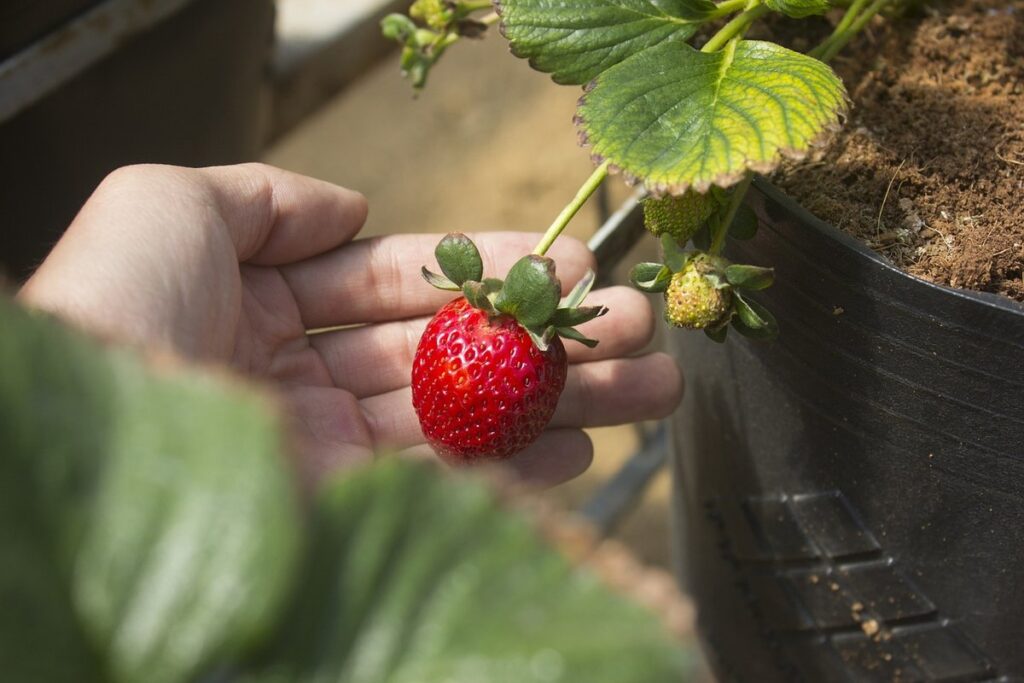
Choosing the Right Containers and Soil
Now that you’ve decided on a container, let’s talk containers and soil: selecting the right ones is crucial for healthy strawberry growth. What to look for in each will be covered next.
Selecting the Perfect Container Size
When it comes to growing strawberries in containers, choosing the right size is crucial for their health and productivity. A container that’s too small can lead to overcrowding, poor air circulation, and reduced fruit yields, while a container that’s too large may require excessive watering and fertilizer.
As a general rule, strawberry plants need at least 6-8 hours of direct sunlight per day, so choose a container with sufficient depth and width to accommodate the mature plant size. For most varieties, a minimum container size of 12-14 inches deep and 24-36 inches wide is recommended. This will provide enough room for the roots to grow and allow for proper air circulation around the plants.
Keep in mind that larger containers (18-20 inches deep and 36-48 inches wide) can support more aggressive varieties, but they may require additional support to prevent toppling over. When selecting a container size, also consider the weight of the soil and plants when fully grown – you don’t want your container to become too heavy for its base or supports.
In terms of maximum size, it’s essential not to overcrowd the roots by using containers that are too large. Overcrowding can lead to reduced fruit production and an increased risk of disease. A general rule is to use a container that’s about 12-18 inches deep for every 3-4 plants.
Understanding the Role of Potting Mix
When it comes to growing strawberries in containers, the right potting mix can make all the difference. A good potting mix should have excellent drainage properties to prevent waterlogged soil, which is a common problem with container gardens. Look for a mix that contains ingredients like perlite or vermiculite, which will help excess moisture escape quickly.
In addition to drainage, a good potting mix should also provide essential nutrients for your strawberries. A well-balanced fertilizer mix will give them the necessary boost to produce healthy leaves and fruit. Opt for a mix with a balanced N-P-K ratio (nitrogen-phosphorus-potassium) of around 10-10-10 or 20-20-20.
It’s also essential to choose a potting mix specifically designed for acidic-loving plants like strawberries, as they require a pH range between 5.5 and 6.5. Avoid using regular garden soil in your containers, as it can compact over time and prevent proper drainage. Instead, stick with a high-quality potting mix that’s specifically formulated for container gardens.
Preparing Your Strawberry Plants for Container Growing
Before you start growing your strawberries in containers, it’s essential to prepare them properly. This step-by-step guide will walk you through the process of getting your plants ready for a thriving container life.
Hardening Off and Transplanting
When you’re finally ready to transplant your strawberry seedlings into their new home, it’s essential to follow the hardening off process. This step allows your plants to acclimate to outdoor conditions gradually, reducing shock and increasing their chances of thriving.
Begin by placing your seedlings in a shaded area outdoors for 1-2 hours per day. Gradually increase exposure to direct sunlight over the next few days. Monitor your plants’ response to ensure they’re not getting scorched or stressed. It’s crucial to harden off strawberry plants before transplanting, as they can be sensitive to extreme temperatures and light.
Some common challenges during this process include temperature fluctuations, wind, and pests. Be mindful of these potential issues when hardening off your seedlings. If you notice signs of stress, such as yellowing leaves or droopy stems, adjust the acclimation period accordingly. After 7-10 days, your strawberry plants should be ready for transplanting into their designated containers. Keep in mind that overwatering and underwatering can also impact hardening off success, so ensure you’re providing the right balance of moisture during this critical period.
Understanding the Importance of Root Development
When growing strawberries in containers, it’s easy to focus on the visible parts of the plant – the leaves, flowers, and fruit. However, a healthy strawberry plant also relies heavily on its root system for optimal growth and productivity. In fact, a robust root system is essential for container-grown strawberries to thrive.
Think of your strawberry plant’s roots like a network of underground highways that supply the above-ground parts with water, nutrients, and oxygen. When these “highways” are well-developed, they allow the plant to absorb essential resources quickly, supporting healthy growth and fruit production.
To promote healthy root development in container-grown strawberries:
* Use a high-quality potting mix specifically designed for containers
* Water carefully, avoiding overwatering which can lead to rot and root damage
* Provide adequate space between plants to prevent overcrowding and encourage air circulation
* Fertilize regularly with a balanced fertilizer to support healthy growth
* Monitor the plant’s roots by gently removing the plant from its container and inspecting them. If necessary, prune any circling or damaged roots to promote new growth.
By giving your strawberry plant’s roots the care they need, you’ll be rewarded with healthier, more productive plants that yield delicious fruit all season long.
Container Growing vs. Field-Grown Strawberries: Key Differences
When it comes to growing strawberries, there are two primary methods: container growing and field-grown varieties, each with its own unique characteristics and requirements. Let’s explore the key differences between these two approaches.
Climate and Weather Considerations
When growing strawberries in containers, climate and weather conditions can significantly impact their growth and productivity. Unlike field-grown strawberries, containerized plants are more susceptible to temperature fluctuations, wind damage, and water stress. For instance, a sudden drop in temperature can cause the fruit to rot or reduce yields. In regions with extreme temperatures, it’s essential to choose heat-tolerant or cold-hardy strawberry varieties.
In contrast, field-grown strawberries benefit from the natural insulation provided by soil, which helps regulate soil temperature and retain moisture. However, containerized plants require more frequent watering and fertilization due to their limited root zone. To mitigate this, use a well-draining potting mix and ensure containers have adequate drainage holes to prevent waterlogged soil.
When selecting containers for strawberry cultivation, consider using large pots (at least 12-18 inches deep) with a wide mouth to allow for better air circulation and easier access for maintenance. Regularly inspect your plants for signs of stress or damage caused by extreme weather conditions, and take prompt action to address any issues that arise.
Pest and Disease Management Strategies
Pest and disease management is a crucial aspect of container-grown strawberries. The confined space and warmer temperatures can make containers more susceptible to pests and diseases, which can quickly spread throughout the crop. Common issues include fungal diseases like powdery mildew and botrytis, as well as pests such as aphids, whiteflies, and spider mites.
To mitigate these risks, it’s essential to implement integrated pest management (IPM) strategies. This involves monitoring your plants regularly for signs of stress or damage, and taking action at the earliest stage possible. For example, keep an eye out for yellowing leaves or black spots on fruit, which can be indicative of fungal diseases.
To prevent pests, use physical barriers like fine mesh to cover containers and prevent insects from landing. You can also introduce beneficial insects like ladybugs or lacewings, which feed on pest species. Regularly inspect your plants and remove any infested or diseased areas to prevent the spread of disease.
Use a combination of cultural controls, such as maintaining good air circulation and watering at soil level, to create an environment that discourages pests and diseases. Consider using organic or biological control methods whenever possible, as these tend to be safer for both people and the environment.
Tips for a Thriving Strawberry Container Garden
To ensure your strawberry container garden thrives, follow these essential tips on how to care for and maintain your plants throughout each growing season. This will help you avoid common mistakes.
Monitoring pH Levels and Nutrient Requirements
Monitoring pH levels and nutrient requirements is crucial for strawberry plants grown in containers. The ideal soil pH range for strawberries is between 5.5 and 6.5, but it can vary slightly depending on the specific variety. To check the pH level of your container’s soil, you’ll need a pH meter or testing kit.
It’s essential to test the soil regularly, especially when repotting or fertilizing, as pH levels can fluctuate quickly in containers. If your soil pH is too high (above 7), add elemental sulfur or peat moss to lower it. Conversely, if it’s too low (below 5), mix in some lime.
When it comes to nutrient requirements, strawberries are heavy feeders and will benefit from a balanced fertilizer during the growing season. Use a water-soluble fertilizer at half the recommended strength to avoid burning your plants’ roots. Aim for a 10-10-10 NPK ratio or a specific strawberry blend that’s formulated for container gardens.
Remember to also provide supplemental nutrients like calcium, magnesium, and boron, as these can be lacking in potting mixes. A well-balanced fertilizer will promote healthy growth, fruit production, and disease resistance. Regularly check the nutrient levels in your container’s soil to ensure optimal growth conditions for your strawberry plants.
Managing Watering and Fertilization Schedules
As a strawberry container gardener, you’re probably eager to see your plants thrive and produce an abundance of delicious fruit. To achieve this, it’s crucial to establish a well-planned watering and fertilization schedule for your container-grown strawberries.
Watering is a critical aspect of strawberry care in containers, as the soil can dry out quickly due to its shallow depth. Aim to water your strawberries when the top 1-2 inches of soil feel dry to the touch. Overwatering is common among beginners, but it’s essential to avoid this by checking the moisture levels regularly. A good rule of thumb is to water your plants deeply once or twice a week during hot weather and less frequently during cooler months.
When it comes to fertilization, strawberries benefit from regular feeding to promote healthy growth and fruit production. You can use a balanced fertilizer (10-10-10 NPK) for the first few weeks after planting, followed by a high-phosphorus fertilizer (10-20-10 NPK) to encourage blooming and fruiting. Apply fertilizers according to the manufacturer’s instructions, taking care not to overfertilize your plants.
By balancing watering and fertilization schedules, you’ll be well on your way to growing thriving strawberries in containers that will reward you with an abundance of juicy fruit.
Common Challenges and Solutions for Container-Grown Strawberries
As you start growing strawberries in containers, it’s inevitable that you’ll encounter some obstacles along the way. Let’s tackle the most common challenges and explore practical solutions together.
Overwatering and Underwatering Issues
Overwatering and underwatering are two common challenges that strawberry container growers face. When strawberries receive too much water, their roots can rot, leading to yellowing leaves and reduced yields. On the other hand, underwatered strawberries will struggle to produce fruit and may drop their flowers.
One of the main reasons for overwatering is using a potting mix that retains too much moisture or having the container’s drainage holes clogged. To avoid this, use a well-draining potting mix specifically designed for containers and ensure the pot has sufficient drainage holes. Water your strawberries when the top 1-2 inches of soil feels dry to the touch.
To address underwatering issues, increase the frequency of watering or adjust the amount of water based on the weather. For example, if it’s been extremely hot and dry, you may need to water your strawberries every other day. Keep in mind that strawberry plants need about 1-2 inches of water per week. Monitor the plant’s response to adjust your watering schedule accordingly.
By being mindful of these common issues and taking corrective action, you can prevent damage to your strawberry plants and enjoy a bountiful harvest.
Nutrient Deficiencies and How to Address Them
When growing strawberries in containers, it’s not uncommon for nutrient deficiencies to arise due to the limited soil volume and potential for over-watering. One of the most recognizable signs of a nutrient deficiency is leaf discoloration or stunted growth.
Phosphorus deficiency often manifests as a purplish tint on the leaves, while nitrogen deficiency can cause yellowing leaves. Potassium deficiency can lead to brown edges on the leaves, while magnesium deficiency results in yellow or white stripes on the leaves.
To address these issues, it’s essential to understand which nutrients your strawberries are lacking and then take corrective action. A balanced fertilizer with a mix of N-P-K (nitrogen-phosphorus-potassium) will help ensure that your strawberries receive all necessary nutrients.
However, if you suspect an overabundance of certain nutrients or deficiencies in others, it’s best to consult with a local nursery or gardening expert for personalized advice. Regular soil testing can also provide valuable insights into nutrient levels and enable you to adjust your fertilization strategy accordingly.
Maximizing Harvests from Your Strawberry Container Garden
To maximize harvests, you’ll want to learn how to time your pickings perfectly and keep those delicious berries coming all season long. We’ll share our expert tips on extending the harvest period.
Timing and Frequency of Picking
When it comes to maximizing harvests from your strawberry container garden, timing and frequency of picking play a crucial role. Strawberries are ready to be picked when they’re fully ripe, typically within 30-60 days after flowering. To ensure optimal yields, it’s essential to pick them regularly.
A general rule of thumb is to check your strawberries every other day during peak production periods. This allows you to catch the berries before they’re overripe and spoil. If you have a large strawberry patch, consider picking in sections to prevent over-ripening in one area.
Be sure to handle the delicate fruits gently to avoid bruising or damage. Rinse them clean with water immediately after picking to remove any dirt or debris. Consider setting aside a specific time each week for strawberry harvesting, such as early morning when the dew is still present.
Keep an eye out for signs of ripeness, like a bright red color and slight softening around the stem. Some strawberry varieties may produce multiple harvests throughout the season, so be sure to check your specific variety’s characteristics before planning your picking schedule. By following these tips, you’ll be enjoying fresh, homegrown strawberries in no time!
Encouraging Repeat Blooms and Extended Harvest Seasons
Encouraging repeat blooms and extended harvest seasons is crucial for maximizing yields from your container-grown strawberries. One effective strategy is to provide a period of cool temperatures, typically around 40°F (4°C), after the initial harvest. This helps induce dormancy, allowing the plants to recharge and promote new growth.
Another approach is to provide sufficient water and nutrients during this period. Avoid overwatering, which can lead to rot and other issues. Instead, focus on maintaining a consistent moisture level, using mulch or self-watering containers to help regulate soil temperature and reduce evaporation.
You can also try “forcing” your strawberries by reducing the day length through shading or blackout cloth. This simulates winter conditions, encouraging plants to produce new flowers and extending the harvest season.
Remember to deadhead spent flowers regularly to promote healthy growth and encourage repeat blooms. By implementing these strategies, you can enjoy a prolonged harvest from your container-grown strawberries and make the most of your strawberry growing experience.
Frequently Asked Questions
Can I grow strawberries in containers year-round, regardless of the climate?
Yes, with proper care and management, you can enjoy a bountiful harvest of fresh strawberries from your container garden throughout the year, even in regions with harsh winters or hot summers. This can be achieved by choosing varieties that are suitable for container growing and providing protection from extreme temperatures.
How often should I fertilize my strawberry plants in containers?
As a general rule, you should fertilize your strawberry plants in containers every 2-3 weeks during the growing season, using a balanced fertilizer (10-10-10 NPK). However, be sure to adjust the frequency and type of fertilizer based on your plant’s specific needs, soil pH, and nutrient requirements.
What are some common mistakes to avoid when growing strawberries in containers?
Some common mistakes include overwatering, which can lead to root rot and other problems; using a potting mix that is too dense or lacks adequate drainage; and not providing enough sunlight (at least 6-8 hours of direct sunlight per day). Additionally, neglecting to monitor pH levels and nutrient requirements can also impact your strawberry plants’ health and productivity.
Can I reuse the same container for growing strawberries year after year?
Yes, you can reuse containers for growing strawberries, but make sure to thoroughly clean and disinfect them between seasons. This will help prevent the spread of diseases and pests. It’s also essential to replace any worn-out or damaged containers to ensure optimal growth.
How do I determine if my strawberry plants are receiving too much water?
Check the container’s drainage holes and the soil’s moisture level by sticking your finger into the soil up to the knuckle. If the soil feels wet, it’s likely that your plants are receiving too much water. Reduce watering frequency or adjust the amount of fertilizer accordingly to prevent root rot and other problems.