
Growing your own blueberries can be a game-changer for small-space gardeners, apartment dwellers, or anyone looking to add some extra flavor to their lives. But have you considered taking it up a notch by growing blueberries in containers? Not only is this approach incredibly space-efficient, but it also allows you to easily reposition your plants as needed. With the right container and soil, you can enjoy a bountiful harvest of fresh, juicy blueberries all season long. In this article, we’ll explore the benefits of growing blueberries in containers and provide you with a step-by-step guide on how to get started. From choosing the perfect pot to selecting healthy plants and caring for your container garden, we’ve got you covered.
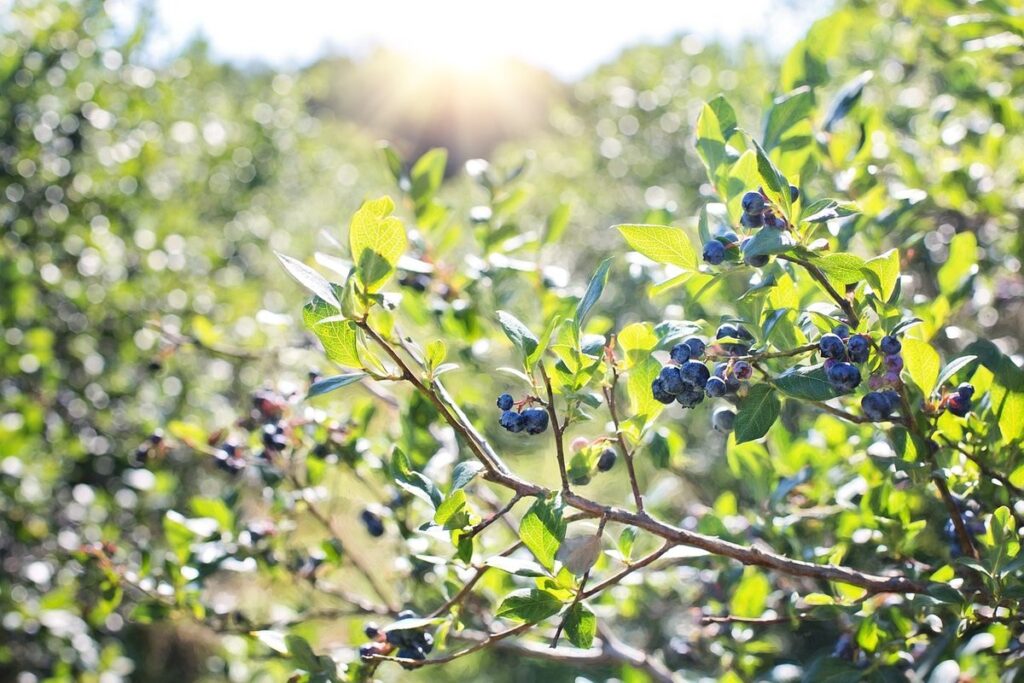
Benefits and Advantages of Growing Blueberries in Containers
Growing blueberries in containers offers numerous benefits, including increased crop yields and easier maintenance, making it an attractive option for home gardeners and urban farmers alike.
Easy to Move and Reposition
One of the most significant advantages of growing blueberries in containers is that it allows for easy repositioning of plants. This flexibility is particularly beneficial for these delicate shrubs as they require more acidic soil conditions, which can be challenging to maintain in outdoor gardens.
In traditional garden beds, it’s often difficult to create and maintain a consistent acidic environment. However, with container growing, you have complete control over the soil pH. If your blueberry plant requires a more acidic environment, you can simply move it to a different location or replace the potting mix altogether. This adaptability also comes in handy if you notice that the sunlight levels are not meeting your plant’s needs.
To take full advantage of this flexibility, be sure to use containers with good drainage and a high-quality potting mix specifically designed for acid-loving plants like blueberries. You can also repurpose old containers or reuse plastic tubs as a cost-effective option. With a little creativity and planning, you’ll find that container growing offers unparalleled flexibility when it comes to caring for your blueberry plants.
Space-Efficient Solution for Small Gardens or Balconies
If you’re fortunate enough to have a small garden or balcony, container growing is an ideal solution for you. This space-efficient method allows you to grow blueberries without sacrificing precious space. Blueberry containers can be placed on patios, rooftops, or even indoors, making it perfect for urban areas with limited outdoor space.
One of the biggest advantages of container growing is its flexibility. You can choose a variety of blueberry that suits your climate and available space. Compact varieties like ‘Tophat’ or ‘Bluecrop’ are excellent options for small spaces. These containers don’t require extensive soil preparation, as you can use a high-quality potting mix specifically designed for acid-loving plants like blueberries.
To make the most of this space-saving solution, ensure your container has good drainage holes to prevent waterlogged soil. You’ll also want to choose a container that’s at least 12-18 inches deep to accommodate the blueberry’s extensive root system. With proper care and attention, you can enjoy a bountiful harvest of delicious blueberries in even the smallest of spaces.
Choosing the Right Container and Soil for Blueberries
When growing blueberries in containers, selecting the right vessel and soil is crucial to provide the necessary acidic conditions and drainage. Let’s explore how to choose a suitable container and mix.
Material Selection: Ceramic, Plastic, or Wooden Containers
When it comes to choosing containers for blueberry growing, one of the most critical decisions is selecting the right material. The three main options are ceramic, plastic, and wooden containers, each with its own set of pros and cons.
Ceramic containers offer excellent insulation and can retain heat well, making them ideal for colder climates or areas with unpredictable weather patterns. However, they tend to be heavier and more expensive than other options. Additionally, ceramics can be prone to cracking if not handled carefully.
Plastic containers, on the other hand, are lightweight and inexpensive but may lack the same level of insulation as ceramic ones. They’re also more susceptible to damage from extreme temperatures or sharp objects. Nevertheless, they’re easy to clean and maintain, making them a popular choice for blueberry growers.
Wooden containers provide a natural, rustic charm and can be more aesthetically pleasing than plastic or ceramic options. However, they require regular maintenance to prevent rotting and warping, which can be time-consuming and expensive in the long run.
When selecting a container material, consider your specific climate, budget, and personal preferences. If you live in an area with harsh winters, ceramic may be the best option for retaining heat. On the other hand, if you prioritize ease of maintenance and a lower upfront cost, plastic or wooden containers could be the way to go.
Ultimately, weigh the pros and cons of each material carefully before making your decision. Keep in mind that blueberries prefer slightly acidic soil with good drainage, so ensure your container is designed to accommodate these specific needs. By choosing the right material for your container, you’ll set yourself up for success and enjoy a bountiful harvest of delicious homegrown blueberries.
Selecting a Well-Draining Potting Mix
When growing blueberries in containers, selecting the right potting mix is crucial for their success. Blueberries are acid-loving plants that require a specific set of characteristics in their soil to thrive. A well-draining potting mix can help prevent root rot and other problems associated with overwatering.
Look for a potting mix specifically designed for acid-loving plants like blueberries, which typically have an acidic pH between 4.0 and 5.5. These mixes usually contain peat moss or coconut coir, which provide the necessary acidity and moisture retention. A well-draining potting mix should also contain perlite, vermiculite, or sand to improve aeration and prevent waterlogging.
Some key characteristics to look for in a well-draining potting mix include:
• High acidity (pH 4.0-5.5)
• Presence of peat moss or coconut coir
• Inclusion of perlite, vermiculite, or sand for improved aeration
• Good water retention capacity
When selecting a potting mix, read the label carefully and look for these characteristics to ensure that you’re giving your blueberry plants the best chance to thrive.
Plant Selection and Preparation
When it comes to growing blueberries in containers, choosing the right plants and preparing them properly is crucial for success. In this critical step, we’ll guide you through selecting the perfect blueberry variety and preparing them for container life.
Choosing Healthy Blueberry Plants from a Nursery or Garden Center
When selecting blueberry plants from a nursery or garden center for container growing, it’s essential to choose healthy specimens that will thrive in their new environment. Look for plants that are at least 6-12 months old, as younger plants may not have developed enough root mass to support themselves in a container.
Consider the size of the plant, too – larger plants can be more challenging to manage in containers and may require more frequent pruning to maintain their shape. Opt for dwarf or semi-dwarf varieties that are specifically bred for container growing, as they will generally be smaller in size.
Disease resistance is also crucial when selecting blueberry plants. Look for cultivars with built-in resistance to common diseases like powdery mildew and leaf spot. Some popular disease-resistant varieties include ‘Tophat’, ‘Bluecrop’, and ‘Patriot’. Be sure to ask the nursery staff about any specific pest or disease issues they’ve encountered in their stock, and choose plants that show no signs of stress or damage.
When inspecting potential purchases, check for vibrant green leaves, sturdy stems, and robust root systems. Avoid plants with yellowing or wilted foliage, as these can be indicative of underlying health problems. By selecting healthy blueberry plants from a reputable nursery, you’ll set your container garden up for success from the very start.
Acclimating Blueberries to Container Growing
When transplanting blueberries to containers, it’s essential to acclimate them to their new environment gradually. Start by placing the potted blueberry plant outdoors for a few hours a day to get accustomed to direct sunlight and outdoor temperatures.
Initial watering is also crucial during this period. Water your blueberry plant thoroughly after potting, but avoid overwatering, which can lead to root rot in containers. Stick to a regular watering schedule, ensuring the soil remains consistently moist but not waterlogged.
For fertilization, use a balanced fertilizer (10-10-10 NPK) specifically designed for acid-loving plants like blueberries. Follow the manufacturer’s instructions and apply it sparingly during the first growing season. Pruning is another critical aspect to consider when acclimating your blueberry plant to containers.
Prune your blueberry bush immediately after planting, removing any dead or damaged branches. This will promote healthy growth, increase fruit production, and prevent disease from spreading. Remember to prune regularly throughout the growing season to maintain a balanced shape and encourage new growth.
Care and Maintenance of Blueberry Containers
Now that you’ve got your blueberry container thriving, let’s dive into the essential care and maintenance tasks to keep it healthy and productive. This includes pruning, fertilizing, and monitoring for pests and diseases.
Watering Requirements: Frequency and Amount
Watering blueberries in containers requires attention to specific needs based on climate, soil type, and plant size. In hot and dry climates, blueberry plants need more frequent watering, ideally every 2-3 days during the growing season. However, overwatering can be detrimental, so it’s crucial to check the soil moisture by inserting your finger into the soil up to the first knuckle.
In cooler climates with moderate temperatures, blueberries require less frequent watering, typically every 4-5 days. Soil type also plays a significant role in determining water requirements – sandy soils drain quickly and may need more frequent watering, while heavy clays retain moisture longer and can be watered less often.
For mature blueberry plants (over two years old), it’s recommended to provide about 1-2 gallons of water per week during the growing season. Younger plants or those in smaller containers require less water – around 0.5-1 gallon per week. Be mindful of weather forecasts and adjust your watering schedule accordingly, as too much rain can lead to root rot. A good rule of thumb is to check the soil moisture and adjust your watering schedule based on the plant’s response.
Fertilizing Blueberries in Containers
When it comes to fertilizing blueberries in containers, regular feeding is crucial for optimal growth and fruit production. Unlike field-grown plants, container-grown blueberries require more frequent fertilization due to the limited soil volume.
Choose a balanced, water-soluble fertilizer (20-20-20) as your primary source of nutrients. However, you can supplement with additional micronutrients like iron or magnesium if necessary. Organic options like fish emulsion or compost tea are also viable alternatives.
To avoid over-fertilizing, use half the recommended amount on the label and adjust according to plant response. Blueberries require a slightly acidic pH (4.5-6.0), so monitor your fertilizer’s effect on soil pH levels.
Fertilize every 2-3 weeks during the growing season (spring-fall) when the plants are actively producing new growth. During dormancy, reduce fertilization to once a month or skip it altogether. Keep in mind that blueberries have different nutrient requirements at various stages of development – seedlings need more nitrogen, while established plants prefer potassium-rich fertilizers.
Monitor your plant’s response and adjust your fertilization schedule accordingly. A balanced diet will yield healthy, productive blueberry plants that thrive in their containers.
Common Challenges and Troubleshooting
Even experienced gardeners can encounter setbacks when growing blueberries in containers. Let’s troubleshoot common issues that might arise and find solutions to keep your plants thriving.
Pests and Diseases: Identifying and Addressing Issues
As a blueberry container grower, you’re likely to encounter common pests and diseases that can affect your plants’ health. Keep an eye out for signs of aphids, whiteflies, and spider mites, which can be identified by sticky honeydew droplets on the leaves or a fine webbing between stems. To prevent these issues, ensure good air circulation around your containers and spray with neem oil or insecticidal soap as a preventative measure.
Root rot, caused by overwatering or waterlogged soil, is another common problem. Look for yellowing leaves, soft stems, and a foul odor emanating from the soil. To prevent root rot, avoid watering your blueberries when the top 1-2 inches of soil feel dry to the touch. Instead, water deeply but infrequently.
Fungal diseases like powdery mildew and botrytis can also affect container-grown blueberries. These issues often present with a white, powdery coating on leaves or dark, sunken spots on fruit. To manage fungal diseases, provide good air circulation, remove any infected plant material, and treat with fungicides according to the manufacturer’s instructions.
Regular monitoring of your plants will help you identify problems early on, allowing for more effective treatment and prevention strategies. Regularly inspect your blueberries for signs of pests or disease, and adjust your care routine accordingly.
Nutrient Deficiencies: Recognizing and Correcting
Nutrient deficiencies can be a significant issue for blueberries grown in containers. Since container soils tend to have limited nutrient capacity and may not retain water as well as garden beds, it’s essential to keep an eye out for signs of nutrient stress.
Look for changes in leaf color or texture, such as pale yellow leaves with green veins (nitrogen deficiency) or scorched brown tips (iron deficiency). If your blueberries’ growth rate slows down or fruit production decreases, these can also be indicators that the plants aren’t getting what they need.
To correct nutrient deficiencies, you can adjust your fertilization schedule. Consider applying a balanced fertilizer during the growing season (e.g., 10-10-10 NPK), followed by an acidic fertilizer in the spring to match blueberries’ preferred pH range of 4.0-5.5.
Some specific deficiencies and their treatments include:
* Nitrogen deficiency: Apply high-nitrogen fertilizers, such as ammonium nitrate or fish emulsion
* Iron deficiency: Add iron chelates like ferrous sulfate to the soil
* Magnesium deficiency: Mix in dolomitic limestone to increase magnesium levels
Regular soil testing will help you pinpoint nutrient deficiencies early on and make targeted adjustments.
Harvesting and Enjoying Your Container-Grown Blueberries
Now that your container-grown blueberry bushes are thriving, it’s time to enjoy the fruits of your labor and learn how to harvest and enjoy them at their peak ripeness. Let’s dive into the specifics of harvesting and enjoying your homegrown blueberries!
Timing of the Harvest
When it comes to timing the harvest of your container-grown blueberries, several factors come into play. Climate, variety, and plant maturity all impact when you can expect those delicious berries to ripen.
Generally, blueberry harvests occur between May and August, depending on your location and the specific variety you’re growing. For example, ‘Tophat’ and ‘Bluecrop’ are known for their mid-to-late summer harvest, while ‘Patriot’ and ‘Bluejay’ tend to produce fruit in late spring.
Plant maturity is also crucial when timing the harvest. Younger plants may not produce berries for two to three years after planting, so be patient and let your container-grown blueberries reach a level of maturity before expecting a bountiful harvest.
Some signs that your blueberries are ready to pick include their natural color change from green to a deeper hue, like purple or red. Check the fruit daily, as this period is usually short. Using a gentle twisting motion, pick the berries at the base where they connect to the stem, being careful not to damage the delicate flowers and subsequent buds.
Keep in mind that climate can also affect harvest timing. If you live in an area with cooler temperatures or shorter summers, your blueberries may ripen earlier than those grown in warmer climates.
Tips for Maximizing Flavor and Quality
When it’s time to harvest your container-grown blueberries, you’ll want to ensure that they’re at their peak flavor and quality. To achieve this, it’s essential to consider the post-harvest care and handling techniques.
For optimal flavor, it’s crucial to handle the berries gently to avoid bruising or crushing them. This can be achieved by placing a towel or paper bag over the container to catch any fallen berries, allowing you to pick them up without disturbing the rest of the crop.
To maintain quality, make sure to rinse the berries immediately after harvesting with cool water. Avoid washing them before refrigeration, as this can lead to moisture accumulation and spoilage.
When it comes to storing your freshly picked blueberries, keep in mind that they’re highly perishable. To maximize their shelf life, store them in a covered container in the refrigerator at a temperature below 40°F (4°C). If you plan on consuming them within a few days, consider using an airtight container with some moisture-absorbing paper or silica gel to maintain optimal humidity levels.
Keep in mind that blueberries are highly sensitive to ethylene gas, so it’s best to store them away from other fruits and vegetables. By following these simple tips, you’ll be able to enjoy your homegrown blueberries at their best flavor and quality.
Conclusion: The Rewards of Blueberry Container Growing
As we conclude our comprehensive guide, you’re likely eager to reap the benefits of growing blueberries in containers. This final section highlights the rewards that make all your hard work worthwhile.
Recap of Key Takeaways
As you’ve made it through this comprehensive guide to blueberry container growing, let’s recap the key takeaways that will help you successfully grow these delicious fruits in containers.
First and foremost, choose a suitable variety of blueberries that are compact or dwarf, specifically bred for container growing. These varieties typically produce smaller plants with lower pH requirements, making them ideal for pots.
When selecting containers, consider using large pots with good drainage holes to prevent waterlogged soil. A minimum depth of 6-8 inches is recommended to accommodate the blueberry plant’s root system.
Next, prepare your potting mix by mixing in a balanced fertilizer and organic matter like peat moss or compost. Water regularly, but avoid overwatering, which can lead to root rot.
By following these key takeaways and practicing proper care techniques, you’ll be well on your way to enjoying fresh blueberries from your container garden all season long.
Final Thoughts on the Benefits and Joy of Container Gardening
As you’ve now discovered the joy of growing blueberries in containers, we encourage you to explore other types of plants that thrive in containers. The benefits of container gardening go beyond just having a bountiful harvest – they also promote connection with nature and provide an opportunity for creative expression.
Consider adding some vibrant herbs like basil or rosemary to your outdoor space, or experiment with compact varieties of vegetables like cherry tomatoes or lettuce. Not only will these plants add color and texture to your garden, but they’ll also attract pollinators and other beneficial wildlife. By growing a diverse range of plants in containers, you can create a thriving ecosystem that’s both beautiful and productive.
As you continue to cultivate your own food, remember the satisfaction that comes from watching something you planted grow into delicious, nutritious meals. Take this experience as an opportunity to get creative with recipes and experiment with new flavors – and don’t be afraid to share your harvest with friends and family! By embracing the rewards of container gardening, you’ll not only enjoy a bountiful harvest but also a deeper connection with nature and yourself.
Frequently Asked Questions
How often should I water my blueberry container to ensure optimal growth?
Consistent moisture is crucial for blueberries, but overwatering can be detrimental. Water your blueberry containers when the top 1-2 inches of soil feel dry to the touch, usually every 7-10 days during the growing season. Be cautious not to let waterlogged soil cause root rot.
Can I use regular potting mix for my blueberries, or do I need a specific blend?
While regular potting mixes can work in an emergency, they’re not ideal for blueberries due to their high acidity requirements (pH 4.0-5.5). Use a well-draining potting mix specifically designed for acid-loving plants like azaleas and rhododendrons. This will help maintain the right pH levels and ensure healthy root growth.
How do I protect my blueberry containers from extreme temperatures, frost, or heatwaves?
Blueberries are sensitive to temperature fluctuations, so take necessary precautions during harsh weather conditions. Move your containers to a protected area during frost or freezing nights (below 32°F). During intense heatwaves (above 90°F), provide shade using sheer curtains, umbrellas, or other shading materials.
Can I propagate new blueberry plants from the container-grown ones, and how do I do it?
Yes, you can propagate blueberries through stem cuttings. Take 4-6 inch stem sections with a few sets of leaves during the dormant season (winter or early spring). Remove lower leaves, dip in rooting hormone powder, and plant them in moistened potting mix under high humidity until roots develop.
How long does it take for my container-grown blueberries to produce fruit?
The time to first harvest can vary from 1-2 years after planting, depending on factors like the variety, climate, and growing conditions. Expect your blueberry plants to reach maturity (peak production) within 3-5 years, providing you with bountiful harvests of delicious, juicy berries.