
Are you one of those lucky gardeners who’ve successfully grown a fig tree indoors? Or perhaps you’re just starting out, wondering if it’s even possible to keep this tropical beauty thriving in your home. Either way, I’m here to help! Caring for a fig tree indoors can be a bit more challenging than growing them outside, but with the right guidance, you’ll be well on your way to enjoying fresh figs all year round. In this article, we’ll cover everything from choosing the perfect variety for indoor growth to long-term maintenance tips that will keep your fig tree healthy and thriving.
We’ll also explore some common mistakes to avoid when growing a fig tree indoors, so you can steer clear of potential problems and focus on nurturing a lush, productive plant. By the end of this article, you’ll be an expert in fig tree indoor care, ready to enjoy the many rewards that come with growing your own figs at home.
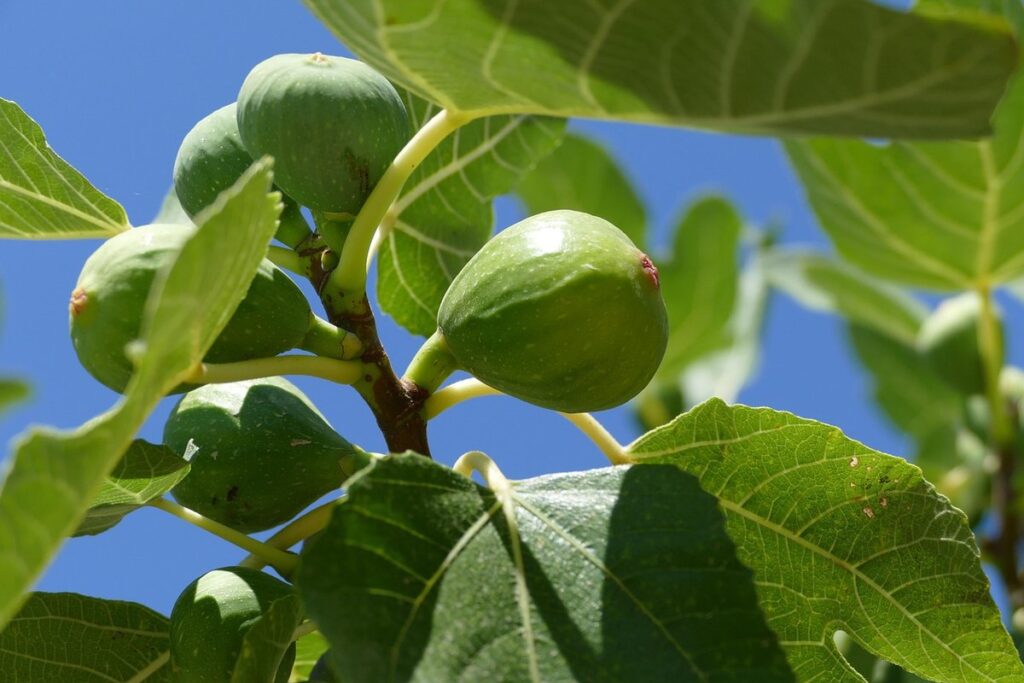
Understanding Your Fig Tree’s Needs
To give your fig tree the best chance at thriving indoors, you need to understand its basic needs and how they differ from those of outdoor trees. We’ll break down these requirements for you next.
Choosing the Right Variety
When it comes to growing fig trees indoors, choosing the right variety is crucial for success. With numerous options available, selecting a suitable variety can be overwhelming, especially for beginners. Let’s focus on the most popular and indoor-friendly varieties that thrive in containers.
Some of the best varieties for indoor growth include ‘Brown Turkey’, ‘Black Jack’, and ‘Celeste’. These varieties are compact, produce smaller fruit, and have a lower chill hour requirement – all essential characteristics for thriving indoors. ‘Brown Turkey’ is an excellent choice due to its ability to tolerate cooler temperatures and produce two crops per year.
In contrast, some popular varieties like ‘Brown Swiss’ and ‘Conadria’ require more space and warmer temperatures, making them less suitable for indoor growth. When selecting a variety, consider factors such as the available space, temperature range, and your desired level of maintenance.
To ensure you’re choosing the right variety, research each option’s specific requirements and characteristics. Check online resources or consult with a local nursery to determine which varieties perform well in your area.
Providing Optimal Lighting Conditions
When it comes to providing optimal lighting conditions for your fig tree, it’s essential to remember that these trees are native to the Mediterranean region and thrive in bright, indirect light. Direct sunlight can scorch the leaves, so it’s crucial to balance this need with the protection of intense rays.
East- and west-facing windows are ideal locations for a fig tree, as they receive gentle morning or afternoon sunlight without being too harsh. If you don’t have one of these windows available, consider placing your tree near an east- or west-facing skylight to maximize natural light. Avoid north-facing windows, which tend to be too dim for optimal photosynthesis.
To ensure your fig tree receives the right amount of light, place it 2-3 feet away from any window to avoid scorching the leaves. You can also supplement with grow lights if necessary, but be cautious not to overdo it – excessive light can still cause damage. With a little creativity and experimentation, you’ll find the perfect spot for your fig tree to shine.
Preparing Your Fig Tree for Indoor Life
Before bringing your fig tree indoors, make sure you’re prepared with the right equipment and a suitable location to give it the best chance at thriving. Here’s what you need to know.
Acclimating Your Fig Tree to Indoors
When bringing your fig tree indoors from outdoors, it’s crucial to introduce it gradually to indoor conditions to avoid shocking the plant. This process is called acclimation, and it can make all the difference in helping your tree thrive.
Start by placing your fig tree in a shaded area outside for 7-10 days before moving it indoors. This will allow the leaves to adjust to the reduced light intensity of the indoor environment. You can also reduce the frequency of watering during this period, as the tree will require less moisture in lower light conditions.
Next, bring the tree inside and place it near a sunny window or under grow lights for 7-10 days. Monitor its response closely, adjusting the light and temperature levels as needed. Be cautious not to expose your fig tree to direct sunlight immediately, as this can cause scorched leaves. After acclimation, you can move the tree to its permanent location indoors.
By following these steps, you’ll give your fig tree the best chance of success in its new indoor environment. Remember that every plant is unique, so be prepared to adjust the acclimation process based on your tree’s specific needs and responses.
Watering and Humidity Requirements
When it comes to watering and humidity levels for your indoor fig tree, getting it just right can be a challenge. Fig trees prefer moist soil but are susceptible to overwatering, which can lead to root rot and other problems. To avoid this, start by checking the moisture level of the soil daily with a finger test – if the top 1-2 inches feel dry, it’s time for watering.
Water your fig tree thoroughly until water drains out of the pot’s bottom holes, then wait a few days before resuming regular watering. A good rule of thumb is to allow the top inch of soil to dry out between waterings. You can also use a moisture meter for more accurate readings. As for humidity, aim for levels between 50-60% – too low and leaves may become scorched, while excessively high humidity can encourage fungal growth.
Maintaining optimal humidity levels indoors is crucial, especially if you live in a dry climate. To achieve this, place the pot on a tray filled with water and pebbles (evaporation will increase moisture levels) or use a humidifier nearby.
Fig Tree Care Essentials for a Healthy Plant
To keep your fig tree thriving, you’ll want to focus on providing it with the right conditions and attention, which we’ll cover in the following essential care tips.
Soil Selection and Fertilization
When it comes to fig tree care indoors, using the right potting mix and fertilizing schedule is crucial for its health. A well-balanced fertilizer routine will provide your plant with essential nutrients for growth and fruit production.
Start by selecting a high-quality potting mix specifically designed for indoor plants or those that thrive in containers. Look for mixes containing perlite, vermiculite, or peat moss to retain moisture and prevent waterlogged soil. Organic options like coconut coir or worm casting can also be beneficial.
When it comes to fertilization, you have both organic and inorganic options available. Choose from slow-release fertilizers that contain essential nutrients like nitrogen, phosphorus, and potassium (NPK). A balanced fertilizer with equal parts of NPK will suffice for most fig tree needs. Alternatively, use compost tea or liquid fish emulsion as an organic option.
As a general rule, feed your fig tree with a balanced fertilizer during the growing season (spring-fall) every 2-4 weeks. Dilute the fertilizer to half the recommended strength to avoid burning the roots. During the dormant period (winter), reduce fertilization to once a month or skip it altogether to prevent over-fertilizing.
Pest Control and Pruning
When it comes to fig tree care indoors, pest control and pruning are crucial aspects that cannot be overlooked. Indoor conditions can create an ideal environment for pests and diseases to thrive, which may not be immediately apparent when growing outdoors.
Some common pests you might encounter on your indoor fig tree include spider mites, mealybugs, and scale insects. To prevent infestations, ensure good air circulation around the plant by providing enough space between it and any surrounding objects. Regularly inspect your tree for signs of pest activity, such as fine webbing or sticky honeydew droplets.
Prevention is key; use neem oil or insecticidal soap to control infestations if they do occur. As for pruning, indoor fig trees require regular maintenance to promote healthy growth and fruiting. Prune your tree in late winter or early spring when it’s dormant, removing any dead or damaged branches to prevent disease spread.
By following these guidelines, you can keep your indoor fig tree pest-free and thriving.
Common Fig Tree Problems and Solutions
As you care for your fig tree indoors, it’s common to encounter a few hiccups along the way. In this next part of our guide, we’ll cover some potential issues and their easy-to-implement solutions.
Leaf Drop and Defoliation Causes
When you bring a fig tree indoors, it’s not uncommon for leaves to drop unexpectedly. There are several reasons why this might happen, and understanding the causes is key to preventing further stress on your plant. One common cause of leaf drop is nutrient deficiencies – particularly a lack of nitrogen, iron, or magnesium. These essential micronutrients play critical roles in photosynthesis, so it’s no wonder that without them, your fig tree will start dropping leaves as a survival mechanism.
Temperature fluctuations can also wreak havoc on your fig tree’s health. If the temperature drops below 40°F (4°C) or rises above 75°F (24°C), your tree may drop its leaves to conserve water and energy. Additionally, exposure to direct sunlight can cause scorching, leading to premature leaf drop.
To address these issues, inspect your soil regularly for nutrient deficiencies and adjust your fertilization schedule accordingly. Water your fig tree carefully to prevent overwatering, which can exacerbate temperature-related stress. And when placing your fig tree near a sunny window, ensure it’s at least 6 feet away from direct sunlight to avoid scorching. By being mindful of these potential causes and taking preventive measures, you’ll be well on your way to keeping your fig tree thriving indoors.
Root System Issues and Repotting
As your fig tree grows and thrives indoors, it may eventually outgrow its container. One of the most common issues you’ll encounter is root binding, where the roots become constricted due to the limited space. This can cause a range of problems, including reduced growth, yellowing leaves, and even plant death.
To determine if your fig tree needs repotting, check for signs such as water pooling around the base or slow watering absorption. If you notice these symptoms, it’s likely that the roots have become bound, preventing the soil from draining properly.
Repotting a mature fig tree requires careful planning to minimize stress and ensure a smooth transition. Choose a container with good drainage holes at least 1-2 sizes larger than the original pot. Gently remove the plant from its old pot, taking care not to damage the roots. Trim any circling or tangled roots before placing the tree in its new home. Water thoroughly after repotting and monitor your fig tree’s response over the next few weeks.
Keep an eye out for settling into its new container and adjust watering accordingly. With proper repotting and care, your mature fig tree will continue to flourish indoors.
Enhancing Your Fig Tree’s Indoor Experience
To ensure your fig tree thrives indoors, it’s essential to make a few adjustments to its environment, such as providing adequate light and maintaining optimal humidity levels.
Temperature and Ventilation Control
Maintaining optimal temperature levels is crucial for your fig tree’s health, especially in colder climates. Fig trees thrive in temperatures between 55°F to 75°F (13°C to 24°C), making it essential to regulate the temperature in your home.
To achieve this, you can use a heating system specifically designed for plants, such as a ceramic heat emitter or an infrared heater. These types of heaters produce a gentle warmth that won’t damage your fig tree’s leaves or roots. For example, the ‘Faber’ ceramic heat emitter is a popular choice among indoor gardeners, emitting a soothing warmth without drying out the air.
Proper ventilation is equally important to prevent moisture buildup and maintain healthy air circulation around your fig tree. Open windows or use an exhaust fan during hot summer months to remove excess humidity and promote airflow. This can be achieved by placing the fan near the pot to circulate the air and keep it dry, thereby preventing fungal diseases that thrive in humid environments.
By maintaining a stable temperature between 55°F to 75°F (13°C to 24°C) and ensuring proper ventilation, you’ll create an ideal environment for your fig tree to grow strong and healthy indoors.
Potting Materials and Considerations
When it comes to potting materials for your fig tree, you’ll want to choose an option that regulates indoor temperature well and provides optimal conditions for plant growth. Terracotta pots are a popular choice, as they allow for air circulation and help maintain healthy soil moisture levels. However, terracotta can be prone to drying out quickly in dry environments, which may require more frequent watering.
Ceramic pots, on the other hand, offer better insulation and can retain moisture longer than terracotta. They’re an excellent option for indoor spaces with consistent temperatures. If you live in a hot or humid climate, consider investing in self-watering pots. These innovative containers have a built-in water reservoir that supplies plants as needed.
Before selecting a pot material, think about your specific environment and fig tree needs. Assess the temperature fluctuations in your home, as well as the humidity levels. Also, keep in mind the size of your pot relative to the plant’s root system. A general rule is to choose a container that’s at least 1-2 times larger than the original one.
When selecting a ceramic or self-watering pot, consider brands with built-in moisture meters for added convenience. These tools can help you monitor soil hydration levels without having to dig in. By choosing the right pot material and monitoring your fig tree’s conditions closely, you’ll set it up for long-term success indoors.
Long-Term Care and Maintenance Tips
To ensure your fig tree thrives for years to come, it’s essential to learn how to properly care for it in the long term. We’ll cover all you need to know about its ongoing maintenance and upkeep.
Monitoring Your Fig Tree’s Progress
As you continue to care for your fig tree indoors, regular monitoring is crucial for its long-term success. Keep a close eye on its growth and appearance, watching out for signs of trouble that can arise from improper watering or nutrient deficiencies.
One common issue to watch for is overwatering. This can cause the leaves to turn yellow or brown, become soft and mushy, or drop off entirely. On the other hand, underwatering can lead to crispy, brittle leaves that may also shed prematurely. To address either situation, adjust your watering schedule accordingly: if you suspect overwatering, allow the soil to dry out slightly between waterings; if you’re concerned about underwatering, increase the frequency of watering.
Nutrient deficiencies can also manifest in various ways. For instance, a lack of magnesium might cause yellowing leaves around the edges or between leaf veins. Conversely, a potassium deficiency may result in brown tips on older leaves. If you notice any of these symptoms, consider repotting your tree with fresh potting mix and fertilizing it regularly.
Keep an eye out for pests like spider mites, mealybugs, or scale insects that can weaken the plant further if left unaddressed.
Planning for the Future: Grafting and Propagation
If you’ve successfully grown a fig tree indoors and are eager to expand your collection, grafting and propagation can be exciting options to explore. Grafting involves joining a piece of stem from one plant (the scion) onto the root system of another (the rootstock). This technique allows you to combine the desired traits of different varieties into a single tree.
For beginners, grafting may seem intimidating, but with the right tools and some practice, it can be a rewarding experience. To get started, choose healthy stems from mature trees that exhibit desirable characteristics such as flavor, texture, or disease resistance. Use a sharp, sterile knife to make precise cuts on both the scion and rootstock. Apply a small amount of grafting wax or tape to seal the joint.
Propagation through cuttings can be another viable option for indoor growers. To increase your chances of success, take 4-6 inch stem sections from vigorous, healthy branches. Remove lower leaves, leaving only a few at the node where the cutting will be inserted into a rooting medium. Keep the soil consistently moist and provide bright, indirect light until roots develop.
When choosing between grafting or propagation, consider your space constraints, climate, and desired outcome. Grafting can produce fruit sooner, but may require more maintenance in terms of compatibility between scion and rootstock. Propagation from cuttings is a more straightforward process, allowing you to reproduce the exact characteristics of your parent tree.
It’s essential to research specific techniques for fig trees, as some varieties respond better to certain methods than others. Start with small-scale experiments, practicing grafting or propagation on several stems to develop your skills and confidence before applying them to larger projects.
Conclusion
In conclusion, taking proper care of your fig tree indoors requires attention to its specific needs. By understanding how to provide adequate light, water, and fertilization, you can keep your tree healthy and thriving. Remember that a fig tree prefers bright, indirect light, so placing it near an east or west-facing window is ideal. Also, make sure not to overwater your tree, as this can lead to root rot. Instead, allow the top layer of soil to dry out between waterings.
With consistent care, you’ll be rewarded with a beautiful and fruitful fig tree. Don’t forget to prune your tree regularly to maintain its shape and encourage new growth. By following these tips and being mindful of your tree’s needs, you can enjoy the many benefits of having an indoor fig tree, from delicious fresh fruit to improved air quality.
Frequently Asked Questions
How often should I repot my fig tree indoors, considering its rapid growth rate?
Repotting your fig tree every 1-2 years is recommended to ensure it has enough room to grow. However, this frequency can vary depending on the specific variety and growing conditions. Keep an eye on your tree’s roots for signs of root bound (tangled or circling roots), which indicates a need for repotting.
Can I use any type of fertilizer for my indoor fig tree, or are there special considerations?
Yes, it’s essential to choose a balanced, water-soluble fertilizer specifically formulated for indoor plants. Avoid using fertilizers high in nitrogen, as this can promote leaf growth over fruit production. Dilute the recommended dose according to the product instructions to prevent burning your tree’s roots.
What should I do if my fig tree is not producing any fruit, despite proper care and conditions?
Fruitless fig trees are often a result of inadequate pollination or insufficient chilling hours (for varieties that require this). If you’re growing a self-fertile variety, check for pests or diseases that might be affecting the tree’s reproductive abilities. Provide your tree with enough chill units by placing it in an unheated room or garage during winter months.
How can I maintain optimal humidity levels around my indoor fig tree without creating condensation issues?
Use a humidifier specifically designed for plants to maintain humidity levels between 50-70%. Place the humidifier at least 2-3 feet away from your tree to avoid water droplets landing on its leaves. Monitor temperature and ventilation in the room to ensure proper air circulation, which helps prevent mold growth.
Can I propagate my fig tree through leaf cuttings, or is grafting the only option for indoor propagation?
Yes, you can propagate your fig tree using leaf cuttings! Take 4-6 inch stem sections with at least two nodes and a pair of leaves. Remove lower leaves, dip in rooting hormone, and plant in well-draining potting mix. Provide bright indirect light and maintain high humidity until roots develop, which typically takes 2-3 months.