
Are you eager to bring some lush greenery into your home, but not sure where to start with philodendron care? As a beginner, taking care of these beautiful plants can seem daunting, but don’t worry – we’ve got you covered. With just a few simple tips and tricks, you’ll be on your way to growing healthy and thriving philodendrons in no time.
In this article, we’ll dive into the essential details of philodendron care for beginners. We’ll cover everything from providing the right lighting conditions to fertilizing and pruning your plants. Whether you’re new to plant parenthood or just looking for a low-maintenance option to brighten up your space, our comprehensive guide will walk you through all the basics. By the end of this post, you’ll be confident in your ability to grow stunning philodendrons that will add a touch of tropical charm to any room.
Understanding Philodendrons and Their Needs
To grow happy, healthy philodendrons, it’s essential to understand their specific needs and characteristics, which can vary depending on the type of plant. Let’s dive into what makes these plants unique.
What are Philodendrons?
If you’re new to plant parenthood, chances are you’ve come across philodendrons – and for good reason! These beautiful plants have become increasingly popular among indoor gardeners due to their adaptability, low-maintenance requirements, and stunning foliage. But what exactly makes philodendrons so special?
Philodendron plants are native to the tropical regions of Central and South America, where they thrive in warm, humid environments. As a result, they’ve developed unique characteristics that make them ideal for indoor spaces with limited natural light. Philodendrons come in an astonishing array of shapes, sizes, and varieties – from compact, self-heading plants like ‘Micans’ to sprawling, vining species like ‘Xanadu’. With over 700 species to choose from, it’s no wonder philodendrons have become a favorite among plant enthusiasts.
One of the most striking features of philodendron plants is their vibrant, heart-shaped leaves. These stunning foliage pieces can grow up to several feet long and come in a range of colors, including emerald green, burgundy, and even variegated patterns. Whether you’re looking for a stylish addition to your living room or a statement piece for your office, philodendrons are sure to impress.
As a beginner, it’s essential to understand that not all philodendron plants require the same level of care. Some species prefer brighter light, while others thrive in low-light conditions. Similarly, some philodendrons are more prone to pests or diseases than others. By choosing a variety that suits your lifestyle and environment, you’ll be well on your way to becoming a successful philodendron parent.
Some popular types of philodendron plants for beginners include:
* Philodendron ‘Micans’ – a compact, self-heading plant with heart-shaped leaves
* Philodendron ‘Xanadu’ – a vining species that thrives in low-light conditions
* Philodendron ‘Burgundy Heart’ – a unique variety with deep red-purple foliage
By understanding the unique characteristics and needs of philodendrons, you’ll be better equipped to provide your plant with the care it deserves. In our next section, we’ll delve into the essential care requirements for philodendrons, including lighting, watering, and pruning tips.
Benefits of Growing Philodendrons
Growing philodendrons is not only a great way to add some greenery to your space, but it also comes with several benefits that make them an excellent choice for indoor gardening. One of the most significant advantages of growing philodendrons is their ability to purify the air we breathe. These plants are natural air purifiers, capable of removing toxins and pollutants from the atmosphere, making them a great addition to any room.
Another benefit of growing philodendrons is their low maintenance requirements. They can thrive in a variety of lighting conditions, from bright indirect light to low-light environments, making them perfect for busy people or those new to indoor gardening. Philodendrons are also relatively easy to care for, requiring infrequent watering and minimal pruning.
In addition to their air-purifying abilities and low maintenance needs, philodendrons are also incredibly versatile when it comes to decorating. They can be trained to climb up walls or trellises, adding a touch of greenery to any room. You can also prune them back to maintain a compact shape, making them perfect for small spaces or indoor containers. With their ability to purify the air, thrive in low-light conditions, and add a decorative touch to your space, it’s no wonder why philodendrons are a favorite among indoor gardeners.
Choosing the Right Philodendron for Your Space
When it comes to picking out a philodendron, you might feel overwhelmed by all the varieties available. Let’s narrow down your options and explore the most suitable types for your home or office space.
Factors to Consider When Selecting a Philodendron
When selecting a philodendron, there are several key factors to consider. First and foremost, think about your climate and the plant’s sensitivity to temperature fluctuations. Some philodendrons thrive in warmer temperatures above 65°F (18°C), while others prefer cooler temperatures around 55-60°F (13-15°C). Knowing your local climate will help you choose a variety that can tolerate the conditions.
Next, consider the lighting requirements of your chosen philodendron. Philodendrons can adapt to various light levels, but some varieties require more light than others. If you’re placing the plant near a north-facing window or in an area with low natural light, choose a variety like ‘Micans’ or ‘Brasil’, which can tolerate low light conditions.
Space constraints are also crucial when selecting a philodendron. Think about the mature size of the plant and ensure it has enough room to grow without becoming pot-bound. A general rule is to start with a compact or dwarf variety if you have limited space, such as ‘Xanadu’ or ‘Micans’. Consider your available space before bringing home your new philodendron to avoid having to prune or repot it too frequently.
Popular Types of Philodendrons for Beginners
When it comes to choosing a philodendron for your space as a beginner, you’ll want to opt for varieties that are forgiving and easy to care for. Three popular types of philodendrons that fit the bill are ‘Heartleaf’, ‘Selloum’, and ‘Micans’.
The ‘Heartleaf’ philodendron is one of the most recognizable and versatile varieties. Its small, heart-shaped leaves make it perfect for hanging baskets or compact spaces. Plus, it’s relatively low-maintenance and can thrive in a range of lighting conditions.
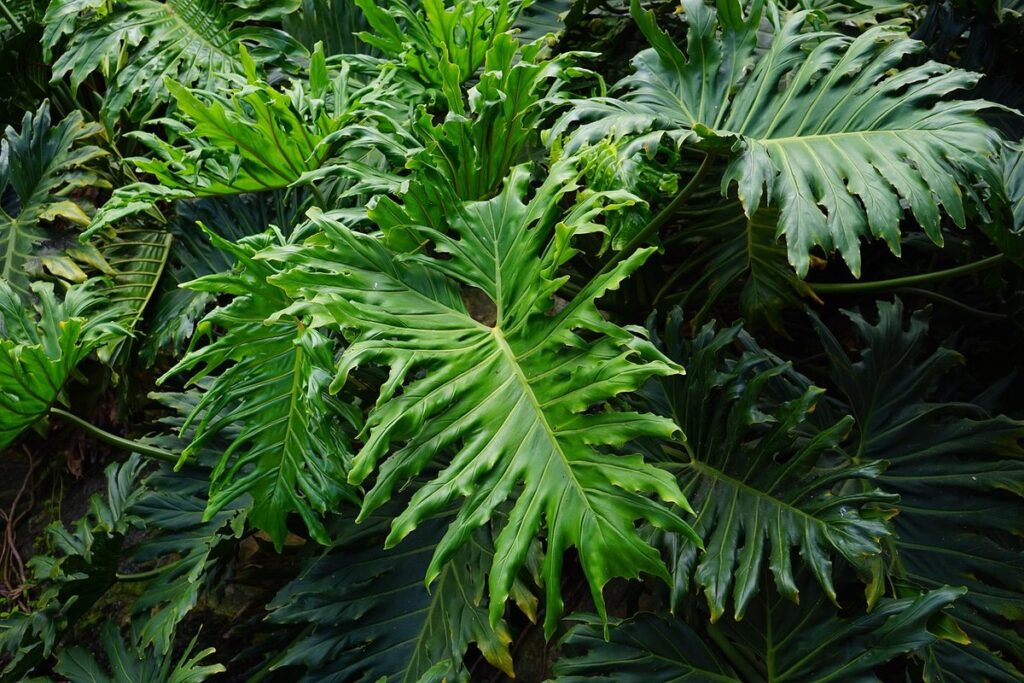
The ‘Selloum’ philodendron, on the other hand, is known for its large, lobed leaves that resemble a palm tree. It prefers bright, indirect light but can tolerate some direct sunlight. As a beginner, you’ll appreciate how easy it is to propagate and care for this variety.
Last but not least, there’s the ‘Micans’ philodendron with its striking, velvety leaves. It loves bright, indirect light and consistent watering – making it an ideal choice for beginners who want a lush, full-looking plant without too much fuss.
Lighting Requirements for Philodendrons
When it comes to giving your philodendron its best chance at thriving, proper lighting is crucial. Let’s dive into the specific requirements for creating a bright and healthy environment for these beautiful plants.
Understanding Light Intensity and Spectrum
When it comes to providing light intensity and spectrum requirements for philodendrons, there are several key points to consider. Philodendron plants can thrive in a variety of lighting conditions, from bright indirect light to low-light areas.
Philodendrons with high light requirements include the Heartleaf (Philodendron cordatum) and Blushing Philodendron (Philodendron ‘Brasil’). These varieties prefer east- or west-facing windows with filtered sunlight. On the other hand, some philodendron species are more tolerant of low light conditions, such as the Red Emerald (Philodendron erubescens) and Xanadu Philodendron (Philodendron xanadu).
For low-light areas, it’s essential to consider the spectrum of light provided. Aim for a balanced spectrum with a mix of blue and red wavelengths. Fluorescent or LED grow lights can be effective options in low-light environments, as they emit a wider range of wavelengths that promote healthy plant growth.
When selecting grow lights, look for products that provide a broad spectrum (around 400-700 nanometers) and have adjustable brightness levels to accommodate your philodendron’s specific needs.
How to Provide the Right Amount of Light
When it comes to providing the right amount of light for your philodendron, it’s essential to get it just right. Philodendrons prefer bright, indirect light but can tolerate low light conditions as well. However, direct sunlight can cause leaves to become scorched and discolored.
To determine the best spot for your philodendron, observe its natural habitat – tropical rainforests often receive dappled light through the trees. Try placing your plant near a north- or east-facing window, which will provide gentle, indirect light throughout the day. If this isn’t possible, consider using grow lights specifically designed for indoor plants.
When selecting grow lights, look for ones with a balanced spectrum that includes both blue and red LED lights. These lights mimic natural sunlight and can be placed about 6-8 inches above your philodendron’s leaves. Be cautious not to overlight – this can cause more harm than good! A general rule of thumb is to provide 12-14 hours of light per day, which can be achieved by using a timer to control the grow lights.
Keep in mind that younger plants may require less light, so adjust accordingly as your philodendron grows. By striking the right balance with light, you’ll set your plant up for success and encourage healthy growth.
Watering Your Philodendron: Tips and Tricks
Proper watering is crucial for your philodendron’s health, so let’s dive into some essential tips on how to water your plant correctly. This includes frequency, moisture levels, and signs of overwatering.
Understanding Water Requirements
When it comes to watering your philodendron, understanding its water requirements is crucial for optimal growth and health. Philodendrons prefer well-draining soil and tend to be sensitive to overwatering. As a general rule of thumb, allow the top 1-2 inches of soil to dry out between waterings.
The frequency of watering depends on several factors, including the size of your philodendron, potting mix, and humidity levels in its environment. For smaller plants (less than 10 inches tall), water every 5-7 days during the spring and summer months when they’re actively growing. Larger plants can go longer between waterings – aim for once a week.
Keep an eye out for moisture levels by sticking your finger into the soil up to the first knuckle. If it feels dry, it’s time to water. Avoid getting water on the leaves or crown of the plant to prevent fungal diseases. Water at room temperature to prevent shocking the roots. Aim for about 1-2 cups of water per watering session, depending on the size of your philodendron and potting mix.
In low-humidity environments (less than 40% relative humidity), you may need to water more frequently – every 3-4 days during the spring and summer months. Conversely, in humid climates (above 60% relative humidity), you can reduce watering to once a week or even less often. By monitoring moisture levels and adjusting your watering schedule accordingly, you’ll be well on your way to providing the right amount of water for your philodendron’s needs.
How to Avoid Overwatering and Underwatering
As a philodendron owner, it’s easy to get caught up in the habit of either overwatering or underwatering your plant. However, both can be detrimental to its health and growth. To avoid these common mistakes, let’s start by understanding the signs of drought and excess moisture.
When your philodendron is underwatered, you may notice its leaves becoming limp, wilted, and discolored. They might also develop brown or yellow edges. On the other hand, overwatering can cause droopy leaves, soft stems, and a soggy feel when touched. Pests like spider mites and mealybugs often thrive in waterlogged soil.
To avoid both extremes, check your philodendron’s moisture levels by sticking your finger into the soil up to the first knuckle. If it feels dry, it’s time for watering. Watering once a week is a good rule of thumb for most philodendrons, but this can vary depending on factors like climate and pot size.
Monitor your plant regularly and adjust your watering schedule accordingly. A well-draining potting mix can also help prevent waterlogged soil. By being mindful of these signs and adjusting your care routine, you’ll be able to provide your philodendron with the perfect balance of moisture it needs to thrive.
Fertilizing Your Philodendron: A Beginner’s Guide
Fertilizing your philodendron is a crucial part of its care, and it can be overwhelming to figure out what to feed your plant. Let’s break down the basics of fertilizing your philodendron step by step.
Understanding Nutrient Requirements
As you start fertilizing your philodendron, it’s essential to understand its nutrient requirements. Philodendrons need a balanced diet of both macronutrients and micronutrients to grow strong and healthy.
Macronutrients like nitrogen (N), phosphorus (P), and potassium (K) are crucial for plant growth. Nitrogen promotes leaf development and green color, while phosphorus supports root growth and flower production. Potassium helps with overall plant health and resistance to disease. A balanced fertilizer with an N-P-K ratio of 20-20-20 is a good starting point.
Micronutrients like iron (Fe), magnesium (Mg), and sulfur (S) are also vital for philodendrons. Iron promotes healthy foliage, while magnesium supports photosynthesis. Sulfur helps regulate plant growth and development. You can provide these micronutrients through a separate fertilizer or by using compost that is rich in organic matter.
When fertilizing your philodendron, remember to follow the instructions on the fertilizer packaging and start with small amounts. Over-fertilization can damage your plant, so it’s better to err on the side of caution. By providing the right balance of macronutrients and micronutrients, you’ll be well on your way to growing a happy and thriving philodendron.
How to Fertilize Your Philodendron Correctly
When it comes to fertilizing your philodendron correctly, it’s essential to get it right to promote healthy growth and prevent nutrient deficiencies. A balanced fertilizer that contains nitrogen (N), phosphorus (P), and potassium (K) is ideal for philodendrons. You can use a water-soluble or slow-release fertilizer, but make sure it’s specifically formulated for indoor plants.
As a general rule of thumb, fertilize your philodendron once a month during the growing season (spring and summer). Dilute the fertilizer to half the recommended strength to avoid burning your plant’s roots. You can also use a fertilizer with a balanced N-P-K ratio (20-20-20) for most philodendrons. However, if you notice yellowing leaves or weak growth, consider using a fertilizer with more phosphorus (P) to promote blooming and root development.
To give your philodendron an extra boost, consider repotting it in the spring when it becomes pot-bound. This will give its roots room to grow and access fresh nutrients in the new potting mix.
Common Pests and Diseases Affecting Philodendrons
As a beginner, it’s essential to know how to identify and prevent common pests and diseases that can affect your philodendron plants. Let’s take a closer look at what to watch out for.
Identifying Common Pests and Diseases
As a philodendron owner, it’s essential to be aware of common pests and diseases that can affect your plant. Keep an eye out for these unwelcome visitors: spider mites, mealybugs, and scale insects are notorious for infesting philodendrons. These tiny creatures can suck the sap from your plant’s leaves, causing discoloration and stunted growth.
Root rot is another common issue caused by overwatering or poor drainage. When the soil becomes waterlogged, it creates an ideal environment for fungal growth to flourish, leading to a mushy stem and yellowing leaves. Regularly inspect your philodendron’s roots by gently removing it from its pot, and repot with fresh soil if necessary.
Leaf spot diseases, such as Cercospora or Septoria, can also affect philodendrons. These fungal infections appear as small, dark spots on the leaves and can spread quickly. To prevent these issues, ensure good air circulation around your plant, avoid overwatering, and disinfect any tools used for pruning or repotting. Regularly inspect your plant and take action promptly if you notice any signs of infestation or infection.
Prevention and Treatment Methods
To prevent pests and diseases from affecting your philodendron, it’s essential to adopt an integrated pest management (IPM) approach. This means using a combination of techniques to monitor for problems, reduce the use of chemicals, and encourage natural resistance.
For example, inspect your plant regularly for signs of pests such as spider mites, mealybugs, or scale. Check for sticky substance on leaves, eggs or live insects on stems, and yellowing or dropping leaves. If you notice any issues, isolate the affected plant to prevent the problem from spreading.
To treat infestations, use neem oil or insecticidal soap as a first line of defense. These gentle but effective treatments can be applied directly to the affected areas. You can also introduce natural predators such as ladybugs or lacewings to your indoor garden.
Regular maintenance practices like pruning and repotting can help prevent disease from taking hold. Make sure to disinfect your tools between uses and handle plants with care to avoid spreading fungal spores. By adopting these prevention and treatment methods, you’ll be well on your way to keeping your philodendron healthy and thriving.
Pruning and Propagating Your Philodendron
When it comes to growing your philodendron, pruning is a crucial step to maintain its shape and promote healthy growth. Learn how to prune and propagate your philodendron like a pro in this essential section!
Why Prune Your Philodendron?
Pruning your philodendron is not just a matter of aesthetics; it’s essential for maintaining the plant’s overall health and promoting vigorous growth. When left unpruned, philodendrons can become leggy and top-heavy, leading to root bound conditions that stunt their development.
By pruning your philodendron regularly, you encourage bushy growth and prevent it from becoming too bare in the center. This process also helps remove diseased or damaged leaves, which can harbor pests and diseases that can spread quickly through the plant.
To prune effectively, start by removing any dead or dying leaves, as well as weak and spindly stems. Cut these back to a node (where a leaf meets the stem) using a clean pair of scissors or pruning shears. Next, select a few healthy stems and trim them slightly to encourage branching. This will not only make your plant look more balanced but also stimulate new growth.
Remember, the key to successful pruning is to remove no more than one-third of the plant’s foliage at any given time. This ensures that your philodendron has enough energy to recover from the cut and still continue growing vigorously.
How to Prune and Propagate Your Philodendron Correctly
Pruning and propagating your philodendron is an essential part of its care. Pruning helps maintain the plant’s shape, encourages healthy growth, and prevents overgrowth. To prune your philodendron correctly, start by removing any dead or damaged leaves. Use a pair of clean scissors or pruning shears to cut just above a node (where a leaf meets the stem). This will help prevent any potential diseases from spreading.
For air-layering, you’ll need a section of the stem with at least one node that’s in contact with the potting mix. Wrap the area with sphagnum moss and secure it with twine or a twist tie. Keep the moss moist but not waterlogged. Roots should develop within 2-4 weeks, after which you can cut the stem below the roots and plant the new section.
When propagating via stem cutting, cut a section of stem (about 3-6 inches long) from the mother plant. Remove lower leaves, leaving only a few at the top. Place the cutting in a glass of water or a propagation tray filled with water. Roots should develop within 1-2 weeks. Once roots have formed, transfer the new plant to a pot filled with well-draining soil.
Frequently Asked Questions
Can I grow philodendrons outdoors if I live in a warm climate?
Yes, philodendrons can thrive outdoors in warm climates with bright, indirect light. However, be cautious not to expose them to direct sunlight, which can cause leaf scorch. Choose a location with filtered shade and ensure the soil is well-draining to prevent root rot.
How often should I water my philodendron if I live in an area with low humidity?
Philodendrons require more frequent watering in dry environments due to increased transpiration. Check the soil moisture daily, and water when it feels dry to the touch. Increase frequency during hot summer months or use a humidifier to maintain optimal humidity levels.
Can I propagate my philodendron using leaf cuttings, and what are the chances of success?
Yes, you can propagate philodendrons using leaf cuttings. For best results, take 4-6 inch stem sections with at least two nodes, remove lower leaves, and plant them in a well-draining potting mix. Keep the soil consistently moist but not waterlogged, and provide bright, indirect light. The success rate for leaf cutting propagation is around 50-70%.
How do I know if my philodendron needs more fertilization, and what type of fertilizer should I use?
Monitor your plant’s growth and adjust fertilization accordingly. If you notice slow growth or yellowing leaves, it may be a sign that your philodendron requires more nutrients. Use a balanced, water-soluble fertilizer (20-20-20) during the growing season (spring-fall), and dilute to half the recommended strength to avoid burning roots.
Can I prune my philodendron in the winter months when it’s dormant?
Yes, you can still prune your philodendron during the winter months, but be gentle as they are more susceptible to shock. Remove any dead or damaged leaves, and trim back overgrown stems to maintain a desired shape. Avoid heavy pruning, which can cause stress and affect growth come springtime.