
If you’re looking to add some drama and grandeur to your garden, then growing tall sunflowers is an excellent place to start. With their statuesque stalks and bright yellow blooms, these towering flowers are sure to become a focal point in any outdoor space. But not all tall sunflower varieties are created equal – with some reaching heights of over 12 feet, it’s essential to choose the right one for your garden. In this article, we’ll delve into the best tall sunflower varieties, including Mammoth and Velvet Queen, exploring their unique growth habits, benefits, and common issues. Whether you’re a seasoned gardener or just starting out, this guide will help you select the perfect tall sunflowers for your needs and watch them thrive in your garden.
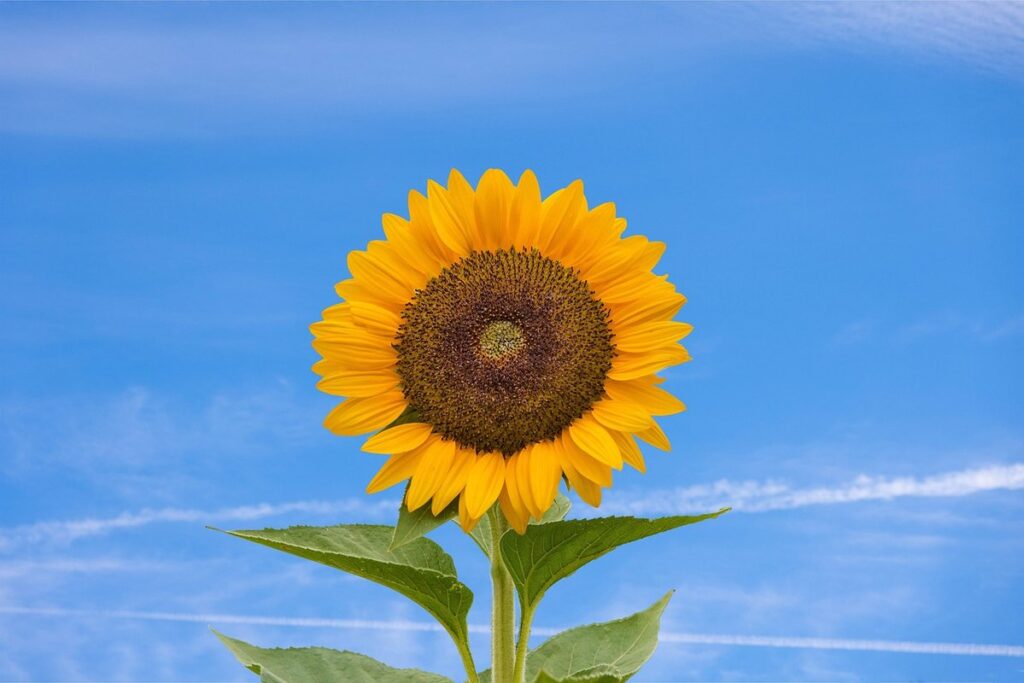
Understanding Tall Sunflower Varieties
When growing tall sunflowers, it’s essential to understand their unique characteristics and needs to ensure they reach their full potential. Let’s take a closer look at what makes these towering varieties special.
Characteristics of Tall Sunflowers
When it comes to tall sunflower varieties, there are several key characteristics that set them apart from their shorter counterparts. One of the most notable is their growth habit – tall sunflowers can grow up to 12 feet or more in a single season, making them a great choice for creating a dramatic focal point in your garden.
In terms of flower size, tall sunflowers typically produce blooms that are 8-12 inches in diameter, with some varieties reaching as large as 18 inches. These massive flowers come in a range of colors, including bright yellows, oranges, reds, and even bi-colored varieties.
But it’s not just their height and flower size that make tall sunflowers so impressive – it’s also their stem strength. With sturdy stems that can support the weight of these massive blooms, tall sunflowers are less likely to topple over in the wind or under the weight of rainfall.
When choosing a tall sunflower variety for your garden, look for those with thick, fibrous stalks and large root systems – these will help provide stability and keep your plants upright throughout the growing season.
Benefits of Growing Tall Sunflowers
Growing tall sunflowers can bring numerous benefits to your garden. One of the most significant advantages is their ability to attract pollinators like bees and butterflies. These beneficial insects are essential for the reproduction process of many plants, including sunflowers. By planting tall sunflowers, you’ll be creating a welcoming environment for these crucial pollinators.
In addition to attracting pollinators, tall sunflowers can add drama and visual interest to your garden with their striking height and vibrant colors. Imagine strolling through your garden and being greeted by the majestic sight of towering sunflowers swaying gently in the breeze. Their sheer size creates a sense of grandeur and makes for an impressive display.
To make the most of tall sunflowers, consider planting them near a seating area or along a walkway to create a stunning focal point. With their ability to attract pollinators and provide a dramatic display of color, it’s no wonder that growing tall sunflowers has become a favorite among gardeners.
Popular Tall Sunflower Varieties for Beginners
If you’re new to growing sunflowers, getting started with a tall variety is a great way to go. Let’s take a look at some popular options that are perfect for beginners.
Mammoth Series: A Classic Choice
The Mammoth series is one of the most popular choices among sunflower enthusiasts, and for good reason. These towering giants can grow up to 12-16 feet tall, making them a statement piece in any garden. But it’s not just their height that sets them apart – their large, bright yellow flowers are also a major draw.
Each Mammoth flower head can reach up to 8-10 inches in diameter, producing an abundance of soft, velvety petals and hundreds of delicate seeds. Their sturdy stems and strong root system make them less prone to wind damage, making them perfect for beginners who may not have the best luck with supporting their sunflowers.
In terms of growth habits, the Mammoth series is relatively easy to care for and can thrive in a variety of conditions. They prefer full sun and well-draining soil, but are forgiving if you forget to water them from time to time (though this isn’t recommended!). With regular maintenance, you can expect your Mammoths to bloom mid-summer, providing a stunning display of beauty that will attract pollinators and delight garden visitors alike.
Velvet Queen: A Unique Option
If you’re looking to add some unique texture to your garden, consider planting Velvet Queen sunflowers. This stunning variety boasts soft, velvety petals that set it apart from other tall sunflower options. Reaching heights of around 5-6 feet, Velvet Queen is an excellent choice for adding a dramatic element to your landscape.
One of the key benefits of growing Velvet Queen sunflowers is their ability to attract pollinators and other beneficial insects to your garden. The delicate texture of their petals provides a haven for bees and butterflies to feed on, making them a great choice for wildlife enthusiasts.
To grow Velvet Queen sunflowers effectively, be sure to provide them with full sun (at least 6 hours of direct sunlight) and well-draining soil. They also prefer a slightly acidic to neutral soil pH, ranging from 6.0-7.0. With proper care and attention, Velvet Queen sunflowers can thrive in your garden, providing a one-of-a-kind display of texture and beauty that’s sure to impress.
Tall Sunflowers for Specific Uses
When choosing tall sunflowers, it’s essential to consider the specific use they’ll serve in your garden – will you be creating a stunning focal point or providing a haven for wildlife?
Cut Flower Arrangements
When it comes to cut flower arrangements, tall sunflowers are a stunning addition. Not only do they provide a dramatic pop of color and height, but their long stems also make them perfect for creative arrangements. When selecting varieties for cut flowers, consider the following factors: stem length, flower size, and vase life.
For optimal results in cut flower arrangements, look for varieties with sturdy stems that can support the weight of the blooms. Some popular options include ‘Mammoth’ and ‘Velvet Queen’, which offer long stems (up to 12 inches) and large, bright yellow flowers that last well in arrangements. Another great choice is ‘Soraya’, a hybrid variety with vibrant orange petals and dark centers that add depth to any arrangement.
To ensure the longest vase life for your cut sunflowers, make sure to harvest them at the right stage of bloom (when about 75% open) and trim the stems at an angle just before placing in water. This simple trick can help extend their time in arrangements by up to a week or more.
Hedges or Screens
Tall sunflowers can be more than just a stunning addition to your garden – they can also serve as a natural barrier and screen. Imagine growing a hedge of towering sunflowers that not only adds beauty but also provides a sense of seclusion from the rest of your yard.
To use tall sunflowers as hedges or screens, choose varieties like ‘Velvet Queen’, ‘Mammoth’, or ‘Suntastic Yellow’. These grow to be over 12 feet tall, making them an excellent choice for creating a physical barrier. When planting, space them about 3-4 feet apart to allow for optimal growth and air circulation.
As your sunflower hedge grows, you can shape it into a cohesive screen by pruning the lower branches of each plant. This will help create a uniform appearance and prevent any stray stems from growing out of control. With proper care and attention, a tall sunflower hedge can become a stunning feature in your garden, providing natural beauty and structure for years to come.
In addition to their aesthetic appeal, tall sunflowers also offer a unique opportunity for wildlife gardening. By planting a variety of sunflowers together, you can create a haven for bees, butterflies, and other pollinators that are attracted to the large blooms.
Growing Tall Sunflowers: Tips and Tricks
If you’re growing tall sunflowers, here are some expert tips on how to coax them up towards the sky and keep them strong and healthy throughout their life cycle. We’ll share our top secrets!
Soil Preparation and Selection
When growing tall sunflowers, proper soil preparation is crucial for their optimal growth and health. Before planting, select a location that receives full sun, with at least six hours of direct sunlight per day. This will ensure your sunflowers receive the necessary light to grow tall and strong.
In addition to sunlight, well-draining soil is essential for tall sunflower varieties. If you have heavy clay or sandy soil, consider amending it with organic matter like compost or manure to improve drainage. Test your soil pH and adjust it if necessary, as most sunflowers prefer a slightly acidic to neutral soil pH between 6.0 and 7.0.
When preparing the soil, remove any debris, rocks, and weeds that could compete with your sunflowers for water and nutrients. Till the soil to a depth of about 12 inches to loosen it and break up any compacted layers. This will give the roots of your tall sunflower varieties room to grow deep into the earth, providing stability and support as they reach for the sky.
Watering and Maintenance
When growing tall sunflowers, it’s essential to prioritize proper watering and maintenance techniques. This will ensure healthy growth and prevent common issues like powdery mildew. Here are some key considerations:
* Watering is crucial for sunflower growth, but overwatering can lead to root rot and other problems. Make sure the soil drains well before planting, and water your sunflowers when the top inch of soil feels dry to the touch. Aim to provide about 1-2 inches of water per week, either from rain or irrigation.
* To promote healthy growth, fertilize your sunflowers with a balanced fertilizer (10-10-10 NPK) once a month. You can also side-dress with a high-phosphorus fertilizer to encourage blooming and seed production.
* Regular pruning is necessary to maintain the shape of your sunflowers and direct their energy towards the blooms. Remove any weak or spindly growth, and trim back leggy stems by about one-third.
* Keep an eye out for powdery mildew, a common issue in moist environments. Use neem oil or a fungicide specifically designed to combat powdery mildew if you notice white patches on the leaves.
By following these tips, you’ll be well on your way to growing healthy, towering sunflowers that will add beauty and drama to your garden.
Common Issues with Tall Sunflowers
As you grow tall sunflowers, you may encounter some common issues that can impact their health and success, from pests to poor growth. Let’s take a closer look at these potential problems.
Powdery Mildew and Other Pests
Tall sunflowers are stunning additions to any garden, but they can also be susceptible to certain pests and diseases. One of the most common issues faced by growers is powdery mildew, a fungal disease that causes white powder to form on leaves and stems. This can weaken the plant and reduce its ability to produce blooms.
To prevent powdery mildew, make sure your sunflowers have good air circulation and are planted in well-draining soil. Avoid overhead watering, which can encourage fungal growth. Instead, water at the base of the plants to keep foliage dry. Regularly inspect your plants for signs of disease, and remove any affected areas to prevent the fungus from spreading.
Other common pests that target tall sunflowers include aphids and spider mites. Aphids are small, soft-bodied insects that can feed on plant sap, causing curled or distorted leaves. Spider mites, on the other hand, are tiny, spider-like arachnids that can cause yellowing or bronzing of leaves.
To control these pests, use a strong jet of water to dislodge aphids and spider mites from your sunflowers. Alternatively, introduce natural predators like ladybugs or lacewings, which feed on these pests. Regularly inspect your plants for signs of infestation, and take action promptly to prevent the problem from getting out of hand. By being vigilant and taking proactive steps, you can minimize the impact of these pests and enjoy a bountiful harvest of beautiful sunflowers.
Why Your Sunflowers May Not Be Growing Taller
When growing tall sunflowers, it’s common to encounter issues that prevent them from reaching their full potential height. One of the primary reasons for this is subpar soil quality. Tall sunflowers require well-draining, rich soil with a pH between 6.0 and 7.0 to thrive. If your soil lacks essential nutrients or has poor drainage, it can hinder root growth, which in turn affects the plant’s ability to reach its maximum height.
Another crucial factor is temperature. Most tall sunflower varieties require warm temperatures between 65°F and 85°F (18°C and 30°C) to grow optimally. If your area experiences cooler or warmer temperatures than this range, it can impact growth. Additionally, sunlight exposure plays a significant role in determining the height of your sunflowers. Tall varieties need at least six hours of direct sunlight per day to photosynthesize efficiently.
To address these issues, ensure you’re providing your sunflowers with the right environment. If necessary, amend your soil with organic matter or fertilizers to improve its quality. Provide partial shade for younger plants during extreme temperatures and gradually increase their exposure to direct sunlight as they grow.
Conclusion: Choosing the Right Tall Sunflower Variety
Now that you’ve learned about some of the tallest sunflowers around, it’s time to think about which variety will thrive in your garden. This section will help you make a decision.
Considerations for Your Garden
When choosing the right tall sunflower variety for your garden, it’s essential to consider several factors. Let’s recap the key points discussed earlier and provide you with some valuable insights to help make an informed decision.
As we’ve established, there are numerous tall sunflower varieties to choose from, each with its unique characteristics, growth habits, and bloom sizes. From the majestic ‘Velvet Queen’ to the towering ‘Mammoth’, these sunflowers can add a dramatic touch to your garden. However, not all varieties thrive in every garden condition.
When selecting a tall sunflower variety, consider your climate’s temperature fluctuations and precipitation patterns. Some sunflowers, like the ‘Red Sun’, are more tolerant of cooler temperatures, while others, such as the ‘Sungold’, prefer warmer conditions. If you live in an area with limited rainfall, choose varieties that are drought-tolerant or have a deeper root system.
Another crucial factor to consider is your garden’s soil quality and depth. Tall sunflowers require deep roots to anchor themselves, so ensure your soil has sufficient depth and structure to support their growth. Also, think about the mature height of the variety and leave enough space between each plant for proper air circulation and sunlight penetration.
Lastly, don’t forget to consider the specific needs of your garden’s microclimate. If you have a windy area or a location with full sun exposure, choose varieties that are wind-resistant and can handle intense sunlight. By taking these factors into account, you’ll be able to select the perfect tall sunflower variety for your garden, ensuring a bountiful harvest and a stunning display of beauty.
Frequently Asked Questions
Can I grow tall sunflowers in containers?
Yes, you can grow tall sunflowers in containers, but make sure the container is at least 6-8 feet deep to accommodate their long taproots. Use a well-draining potting mix and provide full sun for optimal growth.
How do I prevent powdery mildew from affecting my tall sunflowers?
Powdery mildew can be a significant issue for tall sunflowers, especially in humid climates. To prevent it, ensure good air circulation around the plants, remove any infected leaves or flowers, and apply a fungicide according to the manufacturer’s instructions.
Can I grow tall sunflowers as a hedge or screen?
Yes, you can use tall sunflowers as a natural hedge or screen. They’re an excellent choice for providing summer shade and can be used to create a beautiful, natural barrier between spaces. Simply plant them 12-18 inches apart and enjoy their towering growth.
How do I support my extremely tall sunflower stalks?
Tall sunflowers can grow up to 12 feet or more in a single season, which can make them prone to toppling over in the wind. Use stakes or trellises to provide support for your plants, especially if you live in an area with strong winds.
Can I grow tall sunflowers in areas with poor soil?
While tall sunflowers prefer well-draining soil, they can still be grown in areas with poor soil conditions. Add organic matter like compost or manure to improve the soil‘s fertility and drainage, and consider using raised beds or containers for better growing conditions.