
Are you a passionate gardener looking to add some extra magic to your rose garden? Do you want to create a thriving oasis that’s not just beautiful, but also healthy and resilient? Rose companion planting is the answer! By pairing roses with the right plants, you can improve soil health, repel pests, and even attract beneficial pollinators. But how do you choose the perfect pairings for your garden? In this article, we’ll explore the benefits of rose companion planting and provide expert tips on how to get it right. We’ll cover everything from improving soil fertility to adding aesthetic appeal, so whether you’re a seasoned gardener or just starting out, keep reading to discover the secrets of successful rose companion planting!
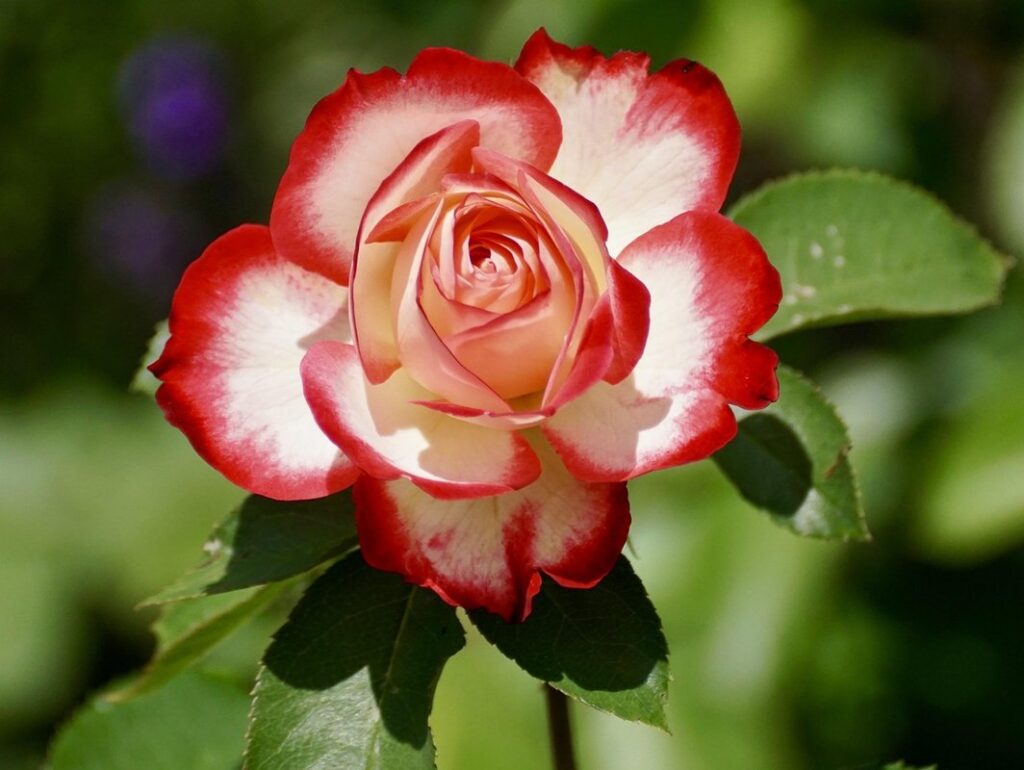
Introduction to Rose Companion Planting
Welcome to our guide on rose companion plants! In this section, we’ll introduce you to the world of pairing roses with other flowers and herbs that complement their beauty and health.
What is Rose Companion Planting?
Rose companion planting is an ancient horticultural technique that involves pairing plants with roses to enhance their growth, health, and beauty. The idea behind rose companion planting is to create a harmonious garden ecosystem where each plant benefits from the others’ unique characteristics.
By choosing the right companion plants for your roses, you can improve their resistance to pests and diseases, promote healthy soil structure, and even attract beneficial pollinators. For example, marigolds repel nematodes, which can harm rose roots, while nasturtiums distract aphids from feeding on rose leaves.
Some popular benefits of rose companion planting include increased yields, improved flavor and fragrance, and enhanced visual appeal. A well-chosen companion plant can also help to shade the soil, reducing moisture loss and preventing weeds from growing. By incorporating these plants into your garden design, you’ll be creating a thriving ecosystem that benefits both your roses and other plants alike.
When selecting companion plants for your roses, consider factors such as their growth habits, flowering times, and nutrient requirements to ensure they complement each other effectively.
History and Tradition of Rose Companion Planting
Rose companion planting has a rich history that spans centuries and cultures. In ancient Rome, for example, roses were often paired with lavender to create a fragrant and beautiful combination. This pairing was not only aesthetically pleasing but also served a practical purpose – the strong scent of lavender helped to repel pests that targeted roses.
In traditional Chinese gardening, roses were often planted alongside herbs like mint and lemongrass to create a balanced and harmonious environment. The idea behind these pairings is to not only complement the beauty of the rose but also to enhance its growth and resilience. For instance, certain herbs can help to improve air circulation around the rose plant, reducing the risk of disease.
Some traditional pairings that have been passed down through generations include roses with chamomile, marigold, and even garlic! Each pairing has its own unique history and significance, often rooted in cultural traditions and folklore. By understanding these historical pairings, you can tap into the wisdom of gardeners from around the world and create your own beautiful and effective rose companion plantings.
Benefits of Rose Companion Planting
When it comes to getting the most out of your rose garden, companion planting can make all the difference. This section explores how pairing roses with other plants can boost their health and beauty.
Improved Soil Health
Companion plants not only provide aesthetic appeal and attract pollinators, but they can also significantly enhance soil health around rose plants. One of the most effective ways companion plants improve soil health is through their unique root systems. For instance, comfrey (Symphytum officinale) has an extensive network of roots that reach deep into the soil, bringing up nutrients and minerals from lower depths to the surface. These nutrients are then made available to nearby rose plants, promoting healthy growth and development.
Other companion plants like clover (Trifolium spp.) and cover crops like winter rye (Secale cereale) also contribute to improved soil fertility by adding organic matter through their leaf litter. As these plants decompose, they release nutrients back into the soil, improving its structure and overall health. To maximize the benefits of companion planting on soil health, consider incorporating a mix of perennial and annual plants into your rose garden. Be sure to choose companion plants that are suitable for your climate and growing conditions, and provide adequate space for their root systems to spread out. By doing so, you can create a thriving ecosystem that supports healthy rose growth and overall soil well-being.
Increased Pest Resistance
When you plant companion flowers alongside roses, they can help repel pests that target these beautiful blooms. For instance, certain types of marigolds and nasturtiums are known to deter nematodes, microscopic worms that feed on rose roots. These nematodes can cause damage to the plants, leading to weakened growth and poor flowering.
To keep your roses healthy and pest-free, consider planting garlic or chives near them. The strong scent of these herbs repels aphids, whiteflies, and other pests that might otherwise target your roses. Another option is plant lavender, which attracts beneficial insects like bees and butterflies, while also repelling pests with its fragrance.
Some companion plants even attract natural predators that feed on common rose pests. For example, dill attracts the predatory wasp parasite that preys on aphids. By planting these types of companions alongside your roses, you can promote a balanced ecosystem that reduces the need for pesticides and keeps your garden healthy.
Enhanced Aesthetic Appeal
When you carefully choose companion plants for your rose garden, they can add an extra layer of visual interest, texture, and color that elevates the entire landscape. This is particularly important in a rose garden, where repetitive blooms can sometimes make the space feel monotonous.
To create a beautiful and diverse landscape, consider pairing roses with flowers that have different bloom times or growth habits. For instance, combining tall sunflowers with compact roses creates an interesting contrast between height and spread. Similarly, mixing roses with low-maintenance groundcovers like thyme or creeping juniper adds texture and color to the space.
Alternatively, you can also choose companion plants with different foliage colors and shapes to create a visually appealing combination. For example, pairing white roses with deep purple coneflowers creates a stunning contrast between bloom color and leaf shape. By thoughtfully selecting companion plants that complement your rose varieties, you can create a garden that is not only thriving but also breathtakingly beautiful.
Selecting the Right Companion Plants
When choosing companion plants for your roses, it can be overwhelming to decide which ones will thrive alongside your beloved blooms. Let’s explore some key considerations to make the right selection.
Understanding Rose Types and Needs
When it comes to choosing companion plants for roses, understanding the different types of roses and their specific needs is crucial. There are several main categories of roses, each with its own unique characteristics and requirements.
Hybrid teas, for example, produce large, single blooms and require full sun (6+ hours direct sunlight) and well-draining soil to thrive. They also tend to be more prone to disease, making companion planting an essential step in maintaining their health. Companion plants like lavender and rosemary can help repel pests that target hybrid teas, while marigolds and nasturtiums can deter diseases.
Floribundas, on the other hand, produce clusters of blooms and prefer slightly acidic soil with good drainage. They’re more resistant to disease than hybrid teas but still benefit from companion planting. Consider pairing them with plants like bee balm and coneflower, which attract pollinators and provide a similar growing environment.
Climbing roses require support as they grow up trellises or arbors, and prefer partial shade in warmer climates. They also benefit from the company of plants like clematis and honeysuckle, which provide additional structure and can help control weeds.
By understanding the specific needs of your rose variety, you can choose companion plants that complement their growth habits and reduce maintenance requirements.
Choosing Companion Plants Based on Growth Habits
When selecting companion plants for your roses, it’s essential to consider their growth habits to ensure a harmonious garden layout. Roses are often classified as either upright, climbing, or shrub varieties, and each type has its unique space requirements.
For example, if you have a compact rose bush that grows up to 2-3 feet tall, pair it with a low-growing companion plant like creeping thyme or sweet woodruff. These plants won’t compete for resources and can thrive in the same small space. On the other hand, if you’re growing a climbing rose that requires support, choose a companion plant like clematis or honeysuckle that can also climb up the trellis.
Conversely, contrasting growth habits can create visual interest in your garden. For instance, pair a tall rose with a compact companion plant to create a layered effect. Alternatively, combine a sprawling rose with a upright or clump-forming companion plant to balance out its spread.
When selecting companion plants based on growth habits, remember to consider the mature size of each plant and leave enough space for air circulation and sunlight penetration. This will prevent overcrowding and promote healthy growth in your roses and their companions.
Popular Rose Companion Plant Pairings
When it comes to pairing roses with other plants, some combinations are tried and true favorites among gardeners. Let’s explore a few popular rose companion pairings that will add beauty and benefits to your garden.
Classic Combinations: Roses with Herbs
When it comes to pairing roses with herbs, there are some classic combinations that have stood the test of time. For gardeners looking for a traditional and low-maintenance approach, consider teaming up your roses with herbs like lavender, rosemary, and thyme.
These herbaceous friends offer more than just a pleasant fragrance – they also provide numerous benefits to both the plant and gardener. For instance, lavender is known to repel pests that target roses, such as aphids and whiteflies, making it an excellent natural pest control method. Additionally, its calming properties can even help reduce stress while tending to your garden.
Rosemary, on the other hand, is a natural air purifier that improves soil health by introducing beneficial microorganisms. This process can enhance nutrient uptake for roses, resulting in healthier and more resilient blooms. Thyme, with its compact growth habit, won’t compete with rose roots for water and nutrients – it’s the perfect choice for smaller gardens.
When pairing your roses with these herbs, remember to plant them at a distance of about 12-18 inches apart. This allows for sufficient air circulation, preventing fungal diseases that thrive in moist environments. By incorporating these tried-and-true pairings into your garden design, you’ll create a harmonious and thriving ecosystem.
Colorful Combinations: Roses with Perennials
When it comes to adding color and interest to your rose garden, pairing roses with perennials is a fantastic way to do so. Vibrant flowers like daylilies, coneflowers, and black-eyed susans are perfect companions for roses, as they not only provide a splash of color but also attract pollinators and create a dynamic display.
For example, combining roses with daylilies creates a stunning combination that’s both elegant and easy to maintain. Daylilies bloom in mid-summer, providing a pop of color just when the rose blooms begin to fade. This pairing is particularly effective for hot summer gardens, as the foliage of daylilies helps to retain moisture and suppress weeds.
To create this look, choose varieties with different bloom times to ensure a constant display of color. Consider pairing ‘New Dawn’ or ‘Iceberg’ roses with ‘Stella de Oro’ or ‘Gold Medal’ daylilies for a bright and cheerful combination. With their low-maintenance requirements and ability to thrive in a variety of conditions, these pairings are perfect for busy gardeners who want to add some visual interest to their rose beds.
Challenges and Considerations
As you start selecting companion plants for your roses, it’s essential to consider potential drawbacks, such as competition for resources or increased susceptibility to pests. Be aware of these challenges when making your final decisions.
Incompatible Companion Plants
While companion planting is all about creating harmonious pairings, there are some plants that don’t play well with roses. These incompatible companions can compete for resources, attract pests, or even harm the rose bush itself.
For example, members of the Brassica family, such as broccoli and cauliflower, contain sulfur compounds that can damage rose leaves and stunt growth. Other vegetables like tomatoes and peppers also fall into this category, as their high water requirements can lead to fungal diseases in roses.
Additionally, plants with strong scents or oils, like lavender and mint, can repel beneficial insects that roses need for pollination. Similarly, plants with thorns, such as cacti and succulents, can cause physical harm to the rose bush during pruning or maintenance.
To avoid these compatibility issues, it’s essential to research the specific needs of your rose variety and choose companion plants that complement its requirements. By being mindful of potential conflicts, you can create a thriving and balanced garden ecosystem that brings out the best in your roses.
Maintaining Balance in the Garden
When introducing companion plants to your rose garden, it’s essential to maintain balance and prevent any single plant from dominating the ecosystem. A balanced garden promotes healthy growth, prevents pests and diseases, and creates a thriving environment for all plants.
To avoid over-competition for resources like water and nutrients, ensure that you’re not overcrowding the area. Plant companion roses at least 12 to 18 inches apart to allow for adequate air circulation and sunlight penetration. This spacing will also make it easier to prune and maintain individual plants.
Choose a mix of tall, mid-level, and low-growing plants to create layers in your garden. For example, plant a tall sunflower or dahlia behind smaller roses like Knock Out or Drift series. By layering different heights and growth habits, you’ll avoid shading and create space for each plant to flourish.
Monitor your garden’s ecosystem regularly and make adjustments as needed. Prune or relocate plants that are growing too aggressively or competing with roses for resources. By maintaining balance in your rose companion garden, you’ll encourage a harmonious relationship between plants and enjoy a lush, vibrant display of blooms throughout the season.
Conclusion and Next Steps
Now that you’ve discovered the perfect rose companion plants, it’s time to put your new knowledge into action. Let’s review what we’ve covered so far.
Recap of Key Takeaways
When it comes to incorporating companion plants with roses, we’ve covered a lot of ground. To recap, rose companion planting offers numerous benefits, including improved soil health, reduced pest and disease pressure, and enhanced fragrance and visual appeal. By choosing the right companion plants, you can create a balanced and thriving garden ecosystem.
Some key takeaways from our guide include selecting plants that complement roses in terms of growth habits, sun requirements, and watering needs. For example, planting marigolds alongside roses repels nematodes and attracts beneficial insects, while mint and lemongrass add fragrance and repel pests. Don’t forget to choose a mix of annuals and perennials for year-round interest.
In practice, this means considering your rose variety’s specific needs when selecting companion plants. For instance, climbing roses require support and shade, so look for compact shrubs or groundcovers that provide the necessary structure without competing with the rose for light. By applying these best practices, you’ll be well on your way to creating a beautiful and resilient garden that showcases the perfect pairing of roses and their companions.
Encouraging Experimentation and Innovation
As you continue to explore the world of rose companion plants, we invite you to think beyond the tried-and-true pairings and experiment with new combinations. Your garden is a unique canvas, and what works beautifully for someone else may not yield the same results for you. Don’t be afraid to get creative and try out innovative pairings that reflect your personal style and gardening preferences.
Consider this: by experimenting with different rose companion plants, you may stumble upon unexpected benefits, such as improved pest resistance or enhanced blooming periods. For instance, pairing a fragrant rose like ‘David Austin’ English Rose with the sturdy, drought-tolerant Sedum will not only create a visually stunning display but also attract beneficial pollinators to your garden.
Remember, gardening is an art that thrives on innovation and adaptability. By embracing experimentation, you’ll not only add diversity to your garden but also develop a deeper understanding of what works best for your specific climate, soil type, and rose varieties. So go ahead, try something new, and watch your roses bloom with renewed vigor and beauty!
Frequently Asked Questions
How do I know which companion plants are suitable for my specific rose variety?
When choosing companion plants, consider the needs of your roses, including sunlight, soil type, and moisture requirements. Research companion plant pairings specifically designed for your rose variety’s unique characteristics.
Can I use the same companion plants in different areas of my garden with varying soil conditions?
While some companion plants are adaptable to different soil types, others may require specific conditions. Be aware that poor soil quality can hinder companion plant growth and effectiveness. Conduct a soil test before selecting companion plants for each area of your garden.
What’s the best way to maintain balance in a rose companion planting system?
To avoid overwhelming your roses or promoting pests and diseases, introduce new companion plants gradually and in moderation. Balance is key: too many plants can lead to competition for resources, while too few may provide inadequate benefits.
Can I grow herbs as part of my rose companion plantings if I don’t have a lot of space?
Yes! Many herbs, like thyme or oregano, are compact and suitable for small spaces. Incorporate them into your rose beds to repel pests, attract pollinators, and add fragrance. Prune herbs regularly to promote bushy growth and prevent overcrowding.
How do I know if a companion plant is truly beneficial or just decorative?
Consider the companion plant’s specific functions: is it primarily for pest control, soil improvement, or aesthetic appeal? Research its benefits and be aware of potential drawbacks, such as attracting unwanted pests or competing with your roses.