
Hydrangeas are one of those magical flowers that can add a pop of color to any garden. But have you ever wondered why some hydrangeas turn blue, while others bloom in vibrant pink or rich purple hues? It’s all about growing conditions and care, my friend! The secret to coaxing out the perfect shade from your hydrangea lies in understanding how to manipulate soil pH levels, sunlight exposure, and watering habits. In this article, we’ll delve into the world of hydrangea varieties and explore the factors that influence their colors. We’ll cover expert tips on growing conditions, care advice for optimal color production, and even help you choose the perfect variety for your garden. Whether you’re a seasoned gardener or just starting out, get ready to unlock the secrets of hydrangea colors!
Understanding Hydrangeas
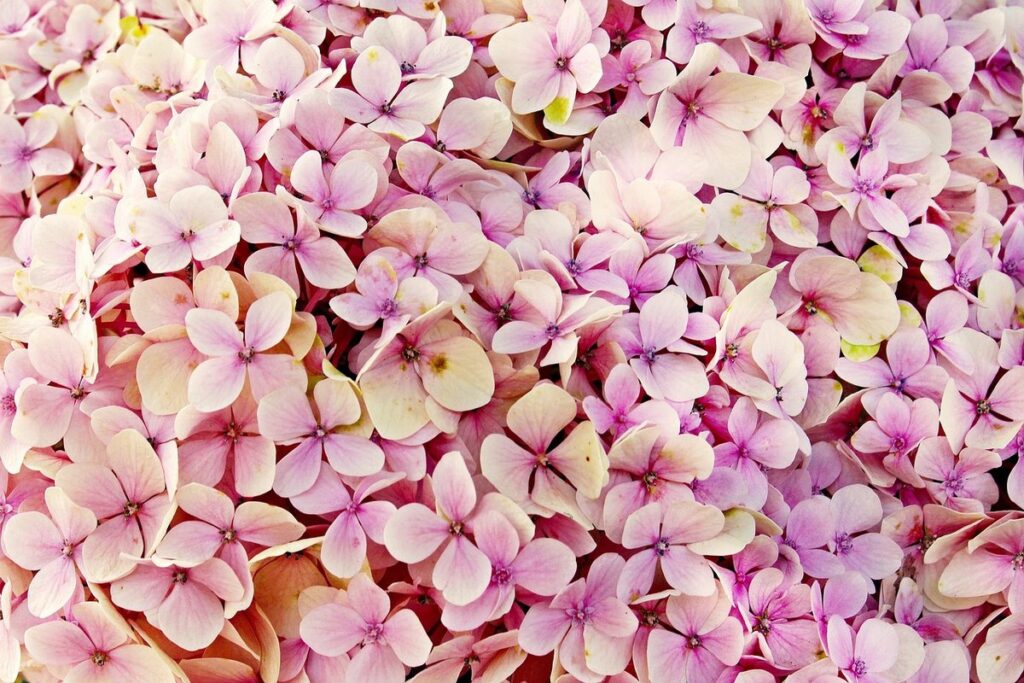
Hydrangea color is largely determined by the pH level of your soil, so understanding how to adjust this can be a game-changer for any hydrangea enthusiast. Let’s break down what affects these beautiful blooms.
What Are Hydrangeas?
Hydrangeas are one of the most popular flowering shrubs in gardens worldwide. Native to Asia and North America, these beautiful plants belong to the Hydrangeaceae family, with their scientific name being Hydrangea. There are over 70 species of hydrangeas, but only a few dozen varieties are commonly cultivated for ornamental purposes.
In gardens, hydrangeas serve multiple purposes beyond their stunning flowers. They can act as hedges, borders, or even specimen plants, providing year-round interest with their lush foliage and showy blooms. Hydrangeas come in various sizes, from compact dwarf varieties to towering trees, making them suitable for small spaces, containers, or large landscapes.
When it comes to choosing the right hydrangea variety for your garden, consider factors like climate, soil type, and available space. Some popular varieties include Bigleaf (Hydrangea macrophylla), Panicle (Hydrangea paniculata), and Oakleaf (Hydrangea quercifolia). By selecting a suitable variety and providing proper care, you can enjoy the beauty of hydrangeas in your garden for years to come.
Types of Hydrangeas
When it comes to hydrangeas, one of the most exciting aspects is the wide range of varieties available. These gorgeous flowers come in four main types: bigleaf, panicle, smooth, and climbing hydrangeas. Each type has its unique characteristics, growth habits, and of course, color palette.
Bigleaf hydrangeas are perhaps the most recognizable, with their stunning blue or pink blooms that can grow up to 12 inches across. They require regular watering and fertilization to maintain their vibrant colors. Panicle hydrangeas, on the other hand, have a more delicate appearance with white or pink flowers arranged in a panicle shape. These varieties are drought-tolerant and perfect for gardeners who want low-maintenance options.
Smooth hydrangeas have rounded flower clusters that resemble spheres, often featuring shades of pink, blue, or even white. They’re relatively easy to care for and can thrive in full sun or partial shade. Climbing hydrangeas, also known as Hydrangea anomala, are perfect for trellises or walls, showcasing delicate white blooms. Each type has its unique charm, so it’s essential to consider factors like climate, soil, and desired color palette when selecting the perfect hydrangea variety for your garden.
Bigleaf Hydrangeas (Macrophylla) Color Variations
If you’re growing bigleaf hydrangeas, you’ll be delighted to know that these stunning plants come in a range of vibrant colors. From soft pastels to rich jewel tones, we’ll explore the beautiful color variations of Bigleaf Hydrangea (Macrophylla) varieties.
Blue Bloomers: How to Grow Blue Hydrangeas
Growing blue hydrangeas can be a bit more challenging than other colors, but with the right approach, you can enjoy these stunning flowers in your garden. The key to achieving blue blooms lies in understanding the relationship between soil pH and nutrient availability.
To grow blue hydrangeas, you’ll need to create an acidic environment by lowering the soil pH. Most plants prefer a slightly acidic to neutral soil pH, but bigleaf hydrangeas require a more acidic range of 5.5-6.0 for optimal blue color production. You can test your soil pH and amend it if necessary.
Choose cultivars that are bred specifically for blue flowers, such as ‘Endless Blue’ or ‘Nikko Blue’. These varieties are naturally inclined to produce blue blooms and will give you the best chance of success. Make sure to provide your hydrangeas with plenty of nutrients, especially aluminum, which is essential for producing blue pigments.
By following these tips and selecting the right cultivar, you can enjoy vibrant blue hydrangea blooms in your garden.
Pink and Purple Possibilities
While bigleaf hydrangeas (Macrophylla) are often associated with blue flowers, they can also produce stunning pink and purple blooms. This is due to the same factors that influence flower color in other hydrangea varieties: soil pH, nutrient availability, and exposure to sunlight.
The key to achieving pink or purple flowers on your bigleaf hydrangeas lies in maintaining a slightly acidic to neutral soil pH (around 6.0-7.0). This is because pink and purple pigments thrive in these conditions, whereas blue hues dominate in more alkaline soils. To further encourage the production of pink or purple flowers, ensure that your plants receive sufficient phosphorus and potassium through regular fertilization.
For example, if you want to grow a bigleaf hydrangea with vibrant pink blooms, try planting it in a spot with well-draining soil and partial shade. This will help to keep the soil pH in check while also promoting healthy growth. By providing your plants with the right conditions, you can enjoy an extended blooming season with these gorgeous pastel shades.
Panicle Hydrangeas (Paniciata) Color Characteristics
When it comes to panicle hydrangeas, their flower colors can be just as stunning as their large, showy blooms. Let’s take a closer look at what you can expect from these vibrant flowers in terms of color.
White and Light-Colored Varieties
White panicle hydrangeas are a beautiful addition to any garden, with their delicate white blooms adding a touch of elegance and sophistication. ‘Limelight’, one of the most popular varieties, boasts large clusters of white flowers that gradually turn pink as they mature. This stunning cultivar grows up to 4-6 feet tall and wide, making it perfect for hedges or screens.
Another popular choice is ‘Vanilla Strawberry’, which features pale yellow blooms with a hint of pink undertones. This variety grows slightly smaller than ‘Limelight’, reaching 3-5 feet in height and spread. It’s an excellent option for smaller gardens or containers.
When caring for white panicle hydrangeas, remember to provide full sun to partial shade and well-draining soil rich in organic matter. They require regular watering but can tolerate some drought once established. Prune these varieties in late winter or early spring to maintain shape and encourage new growth.
Remember, proper care will help your white panicle hydrangea thrive for years to come, providing a beautiful display of white blooms every summer.
Pink and Red Shades in Panicle Hydrangeas
When it comes to Panicle Hydrangeas (Paniciata), you’ll notice a notable departure from their Bigleaf cousins when it comes to flower color. While Bigleaf Hydrangeas are known for their vibrant blues and pinks, which can be manipulated by soil pH levels, Pink and Red Shades in Panicle Hydrangeas offer a unique twist.
One of the standout features of Panicle Hydrangea varieties is their tendency to produce more pink or red hues than blue. This is because they have a higher concentration of anthocyanins, which are responsible for the red and purple pigments in flowers. As a result, you’ll often see shades of hot pink, rose, and even deep crimson in these varieties.
In contrast to Bigleaf Hydrangeas, Panicle Hydrangea colors tend to be more consistent from year to year, regardless of soil conditions. This makes them an excellent choice for gardeners who want a reliable and long-lasting bloom color. Take ‘Tardiva’ and ‘Vanilla Strawberry’, for example – both varieties produce stunning red flowers that remain vibrant throughout the growing season. By selecting Panicle Hydrangea varieties with pink or red shades, you can add a pop of color to your garden while minimizing the risk of unpredictable blooms.
Smooth Hydrangeas (Petiolaris) Color Palette
When it comes to hydrangea varieties, few are as beloved for their subtle elegance as Smooth Hydrangeas (Petiolaris), known for their gorgeous pastel hues. Let’s dive into their beautiful color palette!
White, Cream, and Pale Shades
Smooth hydrangeas with white or pale-colored blooms offer a serene and elegant touch to any garden. One popular cultivar is ‘Vanilla Strawberry’, which produces large, rounded flowers in a soft, creamy white hue. Another option is ‘Limelight’, but the ‘Annabelle’ variant is more suitable for those seeking pure white blooms.
In terms of growth habits, smooth hydrangeas tend to be compact and bushy, making them ideal for smaller spaces or containers. They typically reach heights between 3-6 feet (90-180 cm) and widths of 4-8 feet (120-240 cm), depending on the specific variety. For example, ‘Bobo’ is a dwarf cultivar that grows to be around 2-3 feet (60-90 cm) tall, making it perfect for small gardens or hedges.
When choosing a smooth hydrangea with white or pale blooms, consider factors such as sun exposure, soil type, and maintenance requirements. These plants generally prefer partial shade and well-draining soil, but some varieties can tolerate full sun conditions. With proper care and attention, they will reward you with stunning displays of color throughout the summer months.
Pink and Purple Variations in Smooth Hydrangeas
Among the Smooth Hydrangeas (Petiolaris), you’ll find some exquisite pink and purple-hued varieties that add a pop of color to gardens. One of the standout characteristics of these hydrangea varieties is their ability to produce vibrant blooms with delicate shades, often ranging from soft pastels to rich magentas.
These varieties differ significantly from other types of hydrangeas, such as Bigleaf Hydrangeas (macrophylla), which tend to produce more saturated blue or pink hues. Smooth Hydrangeas’ unique growing conditions, including their ability to thrive in moist soils and partial shade, contribute to the development of these soft pastel colors.
Some popular varieties within this group include ‘Bailmer’, ‘Blume’, and ‘Tardiva’, each offering distinct shades of pink or purple. When selecting a Smooth Hydrangea for your garden, keep in mind that the pH level of your soil can impact the color intensity of your blooms. For example, if you have acidic soil (pH 6.0 or lower), you may notice more vibrant blue or purple tones.
Climbing Hydrangeas (Petiolaris) for Color Interest
For a burst of color in your garden, consider adding climbing hydrangeas to your landscape design, offering year-round interest and beauty. These versatile plants thrive on walls and trellises.
Using Climbing Hydrangeas as Ground Covers
Climbing hydrangeas can add a beautiful dimension to your garden by providing ground cover or adding color interest to containers. These versatile plants are perfect for creating lush, flowering displays that cascade down walls or trellises. To train climbing hydrangeas as ground covers, start by planting them near a wall or fence where they can grow up and spill over the edges.
When using climbing hydrangeas in containers, choose a container with good drainage to prevent root rot. Add a layer of mulch around the base to retain moisture and suppress weeds. Prune regularly to encourage new growth and promote flowering. You can also train the stems to weave through existing plants or structures for added texture and interest.
As a ground cover, climbing hydrangeas can form a dense mat of flowers and foliage, suppressing weeds and creating a beautiful display. They are an excellent choice for shaded areas where other plants may struggle to thrive. With proper care and pruning, climbing hydrangeas can add years of color interest to your garden without the need for frequent replanting.
Pink and Purple Variations Among Climbing Hydrangeas
If you’re looking to add a pop of color to your garden with climbing hydrangeas, you’ll be thrilled to know that there’s a wide range of pink and purple variations available. These stunning cultivars not only thrive on walls and trellises but also boast an impressive palette of colors.
Some popular pink varieties include ‘Blume’, ‘Limelight’, and ‘Vanilla Strawberry’. ‘Blume’ boasts delicate, light-pink flowers that are perfect for adding a touch of whimsy to your garden. Meanwhile, ‘Limelight’ produces larger, more vibrant blooms in a soft pink hue. For those who prefer a sweeter flavor, ‘Vanilla Strawberry’ offers pastel-pink flowers with a hint of peach undertones.
Purple is another popular choice among climbing hydrangeas, and varieties like ‘Tardiva’, ‘Praecox’, and ‘Diamant Rothmann’ are sure to impress. ‘Tardiva’, in particular, produces large, fragrant panicles of deep purple flowers that bloom late into the season. When choosing a pink or purple variety, remember to consider your garden’s specific climate and soil conditions to ensure optimal growth and flowering. By selecting the right cultivar for your space, you can enjoy these stunning colors all season long!
Care and Maintenance Tips for Vibrant Colors
To keep those gorgeous vibrant colors popping, it’s essential to follow some simple care and maintenance tips that will make your hydrangeas thrive. With these tricks, you’ll be enjoying stunning blooms all season long!
Understanding Soil pH’s Impact on Color
When it comes to growing hydrangeas with vibrant colors, understanding the impact of soil pH on color production is crucial. The truth is that soil pH plays a significant role in determining the final color of your hydrangea blooms.
In general, hydrangeas are acid-loving plants that thrive in slightly acidic to neutral soils (pH 6.0-7.0). When the soil pH falls within this range, the plant absorbs more aluminum ions from the soil, which is then used to produce anthocyanins – the pigment responsible for blue colors.
On the other hand, if your soil pH is alkaline (above 7.0), the hydrangea will absorb less aluminum, resulting in pink or white blooms. To promote blue coloration, aim for a slightly acidic soil pH (around 6.0-6.2). Conversely, if you want pink or white flowers, adjust your soil to be more alkaline.
To adjust your soil conditions, add elemental sulfur or peat moss to lower the pH, while limestone or dolomitic limestone can help raise it. Be cautious not to overdo it – even small changes in pH can have a significant impact on color production.
Nutrient Availability and Fertilization Strategies
When it comes to maintaining vibrant colors in your hydrangea varieties, nutrient availability plays a crucial role. A well-fed plant is more likely to produce stunning blooms that reflect its true color potential.
Proper fertilization strategies can make all the difference. To encourage blue hues, for example, you’ll want to use an acidic fertilizer with a pH between 5.5 and 6.5. This will help your hydrangea absorb the right amount of aluminum ions, which are essential for producing those coveted blue flowers. On the other hand, if you’re aiming for pink or white blooms, you can opt for a more neutral fertilizer.
Regular soil testing is key to understanding your plant’s nutrient needs. You’ll want to test for pH levels, as well as nitrogen, phosphorus, and potassium content. Based on these results, you can adjust your fertilization schedule accordingly. For instance, if your hydrangea is lacking in nitrogen, a balanced fertilizer with an emphasis on this macronutrient will help stimulate new growth.
By paying attention to nutrient availability and implementing targeted fertilization strategies, you’ll be well on your way to enjoying the full color palette potential of your hydrangea varieties.
Conclusion: Choosing the Right Hydrangea Variety for Your Garden
When it comes to choosing the right hydrangea variety for your garden, remember that color is just one aspect of the overall picture. Consider factors like climate, soil type, and sunlight exposure to ensure you’re selecting a plant that will thrive in its new home. For example, Bigleaf Hydrangeas prefer rich, acidic soil and partial shade, while Panicle Hydrangeas are more drought-tolerant and can handle full sun. By taking these factors into account, you’ll be able to choose the perfect hydrangea variety for your garden’s specific conditions.
It’s also a good idea to think about the color palette of your existing garden when making your selection. If you have predominantly blue-toned flowers, consider introducing some warm-toned Bigleaf Hydrangeas with pink or purple blooms. Alternatively, if your garden is dominated by reds and yellows, cool-toned Panicle Hydrangeas in shades of blue or white may provide a refreshing contrast.
Frequently Asked Questions
Can I grow hydrangeas indoors to control the growing conditions?
Yes, it’s possible to grow hydrangeas in containers or indoor pots to manipulate soil pH levels and sunlight exposure. However, keep in mind that these plants typically require more frequent watering and may need additional fertilization to thrive.
How long does it take for hydrangea flowers to change color after adjusting the growing conditions?
The time frame for hydrangeas to respond to changes in growing conditions can vary from a few months to several years. It’s essential to be patient and monitor your plant’s progress, as some varieties may require more time than others to display their desired colors.
Can I use acidic mulch around my blue-hued hydrangea plants?
Yes, using an acidic mulch like pine straw or oak leaves can help maintain a slightly acidic soil pH, which is beneficial for growing blue-hued hydrangeas. However, ensure the mulch doesn’t become too dense and prevent water from reaching the roots.
How do I protect my hydrangeas from extreme weather conditions that might affect their color?
To shield your hydrangeas from harsh weather, provide them with a layer of frost protection or bring potted plants under cover during severe cold snaps. Additionally, ensure they receive consistent moisture levels and avoid sudden changes in temperature, which can impact flower color.
Can I grow multiple types of hydrangeas together to create a colorful display?
Yes, mixing different hydrangea varieties can add visual interest to your garden. However, be aware that some species may have conflicting growing requirements or spread aggressively, so research their specific needs before planting them alongside other varieties.