
When it comes to keeping your indoor plants happy and thriving, one crucial aspect often gets overlooked: lighting. Most of us know that plants need light to photosynthesize, but did you know there are different types of lighting that can impact their growth and health? From bright, direct sunlight to soft, indirect glow, understanding the unique light requirements of each plant is key to providing them with the perfect conditions.
In this article, we’ll delve into the world of indoor plant lighting, exploring various lighting options and how you can create the ideal environment for your plants. We’ll discuss DIY solutions for adding natural light, adjusting existing lighting systems, and identifying specific plant needs – everything you need to know to provide the perfect light for your beloved houseplants.
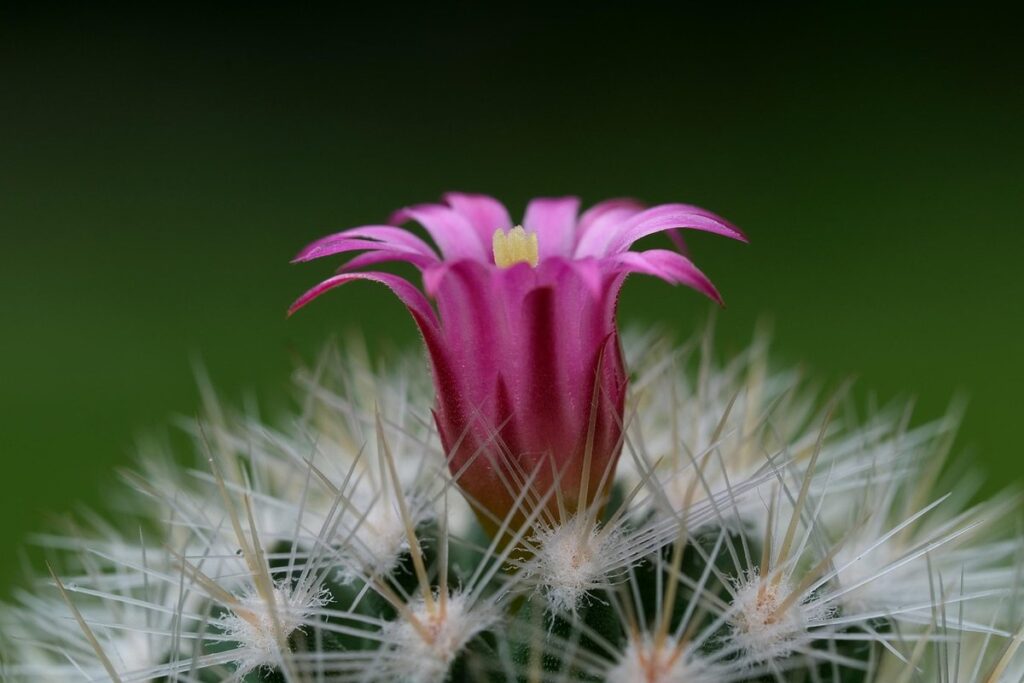
Understanding the Importance of Light for Houseplants
Understanding the importance of light for houseplants is crucial to their survival, as different plants have unique light requirements that affect their growth and well-being. Let’s break down what you need to know.
Types of Lighting for Indoor Plants
When it comes to lighting, houseplants can receive three main types of illumination: natural light, artificial light, and a combination of both. Understanding the type of lighting your plant is receiving is crucial for its overall health and well-being.
Natural light is often considered the gold standard for indoor plants, as it provides a full spectrum of light that promotes healthy growth and development. If you’re lucky enough to have a south-facing window or a greenhouse, your plants are likely getting plenty of natural light. However, even in bright locations, the intensity and duration of direct sunlight can be detrimental to some plants.
Artificial light, on the other hand, is often used as a supplement for plants that don’t receive sufficient natural light. Options include LED grow lights, fluorescent lights, and halogen bulbs. When choosing an artificial light source, consider the plant’s specific needs and the type of spectrum it requires (e.g., blue light for flowering plants).
How Insufficient or Excessive Lighting Affects Houseplants
Insufficient lighting can lead to stunted growth and weakened roots in houseplants. Leaves may turn yellow or pale due to inadequate photosynthesis, while excessive light can cause scorching of leaves’ edges and discoloration. In extreme cases, overexposure can even result in plant death.
When light is insufficient, plants struggle to undergo essential processes like photosynthesis and respiration, which are necessary for growth. They may appear leggy or spindly as they try to reach out for more light. Conversely, too much light causes damage by breaking down the cellular structure of leaves, ultimately weakening their ability to perform basic functions.
For example, plants grown in areas with low light tend to develop weak and brittle stems that are prone to breakage. In contrast, those exposed to excessive direct sunlight may require frequent pruning to maintain their shape and prevent damage to delicate tissues.
Measuring Light for Your Houseplant
When it comes to giving your houseplants what they need, accurately measuring light levels is crucial – let’s explore how to do just that. We’ll dive into the tools and techniques you should use.
Choosing the Right Light Meter
When it comes to measuring light intensity for your houseplant, a reliable and accurate light meter is essential. But with so many options available, choosing the right one can be overwhelming.
First, let’s cover the different types of light meters. There are contact meters, which measure light through direct contact with a leaf or surface, and non-contact meters, which use sensors to detect light intensity without touching the plant. Contact meters are often more accurate but require direct access to the plant, while non-contact meters offer greater flexibility.
Look for a meter with a high accuracy rating (±2% or lower) and a wide range of measurement units (lux, foot-candles, etc.). Some popular options include luxmeters, which measure light intensity in lux units, and photometers, which measure the total amount of visible light. When selecting a meter, consider its price, ease of use, and durability. A good rule of thumb is to invest in a mid-range model (around $20-$50) that balances accuracy with affordability.
Understanding Different Light Measurement Units
When measuring light for your houseplant, it’s essential to understand the different units used to quantify light intensity. You’ll come across terms like lux, foot-candles, and micromoles per second, which can be confusing. Don’t worry; we’ve got you covered.
Lux is a common unit of measurement in many parts of the world, particularly in Europe and Asia. It represents the amount of light falling on a surface, taking into account both the intensity and angle of the light source. For example, a well-lit room might receive around 50-100 lux, while a shaded area could be as low as 10-20 lux.
Foot-candles, on the other hand, are more commonly used in North America and represent the amount of light falling on a square foot of surface area. To give you a better idea, a cloudy day might receive around 1,000-2,000 foot-candles, while direct sunlight can reach up to 10,000-20,000 foot-candles.
When comparing these units, it’s helpful to know that one lux is equivalent to approximately 0.0929 foot-candles. To convert between micromoles per second and other units, you’ll need to use a conversion factor of around 1 μmol/s = 4.57 foot-candles or 48.8 lux. By understanding these units and their conversions, you can easily compare light levels for your houseplant and ensure it receives the right amount of light.
Common Houseplant Lighting Needs
When it comes to choosing houseplants, understanding their lighting needs is crucial for success. In this section, we’ll break down what common houseplants require in terms of light exposure.
Low-Light Plants That Thrive in Shaded Areas
If you’re struggling to provide sufficient light for your houseplants, don’t worry – there are many low-light plants that can thrive in shaded areas. One of the most popular options is the Chinese Evergreen (Aglaonema). This plant is known for its attractive leaves with silver or gold markings and can tolerate a range of lighting conditions, from bright indirect to low light.
Other excellent choices include Pothos (Epipremnum aureum) and Peace Lily (Spathiphyllum wallisii), both of which are incredibly adaptable. Pothos can be trained to climb up walls or trellises, while Peace Lilies produce beautiful white blooms that last for weeks. To care for these plants, simply ensure they receive filtered light, maintain a consistent temperature between 65-75°F (18-24°C), and water them when the top inch of soil feels dry.
Keep in mind that even low-light plants require some level of illumination to photosynthesize. Placing them near an east- or west-facing window is ideal, as these windows receive gentle morning or afternoon sunlight. By choosing the right low-light plant for your space, you can enjoy lush greenery without worrying about providing intense light.
Bright-Light Plants That Require Direct Sunlight
If you’re looking to add some vibrant color and texture to your space, high-light plants that demand direct sunlight are an excellent choice. These plants thrive in bright conditions and can’t tolerate low light, so make sure they get plenty of natural light throughout the day.
Plants like Aloe Vera, Succulents, and Cacti are perfect examples of high-light plants that require direct sunlight to flourish. In fact, many succulent species can suffer from a condition called etiolation if they don’t receive enough light – their stems become long and leggy as they stretch towards the nearest light source.
To care for these high-light plants, place them in a south-facing window or outside in full sun. East- or west-facing windows also work well, but avoid placing them in areas with direct afternoon sunlight, which can cause scorching. Water sparingly, allowing the soil to dry out completely between waterings – overwatering is a common mistake that can lead to root rot and other problems.
Some popular high-light plants you might consider include Echeveria, Crassula, and Kalanchoe. With proper care and attention, these plants will reward you with stunning blooms and unique foliage. Just remember: bright light and direct sunlight are essential for their survival.
Creating the Ideal Lighting Conditions for Your Houseplant
To bring out your houseplant’s full potential, you need to create an environment that mimics its natural habitat, which often involves precise lighting conditions. Let’s dive into how to achieve this balance in your home.
Tips for Maximizing Natural Light in Your Home
When it comes to meeting the light requirements of your houseplant, natural light is often the most desirable and cost-effective option. However, not all homes have an abundance of direct sunlight, so it’s essential to maximize what you do have.
To start, take a good look at the layout of your home and consider rearranging furniture to allow more sunlight to reach your plant. This might mean moving it closer to a window or repositioning other pieces of furniture to create a pathway for natural light. For example, if you have a south-facing room with limited space, try placing your plant on a small side table or shelf near the window.
Another clever trick is to prune any nearby trees or shrubs that might be blocking sunlight from reaching your home. Not only will this help your houseplant thrive, but it’ll also improve the overall aesthetic of your outdoor space. Additionally, use mirrors strategically placed around your room to reflect and amplify natural light. This can make a surprisingly big difference in illuminating areas with limited direct sunlight.
DIY Lighting Solutions for Indoor Plants
When it comes to providing the right amount of light for your indoor plants, sometimes natural light just isn’t enough. That’s where DIY lighting solutions come in – a creative and cost-effective way to give your plants the light they need.
One popular option is repurposing old lamps or fixtures to create customized grow lights. For example, you can attach LED strips under a shelf or hanging planter to provide targeted lighting for specific plants. This is especially useful for low-light plants like Chinese Evergreen or Pothos. You can also upcycle an old mason jar into a mini-grow light by placing an LED light inside and attaching it to the plant’s pot.
Another idea is to create homemade grow lights using materials you likely have at home, such as old light bulbs, wire, and a switch. This DIY project allows you to tailor the lighting conditions to your plant’s specific needs. For instance, if you’re growing a seedling, you can use a lower-wattage bulb to prevent burning its delicate leaves.
When choosing materials for your DIY lighting solution, consider the color temperature of the light (measured in Kelvin) and the spectrum it emits (e.g., warm white or cool blue). Some plants prefer warmer temperatures, while others thrive under cooler light. Experiment with different combinations to find what works best for your plants.
Special Considerations for Specific Houseplant Types
Some houseplants have unique light requirements that deviate from the general guidelines, making it essential to tailor your approach to specific species like ferns and peace lilies.
Tropical Plants That Require High Humidity and Bright Light
Tropical plants like Bromeliads, Orchids, and Hibiscus are notoriously finicky when it comes to their environment. These species thrive in conditions that mimic their natural habitats, characterized by high humidity and bright light. To create a suitable microclimate for these plants, you’ll need to replicate the humid environment found in tropical rainforests.
To increase humidity, place the pot on a tray filled with water and pebbles or use a humidifier nearby. Mist the leaves regularly to maintain a humid atmosphere around the plant. For bright light, position your tropical plants near an east- or west-facing window, or use grow lights as a supplement. However, be cautious not to overexpose them to direct sunlight, which can cause scorching.
Some specific tips for these species include: providing a balanced fertilizer to promote healthy growth and flowering; repotting every 1-2 years in the spring when the plant becomes pot-bound; and monitoring temperature ranges between 65°F to 90°F (18°C to 32°C). By understanding their unique needs, you can create an optimal environment for these stunning tropical plants.
Cacti and Succulents: Their Specific Lighting Requirements
Cacti and succulents are some of the most resilient houseplants out there, having adapted to thrive in harsh environments with intense sunlight. These plants have evolved to store water in their stems and leaves, allowing them to survive in conditions where other plants would quickly perish.
When it comes to lighting, cacti and succulents are surprisingly demanding. In fact, they require direct sunlight for a significant portion of the day to photosynthesize effectively. East- or west-facing windows are ideal, as they provide gentle, indirect light that’s perfect for these plants. South-facing windows can also work, but be sure to provide some shade during the hottest part of the day to prevent burning.
Infrequent watering is also crucial for cacti and succulents. Overwatering can lead to root rot, which can be fatal for these plants. To avoid this, allow the soil to dry out completely between waterings. This may mean watering your cactus or succulent only once a week during the spring and summer months.
When it comes to temperature, cacti and succulents are also surprisingly sensitive. They prefer daytime temperatures around 65-75°F (18-24°C) and nighttime temperatures around 55-65°F (13-18°C). Avoid placing them near heating or cooling vents, fireplaces, or drafty windows, as this can cause stress to the plant.
Remember, not all cacti and succulents are created equal. Some species, like aloe vera and agave, require more intense light than others, while some, like echeveria and crassula, prefer shadier conditions. Do your research before bringing home a new cactus or succulent to ensure you’re providing it with the right amount of light for its specific needs.
Keep in mind that even though cacti and succulents are drought-tolerant, they still require some humidity to thrive. To maintain optimal humidity levels, place them on a tray filled with water and pebbles or use a humidifier nearby.
By understanding the unique lighting requirements of your cactus or succulent, you can create an environment that’s perfect for it to flourish. With proper care and attention, these plants will reward you with vibrant growth and stunning blooms for years to come.
Maintaining Optimal Light Levels for Your Houseplant
To ensure your houseplants thrive, it’s crucial to maintain optimal light levels that match their specific requirements, which can vary greatly depending on species. Let’s break down how to achieve this balance for a healthy plant.
Scheduling Regular Light Checks
Regularly inspecting your houseplant’s light levels is crucial to prevent over-illumination and under-illumination. Over time, plants can adapt to their environment, but sudden changes in lighting conditions can be detrimental. It’s essential to monitor the light levels to ensure they remain within a suitable range.
Check your plant’s light levels by observing its foliage. If it appears pale or weak, it may not be receiving enough light. Conversely, if leaves are scorched or discolored, the plant is likely receiving too much light. You can also use a light meter to measure the intensity of light in various areas of your home.
Schedule regular light checks by setting reminders on your calendar or incorporating them into your routine, such as during watering sessions. This will help you stay vigilant and make adjustments as needed. For example, if you notice that your plant is receiving direct sunlight for extended periods, consider moving it to a spot with filtered or indirect sunlight.
By conducting regular light checks, you can provide your houseplant with the optimal amount of light, promoting healthy growth and development.
Adjusting Lighting Conditions Over Time
As the seasons change, so do the lighting conditions in your home. It’s essential to monitor these changes and adjust your houseplant’s lighting schedule accordingly. Start by observing the natural light patterns in your home throughout the year. Note how the sunbeams move from east to west, and how the intensity of light changes with the seasons.
During the summer months, when daylight hours are longer, most houseplants require more intense light. Move them closer to a sunny window or consider using grow lights to supplement their needs. Conversely, during the winter months, when daylight hours are shorter, reduce the lighting schedule to prevent scorching. Adjust your plant’s position every 1-2 weeks to account for changes in the sun’s path.
Remember that some plants, like African Violets and Begonias, require consistent low light levels year-round. Others, like Succulents and Cacti, can tolerate bright light but need protection from direct sunlight. By monitoring and adjusting your plant’s lighting conditions over time, you’ll ensure they receive the optimal amount of light to thrive.
Frequently Asked Questions
Can I still grow houseplants if my home receives limited natural light?
Yes, many houseplants can thrive in low-light conditions, but it’s essential to choose plants that are adapted to such environments. Research specific plant species and their tolerance for low light levels to ensure you’re selecting the right plants for your home.
How often should I check the lighting levels in my home to ensure optimal growth?
Regularly checking lighting levels is crucial, especially if you have a dynamic indoor space or live in an area with seasonal changes. We recommend scheduling regular light checks every 1-2 months, adjusting lighting conditions as needed to maintain optimal growth for your houseplants.
What’s the best way to measure light intensity in my home?
A light meter is an excellent tool for measuring light intensity, but it may not be feasible or necessary for everyone. If you’re on a budget or prefer DIY solutions, use a reliable smartphone app that can estimate light levels based on your device’s camera settings and environmental conditions.
Can I mix different types of lighting to create the ideal environment for my houseplants?
Yes, combining natural and artificial light sources can be an effective way to provide the right balance of light for your plants. Consider using high-intensity grow lights in conjunction with south-facing windows or skylights to create a unique and dynamic lighting environment.
How do I know if I’m over- or under-lighting my houseplants?
Pay attention to your plant’s growth patterns, leaf coloration, and overall health. If you notice signs of stress, such as scorched leaves or weak growth, it may indicate that the lighting levels are too high or low. Adjust your lighting strategy accordingly based on these observations and research specific plant needs for optimal light levels.