
Are you tired of using store-bought potting mixes that might not be providing the best results for your beloved houseplants? Crafting a customized potting mix recipe tailored to their specific needs can make all the difference. Not only does it promote optimal growth and health, but it also gives you complete control over what goes into your plants’ soil. By making your own potting mix, you can avoid potential contaminants and additives found in commercial mixes. In this article, we’ll explore the benefits of homemade potting mixes and provide expert tips on how to get started. We’ll break down the essential ingredients and proportions for a well-balanced potting mix recipe that meets the unique needs of your houseplants, ensuring they thrive and flourish under your care.
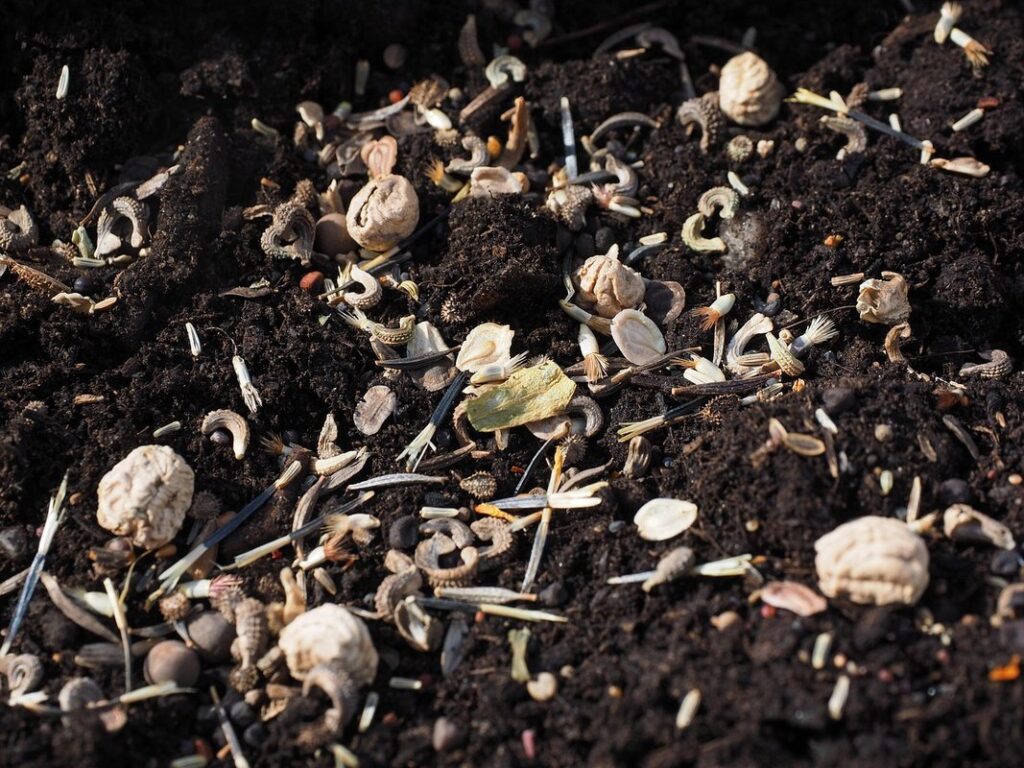
Understanding the Importance of a Custom Potting Mix
When choosing a potting mix for your houseplants, it’s easy to get caught up in the convenience of store-bought mixes, but customizing one can make all the difference. This section will explore why a customized blend is worth the effort.
The Limitations of Store-Bought Potting Mixes
When it comes to store-bought potting mixes, they may not always meet the specific needs of your houseplants. For instance, many commercial potting mixes have a pH that’s too high or low for certain plants, which can lead to nutrient deficiencies or even plant death.
Take cacti and succulents, for example. They thrive in well-draining soil with a slightly acidic pH (around 6.0-7.0). However, many store-bought potting mixes have a higher pH that’s more suited to flowering plants like roses or tomatoes. If you’re using one of these mixes for your succulents, the high pH can cause nutrient lockout, leading to weak and leggy growth.
Similarly, some commercial potting mixes may contain too much fertilizer, which can build up in the soil over time and harm your plants. Or, they might lack essential nutrients like micronutrients or beneficial microbes that are vital for healthy plant growth.
By creating your own custom potting mix recipe, you can tailor it to meet the specific needs of your houseplants, ensuring they receive the right balance of nutrients and pH levels for optimal health and growth.
Common Ingredients in Commercial Potting Mixes
When it comes to commercial potting mixes, you’ll often find a combination of ingredients that cater to a wide range of plants. However, these generic blends may not provide the optimal conditions for your houseplants’ specific needs.
One common ingredient is peat moss, which helps retain moisture and acidity in the soil. While it’s beneficial for some plants, it can be detrimental to others, particularly those preferring alkaline conditions. For instance, orchids tend to thrive in a well-draining mix without peat moss.
Another ubiquitous ingredient is vermiculite, which improves drainage and prevents waterlogging. It’s especially useful for succulents and cacti that prefer dry conditions. However, its high pH level can be counterproductive for acid-loving plants like ferns and peace lilies.
Perlite, a popular additive, increases soil structure and aeration. While it enhances root growth in some plants, others may experience nutrient deficiencies due to perlite’s ability to leach essential minerals. For example, roses and tomatoes require high levels of nutrients, making them less suitable for mixes containing perlite.
It’s essential to consider the unique needs of your houseplants when selecting a potting mix or creating your own recipe. By understanding the benefits and drawbacks of common ingredients like peat moss, vermiculite, and perlite, you can tailor your mix to provide optimal conditions for your plants’ growth and health.
Choosing the Right Components for Your Custom Mix
Now that you’ve decided on a mix ratio, it’s time to choose the right components to create your custom potting mix recipe. We’ll walk through selecting each ingredient carefully.
Organic Matter: Peat Moss, Coconut Coir, or Vermiculite?
Organic matter plays a vital role in potting mixes as it provides essential nutrients and helps with water retention. When choosing an organic matter component for your custom mix, you have three primary options: peat moss, coconut coir, and vermiculite.
Peat moss is a popular choice due to its ability to retain moisture and suppress diseases. However, it’s acidic and can lower the pH of your soil, which may not be suitable for all plants. It also decomposes quickly, so you may need to replenish it regularly.
Coconut coir, on the other hand, is a more sustainable alternative with similar benefits to peat moss. It’s pH-neutral and can help improve drainage in your potting mix. Additionally, coconut coir is highly absorbent and can hold up to 9 times its weight in water.
Vermiculite is another option that provides excellent water retention and aeration properties. However, it can be quite expensive compared to peat moss or coconut coir. If you’re looking for a cost-effective solution, consider combining these options to create a balanced blend that meets your plant’s specific needs.
Inorganic Fertilizers vs. Natural Alternatives
When it comes to fertilizing your houseplants, you have two primary options: synthetic (inorganic) fertilizers and natural alternatives. Understanding the benefits and drawbacks of each can help you make an informed decision for your custom potting mix recipe.
Synthetic fertilizers are often cheaper and more widely available than their natural counterparts. They contain essential nutrients like nitrogen, phosphorus, and potassium in a concentrated form, which can promote rapid growth and blooming. However, they also have some significant drawbacks. For example, synthetic fertilizers can burn your plants’ roots if applied excessively, leading to root damage and reduced plant health.
On the other hand, natural alternatives like compost tea, worm casting, or fish emulsion offer a more balanced approach to fertilization. These options release nutrients slowly into the soil, promoting healthy microbial activity and reducing the risk of over-fertilization. They also tend to be more environmentally friendly and less likely to harm beneficial microorganisms in the soil.
To incorporate natural fertilizers into your potting mix recipe, consider adding a 5-10% ratio of compost or worm casting to your mix. This will provide your plants with a slow release of nutrients without over-fertilizing.
Calculating Nutrient Levels and pH Balance
To create a well-balanced potting mix, it’s essential to calculate the nutrient levels and pH balance that your houseplants require for optimal growth. This section will walk you through the steps to achieve perfect harmony.
Understanding Nutrient Requirements for Common Houseplants
When creating your own potting mix recipe for houseplants, it’s essential to understand the nutrient requirements of the specific plants you’ll be growing. Different species have varying needs, and getting this right will ensure healthy, thriving plants.
For popular houseplants like African Violets (Saintpaulia spp.) and Begonias (Begonia spp.), nitrogen is a key element for lush foliage growth. These plants require relatively high levels of nitrogen, around 20-30 ppm (parts per million). Phosphorus, on the other hand, plays a crucial role in root development and flower production. A balanced diet with moderate phosphorus levels (around 10-15 ppm) will promote healthy growth.
For cacti and succulents like Echeveria and Crassula, potassium is essential for maintaining their unique structures and allowing them to thrive in nutrient-poor conditions. These plants require higher levels of potassium (around 40-50 ppm), as it helps regulate water balance and promotes cell wall integrity.
Testing Your Soil’s pH Level and Adjusting as Needed
Testing the pH level of your potting mix is crucial to ensure it’s suitable for your houseplants. You can use a soil testing kit available at most gardening stores or online. These kits usually come with a probe that you insert into the potting mix, and a color chart to determine the pH level based on the resulting color.
If your test reveals an imbalanced pH level, don’t worry – adjusting it is relatively easy. For slightly acidic plants like African Violets, you may need to add dolomitic limestone or crushed eggshells to raise the pH. Conversely, for more alkaline-loving plants like Begonias, you can mix in some peat moss or sulfur-based fertilizers.
Remember that small adjustments are best, so start with a tiny amount and retest regularly until you reach the desired pH level. It’s also essential to consider the potting mix’s base ingredients – a high proportion of perlite or vermiculite may cause the pH to fluctuate more easily than one with coconut coir or peat moss as the primary component.
Creating Your Custom Potting Mix Recipe
Now that you have a good understanding of potting mix components, let’s dive into creating your custom recipe by selecting and combining the right ingredients.
A Basic Recipe Template for Beginners
When creating your custom potting mix recipe, it’s essential to have a solid foundation. Here’s a basic recipe template that you can modify based on specific houseplant needs:
Start with a base of 40-50% peat moss or coconut coir, which provides excellent water retention and aeration properties. Next, add 20-30% perlite or vermiculite to improve drainage and prevent waterlogging. You’ll also want to include 10-20% compost or worm castings for nutrient-rich fertilizer.
Don’t forget to add 5-10% gypsum or lime to adjust the pH levels as needed. This is particularly important if you’re growing plants that prefer acidic or alkaline conditions. For example, African Violets thrive in slightly acidic environments (pH 6.0-6.5), while Cacti require a more alkaline environment (pH 7.0-8.0).
To customize this recipe for your specific houseplants, consider the following factors: soil pH requirements, water retention needs, nutrient deficiencies, and drainage demands. With these variables in mind, you can adjust the proportions of each ingredient to create a tailored potting mix that meets the unique needs of your plants.
Customizing Your Mix Based on Climate, Soil Type, or Personal Preference
When it comes to creating your custom potting mix recipe, understanding the specific needs of your climate, soil type, and personal preference is crucial for optimal plant growth. Climate plays a significant role in determining the ideal mix, with tropical regions requiring more moisture-retentive mixes while arid areas need ones that drain excess water efficiently.
Consider this: if you live in an area prone to droughts, incorporating ingredients like perlite or sand will help ensure your plants don’t suffer from root rot. In contrast, for humid climates, a mix rich in organic matter such as peat moss can help retain moisture and reduce the risk of fungal diseases.
Soil type is another important factor – if you’re working with heavy clay soil, add more perlite or vermiculite to improve drainage and structure. Conversely, if your soil is highly alkaline, incorporating ingredients like peat moss will help lower its pH level.
Lastly, personal preference also comes into play when customizing your mix. Some gardeners prefer a chunky texture while others prefer a finer blend – it’s entirely up to you! By considering these factors and making adjustments accordingly, you can craft the perfect potting mix for your unique needs and enjoy healthy, thriving houseplants.
Tips and Precautions When Using Your Homemade Potting Mix
When working with your homemade potting mix, it’s crucial to remember that you’ll need to exercise extra care to prevent contamination and ensure healthy root growth for your houseplants. Always handle your potting mix carefully!
Potential Pitfalls to Watch Out For
When creating your own potting mix recipe for houseplants, it’s essential to be aware of potential pitfalls that can impact the health and growth of your plants. One of the primary concerns with homemade mixes is contamination. This can occur when you use untreated or contaminated materials, such as soil from a garden bed that may harbor diseases or pests.
To avoid contamination, make sure to use high-quality ingredients and follow proper handling procedures. For example, if using compost, ensure it’s fully broken down and free of weed seeds. Similarly, sterilize any pots or equipment before use. Another issue with homemade mixes is nutrient imbalances. This can happen when you don’t adequately research the nutritional needs of your plants or fail to balance ingredients.
To avoid this, consult reliable sources on plant nutrition and create a mix that caters to specific plant requirements. For instance, if growing a cactus, prioritize low-nutrient levels as over-fertilization can be detrimental.
Safety Considerations for Handling Ingredients and Storage
When working with your custom potting mix, it’s essential to handle and store it properly to ensure the health and safety of both you and your plants. Always wear protective gloves when handling ingredients like peat moss, perlite, or vermiculite, as they can cause skin irritation.
To prevent contamination, keep your workspace clean and sanitized before mixing your potting mix. Wash your hands thoroughly after handling any ingredients, especially if you’ve come into contact with soil or fertilizers.
When storing your custom potting mix, consider using airtight containers to maintain humidity levels and prevent drying out. Label the containers clearly so that you can easily identify the mix’s composition and intended use.
Remember to follow the recommended storage time for each ingredient in your mix. For instance, if you’re using peat moss, it’s best to use it within 6-12 months to avoid degradation.
By following these simple guidelines, you’ll be able to create a safe and healthy environment for your houseplants, both during mixing and long after they’ve been planted.
Maintaining Your Houseplants in Their Custom Mix
Now that you’ve created your custom potting mix, it’s essential to maintain your houseplants’ health by properly caring for them in their new environment. Let’s discuss the tips and techniques you need to keep them thriving.
Watering and Fertilization Schedules
Now that you’ve created your custom potting mix recipe, it’s essential to establish a watering and fertilization schedule tailored to your unique blend. This will ensure your houseplants receive the right amount of moisture and nutrients to thrive.
When determining your watering schedule, consider the specific ingredients in your potting mix. For example, if you’ve added perlite or vermiculite for improved drainage, you may need to water more frequently than with a standard potting mix. Conversely, if your recipe includes coconut coir or peat moss, which retain moisture, you might need to wait longer between waterings.
A good rule of thumb is to check the soil moisture by sticking your finger into the top inch of the soil. If it feels dry, it’s time to water. As for fertilization, start with a balanced, water-soluble fertilizer and follow the instructions on the label for application rates. You can also consider using a fertilizer specifically designed for indoor plants or houseplants with unique needs, such as those that prefer acidic conditions.
Remember to adjust your schedule based on seasonal changes, temperature fluctuations, and other environmental factors affecting your plants’ growth. With practice and observation, you’ll develop a keen sense of when and how much to water and fertilize your beloved houseplants.
Monitoring Plant Health and Adjusting Your Mix as Needed
As you continue to care for your houseplants using your custom potting mix recipe, it’s essential to monitor their health and adjust the recipe as needed. Regular observation will help you identify any issues with water retention, drainage, or nutrient deficiencies that might be affecting plant growth.
Keep an eye out for signs of stress such as yellowing leaves, slow growth, or pest infestations. These can indicate that your mix is too dense, lacking sufficient nutrients, or harboring pests like fungus gnats. Conversely, if you notice your plants are thriving with vigorous growth and healthy roots, it’s likely a sign that your mix is well-balanced.
If issues arise, don’t be afraid to make adjustments to your recipe. Try adding more perlite for improved drainage or incorporating worm castings for an extra boost of nutrients. Monitor the changes closely to ensure they’re having the desired effect on plant health. By being attentive and willing to tweak your mix as needed, you can create a customized blend that consistently meets the needs of your houseplants, supporting optimal growth and vitality.
Frequently Asked Questions
Can I make a custom potting mix for a small number of plants, or is it better suited for larger quantities?
When making a custom potting mix recipe, you can indeed create smaller batches tailored to your specific needs and the size of your houseplant collection. This approach allows you to experiment with different combinations of ingredients without being tied to large quantities.
How do I know which organic matter to choose between peat moss, coconut coir, or vermiculite for my potting mix?
The choice among these organic matter options primarily depends on the specific needs of your plants. For example, if you’re dealing with acid-loving plants like African violets, peat moss is an excellent option due to its acidity. Conversely, coconut coir is better suited for well-draining mixes and tropical species.
Can I use leftover potting mix from a previous batch, or should I always create a fresh recipe?
While it might be tempting to reuse leftover potting mix, it’s generally best to start with a fresh recipe each time you refresh your plants’ soil. This ensures the optimal nutrient balance for your specific houseplants and helps prevent potential buildup of contaminants over time.
How do I adjust my custom potting mix recipe if I’m moving to an area with different climate conditions?
When transitioning your potting mix to a new environment, it’s essential to consider the local climate, soil type, and available moisture levels. You may need to make adjustments to your recipe by adding or removing ingredients that address specific regional challenges, such as increased acidity in high-rainfall areas.
What safety precautions should I take when handling potting mix ingredients, especially if I have sensitive skin?
When working with potting mix ingredients, it’s crucial to wear protective gloves and eyewear to prevent skin irritation and potential eye damage. Additionally, ensure good ventilation when handling powdery ingredients like perlite or vermiculite to avoid inhaling dust particles.
Can I use my custom potting mix for both indoor and outdoor plants, or are there specific needs that require separate mixes?
While your custom potting mix can be versatile enough to work with multiple houseplants, the distinction between indoor and outdoor environments does exist. Indoor plants typically prefer well-draining mixes with more organic matter due to lower light conditions, whereas outdoor plants may benefit from slightly heavier mixes for better water retention in full sun.