
Raised beds are a fantastic way to grow your own fruits, vegetables, and herbs, but they can quickly become cluttered and inefficient if not planned properly. A well-designed raised bed spacing layout is essential for optimal plant growth, soil health, and ease of maintenance. With so many options available, it’s easy to get overwhelmed when selecting plants, preparing the soil, and designing your bed. That’s why we’ve created this comprehensive guide to help you create an optimal raised bed spacing layout. We’ll cover everything from choosing the right plants for your space to tips on soil preparation and design ideas that will make the most of your garden. Whether you’re a seasoned gardener or just starting out, our expert advice will help you create a thriving and beautiful raised bed oasis.
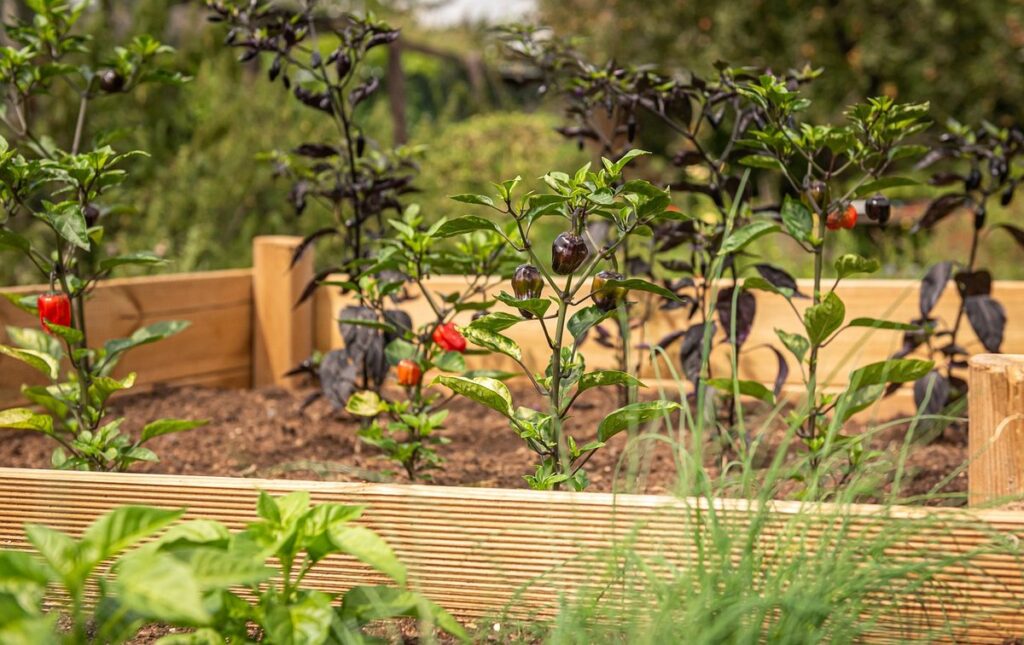
Understanding the Basics of Raised Beds
Let’s start by understanding the fundamentals of raised beds, including their purpose, benefits, and how they can enhance your gardening experience. This sets a strong foundation for our discussion on spacing layouts.
What Are Raised Beds?
Raised beds are elevated gardening structures made of wood, plastic, or metal, typically 6-12 inches high and ranging from 3×3 to 4×8 feet in size. They’re designed to provide optimal growing conditions for plants by allowing for better drainage, aeration, and soil temperature regulation.
The benefits of raised beds are numerous. For one, they enable you to grow a wide range of vegetables, fruits, and flowers in small spaces, making them ideal for urban gardens or areas with poor soil quality. Raised beds also allow for easier access and maintenance, as you can plant and harvest without having to bend or kneel.
Another advantage is that raised beds warm up faster in spring, extending the growing season by several weeks. This is particularly beneficial in cooler climates. Additionally, raised beds are often built on a level surface, ensuring even drainage and preventing waterlogged soil.
By using raised beds, you can create a productive and efficient garden with minimal maintenance requirements. With proper planning and design, you’ll be able to optimize your space and enjoy a bountiful harvest all season long.
Common Uses for Raised Beds
Raised beds are an incredibly versatile gardening solution that can be tailored to suit various needs and preferences. When it comes to choosing a use for your raised bed, you have plenty of options. For instance, if you’re looking to grow a bountiful harvest, consider using your raised bed for vegetable gardening. This layout allows for optimal root growth and drainage, making it an ideal spot for tomatoes, leafy greens, and other veggies.
On the other hand, if you want to add some fragrance and flair to your garden, consider transforming your raised bed into a herb garden. You can plant a variety of herbs such as basil, rosemary, and thyme in a single bed, creating a beautiful and functional display.
If ornamental plants are more your style, you can use your raised bed to showcase vibrant flowers or statement foliage plants like hostas or daylilies. By choosing the right layout for your raised bed spacing, you can create a stunning visual display that adds depth and character to your outdoor space.
Some popular layouts include a circular pattern for herb gardens, a symmetrical design for ornamental displays, and a rectangular configuration for vegetable beds.
Space Considerations for Small Gardens
When working with small garden spaces, it’s essential to maximize every inch of available land. Raised beds can be a great solution for these areas, allowing you to create a thriving garden even when space is limited.
One key consideration is the size and shape of the raised bed itself. While larger beds are often more efficient in terms of soil usage, smaller ones can fit into tight spaces like corners or narrow paths. For example, a 2×4 foot bed can be squeezed into a small area, making it perfect for balconies or rooftops.
Another important aspect is selecting plants that thrive in compact spaces. Look for varieties with compact growth habits or choose plants that naturally grow vertically, such as vining tomatoes or climbing peas. This will help you make the most of your raised bed’s vertical space. Consider layering plants within a single bed to further increase productivity – for instance, placing leafy greens at the bottom and sun-loving herbs on top.
Plant Selection and Spacing for Raised Beds
When it comes to creating a thriving raised bed garden, selecting the right plants and spacing them correctly is crucial. Let’s dive into some essential tips on plant selection and spacing.
Choosing Plants for Your Raised Bed
When selecting plants for your raised bed, it’s essential to consider their growth habits, mature sizes, and sunlight requirements. These factors will not only ensure that your plants thrive but also help you create a harmonious layout.
Start by choosing compact or dwarf varieties of vegetables and flowers, which are specifically bred for container growing or small spaces. For example, cherry tomatoes and patio peppers are ideal for raised beds due to their bushy growth habits and smaller mature sizes. On the other hand, sprawling plants like squash and melons can be trained to climb up a trellis or left to spill over the edges of the bed.
When selecting annuals, consider how much sunlight your raised bed will receive. Cool-season crops like lettuce, spinach, and kale prefer partial shade, while warm-season crops like tomatoes and eggplants require full sun. Consider grouping plants with similar requirements together to create a thriving ecosystem within your raised bed.
Optimal Spacing for Vegetables and Fruits
When it comes to planting vegetables and fruits in raised beds, optimal spacing is crucial for maximizing yields and preventing overcrowding. Different plants have varying growth habits and space requirements, so it’s essential to research the specific needs of each variety.
For example, leafy greens like lettuce and spinach can be planted as close as 1-2 inches apart, while tomatoes and peppers require about 18-24 inches between plants. Companion planting principles also play a significant role in raised bed spacing. For instance, basil repels pests that target tomatoes, making them excellent companion plants.
Some popular fruiting plants like strawberries and blueberries can be spaced about 12-18 inches apart. However, when growing multiple rows of these plants, leave at least 3-4 feet between each row to ensure proper air circulation and sunlight penetration. Remember, over-crowding can lead to disease spread, reduced growth rates, and decreased yields.
Consider planting taller vegetables like beans and corn on the north side of your raised bed, where they won’t compete with shorter plants for sunlight. By carefully selecting companion plants and spacing them correctly, you’ll be able to create a thriving and productive raised bed garden.
Herbs and Companion Planting Strategies
When it comes to raised bed gardening, incorporating herbs into your companion planting strategy can be a game-changer. Not only do herbs add fresh flavor and fragrance to your garden, but they also offer numerous benefits when paired with other plants.
For example, basil repels aphids and flies that target vegetables like tomatoes and peppers. Planting rosemary alongside carrots can help deter carrot rust flies, while mint’s strong scent repels ants and spider mites. Chives, on the other hand, are said to improve the growth and flavor of nearby vegetables, making them an excellent companion for many plants.
To make the most of your herb companions, consider the following tips:
* Plant herbs in clusters or groups, rather than spreading them out individually.
* Pair herbs with plants that benefit from their specific benefits – for instance, basil with tomatoes or mint with strawberries.
* Use a mix of annual and perennial herbs to ensure year-round benefits.
* Keep in mind that some herbs, like mint, can be quite invasive; consider containing them to prevent spread.
By incorporating these simple strategies into your raised bed design, you’ll not only add a burst of fresh flavor but also create a more resilient and diverse garden ecosystem.
Raised Bed Layout Options
Now that you have a solid understanding of raised bed spacing, let’s dive into some popular layout options to maximize your garden’s potential and productivity.
Linear Raised Beds: A Classic Approach
Linear raised beds have been a staple in gardening for decades, and for good reason. This classic approach offers numerous benefits that make it an ideal choice for many gardeners. One of the primary advantages of linear raised beds is their accessibility. By creating a long, narrow bed, you can easily walk along both sides to tend to your plants without having to navigate through the bed itself. This design also allows for efficient soil management, as you can simply access any area of the bed from either end.
In terms of spacing, linear raised beds typically require more space between each bed than other designs. A good rule of thumb is to leave at least 3-4 feet between each bed to allow for easy access and maintenance. This wider spacing also enables better air circulation and sunlight penetration, promoting healthy plant growth. To make the most of your linear raised bed design, consider staggering the planting layout within each bed to create a visually appealing arrangement.
Circular and Square Raised Bed Designs
When designing raised beds, it’s easy to fall into the habit of building them as simple rectangles. However, incorporating circular and square shapes can add visual interest and create more efficient use of space.
One way to incorporate circles is by building a “keyhole” bed planter, where a circular planting area surrounds a central walkway or seating area. This design not only adds visual appeal but also provides easy access for maintenance and harvesting. For example, you could build two interconnected circle planters, one with annuals and the other with perennials.
Square raised beds can be arranged in various configurations to maximize space. Consider a 3×4 foot square bed built in an “L” shape against a fence or wall, leaving room for additional planting areas behind it. Alternatively, you could build two square beds back-to-back to create a narrow pathway through the center of your garden.
When experimenting with non-traditional shapes, remember to consider factors like accessibility and sunlight exposure. For instance, if building circular planters, ensure that each section receives adequate sunlight.
Raised Bed Layouts for Specific Plant Groups
When it comes to raised bed layout design, not all plants are created equal. Different plant groups have unique spacing requirements and growth habits that can benefit from tailored layouts. Let’s take a closer look at some specific design recommendations for popular plant groups.
For instance, tomatoes and peppers require about 2-3 feet of space between each plant to allow for proper air circulation and sunlight penetration. Planting them in rows with a single row of marigolds or nasturtiums can help repel pests and improve growth. Consider planting tomato plants on the north side of the bed to avoid shading other vegetables.
Cucumbers, on the other hand, are natural climbers that can spread out quite a bit. They thrive when trained up a trellis or a fence, but can be planted 6-8 inches apart if left to vine. Plant them near a sturdy support and consider companion planting with mint to improve growth and flavor.
By considering the specific needs of your plant group, you can optimize your raised bed layout for maximum yields and minimal competition between plants.
Soil Preparation and Maintenance for Raised Beds
To get the most out of your raised beds, you’ll need to prepare and maintain the soil properly, ensuring optimal growth and health for your plants. Let’s dive into the specifics of soil preparation and maintenance.
Preparing the Site for Your Raised Bed
Before building your raised bed, it’s essential to prepare the site properly. This involves testing and amending the soil to create a healthy environment for your plants to thrive.
Start by conducting a soil test to determine its pH level and nutrient content. You can purchase a DIY soil testing kit or hire a professional lab to analyze the sample. Based on the results, you may need to add amendments such as fertilizer, lime, or compost to adjust the pH and nutrient levels.
Consider factors like drainage and sunlight when preparing the site. If your raised bed will be situated in an area with poor drainage, create a slight slope to allow excess water to run off. Ensure that the location receives at least 6 hours of direct sunlight per day for optimal plant growth.
In addition to testing and amending the soil, also remove any debris or weeds from the site. This will give you a clean slate to start building your raised bed. Make sure to measure the area carefully before constructing the bed to ensure it fits snugly without leaving gaps between it and the surrounding ground.
Ongoing Soil Care for Optimal Growth
Maintaining healthy soil is crucial for optimal growth in raised beds. Regular tasks such as mulching and composting help to preserve moisture, suppress weeds, and regulate soil temperature. Start by adding a 2-3 inch layer of organic mulch around the plants, keeping it a few inches away from the stem. This will reduce water loss through evaporation and retain heat during cooler months.
Composting is another essential practice that replenishes nutrients in the soil. Set up a compost bin or pile near your raised bed and add kitchen scraps, leaves, and grass clippings regularly. Aim to turn the compost every 7-10 days to ensure it breaks down efficiently. For pest management, adopt an integrated approach by introducing beneficial insects like ladybugs and lacewings, which prey on common pests like aphids and whiteflies.
Monitor your raised bed for signs of nutrient deficiencies or pests and address them promptly with targeted solutions such as fertilizers or neem oil.
Advanced Considerations for Large or Complex Raised Beds
If you’re planning a large or complex raised bed, there are several advanced considerations to keep in mind when determining your spacing layout. This includes factors like irrigation and accessibility.
Integrating Multiple Elements into Your Design
When designing larger raised beds, it’s not uncommon to want to incorporate multiple elements to make them more functional and user-friendly. This can include walkways, seating areas, irrigation systems, and even trellises for climbing plants.
To integrate these features seamlessly into your design, consider the layout of your bed first. Start by mapping out the areas you want to allocate for each element. For example, if you’re planning a walkway around the perimeter, determine how wide it needs to be based on foot traffic and accessibility concerns. You may also want to reserve space for a seating area or bench, taking into account the mature size of nearby plants.
When it comes to irrigation systems, plan ahead by choosing a layout that minimizes tubing runs and avoids areas with high plant density. This will not only reduce the risk of waterlogged soil but also make maintenance easier in the long run. By carefully planning each element’s location within your design, you can create a harmonious balance between form and function.
Using Technology to Enhance Your Raised Bed Garden
Using technology to enhance your raised bed garden is easier than you think. With the rise of smart gardening solutions, you can streamline tasks, monitor conditions, and optimize yields even in large or complex raised beds. For instance, consider investing in a soil moisture sensor that detects water levels and alerts you when it’s time for irrigation. This eliminates the need for frequent manual checks, saving you time and reducing waste.
Another innovative technology is automated watering systems, which can be programmed to deliver precise amounts of water at set intervals. These systems not only conserve water but also reduce labor and minimize the risk of overwatering. Furthermore, smart gardening apps can provide real-time monitoring of temperature, humidity, and light levels, allowing you to make data-driven decisions about your garden’s care.
You can also leverage technology for pest management by using UV-LED lights or heat lamps that repel pests without harming beneficial insects. By incorporating these high-tech solutions into your raised bed spacing layout, you’ll be able to optimize yields, reduce maintenance, and enjoy a healthier and more productive garden overall.
Frequently Asked Questions
Can I use raised beds for indoor gardening, or are they best suited for outdoor spaces?
Yes, raised beds can be used for indoor gardening, provided you choose the right materials and design them to fit your available space. Consider using wooden or plastic containers that are specifically designed for indoor use, and make sure they have good drainage to prevent waterlogged soil.
How do I handle plant overcrowding in my raised bed layout?
To avoid overcrowding, plan ahead by leaving enough space between plants for proper air circulation and growth. A general rule of thumb is to leave at least 12-18 inches between rows of vegetables or fruits, and 6-8 inches within rows. This will also help prevent disease and pests from spreading.
Can I grow multiple levels of plants in a single raised bed?
Yes, you can create multi-level raised beds using wooden frames or other materials to support additional layers of soil and plants. This is a great way to maximize your space, especially if you’re short on room. Just be sure to provide adequate drainage and support for the upper level.
What are some common mistakes to avoid when designing my raised bed layout?
Some common mistakes include overcrowding, poor soil quality, and inadequate drainage. To avoid these issues, plan carefully, choose plants that suit your climate and space, and use a well-draining potting mix. Also, consider adding a layer of mulch or compost to retain moisture and suppress weeds.
Can I reuse my raised bed layout from year to year without replenishing the soil?
While it’s possible to reuse a raised bed layout, it’s recommended to replenish the soil every 2-3 years to maintain optimal growth. This involves removing spent plants, adding fresh compost or fertilizer, and mixing in new soil amendments as needed. Regular maintenance will help ensure your raised bed remains healthy and productive over time.