
Creating a raised bed garden can be a wonderful way to grow your own food, but did you know that the type of soil mix used in these beds makes all the difference? A customized raised bed soil mix ratio is key to boosting plant growth, reducing water consumption, and increasing crop yields. But with so many different types of soil available, it’s easy to get confused about what mix to use. That’s why we’re breaking down the benefits of customization, common mistakes to avoid, and expert tips for achieving optimal soil health in your raised bed garden. In this article, we’ll explore the importance of a tailored soil mix ratio and provide you with the knowledge you need to create a thriving raised bed garden that yields a bountiful harvest.
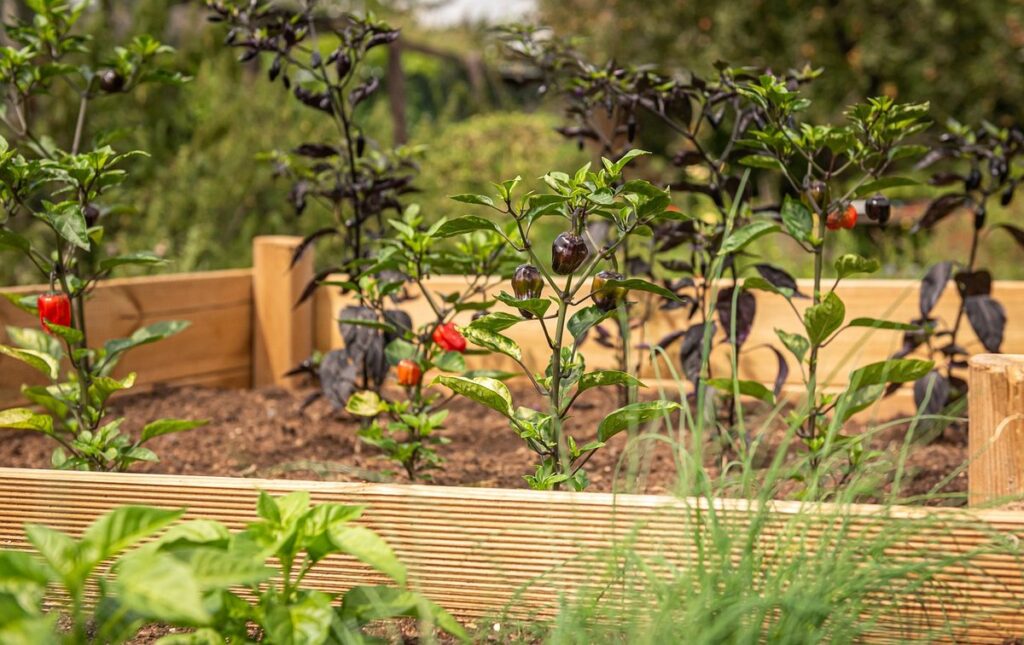
Understanding the Importance of Soil Mix Ratio in Raised Beds
Understanding the importance of soil mix ratio is crucial for creating a thriving raised bed garden, and it’s what sets apart a successful harvest from an underwhelming one. Let’s break down the key factors to consider when mixing your soil blend.
Benefits of Customizing Your Soil Mix
When you tailor your soil mix to suit the specific needs of your raised bed garden, the benefits are numerous. For one, a customized mix can greatly improve plant growth by providing the right balance of nutrients and moisture. This is particularly important for plants like tomatoes and peppers, which require a higher pH level than most vegetables.
By using a mix that’s specifically designed for your climate and soil type, you can reduce water consumption by up to 50%. This not only saves you money on your water bill but also reduces the environmental impact of excessive watering. Furthermore, a well-crafted soil mix can increase crop yields by providing optimal growing conditions for your plants.
To get started with customizing your soil mix, consider factors like your region’s climate, the types of plants you’re growing, and the pH level of your soil. You may also want to consider adding organic matter like compost or manure to improve drainage and fertility. By taking the time to create a tailored mix, you can unlock the full potential of your raised bed garden and enjoy a bountiful harvest all season long.
Common Mistakes When Choosing a Pre-Mixed Soil Blend
When choosing a pre-mixed soil blend for your raised bed, it’s easy to fall into common traps that can harm your plants’ growth and health. One of the most critical mistakes is selecting a blend with inadequate drainage. This can lead to waterlogged soil, causing roots to rot and making the soil inhospitable for plant development.
Another pitfall is choosing a pre-mixed soil with an imbalanced pH level. Most vegetables prefer a slightly acidic to neutral soil pH, between 6.0 and 7.0. If your pre-mixed blend has a high or low pH, it can hinder nutrient uptake and cause plants to struggle.
Moreover, many pre-mixed soils lack the customization you need for your specific climate and plant preferences. For instance, if you’re growing vegetables that require extra calcium, a pre-mix may not provide sufficient levels. To avoid these issues, consider customizing your soil mix by adding amendments or replacing components as needed. This approach ensures that your raised bed has the ideal conditions for healthy growth and bountiful harvests.
Understanding Your Raised Bed’s Unique Requirements
When working with raised beds, it’s essential to consider their unique needs and limitations to create a thriving garden ecosystem. Let’s dive into these specific requirements next.
Assessing Climate and Regional Factors
When assessing climate and regional factors for your raised bed, it’s essential to consider how these conditions impact plant growth. Local climate plays a significant role in determining the optimal soil mix ratio for your raised bed. For instance, if you live in an area with high temperatures and low rainfall, your plants will require more water-retentive ingredients in their soil mix to prevent moisture loss.
Soil conditions also come into play when selecting a suitable soil mix. If your native soil is heavy clay or sandy, it’s best to choose a mix that counteracts these characteristics. For example, if you have clay-heavy soil, look for mixes containing perlite or vermiculite to improve drainage and prevent waterlogging.
Moreover, microclimates within your yard can create unique conditions that affect plant growth. These areas may receive more sunlight, experience better airflow, or retain heat differently than other parts of your garden. By understanding these microclimates, you can tailor your soil mix to meet the specific needs of plants growing in each area.
Considering Crop Selection and Soil Type Interactions
When selecting crops for your raised bed, it’s essential to consider their root depths and associated soil requirements. Different crops have varying root growth patterns, which can impact the soil structure, nutrient needs, and aeration demands. For instance, deep-rooted plants like carrots and beets require well-draining soil with adequate oxygen levels, while shallow-rooted plants like lettuce and spinach prefer moist soil with minimal compaction.
To ensure optimal growth, choose crops that suit your raised bed’s unique characteristics. Consider the mature root depth of each crop and adjust the soil mix accordingly. For example, if you’re growing carrots, a deeper soil mix with more organic matter will promote healthy root development. Conversely, for leafy greens like lettuce, a shallower mix with higher sand content can prevent waterlogging.
Be mindful that some crops have specific nutrient requirements, such as nitrogen-rich plants like beans and peas. Others, like tomatoes and peppers, demand well-draining soil to prevent fungal diseases. By matching crop selection with your raised bed’s soil type and structure, you’ll create an optimal growing environment for healthy plant growth.
Soil Components: The Building Blocks of Your Raised Bed Mix
When creating your raised bed mix, it’s essential to understand the role each component plays in providing a healthy environment for your plants. Let’s break down the key components that make up your mix.
Organic Matter Sources (Compost, Peat Moss, Worm Castings)
Organic matter is the backbone of a healthy raised bed soil mix. Compost, peat moss, and worm castings are three essential sources that can significantly improve soil structure, fertility, and water retention.
Compost is made from decomposed organic materials like food waste and yard trimmings. It’s an excellent addition to your raised bed mix as it increases the soil’s nutrient content, improves its drainage, and supports beneficial microbial life. When selecting a compost, look for one that’s high in carbon-rich materials, as these will break down slowly, providing sustained benefits.
Peat moss, on the other hand, is made from partially decayed plant matter. It’s an excellent water-retentive agent and can help improve soil structure by increasing its capacity to hold moisture. However, use peat moss judiciously, as excessive amounts can acidify your soil.
Worm castings, or vermicompost, are the nutrient-rich waste produced by worms as they break down organic matter. They’re an excellent fertilizer that can increase plant growth and improve soil health. Mixing 10-20% worm castings into your raised bed mix will provide a significant boost to its fertility and overall well-being.
When combining these organic matter sources, aim for a balance of at least 30-40% compost or worm castings to support beneficial microbial life.
Mineral-Based Additives (Lime, Gypsum, Sand)
When it comes to creating an ideal raised bed soil mix ratio, incorporating mineral-based additives like lime, gypsum, and sand can make all the difference. These minerals play a crucial role in correcting pH imbalances, improving aeration, and addressing drainage issues.
Lime, for instance, is often added to raise the pH level of acidic soils, making it an essential component for gardeners who live in areas with high rainfall or where crops like blueberries and rhododendrons thrive. A general rule of thumb is to add 1-2 pounds of lime per 100 square feet of raised bed area, depending on the severity of acidity.
Gypsum, on the other hand, helps to improve soil structure by breaking down clay particles and increasing water penetration. By adding a small amount (about 10-20 pounds per 100 square feet), you can expect improved drainage, reduced erosion, and increased soil fertility.
Sand is another mineral-based additive that’s often overlooked but plays a vital role in ensuring proper drainage and aeration in raised beds. It helps to prevent waterlogging, reduces the risk of root rot, and provides a stable environment for beneficial microorganisms to thrive.
When using these mineral additives, it’s essential to follow the recommended application rates and integrate them into your soil mix according to your specific needs. For example, if you’re dealing with heavy clay soils, adding gypsum will help to break down the clumps and improve drainage.
Calculating Your Ideal Soil Mix Ratio
Now that you know the basics of raised bed soil mixes, let’s dive into calculating your ideal mix ratio to create a perfectly balanced growing environment for your plants.
The NPK Formula: A Beginner’s Guide to Understanding Nutrient Balancing
When it comes to creating an ideal raised bed soil mix ratio, understanding balanced nutrient ratios is crucial. This is where the NPK formula comes into play. NPK stands for Nitrogen (N), Phosphorus (P), and Potassium (K). These three essential macronutrients are vital for plant growth and development.
Think of the NPK formula as a recipe for your plants’ nutritional needs. A balanced mix should have a ratio that looks something like this: 10-10-10, which means 10% Nitrogen, 10% Phosphorus, and 10% Potassium. However, this is just a starting point. Depending on the specific needs of your plants, you may need to adjust the ratios.
Here’s an easy-to-follow guide for adjusting the NPK formula: start by determining the nitrogen-rich component (N) – if you have heavy clay soil or are growing leafy greens, you’ll want more nitrogen. Next, add phosphorus-rich components (P) for root development and fruiting. Finally, include potassium-rich materials (K) to boost overall plant health.
For example, a mix of 2 parts composted manure, 1 part peat moss, and 1 part perlite would provide an ideal NPK ratio for most vegetables.
Common Ratios and Their Impact on Plant Growth
When creating your ideal raised bed soil mix ratio, it’s essential to consider common ratios and their impact on plant growth. Let’s examine three popular combinations: 5-1-1, 2-3-2, and 4-4-4.
The 5-1-1 ratio is a classic blend of peat moss (5 parts), vermiculite or perlite (1 part), and compost (1 part). This mix is well-suited for vegetables like tomatoes, peppers, and cucumbers. It provides excellent drainage and aeration while maintaining adequate moisture retention.
The 2-3-2 ratio consists of peat moss (2 parts), vermiculite or perlite (3 parts), and compost (2 parts). This mix is ideal for plants that prefer slightly acidic conditions, such as blueberries and strawberries. The increased amount of vermiculite or perlite in this blend enhances aeration and drainage.
The 4-4-4 ratio features equal parts of peat moss, vermiculite or perlite, and compost. This mix is suitable for plants like lettuce, spinach, and herbs that require consistent moisture levels. It strikes a balance between water retention and air circulation.
Keep in mind that these ratios can be adjusted based on your specific climate, soil type, and plant requirements.
Putting It All Together: Creating Your Customized Raised Bed Soil Mix
Now that you’ve learned how to create a balanced raised bed soil mix, let’s put it all together and tailor a perfect blend for your specific garden needs.
Example Soil Mix Recipes Based on Climate and Crop Selection
When creating your customized raised bed soil mix, it’s essential to consider both climate and crop selection. Here are three example recipes that illustrate practical applications of the concepts discussed:
For a warm climate with intense sunlight (Zone 9-10), try this recipe for a vegetable garden: combine 40% topsoil, 30% compost, 15% perlite, and 15% worm castings. This mix will help retain moisture and suppress weeds while providing essential nutrients to your crops.
In contrast, a cooler climate (Zone 3-5) requires a different approach. For a root vegetable garden, blend 50% topsoil, 25% peat moss, 10% compost, and 15% vermiculite. This mix will retain moisture, suppress fungal diseases, and support healthy root development.
For a container garden in a hot dry climate (Zone 11-12), use this recipe: combine 60% potting soil, 20% perlite, 10% coconut coir, and 10% mycorrhizal fungi. This mix will help retain moisture, prevent waterlogging, and support healthy microbial activity.
Remember to adjust these recipes based on your specific climate and crop selection for optimal results.
Tips for Testing and Adjusting Your Soil Mix Over Time
As you continue to use and maintain your raised bed soil mix, it’s essential to test and adjust its pH level and nutrient balance over time. This is because the soil composition can change due to factors like drainage, watering habits, and plant growth.
To start testing your soil, you’ll need a pH meter or a set of pH test strips. Take a small sample from the raised bed, mix it with distilled water according to the manufacturer’s instructions, and wait for the results. The ideal pH range for most vegetables is between 6.0 and 7.0.
If your soil tests outside this range, you can adjust its pH by adding lime or sulfur. For example, if your soil is too acidic (low pH), add dolomitic limestone to raise the pH. Conversely, if it’s too alkaline (high pH), mix in elemental sulfur to lower it.
Keep in mind that these adjustments may take time to show results, so be patient and monitor the changes. Regular testing will help you refine your raised bed soil mix ratio over time, ensuring optimal growing conditions for your plants.
Troubleshooting Common Issues with Your Raised Bed Soil Mix
As you continue to tend to your raised bed garden, issues may arise that threaten your harvest. This section addresses common problems and their solutions for a healthy and thriving mix.
Identifying and Addressing pH Imbalances or Nutrient Deficiencies
When working with raised bed soil mix, it’s not uncommon to encounter issues such as pH imbalances or nutrient deficiencies. These problems can affect plant growth and yield, making it essential to identify the issue and take corrective measures.
To diagnose a pH imbalance, test the soil using a pH meter or kit. Aim for a pH between 6.0 and 7.0, as this range supports most vegetables’ optimal growth. If your soil is too acidic (low pH), add lime; if it’s too alkaline (high pH), mix in elemental sulfur. A general rule of thumb is to apply one pound of lime per 100 square feet for every point of pH you need to raise.
Nutrient deficiencies can be more challenging to diagnose, but common symptoms include yellowing leaves or stunted growth. Inspect the soil for signs of nutrient depletion and consider conducting a comprehensive soil test to identify specific imbalances. Based on your results, amend with organic matter like compost or manure to replenish nutrients.
Preventative Maintenance Strategies for Long-Term Success
Regular maintenance is key to extending the life of your raised bed soil mix. By incorporating preventative strategies into your routine, you can prevent issues before they arise and ensure a thriving garden for years to come.
Firstly, regularly test your pH levels to adjust your soil accordingly. This simple step can help prevent nutrient deficiencies or excesses that can damage your plants. You should also inspect your raised bed for signs of erosion, settling, or compacted soil. Make any necessary repairs before they become major problems.
Another crucial aspect is monitoring moisture levels and adjusting watering schedules as needed. Overwatering can lead to anaerobic conditions, while underwatering can cause dehydration in plants. Aim to maintain a consistent moisture level by incorporating organic matter like compost or well-rotted manure into your soil mix.
By implementing these preventative strategies, you’ll be better equipped to address potential issues before they become major problems and ensure the long-term success of your raised bed garden.
Final Considerations: Continuous Improvement and Monitoring
Now that you’ve created your perfect raised bed soil mix ratio, let’s discuss how to continually monitor and adjust it for optimal results in the seasons ahead. This is crucial for long-term gardening success.
Regular Testing and Analysis of Your Raised Bed Soil Mix
Regular testing and analysis of your raised bed soil mix is crucial to ensure it’s providing optimal conditions for plant growth. As time passes, the mix can degrade due to factors like settling, nutrient depletion, or microorganism imbalances. Ongoing monitoring helps you identify areas that need improvement and make necessary adjustments.
Start by taking regular pH tests (at least twice a year) to check if your mix has shifted significantly from its original pH level. Most plants thrive in slightly acidic to neutral soil, so aim for a range between 6.0 and 7.0. You can use readily available test kits or send samples to a lab for more precise analysis.
Don’t forget to examine the physical structure of your mix by digging in to check its consistency and aeration. A healthy raised bed should have some “soil breathing” room, which allows roots to grow freely. Keep an eye out for signs like compacted soil or waterlogging issues that can suffocate plant growth.
By incorporating regular testing and analysis into your gardening routine, you’ll be well-equipped to adjust your mix as needed, ensuring a thriving raised bed garden all season round.
Best Practices for Soil Conservation and Sustainability in Your Raised Beds
When it comes to maintaining the health and fertility of your raised beds, soil conservation and sustainability are crucial considerations. As you continue to monitor and improve your soil mix ratio, keep these best practices top of mind.
To minimize water loss and prevent erosion, mulch around the base of your plants using a 2-3 inch layer of organic material like wood chips or straw. This not only retains moisture but also suppresses weeds that compete with your crops for nutrients. Mulching also helps regulate soil temperature, reducing stress on your plants during extreme weather conditions.
In addition to mulching, implement cover cropping in the off-season to maintain soil health and structure. Plant a mix of legumes and grasses that will break up compacted soil, add organic matter, and provide a habitat for beneficial insects. For example, consider planting winter rye or hairy vetch to replenish nitrogen and improve soil porosity.
Regularly monitoring your raised beds for signs of nutrient depletion and structural issues is also essential. Test the pH levels and nutrient content of your soil at least once a year, adjusting the mix ratio as needed to maintain optimal growing conditions. By combining mulching, cover cropping, and regular monitoring, you’ll be well on your way to creating a sustainable and thriving raised bed ecosystem.
Frequently Asked Questions
How can I ensure consistency in my raised bed soil mix across multiple beds?
Maintaining consistency is crucial when you’re working with multiple raised beds. To achieve this, create a master recipe for your preferred soil mix ratio and scale it up or down as needed for each bed. Label and date each batch to keep track of what’s been used where.
What if I’m not sure which components to choose from the mineral-based additives?
Don’t worry if you’re unsure about selecting the right mineral-based additives! Start by considering your soil type, climate, and the specific needs of your crops. For example, if you live in an area with high pH levels, adding lime can help balance it out.
How do I adjust my raised bed soil mix ratio as the seasons change?
Your raised bed’s requirements will vary depending on the season. To account for these changes, incorporate a mix of slow-release fertilizers and organic matter that breaks down over time. This will provide your plants with a steady supply of nutrients throughout the growing season.
Can I use a single soil mix recipe for both vegetables and fruits in my raised bed garden?
While you can create a general-purpose soil mix, it’s best to tailor separate recipes for vegetables and fruits based on their unique needs. For example, tomatoes require a slightly acidic pH level, whereas most leafy greens prefer a more neutral environment.
How often should I test the pH levels of my raised bed soil mix?
To ensure optimal plant growth, test your raised bed’s pH levels at least once a month during the growing season. This will help you identify any imbalances and make adjustments to your fertilizer applications accordingly.