
Weeds can quickly take over your pathway, making it look unkempt and uninviting. But did you know that there’s an effective, eco-friendly way to control those pesky weeds? Boiling water has been used for years as a natural weed killer, and it’s surprisingly easy to use. With this method, you can say goodbye to harsh chemicals that harm the environment and hello to a beautiful, weed-free pathway.
In this article, we’ll show you how boiling water can be used to control weeds on your pathway, including the techniques and safety precautions you need to know. We’ll cover everything from how to prepare the water to the best ways to apply it, so you can get started right away. By following our comprehensive guide, you’ll be able to keep your pathway looking its best without harming the environment.
Understanding the Problem of Weeds
Before we dive into solutions, let’s take a closer look at why weed control is such an essential task, and what makes it so challenging for many gardeners.
Types of Weeds and Their Impact on Gardens
Weeds come in various shapes, sizes, and forms, and understanding their types is crucial for effective weed control. Some common types of weeds include annuals like crabgrass and lamb’s quarter, which complete their life cycle within a year and often produce seeds that spread to other areas. Perennials, on the other hand, are longer-lived and can regrow from underground roots or stems. These may include dandelions, clover, and plantain.
Other types of weeds include biennials like foxglove and comfrey, which complete their life cycle over two years. Weeds can also be classified as broadleaf or grassy, with broadleaf weeds having flat leaves and grassy weeds having narrow, pointed leaves. Identifying the type of weed present in your garden is essential for choosing the most effective control method.
Garden health can suffer greatly due to weeds, which compete with desired plants for water, nutrients, and light. Weeds can also harbor pests and diseases that spread to other plants, making them a significant problem in gardens. By understanding the types of weeds present and their growth habits, you can develop a more targeted approach to weed control, reducing the risk of herbicide resistance and environmental contamination.
The Importance of Controlling Weeds
Uncontrolled weeds can have devastating consequences on your crops and soil quality. One of the most significant effects is reduced crop yields. Weeds compete with crops for essential resources such as water, nutrients, and light, leading to a decrease in crop growth and productivity. For instance, a study by the University of California found that weed competition resulted in up to 50% reduction in crop yields.
Another critical consequence of uncontrolled weeds is increased competition for resources. Weeds can outcompete crops for soil water, causing drought stress and further reducing crop yields. Moreover, weeds can harbor pests and diseases that can infect your crops, leading to even more significant losses. In addition, uncontrolled weeds can lead to decreased soil quality over time.
Weeds also contribute to the degradation of soil health by breaking down soil structure and fertility. When left unchecked, weeds can reduce soil organic matter, decrease nutrient availability, and increase erosion rates. This not only affects crop yields but also impacts long-term soil productivity and sustainability.
Boiling Water as a Weed Control Method
Boiling water can be an effective and environmentally friendly way to control weeds, especially for small areas or sensitive ecosystems. This method is often overlooked but has numerous benefits when used correctly.
History and Background of Boiling Water as a Weed Killer
The concept of using boiling water as a weed killer has been around for centuries, with evidence of its use dating back to ancient civilizations. In many cultures, boiling water was considered a simple yet effective solution for controlling weeds without harming the environment. The method’s popularity can be attributed to its non-toxic and non-residual nature, making it an attractive alternative to traditional herbicides.
One of the earliest recorded uses of boiling water as a weed killer comes from ancient Rome, where farmers used it to control weeds in their vineyards and gardens. Similarly, in some parts of Asia, boiling water has been used for generations to maintain rice fields free from weeds. The method’s effectiveness lies in its ability to scald weeds instantly, making it an efficient way to control unwanted vegetation.
The advantages of using boiling water as a weed killer are numerous. Not only is it environmentally friendly, but it also saves time and money compared to traditional herbicides. Additionally, boiling water can be easily incorporated into existing gardening practices, making it a versatile solution for controlling weeds in various settings.
How Boiling Water Works to Kill Weeds
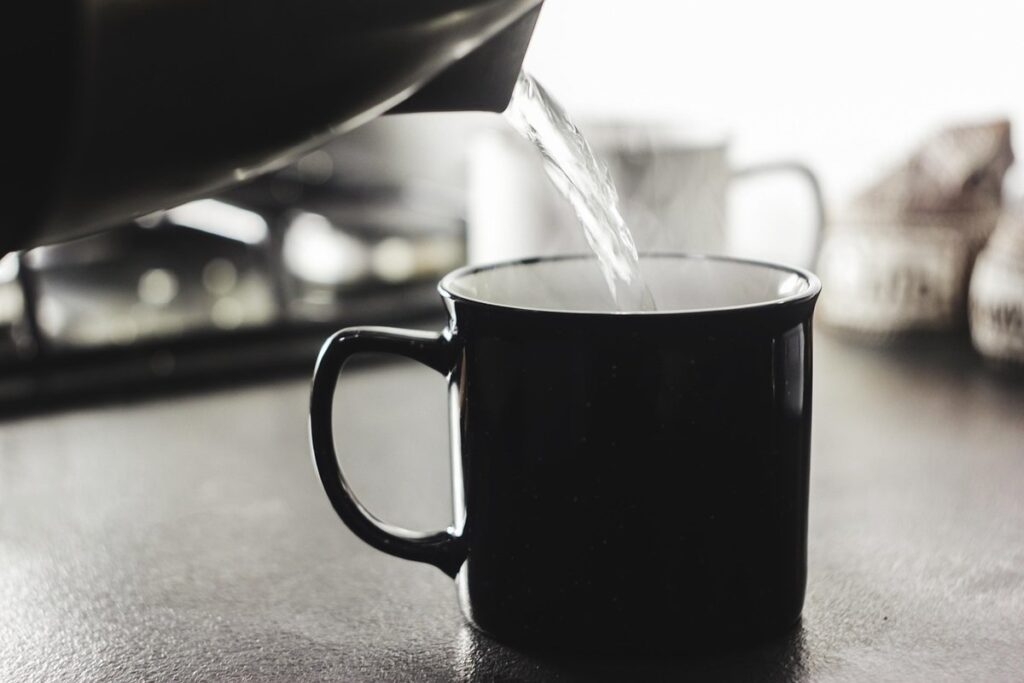
When you boil water and pour it over weeds, the heat transfer process kills them quickly and effectively. This method works because boiling water can reach temperatures of up to 212°F (100°C), which is hotter than most weed roots can survive.
As soon as the boiling water comes into contact with the weeds, the high temperature causes rapid moisture loss from the plant’s tissues. This dehydration occurs so quickly that the weeds don’t have a chance to respond by releasing chemicals for defense or signaling to their neighbors about the threat.
The heat from the boiling water also damages weed roots, making it impossible for them to continue growing and spreading. Unlike herbicides, which can sometimes stimulate weed growth before ultimately killing them, boiling water provides an immediate and irreversible solution to weeds.
In practice, this means you should aim to pour boiling water directly over as much of the weed’s root system as possible to maximize effectiveness.
Preparing for a Boiling Water Weed Control Treatment
Before you start your boiling water weed control treatment, it’s essential to prepare your equipment and workspace properly to ensure a safe and effective process. This includes gathering all necessary materials and taking safety precautions.
Equipment Needed for the Job
When performing a boiling water weed control treatment, it’s essential to have the right equipment on hand to ensure safety and effectiveness. The primary piece of equipment needed is a pot of boiling water. This can be a large container or bucket that’s specifically designed for carrying hot liquids.
You’ll also need protective gear to prevent burns from splashing water. Gloves are an absolute must-have, as they provide a barrier between your skin and the scalding water. Look for gloves made from heat-resistant materials like silicone or neoprene.
Safety goggles are another crucial item to include in your equipment list. These will protect your eyes from any potential splashback or spillover of boiling water. It’s also a good idea to wear long sleeves, pants, and closed-toe shoes to prevent skin exposure.
When selecting your equipment, make sure it’s specifically designed for handling hot liquids. This will help ensure that you can control the flow of water and avoid any accidents. Additionally, always test the temperature of the water before applying it to the weeds, as this can vary depending on factors like altitude and atmospheric pressure.
Safety Precautions to Take When Using Boiling Water as a Weed Killer
When using boiling water as a weed killer, safety should always be your top priority. Handling hot liquids can be hazardous if you’re not careful, so make sure to take the necessary precautions.
First and foremost, wear protective gear such as long sleeves, gloves, and safety glasses to prevent burns from splashing water or spills. Keep a bucket of cold water nearby to quickly cool down any accidental spills. When pouring boiling water on weeds, be mindful of your surroundings and avoid accidentally scalding yourself or others.
To minimize the risk of damage to surrounding plants, make sure to carefully target the weeds you want to kill. Use a long-handled spray bottle or watering can to keep a safe distance from the area. If you’re treating large areas, consider dividing them into smaller sections to maintain control and avoid over-spraying adjacent plants.
When handling boiling water, always use oven mitts or tongs to lift the container, as these will provide extra protection against burns. Never leave boiling water unattended, and keep children and pets at a safe distance while you’re treating weeds. By taking these precautions, you can effectively control weeds with boiling water while ensuring your own safety.
Applying the Boiling Water Weeds Pathway Method
Now that you’ve learned the theory, it’s time to put it into practice: we’ll walk you through the steps of applying the boiling water weeds pathway method effectively. Follow these instructions for a successful implementation.
Techniques for Effective Weed Control with Boiling Water
When applying the boiling water weeds pathway method, it’s essential to use the right technique to achieve effective weed control. To start, choose the right time of day for treatment. Morning is usually the best time as the sun is not too intense, and the soil is still moist from overnight dew. This allows the boiling water to penetrate deeper into the roots, increasing its effectiveness.
When selecting the amount of boiling water, remember that a little goes a long way. Use a kettle or pot to boil approximately 2-3 liters of water per square meter of weeds. Pour the boiling water directly onto the base of the weed, taking care not to splash any nearby plants. This will help prevent damage and ensure the boiling water reaches the roots.
For best results, apply the boiling water in small sections at a time. This allows you to monitor progress and avoid over-saturating the soil. As you treat each section, keep an eye out for any signs of regrowth or new weeds emerging.
Tips for Achieving Maximum Effectiveness with Boiling Water Weeds Pathway
To achieve maximum effectiveness with the boiling water weeds pathway method, it’s essential to understand when and how often to apply the treatment. Start by treating newly emerged weeds, as this will prevent them from spreading and reduce the risk of further growth.
Typically, you’ll want to reapply boiling water every 7-10 days during peak growing seasons, or as needed based on new weed emergence. However, be cautious not to over-treat, as this can damage surrounding plants or soil microorganisms.
For optimal results, combine the boiling water treatment with other methods like mulching and physical removal of weeds. Mulch will help suppress weeds by blocking light and preventing seed germination, while physically removing weeds will prevent regrowth and reduce competition for resources.
Additionally, consider using a combination of boiling water treatments at different temperatures to target specific weed species. For example, a 180°F temperature may be effective against broadleaf weeds, while a 200°F temperature is better suited for grassy weeds. Experimenting with these variables can help you fine-tune your approach and achieve the best results possible.
Considerations and Limitations of the Boiling Water Weeds Pathway Method
While the boiling water weeds pathway method has shown promise, there are several considerations to keep in mind when implementing it. Let’s take a closer look at its limitations and potential drawbacks.
Potential Drawbacks and Challenges
While the boiling water weeds pathway method can be an effective way to control unwanted vegetation, there are potential drawbacks and challenges to consider. One of the main difficulties is targeting specific weeds, as boiling water can inadvertently harm desirable plants nearby. This is especially true for areas with dense or overgrown vegetation, where it’s challenging to navigate and accurately apply the hot water.
Another challenge lies in accessing hard-to-reach areas, such as slopes or narrow pathways. In these cases, using boiling water may be impractical or even hazardous. Additionally, the heat from the boiling water can damage nearby beneficial organisms, including insects and microorganisms that play a crucial role in ecosystem balance.
To mitigate these issues, it’s essential to carefully assess your target area before applying the boiling water method. Identify specific weeds you want to control and take steps to protect desirable plants and beneficial organisms.
Comparing the Boiling Water Weeds Pathway Method to Other Weed Control Methods
When it comes to controlling weeds, you have several options at your disposal. While the Boiling Water Weeds Pathway Method has gained popularity for its eco-friendly and effective approach, it’s essential to compare its benefits with other widely used methods.
Chemical herbicides are a common choice for weed control, but they come with significant drawbacks. These chemicals can contaminate soil and water sources, posing risks to human health and the environment. In contrast, boiling water is a targeted solution that kills weeds without harming surrounding plants or ecosystems.
Physical removal and mulching are other popular methods, but they often require more time and effort than the Boiling Water Weeds Pathway Method. Physical removal can be labor-intensive, especially for large areas with dense weed growth. Mulching can help suppress weeds, but it may not address the root issue, leading to regrowth over time.
In comparison, boiling water is a relatively quick and efficient solution that tackles the root of the problem. It’s also a cost-effective option in the long run, as it eliminates the need for repeated applications or ongoing maintenance. By choosing the Boiling Water Weeds Pathway Method, you can enjoy a weed-free garden without compromising your values or putting the environment at risk.
Frequently Asked Questions
Can I use boiling water to control weeds on a slope or uneven pathway?
Yes, but be extra cautious when applying boiling water to slopes or uneven surfaces. The hot liquid can run down the slope, potentially causing burns or damage to surrounding plants. To minimize risks, apply the boiling water in small sections and at an angle to prevent it from running off.
How often should I reapply boiling water for optimal results?
The frequency of reapplication depends on the type of weeds present and the growth rate of new weeds. For annual weeds, a single treatment can be effective, but for perennials like dandelions or clover, you may need to repeat the process every 1-2 weeks to achieve complete eradication.
Can I use boiling water in areas with nearby plants or flowers?
It’s essential to exercise caution when using boiling water near sensitive plants. While the boiling water itself won’t harm surrounding plants, the hot liquid can cause damage if it splashes onto them. To avoid this, apply the boiling water at a safe distance and consider protecting adjacent plants with a barrier.
How do I dispose of the dead weeds after treatment?
After using boiling water to kill weeds, allow the treated area to cool and dry completely before removing the dead vegetation. Dispose of the dead weeds in your compost pile or bin, where they can be broken down into nutrient-rich soil. This approach helps maintain a closed-loop system and reduces waste.
Can I use this method for large areas or only for small pathways?
Boiling water is suitable for controlling weeds on both small and large areas, including extensive garden paths or even entire lawns. However, keep in mind that applying boiling water to very large areas can be time-consuming and physically demanding. Consider dividing the area into smaller sections to make treatment more manageable.