
When it comes to gardening, knowing how to pair your plants is crucial for a thriving harvest. Chives are one of those versatile herbs that can be grown alongside roses to create a harmonious and productive garden bed. But did you know that some rose varieties complement chives better than others? Companion planting with chives and roses can bring numerous benefits, from repelling pests and improving growth to adding flavor and fragrance to your cooking. In this article, we’ll explore the secrets of pairing chives and roses successfully, including how to choose compatible rose varieties and troubleshoot common issues that may arise. Whether you’re a seasoned gardener or just starting out, learn how to make the most of this dynamic duo in your garden and enjoy a more bountiful harvest than ever before.
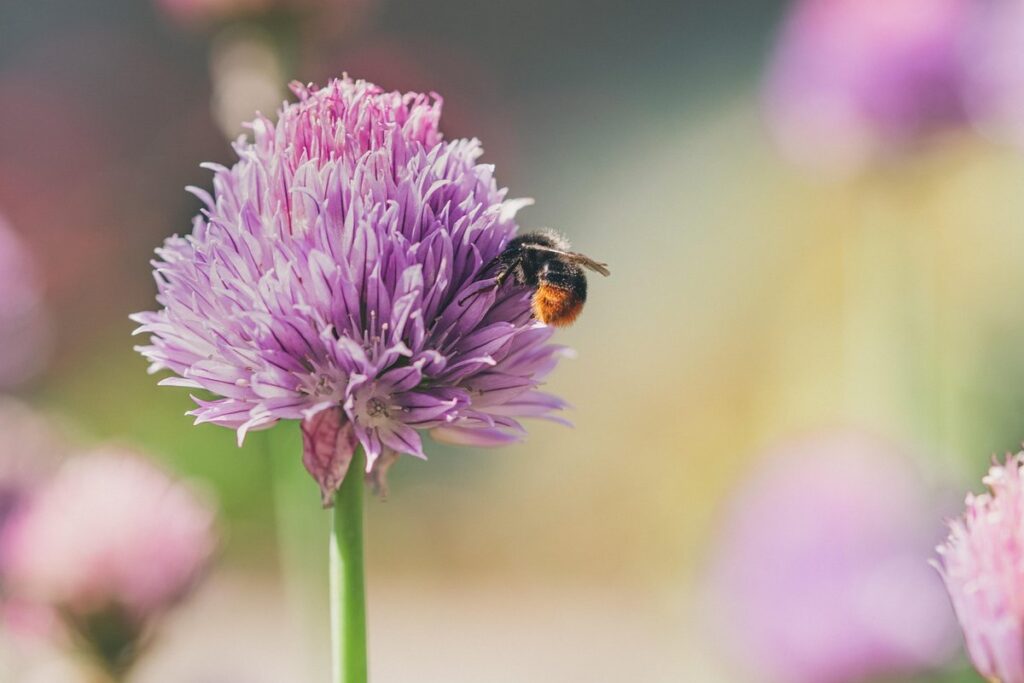
Understanding the Benefits of Companion Planting
Companion planting is a game-changer for gardeners, and when done right, it can boost your harvest and keep pests at bay. Let’s explore the benefits you’ll gain from pairing chives with roses.
What is Companion Planting and Why Does it Matter?
Companion planting has been a staple of gardening for centuries, and it’s not hard to see why. By pairing plants together strategically, you can create an environment that fosters healthy growth, repels pests, and even improves the overall flavor of your harvest. Think of it as matching your favorite flowers or decorating a room – you want to surround yourself with people (or plants) who complement each other well.
When it comes to gardening, companion planting works in much the same way. For example, basil and mint are natural companions that repel pests like aphids and whiteflies, which can be devastating to roses. Similarly, chives have been known to improve the growth and flavor of roses, making them a perfect pair for your garden.
By incorporating companion planting into your gardening routine, you’ll not only boost the health of your plants but also reduce the need for pesticides and other chemicals that can harm the environment.
How Chives Benefit from Companion Planting
When it comes to companion planting with chives, the possibilities are endless. Not only can they benefit from being planted alongside other flowers and herbs, but they can also enhance their growth and productivity. One of the most beneficial companions for chives is indeed roses. By planting them together, you’ll not only create a stunning visual display, but you’ll also reap a bounty of rewards.
Chives repel aphids and other pests that often target roses, reducing the need for pesticides and maintaining a balanced ecosystem in your garden. Rosemary and mint are also excellent companions for chives, as they help to repel aphids and whiteflies. Basil is another great choice, as it improves the flavor of nearby herbs like rosemary and thyme.
When pairing chives with roses, consider planting them on opposite sides of a trellis or arbor. This will allow them to grow together while maximizing their companion benefits. By incorporating these beneficial companions into your garden, you’ll be well on your way to unlocking the secrets to a bountiful harvest and enjoying a thriving, pest-free garden.
Choosing the Right Roses to Pair with Chives
When it comes to pairing chives with roses, not all combinations are created equal. Let’s explore the key characteristics to look for in a rose variety that will complement your chives perfectly.
Factors to Consider When Selecting Rose Varieties
When selecting rose varieties to pair with chives, it’s crucial to consider their growing conditions and requirements. For instance, roses that thrive in full sun and dry soil may not be the best choice for areas with frequent rain or high humidity. Chives, being a cool-season crop, prefer well-drained soil and moderate watering.
Look for rose varieties that share similar characteristics, such as disease resistance, hardiness zones, and climate tolerance. For example, if you live in a region with harsh winters, choose roses that are rated for zone 4 or higher to ensure they can withstand the cold temperatures. Consider factors like mature size, bloom time, and fragrance when selecting rose varieties.
Some popular rose varieties suitable for companion planting with chives include hybrid teas, floribundas, and shrub roses. These types tend to be more compact and adaptable to various growing conditions. For optimal growth, make sure to choose a mix of early-, mid-, and late-season bloomers to provide a constant display of flowers throughout the year.
When selecting rose varieties, also consider their compatibility with chives in terms of space requirements. Choose roses that can be pruned regularly to maintain a manageable size and prevent overcrowding around your chive plants.
Popular Rose Varieties That Complement Chives
When it comes to pairing roses with chives, there are several popular varieties that can complement each other’s unique characteristics and growth habits. For instance, the ‘Lady Banksia’ rose is a low-maintenance, climbing rose that produces an abundance of small, fragrant flowers in shades of white and pink. Its delicate blooms make it a perfect match for the oniony flavor and aroma of chives.
Another variety to consider is the ‘David Austin English Rose’, which boasts robust, disease-resistant growth habits and vibrant pink petals with a hint of yellow at their centers. The rose’s strong fragrance is said to be intensified when paired with the pungency of chives.
Meanwhile, the ‘Flower Carpet’ groundcover rose is an ideal choice for those looking to add a burst of color and low-maintenance beauty to their garden beds. Its compact growth habit makes it perfect for smaller spaces, while its clusters of tiny white flowers can complement the delicate purple blooms of chives.
When choosing these varieties, keep in mind that they thrive in well-draining soil and full sun conditions, making them ideal companions for chives in most gardens.
Benefits of Pairing Chives with Roses
Pairing chives with roses is a match made in heaven, and we’re excited to dive into the specific benefits you can expect from combining these two plants. You’ll be amazed at how they complement each other’s growth!
Enhanced Growth and Health for Both Plants
When planted together, chives and roses can experience enhanced growth and health due to the mutual benefits of companion planting. This symbiotic relationship allows both plants to thrive in a way that’s not possible when grown alone.
For instance, chives repel aphids, whiteflies, and other pests that might target roses, reducing the need for pesticides and keeping your garden safe and healthy. Meanwhile, the fragrant scent of roses can improve air circulation around the chive plants, preventing fungal diseases like powdery mildew from taking hold.
In return, the tall stalks of chives provide a natural support system for climbing rose varieties, while their roots help to break up compacted soil, allowing oxygen and water to reach the rose’s roots more easily. By pairing these two plants together, you can create a resilient and balanced ecosystem that fosters optimal growth and blooming.
As an added bonus, the combination of chives and roses can even enhance each other’s flavor profiles – whether it’s in your cooking or as cut flowers for arrangement!
Improved Pest Resistance and Repellent Properties
When you pair chives with roses, not only do they create a beautiful and harmonious display, but they also work together to improve pest resistance and repellent properties. Chives, being a member of the Allium family, contain compounds that repel aphids, whiteflies, and other pests that target roses. By growing them together, you can naturally deter these unwanted visitors without using harsh chemicals.
Rosemary, another popular companion plant for roses, contains oils that repel mosquitoes and other flying insects. However, chives take it a step further by releasing a pungent aroma when they’re attacked by pests, warning the rose plants to increase their defenses. This symbiotic relationship allows both plants to thrive in harmony.
To maximize this effect, be sure to plant chives around the base of your roses, allowing them to spread out and cover more ground. This will give the chives a chance to release their beneficial compounds into the soil, which can also improve the nutrient uptake of nearby rose plants.
Companion Planting Techniques for Chives and Roses
When it comes to growing chives alongside roses, some clever companion planting techniques can make all the difference in a thriving garden. Let’s dive into the best ways to pair these two beloved plants.
Spatial Arrangement: How to Plant Chives and Roses Together
When planting chives and roses together, the spatial arrangement is crucial for optimal growth and blooming. To start, consider the sunlight requirements of both plants. Chives prefer full sun to partial shade, while roses need at least six hours of direct sunlight per day. Choose a location that receives sufficient sunlight for both plants.
Next, think about soil conditions. Chives can thrive in a variety of soils, but they prefer well-draining soil with a slightly acidic pH. Roses, on the other hand, require well-draining soil with a slightly alkaline pH. To accommodate both plants’ needs, create a raised bed or mound that combines their ideal soil characteristics.
Air circulation is another vital factor to consider. Roses need space to breathe and receive adequate air flow, which helps prevent disease. Plant chives around the base of the roses, allowing for about 6-8 inches between them. This will not only improve air circulation but also help deter pests that target roses. By carefully planning the spatial arrangement of your chive-rose combination, you’ll be on your way to a bountiful harvest.
Tips for Integrating Chives into Rose Gardens
When incorporating chives into an existing rose garden, careful consideration of spacing is crucial. As a general rule, plant chives 6-8 inches away from the base of roses to prevent overcrowding and ensure optimal growth. However, this distance can be adjusted depending on the specific variety of both plants. For instance, compact or dwarf varieties of chives may thrive closer to the rose stems.
Pruning is another essential aspect to consider when integrating chives into a rose garden. Chives are a perennial herb that benefits from regular pruning, which encourages new growth and prevents flowering. To keep chives healthy and productive, trim back flower stalks as soon as they appear, allowing the plant to focus its energy on leaf production.
Regular maintenance is also vital for harmonious coexistence between chives and roses. Keep the soil consistently moist, but not waterlogged, as this can lead to root rot in both plants. Additionally, ensure that your rose garden receives at least six hours of direct sunlight daily to promote healthy growth and blooming.
Common Challenges and Solutions in Companion Planting
As you embark on your chives companion rose journey, it’s essential to be aware of potential challenges that may arise, and how expert gardeners tackle them successfully. Let’s dive into some common issues you might encounter along the way.
Overcoming Competition for Resources Between Chives and Roses
When growing chives and roses together, you may encounter competition for resources like water and nutrients. Chives are relatively low-maintenance and can thrive with minimal watering, but they still require some moisture to grow well. Roses, on the other hand, need consistent watering to produce beautiful blooms.
To overcome this challenge, prioritize watering your rose plants during their active growing season (spring-fall). Water chives sparingly, as they are more drought-tolerant than roses. You can also mulch around both plants to retain soil moisture and reduce evaporation.
Consider planting chives in a location where the sun doesn’t hit them directly, as this will help reduce water competition with your rose plants. Also, keep an eye on nutrient levels in the soil. Chives are light feeders and don’t require much fertilizer, while roses benefit from regular feeding. You can apply a balanced fertilizer to your roses during their growth phase (spring-summer), but avoid overfertilizing to prevent burning the chive roots nearby.
To maximize resource sharing between these two plants, choose varieties with complementary growing requirements. For example, dwarf rose varieties require less water and nutrients compared to larger varieties.
Troubleshooting Common Issues with Chive-Rose Pairings
When growing chives and roses together, it’s not uncommon to encounter some common issues that can hinder the health and productivity of both plants. One of the most significant challenges is dealing with pests that feed on either plant. Aphids, for instance, are notorious for sucking sap from both chives and rose stems, weakening their defenses against diseases. To combat this, try introducing natural predators like ladybugs or lacewings to your garden.
Another issue you might encounter is nutrient deficiencies in one or both plants due to over-fertilization of the other. Roses, being heavy feeders, may deplete soil nutrients that chives need to thrive. Regular soil testing can help you identify such imbalances and allow for targeted fertilization. Similarly, diseases like powdery mildew can affect either plant if their moisture requirements aren’t met. Keeping both plants at a balanced water level can prevent fungal growth.
To minimize these risks, consider implementing companion planting strategies that complement the unique needs of each plant.
Tips for Maximizing the Benefits of Companion Planting
To truly unlock the potential of your chive and rose companion planting, consider these expert tips that will take your garden to the next level. By implementing a few simple strategies, you can reap even greater rewards.
Long-Term Planning: How to Sustain a Healthy Ecosystem
As you continue to cultivate a harmonious relationship between chives and roses through companion planting, it’s essential to adopt long-term planning strategies for maintaining a healthy ecosystem in your garden. This means thinking beyond the current season and envisioning how each plant will contribute to the overall balance of your garden over time.
To start, consider creating a crop rotation plan that takes into account the specific needs of chives and roses. For instance, rotate legumes like beans or peas with chives to replenish soil nitrogen levels, which in turn benefits the roses. Similarly, intersperse annuals like marigolds between rose plants to repel nematodes and attract beneficial insects.
By incorporating companion planting into your long-term plan, you’ll create a resilient ecosystem that minimizes pest pressure, maximizes nutrient uptake, and promotes biodiversity. For example, planting chives near the base of rose bushes can help deter aphids and other pests, while also improving soil health through their nitrogen-fixing properties.
Encouraging Sustainable Gardening Practices
As you explore the world of companion planting with chives and roses, it’s essential to remember that sustainable gardening practices are an integral part of this approach. Companion planting is not just about pairing plants for mutual benefits; it’s also about cultivating a garden that works harmoniously with nature.
One crucial aspect of sustainable gardening is minimizing waste. When combining chives and roses, think about how you can repurpose plant materials to reduce your environmental footprint. For instance, use rose prunings as mulch or compost to nourish the soil for future growth. Similarly, harvest chive flowers and leaves to avoid letting them go to seed, reducing the need for pesticides and herbicides.
To take it a step further, consider adopting a no-dig or low-till approach in your garden. This will reduce soil erosion, conserve water, and promote beneficial microbial activity. By doing so, you’ll create a thriving ecosystem that’s more resilient to pests and diseases, making companion planting even more effective.
Incorporating native plants like chives and roses can also help support local biodiversity, pollinators, and wildlife. These simple yet powerful actions will not only enhance your garden’s productivity but also contribute positively to the environment.
Frequently Asked Questions
What are some common pests that chives can repel when paired with roses?
Chives are known to repel aphids, whiteflies, and spider mites, which can be a significant problem for rose gardens. By planting chives alongside your roses, you can enjoy a pest-free harvest while also attracting beneficial insects like bees and butterflies.
How do I know if my rose variety is compatible with chives?
Not all rose varieties are created equal when it comes to companion planting. Look for varieties that have a similar growth habit and soil requirements as chives, such as floribundas or shrub roses. Avoid pairing chives with climbing roses or those that require extensive staking.
Can I plant chives and roses together in the same pot?
While it’s technically possible to grow chives and roses together in containers, it’s essential to provide enough space for each plant to thrive. Chives prefer well-draining soil and full sun, while roses need more root space and may require pruning. For optimal results, consider separate pots or a raised bed with plenty of room for both plants.
How often should I water my chive-rose companion planting?
The watering needs of your chive-rose pairing will depend on factors like climate, soil type, and the specific rose variety you’re growing. As a general rule, aim to provide about 1 inch of water per week, either through rainfall or irrigation. Be sure to avoid overwatering, which can lead to root rot and other issues.
Can I harvest chives regularly while they’re paired with roses?
Yes! Chives are an annual herb that can be harvested repeatedly throughout the growing season. In fact, regular harvesting will encourage your chive plants to produce new growth and promote a more bountiful harvest. Simply snip off individual stems at the base of the plant, leaving about 1 inch of stem intact to promote regrowth.