
Are you looking for ways to boost the health and productivity of your garden? One simple yet effective solution is to grow borage as a companion plant. This versatile herb not only repels pests that can damage your veggies, but it also attracts beneficial pollinators like bees and butterflies, increasing pollination rates in your garden. But that’s not all – borage has even been shown to enhance the flavor of nearby plants, making them taste sweeter and more delicious. In this article, we’ll explore the many benefits of growing borage as a companion plant, from improving pest control to amplifying flavor. We’ll also cover how to grow and care for borage in your garden, so you can start reaping its rewards right away.
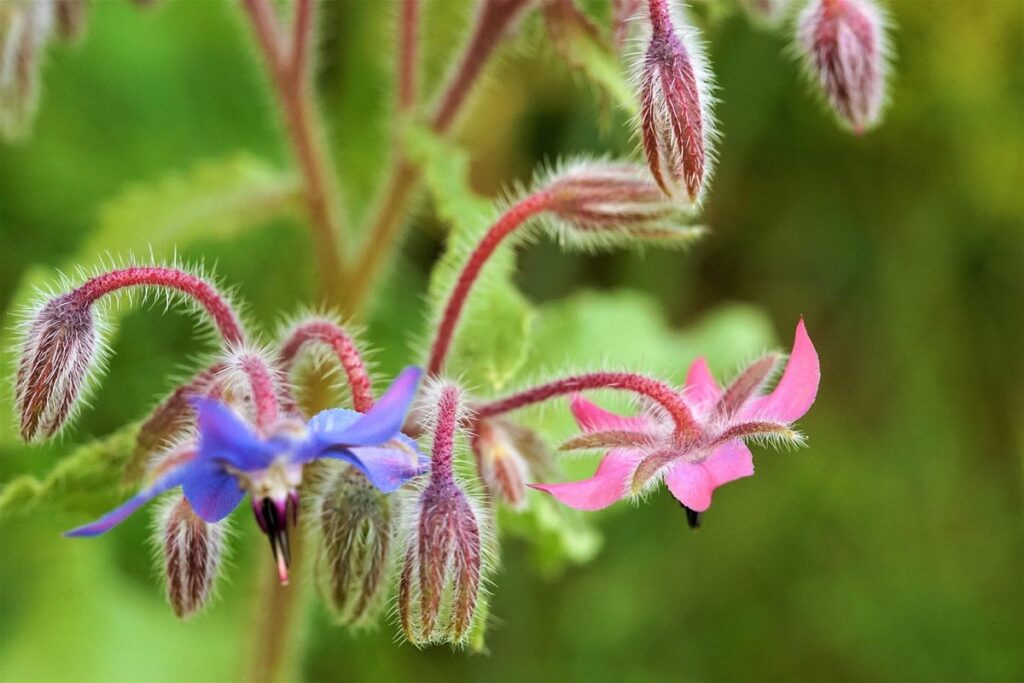
What is Borage and Why is it a Great Companion Plant?
Borage is a versatile herb that’s more than just a pretty face, and its benefits extend far beyond adding a pop of color to your garden. Let’s dive into what makes borage such an excellent companion plant for other veggies and flowers.
The History and Origin of Borage
Borage has been a prized herb for centuries, with its origins dating back to ancient Greece and Rome. The Greek physician Hippocrates wrote about borage’s medicinal properties, and it was later adopted by the Roman naturalist Pliny the Elder as a treatment for various ailments. In fact, borage was one of the key ingredients in a traditional Roman remedy for insomnia.
In addition to its medicinal uses, borage has also been prized for its culinary value. The ancient Greeks used it as a flavoring agent, adding its delicate flowers and leaves to salads, soups, and other dishes. Even today, borage is still used in many Mediterranean recipes, including those from Italy, Spain, and France.
The plant’s name “borage” is derived from the Latin word for “to carry,” likely due to its historical use as a food source for travelers. And it’s not hard to see why – with its nutritious flowers, leaves, and seeds, borage makes an excellent addition to any garden or kitchen. In fact, some historians believe that borage was even used by the Incas in South America, who valued its medicinal properties and used it to treat a range of ailments.
Despite its long history, borage is still relatively unknown in many modern gardens – but with its numerous benefits as a companion plant, it’s time for it to take center stage. By incorporating borage into your garden, you’ll not only enjoy its beauty and versatility but also reap the rewards of improved soil health, pest resistance, and enhanced flavor in your homegrown produce.
Borage’s Unique Characteristics as a Companion Plant
Borage’s ability to attract pollinators is one of its most significant benefits as a companion plant. These lovely flowers are a magnet for bees, butterflies, and other beneficial insects, drawing them into your garden with their sweet fragrance and nectar-rich blooms. By planting borage among your vegetables or fruits, you’ll be creating a welcoming environment that supports the local pollinator population.
Another remarkable characteristic of borage is its capacity to improve soil health through its deep taproots. As these roots grow, they bring up nutrients from deeper layers, making them available to nearby plants. This process not only enriches the surrounding soil but also helps to break up compacted areas, allowing for improved drainage and aeration.
Borage’s growth habit is also worth noting, as it tends to shade out weeds that might otherwise compete with your desired crops for water and nutrients. By strategically placing borage in your garden, you’ll be reducing weed pressure and minimizing the need for manual removal or chemical control methods.
Benefits of Growing Borage with Other Plants
When you pair borage with other plants, it can have a profound impact on their health and growth. Let’s explore how this versatile companion plant can boost your garden’s productivity.
Improved Pest Control through Companion Planting
When you plant borage alongside other crops, it not only enhances their growth but also protects them from pests and diseases. This is due to borage’s natural ability to attract beneficial insects that feed on pests, thereby reducing the need for pesticides.
For instance, borage attracts lacewings, which are voracious predators of aphids and whiteflies. By planting borage near your roses or vegetables, you can expect a significant reduction in aphid infestations. Similarly, borage’s strong scent repels nematodes, microscopic worms that feed on plant roots.
To harness the pest-repelling properties of borage effectively, consider the following tips:
* Plant borage around the perimeter of your garden to create a barrier against pests.
* Mix borage into your crop rotations to ensure consistent protection.
* Borage can also be used as a trap crop to lure pests away from more valuable crops.
By implementing these strategies, you can enjoy a healthier and more balanced ecosystem in your garden.
Enhanced Flavor and Aroma through Companionship
Growing borage alongside certain herbs and vegetables can have a remarkable effect on their flavor and aroma. For instance, when paired with basil, borage enhances the herb’s sweet and slightly spicy notes, creating an irresistible fragrance that’s perfect for pesto and caprese salads. This synergy is due to the way borage attracts beneficial pollinators, which in turn promote healthy growth and chemical development in its companion plants.
With vegetables like strawberries and tomatoes, borage’s companionship boosts their natural sweetness without adding any additional sugar or flavorings. The herb also complements the earthy undertones of vegetables like carrots and beets, making them a perfect pair for salads and roasted dishes. To maximize this benefit, simply plant borage nearby and make sure both plants receive adequate sunlight and water.
To further amplify the flavor enhancement, consider adding herbs like mint or oregano to your companion planting scheme. These herbs are natural pairing partners with borage, amplifying its effects on surrounding plants. By growing borage alongside these complementary flavors, you can create a harmonious balance of taste and aroma in your garden’s produce.
Increased Pollination Rates with Borage
Pollinators are the unsung heroes of plant reproduction, responsible for transferring pollen between flowers to facilitate seed production. Without them, many plants would struggle to reproduce, and our gardens would be far less diverse. Borage, with its vibrant blue flowers, is a magnet for these beneficial insects.
Bees, in particular, are drawn to borage’s nectar-rich blooms, which are shaped like tiny bells. As they feed on the nectar, they inadvertently collect pollen from the anthers of the flower, transferring it to the stigma of other plants. This process not only boosts pollination rates but also increases seed production and fruit set.
Butterflies, moths, and even hummingbirds visit borage flowers in search of nectar. These visits create a buzz (literally!) around your garden, as the insects flit from flower to flower, spreading pollen and promoting healthy plant reproduction. To maximize borage’s pollinator-attraction potential, try planting it near herbs like mint, rosemary, or thyme, which also attract beneficial insects.
By incorporating borage into your garden, you’ll not only create a haven for pollinators but also boost the overall health and productivity of your plants.
Companion Plants that Benefit from Borage
While borage is often touted as a beneficial companion plant, there are other plants that can benefit greatly from its presence in the garden. Discover which plants thrive alongside this versatile flower.
Vegetables That Thrive When Planted with Borage
When planted alongside borage, certain vegetables experience a significant boost in growth and productivity. One of the most notable benefits is observed in tomatoes. By interspersing borage among tomato plants, you can expect to see an increase in fruit size and flavor. The reason behind this lies in borage’s ability to attract beneficial pollinators like bees and butterflies, which are essential for tomato reproduction.
Other vegetables that thrive when planted with borage include peppers and cucumbers. Borage’s tall stature creates a microclimate that protects these smaller plants from harsh winds and scorching sun, allowing them to grow more efficiently. Additionally, the fragrance released by borage deters pests like whiteflies and aphids, which are known to target these vegetables.
To reap the benefits of planting with borage, simply sow seeds about 12 inches away from your chosen vegetables. As they mature, you can expect a noticeable improvement in growth rates and overall health. By incorporating borage into your garden layout, you’ll be creating a harmonious ecosystem that encourages healthy plant development and reduces the need for external interventions like pesticides or fertilizers.
Herbs That Complement the Flavor of Borage
When it comes to pairing herbs with borage, you’ll find that certain flavors complement each other beautifully. Take basil and borage, for instance. The sweet, slightly spicy flavor of basil pairs perfectly with the delicate, slightly bitter taste of borage. In fact, many Italian cooks swear by combining these two herbs in their pesto recipes.
Another herb that complements borage well is mint. While mint’s strong, cooling flavor might seem like an odd pairing at first glance, it actually helps to balance out the earthy undertones of borage. Try adding a few sprigs of fresh mint to your borage-based salads or sauces for a refreshing twist.
If you’re looking to grow herbs that complement borage in your garden, consider planting them together. Not only will they benefit from each other’s flavors, but they’ll also provide mutual support and protection against pests and diseases. For example, basil repels aphids and whiteflies, which can be attracted to borage flowers. By growing these herbs together, you’ll create a harmonious and thriving garden ecosystem that yields delicious results.
Growing and Caring for Borage Companion Plants
To get the most out of borage, learn how to grow and care for companion plants that not only benefit from its presence but also enhance its effects in your garden.
How to Plant and Care for Borage
Planting borage is relatively straightforward, but it does require some specific care to thrive. Start by choosing a location with full sun and well-draining soil. Borage prefers slightly alkaline to neutral soil pH (around 6.0-7.0). If your soil is heavy clay or prone to waterlogging, amend it with organic matter like compost or well-rotted manure.
Sow borage seeds directly in the ground in late spring or early summer when the weather has warmed up. Sow them about 1/4 inch deep and 12-18 inches apart. Water gently but thoroughly after sowing. Keep the soil consistently moist during the first few weeks after planting, then gradually reduce watering as the plants establish themselves.
Borage has a moderate growth rate and can reach heights of 3-6 feet. Regular pruning is essential to encourage bushy growth and prevent the plant from becoming leggy. Pinch off flower buds as they form to direct energy towards foliage production. This will also help prevent self-seeding, which can be a problem if borage is allowed to go to seed.
Keep your borage plants free of weeds by mulching around the base. A layer of organic mulch like straw or bark chips will retain moisture and suppress weed growth.
Tips for Integrating Borage into Your Garden Design
When incorporating borage into your garden design, it’s essential to consider its unique characteristics. Borage is a tall, statuesque plant that can grow up to 3 feet high, making it an excellent choice for the back of a border or as a statement piece in a container garden. However, this also means it requires sufficient space to accommodate its sprawling habit.
To make the most of borage’s height and spread, consider planting it alongside shorter companion plants that won’t get lost in its shadow. For example, pair borage with low-growing herbs like thyme or rosemary, which will thrive in the shade provided by the taller plant. Alternatively, plant borage towards the back of a raised bed or a large container, allowing you to create a visually interesting layered effect.
Remember to also consider the space required for borage’s root system, which can spread quite far. By planning ahead and allocating sufficient space, you’ll be able to showcase this versatile companion plant in all its glory.
Common Challenges and Solutions When Growing Borage
Growing borage can be a bit tricky, especially when it comes to common issues like pests, diseases, and nutrient deficiencies. Let’s explore some practical solutions to overcome these challenges.
Dealing with Overgrowth and Pruning Borage
One of the most common challenges gardeners face when growing borage is its tendency to overgrow. If left unattended, a single borage plant can spread up to 3 feet in diameter, shading out neighboring plants and creating an unwieldy mess. To keep your borage plants healthy and under control, regular pruning is essential.
Pruning borage involves pinching off flower buds as they form to encourage bushy growth and prevent the plant from flowering too early. This technique also promotes root development and encourages the plant to focus its energy on producing new leaves rather than flowers. To prune your borage plants effectively, simply pinch off the top set of leaves about an inch below a node (where a leaf meets the stem). You can repeat this process every 7-10 days to maintain control over the plant’s growth.
Regular pruning also helps prevent borage from becoming leggy and weak. By encouraging bushy growth, you’ll end up with healthier plants that are better equipped to withstand pests and diseases. With regular maintenance, your borge plants will thrive and continue to provide their numerous benefits in the garden.
Addressing Potential Issues with Companion Planting
When growing borage with other plants, some potential issues may arise that could impact their coexistence. One of the main concerns is competition for resources such as water and nutrients. Borage has a vigorous growth habit and can spread quite extensively, which may lead to shading out smaller companion plants or competing for soil nutrients.
To mitigate this issue, it’s essential to provide borage with enough space to grow without overcrowding its neighbors. Planting borage towards the edges of your bed or container allows other plants to receive sufficient light and nutrients. Another approach is to prune borage regularly to control its growth and prevent shading.
Additionally, consider companion planting borage with plants that have a similar growth habit or requirements. For instance, growing borage alongside comfrey or marigold can create a mutually beneficial environment where each plant supports the other’s needs. This synergy can lead to healthier and more resilient plants in your garden.
Frequently Asked Questions
Can I grow borage indoors or does it require a specific climate?
Yes, you can grow borage indoors as long as you provide it with sufficient sunlight (at least 4-6 hours of direct sunlight) and well-draining soil. This makes it an ideal companion plant for indoor gardens, greenhouses, or cold frames.
How do I integrate borage into my existing garden design without overgrowing other plants?
To avoid overcrowding, plant borage around the perimeter of your garden bed or intersperse it with other companion plants that have similar growth habits. This will also allow you to harvest the flowers and leaves more easily.
Can I use borage as a trap crop for specific pests, such as aphids or whiteflies?
Yes, borage can be used as a trap crop for various pests, including aphids and whiteflies. By planting borage near susceptible crops, it will attract these pests away from your main plants, reducing the risk of infestation.
How do I maximize the flavor-enhancing benefits of growing borage with other plants?
To amplify the flavor benefits, choose companion plants that complement borage’s sweet, slightly nutty taste. Some options include mint, lemongrass, and rosemary. Plant them together in a container or directly into your garden bed for enhanced flavors.
Can I use borage as a pollinator attractant in areas with limited native bee populations?
Yes, borage is an excellent choice for attracting beneficial pollinators like bees and butterflies, even in areas with limited native bee populations. Its bright blue flowers are rich in nectar, making them a valuable resource for pollinators.