
Growing your own grapes can be a rewarding experience, but it requires attention to detail, especially when it comes to training your grape vines. The right techniques for training and pruning can make all the difference in promoting healthy growth, maximizing quality and yield, and protecting your vineyard from pests and diseases.
As an aspiring vintner or experienced grapegrower, you want to get it right – selecting the ideal variety for your climate, mastering the art of pruning, and caring for your vines post-harvest. In this article, we’ll walk you through expert techniques for training grape vines, from choosing the perfect cultivar to protecting your vineyard from common threats. Whether you’re a beginner or looking to refine your skills, you’ll discover practical tips and insider knowledge to help you cultivate thriving, productive grapes.
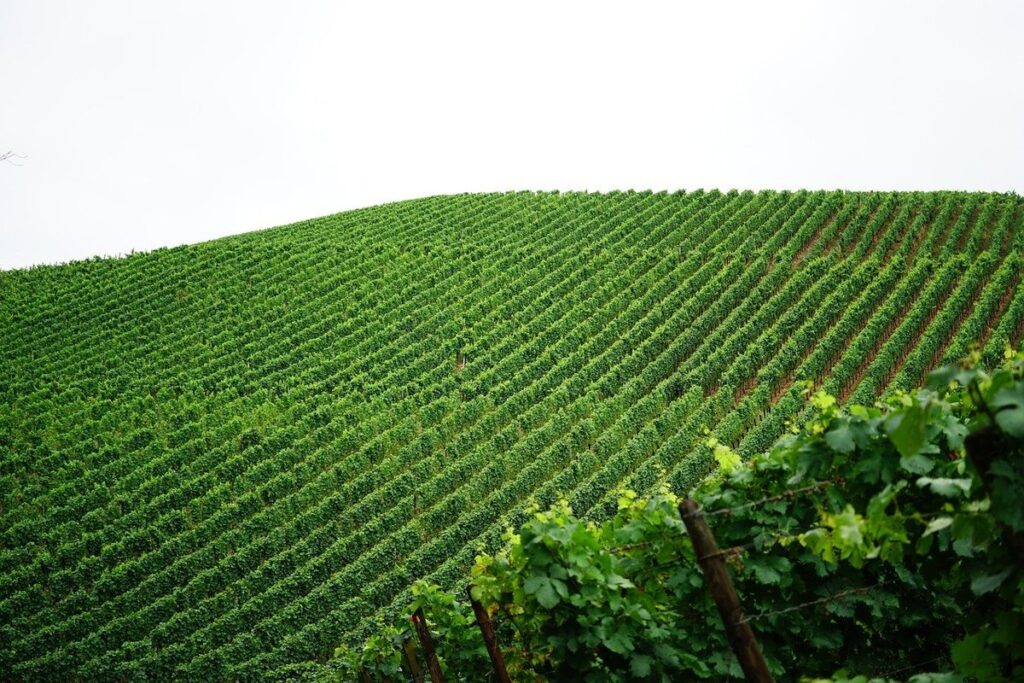
Choosing the Right Varieties and Site Conditions
When selecting grape varieties, it’s essential to consider factors such as climate, soil quality, and disease resistance to ensure a healthy and thriving vine. This section will walk you through these key considerations.
Factors to Consider When Selecting a Grape Variety
Selecting the right grape variety is a crucial step in training grape vines. It’s essential to choose a variety that thrives in your local climate and soil type, as this will significantly impact the vine’s health, productivity, and ultimately, the quality of the grapes.
When considering a grape variety, disease resistance is a top priority. Some varieties are more prone to fungal diseases like powdery mildew and downy mildew, while others have built-in resistance. For example, Pinot Grigio and Sauvignon Blanc are known for their natural resistance to certain diseases.
Ripening time is another critical factor. If your climate has a short growing season, you’ll want a variety that ripens quickly, such as Chardonnay or Merlot. On the other hand, if your region enjoys a long growing season, you can opt for varieties like Cabernet Sauvignon or Syrah.
Lastly, yield potential is also an essential consideration. Some varieties are bred to produce high yields, while others prioritize quality over quantity. As a general rule of thumb, it’s better to have a smaller crop with excellent flavor and texture than a larger crop with lower quality grapes.
Understanding Your Soil and Climate
When training grape vines, it’s essential to understand the fundamental characteristics of ideal soil and climate conditions that support healthy growth. A suitable pH level for most grape varieties falls between 6.0 and 7.0, although some tolerant species can thrive at slightly acidic or alkaline levels. However, prolonged exposure to extreme pH fluctuations can lead to nutrient deficiencies.
Nutrient requirements also play a critical role in grapevine development. Adequate supplies of calcium, magnesium, potassium, nitrogen, and sulfur are necessary for optimal growth. These nutrients can be obtained through natural means, such as composting or applying organic fertilizers, rather than relying on chemical-based products.
Temperature fluctuations significantly impact grapevine growth patterns. Temperate climates with moderate temperature swings between day and night allow for balanced development, whereas extreme temperatures can cause stress and reduce yields. Average annual rainfall of 25-30 inches is also beneficial, although supplemental irrigation may be necessary during prolonged droughts or dry spells. By understanding these fundamental conditions, you’ll be better equipped to create an optimal environment for your grapevines to thrive.
Pre-Planting Preparation: Planning and Equipment
Before you start planting your grape vines, it’s essential to prepare the site properly. This includes planning the layout and acquiring the necessary equipment for a healthy vine training process.
Site Selection and Layout
When selecting a site for your vineyard, it’s essential to consider topography, drainage, and accessibility. A sloping terrain can lead to erosion and soil compaction, which may hinder root growth and impact grapevine yields. On the other hand, flat areas might be prone to waterlogging, causing roots to rot and increasing susceptibility to disease.
Drainage is another critical factor to consider. Ensure that your site has adequate drainage systems in place to prevent water accumulation around the vineyard. This can include installing drains, culverts, or even a French drain system. Accessibility is also crucial for efficient maintenance and harvesting operations. A well-planned entrance and exit point will make it easier for equipment to navigate the vineyard.
A well-designed layout is equally important in optimizing space and efficiency. Consider planting rows at an angle to allow sunlight penetration and reduce frost damage. Planting distances should be carefully selected based on grapevine variety, climate, and desired yields. By planning your site and layout thoughtfully, you’ll set yourself up for success in training your grapevines for optimal growth and productivity.
Purchasing High-Quality Vines and Tools
When it comes to purchasing high-quality grapevines and essential equipment, you want to ensure that you’re investing in the best possible resources for a healthy and thriving vineyard. This is crucial as it directly impacts the success of your grapevine training efforts.
To start with grapevines, look for nurseries or suppliers that specialize in disease-resistant and climate-suited varieties. Research the specific characteristics of your region’s growing conditions and choose vines that are well-adapted to these factors. It’s also essential to check the vine’s age, typically between one to three years old, as this is usually the optimal time for planting.
In terms of equipment, trellises are a must-have for providing structural support and training your grapevines. Consider investing in adjustable trellis systems that can accommodate your vines’ growth over time. Pruning tools like sharp secateurs, loppers, and pruning saws are also necessary for regular vine maintenance. Don’t forget to invest in a reliable irrigation system that caters to your specific climate and soil type.
Planting and Establishment: Techniques for Success
When planting new grape vines, a solid establishment is crucial for their long-term health and productivity. In this next step, we’ll cover the techniques for getting your vineyard off to a strong start.
Digging and Planting Vines
When planting grapevines, it’s essential to handle the roots with care to minimize damage and promote healthy establishment. Begin by digging a hole that is twice as wide and just as deep as the root ball of the vine. Avoid compacting the soil during this process, as it can cause oxygen deprivation and hinder root growth.
Next, add amendments such as compost or well-rotted manure to improve soil fertility and drainage. Gently remove any circling roots and trim them with a sterile tool to encourage straight growth. Place the vine in the hole, ensuring the graft union (if applicable) is above the soil level, then fill with a mix of native soil and amendments.
Securing the vine is crucial to prevent wind damage and promote upright growth. Use soft ties or clips to gently wrap the vine around a trellis or stake, leaving some slack for flexibility. Be careful not to constrict the bark, as this can cause damage and lead to disease issues down the line.
Irrigation Systems and Mulching Strategies
When it comes to young grape vines, providing the right amount of water is crucial for establishment. One effective way to manage irrigation is through drip irrigation systems. These systems deliver water directly to the roots of the plant, reducing evaporation and runoff. This not only conserves moisture but also reduces the risk of fungal diseases that thrive in moist environments.
In addition to drip irrigation, mulching plays a significant role in maintaining soil health and suppressing weeds. Organic mulch such as wood chips or straw can help retain moisture, regulate soil temperature, and prevent erosion. When applying mulch, maintain a depth of 2-3 inches around the vines, keeping it a few inches away from the trunk to avoid collar rot.
To maximize water efficiency, consider implementing a combination of drip irrigation and mulching techniques. This will not only save you time and resources but also promote healthy soil development for your grape vines. Regularly monitoring soil moisture levels and adjusting irrigation schedules accordingly is essential for optimal vine growth.
Training and Pruning: Techniques for Promoting Healthy Growth
When it comes to maintaining a healthy and productive grapevine, proper training and pruning are essential techniques to master. In this next part of our guide, we’ll walk you through these critical practices.
Understanding the Role of Trunk System Development
Developing a strong trunk system is crucial for grapevines, as it has a direct impact on yield, fruit quality, and overall vine health. A well-developed trunk provides the structural foundation for the rest of the vine, supporting its growth and productivity.
A robust trunk system enables vines to absorb nutrients and water more efficiently, leading to better fruit quality and higher yields. Conversely, weak or poorly developed trunks can result in reduced yields, lower sugar content, and increased susceptibility to disease and pests.
When training your grapevines, prioritize developing a sturdy trunk by providing regular pruning and support. Remove any weak or crossing wood, and encourage the growth of a single, dominant trunk. This will help direct the vine’s energy towards producing high-quality fruit rather than investing in excessive branching.
To assess the health of your trunk system, inspect for signs of stress, such as cracks, splits, or uneven growth patterns. Regular monitoring and maintenance will ensure that your vines develop strong trunks, setting them up for a long and productive life.
Basic Pruning Principles and Techniques
Pruning grape vines is an art that requires patience, skill, and attention to detail. To promote healthy growth and encourage fruiting, it’s essential to understand basic pruning principles and techniques.
When it comes to pruning, the right tools are crucial. You’ll need a good pair of sharp, clean pruning shears or loppers for smaller branches, and a pruning saw for thicker ones. It’s also vital to disinfect your tools between cuts to prevent the spread of disease.
Identify key pruning sites by looking for areas where you want to encourage growth or remove unwanted shoots. Make clean cuts just above a bud or an outward-facing eye, as this will help the vine direct its energy towards producing new growth rather than deadheading.
When making cuts, aim for a 45-degree angle and cut at a slight upward slant. This helps water run off and reduces the risk of disease entry. Remove any dead, diseased, or damaged wood to promote air circulation and prevent pests from taking hold.
Pest Management and Disease Control: Integrated Strategies
To keep your vineyard healthy, you need a solid plan for managing pests and diseases, which is where integrated strategies come in. This approach combines prevention, monitoring, and control methods to ensure long-term sustainability.
Common Grapevine Pests and Diseases
As you work on training grape vines, it’s essential to be aware of common pests and diseases that can impact their health. The symptoms, life cycles, and management options for these issues vary depending on your region.
In warm climates, grapevines are susceptible to nematodes, tiny worms that feed on plant roots. These pests can cause stunted growth, yellowing leaves, and reduced fruit production. Management options include crop rotation, using resistant rootstocks, and applying nematicides. In areas with cool winters, powdery mildew is a prevalent disease caused by fungi that thrive in humid conditions. Symptoms include white powdery patches on leaves and stems, leading to defoliation and reduced yields.
To manage these issues, practice good sanitation, removing any diseased or infested material from the vineyard. Implement integrated pest management (IPM) strategies, combining physical, cultural, biological, and chemical controls. Regularly monitor your grapevines for signs of stress or disease, taking prompt action to prevent their spread.
Some common pests in many regions include spider mites, mealybugs, and aphids, which can be managed using neem oil, insecticidal soap, and pyrethrin sprays. By understanding the life cycles and management options for these pests and diseases, you’ll be better equipped to protect your grapevines and ensure a healthy harvest.
Developing an IPM Plan for Your Vineyard
Developing an IPM plan for your vineyard is crucial to maintaining a healthy and productive crop. An integrated pest management (IPM) plan should be tailored to your specific grape variety, climate, and soil type. Begin by conducting regular monitoring of your vineyard, checking for signs of pests or diseases such as aphids, powdery mildew, or downy mildew.
Keep detailed records of your observations, including the date, time, location, and any treatments applied. This will help you identify patterns and trends that can inform future management decisions. Use a combination of visual inspections and data collection tools to monitor temperature, humidity, and other environmental factors that may impact pest populations.
When implementing control measures, always consider using organic or biological controls whenever possible. These methods are often more targeted and less likely to harm beneficial insects or the environment. For example, introducing natural predators or parasites can help control pest populations without resorting to chemical pesticides.
Monitoring and Harvesting: Maximizing Quality and Yield
Now that your grape vines are trained, it’s essential to monitor their growth and health to maximize quality and yield. Regular checks will help you catch any potential issues before they affect production.
Regular Vineyard Visits and Record-Keeping
Regular vineyard visits and accurate record-keeping are crucial components of successfully training grape vines. By regularly inspecting your vineyard, you can identify potential issues before they become major problems. Look for signs of stress, disease, or pests, such as yellowing leaves, black spots, or unusual insects. Early detection enables prompt action to prevent damage and maintain a healthy environment.
Accurate record-keeping is essential for tracking vine development over time. Maintain detailed records of pruning dates, irrigation schedules, and pest management activities. This information helps you identify patterns and make informed decisions about future training methods. For example, by analyzing previous year’s data, you can determine the optimal timing for pruning based on weather conditions and grapevine growth.
Take notes on the number of buds per shoot, canopy density, and fruit set to inform your training strategy. Record any observations or concerns, including photos if necessary, to maintain a visual record of vine development. This comprehensive approach enables you to adapt your training methods season after season, maximizing quality and yield while minimizing risk.
Timing and Techniques for Optimal Harvesting
When it comes to harvesting grapes from trained vines, timing and technique are crucial factors in determining the quality and yield of the harvest. The optimal time for harvesting depends on the stage of ripeness, which can be measured by sugar content, acidity levels, and skin color.
As a general rule, grapes are typically ready for harvest when they reach 20-25% sugar content, equivalent to a Brix reading of 20-25. This is usually accompanied by a slight softening of the berries and a change in skin color from green to yellow or red, depending on the variety. Harvesting too early can result in underripe grapes with low acidity and poor flavor, while delaying harvest can lead to overripe grapes with high sugar content but compromised quality.
To determine the optimal harvest time for your vineyard, consider factors such as weather conditions, soil moisture, and pest/disease pressure. Regular monitoring of grape development and sugar content is essential to ensure a timely and successful harvest. For example, some growers use hand-held meters to quickly test the Brix levels of individual clusters, while others rely on visual inspections and taste tests to gauge ripeness.
By paying attention to these factors and using the right techniques, you can optimize your harvest and produce high-quality grapes that are perfect for winemaking or fresh consumption.
Post-Harvest Care: Winter Pruning and Preparation
Now that your grape vine is trained, it’s time to think about its winter needs. This includes pruning and preparing for a healthy and productive growing season ahead.
Preparing Your Vineyard for Dormancy
As the growing season comes to an end, it’s essential to prepare your vineyard for dormancy. This process not only helps prevent damage from harsh winter conditions but also sets your vines up for a healthy and productive new year.
Start by removing any dead or diseased wood from the vines. This will help prevent the spread of disease and encourage vigorous growth in the spring. Use sharp pruning tools to cut off any branches that are damaged, diseased, or no longer contributing to fruit production. Be sure to disinfect your tools between cuts to prevent the transfer of diseases.
Next, take the time to properly store and maintain your equipment. Disinfect all pruning shears, loppers, and other tools with a solution of one part bleach to nine parts water. This will help kill any lingering bacteria or fungi that could cause disease in the spring. Store your equipment in a dry, well-ventilated area to prevent moisture buildup.
Finally, protect your vines from winter damage by mulching around the base of each plant and covering any sensitive areas with burlap or snow fencing. This will help insulate the roots and stems from extreme cold temperatures and wind. By taking these simple steps, you’ll be ensuring a healthy and thriving vineyard come springtime.
Planning for the Next Season’s Growth
As you’ve successfully navigated the post-harvest care process and pruned your grape vines for winter, it’s time to start thinking about the next growing season. Planning ahead is crucial to ensure your vineyard thrives come springtime. Take a moment to review your records from this past season – note which varieties performed well, where you encountered pests or diseases, and how your IPM (Integrated Pest Management) strategies fared.
Next, revisit your IPM plans and make any necessary adjustments. Perhaps you noticed an uptick in powdery mildew pressure last season; now’s the time to reassess your fungicide application schedule. On the other hand, if a particular variety proved to be a real showstopper, consider increasing its allocation for the upcoming harvest.
As you update these essential documents, don’t forget to factor in any changes to weather patterns or regional regulations that may impact your growing season. Consult with local experts and trade organizations to stay informed on the latest best practices. By taking this proactive approach to planning, you’ll be well-prepared to tackle whatever challenges the next season brings – ensuring a bountiful harvest and maximum yields from your trained grape vines.
Frequently Asked Questions
How often should I inspect my grape vines for signs of pests and diseases?
Regular vineyard visits are crucial to detect potential issues early on. Aim to inspect your vines at least once a week during the growing season, focusing on areas with high pest or disease pressure. Look out for signs like unusual growth patterns, discoloration, or actual pests like aphids, mealybugs, or spider mites.
Can I train grape vines using trellis systems with different orientations (e.g., east-west vs. north-south)?
Yes, you can experiment with different trellis orientations to optimize sunlight exposure and air circulation for your specific climate and vineyard layout. However, be aware that east-west orientations may promote better sunlight distribution during the growing season, but might lead to colder temperatures in winter.
How do I determine the optimal pruning time for my grape vines?
Timing is critical when it comes to pruning. In general, prune your grapevines when they are dormant (winter) or in late spring after budbreak, depending on your climate and specific variety needs. Pruning at these times will help control vigor, promote healthy growth, and prevent disease.
Can I propagate my own grapevine cuttings for replanting?
While it’s possible to propagate grapevines from cuttings, the success rate is relatively low without proper knowledge and equipment. It’s generally recommended to purchase high-quality vines or nursery stock from reputable suppliers to ensure optimal performance and minimize pest/disease risks.
What are some common mistakes beginners make when training grape vines, and how can I avoid them?
Common mistakes include inadequate pruning, insufficient support for the vine, and poor site selection. To avoid these errors, pay close attention to your variety’s specific requirements, follow established training methods (e.g., Guyot or Lyre), and maintain accurate records of your vineyard’s growth patterns and soil conditions.