
If you’re growing sweet fennel in your garden, you know how quickly its fern-like foliage can take over. Pruning is an essential part of managing this biennial crop, but it’s often misunderstood. Not pruning sweet fennel at all can lead to a lackluster harvest and even plant disease. On the other hand, improper pruning techniques can stress the plant and reduce yields.
In this article, we’ll walk you through effective pruning strategies for maximizing your sweet fennel harvest while maintaining healthy plants. We’ll discuss growth habits, identify the optimal time for pruning, and provide guidance on avoiding common mistakes that can harm your crops. By understanding how to prune sweet fennel correctly, you’ll be able to coax more from this versatile herb and enjoy a bountiful harvest.
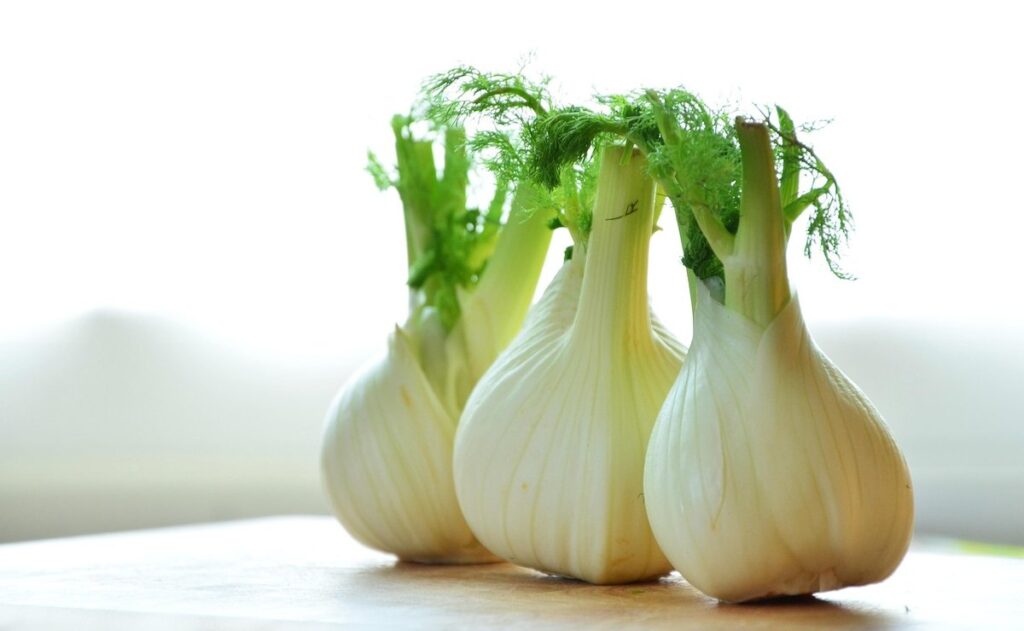
Understanding Sweet Fennel and Its Growth Habits
Before you start pruning your sweet fennel, it’s essential to understand its growth habits, including how it spreads and grows in different conditions. This will help you prune it effectively.
Section Overview:
Sweet fennel (Foeniculum vulgare) is a beloved herb in many kitchens, prized for its anise-like flavor and versatility. However, its growth habits can be quite demanding, making it a challenge for gardeners to manage. One of the main reasons sweet fennel poses difficulties is its tendency to bolt, or go to seed, prematurely.
This can happen if the plant doesn’t receive enough moisture, particularly during hot summer months. When sweet fennel bolts, it focuses its energy on producing seeds rather than growing new leaves, which can lead to a less flavorful crop. To combat this issue, gardeners need to be mindful of providing consistent watering and maintaining optimal temperatures for their plants.
To grow healthy and productive sweet fennel, it’s essential to create the right conditions, including giving the plant plenty of space to spread out and allowing it to mature slowly. By understanding its growth habits and addressing potential issues early on, gardeners can enjoy a bountiful harvest of this tasty herb.
Why Prune Sweet Fennel?
Pruning sweet fennel is an essential practice for maintaining its overall health, appearance, and productivity. By pruning regularly, you can promote a bushy growth habit, encourage new fronds to emerge, and even increase the crop yield of edible seeds and leaves.
When sweet fennel plants become too tall or leggy, they can be prone to disease and pests, making them more susceptible to damage. Pruning helps to remove these weak points, reducing the risk of infestation and allowing the plant to focus its energy on healthy growth. Additionally, pruning stimulates the production of new foliage, which not only enhances the plant’s appearance but also provides a fresh source of nutrients for the roots.
To prune sweet fennel effectively, simply cut back the longest stems to about one-third of their height, using clean and sharp tools to prevent damage to the plant tissue. This will encourage branching and promote a fuller growth habit. Remember to make your cuts just above a node, where a new stem or leaf is emerging, to ensure the best possible results.
Identifying the Right Time to Prune
When it comes to pruning sweet fennel, timing is everything. The optimal time for pruning depends on several factors including climate, season, and growth stage. In temperate climates with mild winters, you can prune sweet fennel year-round, but it’s essential to consider the plant’s life cycle.
For example, if you’re growing sweet fennel in a warm climate where it blooms throughout the year, pruning during the flowering period can encourage new growth and prevent the plant from becoming leggy. Conversely, if you live in an area with harsh winters, it’s best to prune in early spring when new growth begins.
In regions with distinct seasons, consider pruning sweet fennel in late fall or early winter, before the ground freezes, to promote healthy regrowth come springtime. Monitor your plant’s growth stage and adjust your pruning schedule accordingly. If you notice any signs of stress or disease, prune immediately to prevent further damage. By understanding your climate and adjusting your pruning schedule, you’ll be able to keep your sweet fennel looking its best throughout the growing season.
Pre-Pruning Considerations
Before you start pruning, take a moment to assess your sweet fennel’s health and growth patterns to inform your decision-making process. This step is crucial for effective pruning.
Assessing Plant Health
Before you start pruning your sweet fennel plants, it’s essential to assess their overall health. Look for signs of stress or disease that may require special attention before cutting back the foliage. Check for yellowing leaves, wilting, or discoloration on individual stems or branches. These can be indicative of nutrient deficiencies, pest infestations, or diseases like root rot.
Inspect your plants closely for any unusual growth patterns, such as deformed or distorted leaves, which could be a sign of fungal infections. Also, keep an eye out for pests like aphids, spider mites, or caterpillars that can cause damage to the plant’s foliage. If you notice any of these issues, address them promptly with organic or chemical controls as needed.
Additionally, consider factors like weather conditions and soil quality when evaluating your sweet fennel plants’ health. Drought stress or waterlogged soil can compromise the plant’s overall resilience, making it more susceptible to disease or pests. Take corrective measures to improve soil drainage, provide adequate watering, or apply fertilizers if necessary to support healthy growth.
Choosing the Right Tools
When it comes to pruning sweet fennel, having the right tools can make all the difference. The first step is to gather a few essential tools that will help you tackle this task with ease.
First and foremost, you’ll need a pair of hand pruners or secateurs. These are perfect for cutting small branches and stems, especially when working in tight spaces. Look for high-quality pruners with sharp blades, as dull ones can cause more harm than good. For example, try using the Fiskars Soft Touch Pruning Shears, which feature comfortable grips and precise cutting.
Next up, you’ll need a pair of loppers for thicker stems or branches. These are longer-handled pruning shears that provide extra leverage to cut through tougher material. Be sure to choose loppers with anvil-style blades, as they tend to be more effective and easier to use. For instance, the Corona Loppers offer excellent reach and cutting power.
Remember to also have a clean-up rake or brush handy to tidy up any debris after pruning. With these tools by your side, you’ll be well-equipped to tackle even the most stubborn sweet fennel plants with confidence.
Pruning Techniques for Sweet Fennel
Now that you know how and when to prune your sweet fennel, let’s dive into the specifics of techniques to encourage healthy growth and prevent regrowth. This section will walk you through various pruning methods.
Removing Dead or Damaged Growth
When pruning sweet fennel, it’s essential to remove dead, diseased, or damaged branches to maintain plant health and promote vigorous growth. This step is crucial as it prevents the spread of disease and encourages healthy development.
Start by visually inspecting the plant for any signs of damage or decay. Look for wilted or brown leaves, black spots, or soft, mushy stems. If you notice any of these issues, carefully cut off the affected areas using clean pruning shears or a sharp knife. Make cuts at a 45-degree angle, just above a node (where a leaf meets the stem). This will help the plant heal quickly and reduce the risk of further damage.
Remember to remove only the damaged or diseased parts, as this will prevent the spread of disease and encourage healthy growth. Cut back any weak or spindly growth to maintain the plant’s shape and promote air circulation. By removing dead or damaged growth, you’ll be creating a healthier environment for your sweet fennel plant to thrive in.
Shaping the Plant
When it comes to shaping sweet fennel into a desired form, there are several techniques you can employ. One of the most popular methods is compacting, which involves pinching or cutting off the growing tips of the stems to encourage bushy growth and prevent legginess. This technique is particularly useful for container gardens where space is limited.
To create a more dramatic effect, you can also use pruning shears to shape your sweet fennel into a topiary form or a formal hedge. Simply cut back the stems to the desired height and then trim any stray branches to maintain the shape. Keep in mind that this method requires regular maintenance to keep the plant looking its best.
For a more relaxed, informal look, you can try creating a bushy shape by allowing some of the stems to grow longer than others. This will give your sweet fennel a softer, more rustic appearance that’s perfect for cottage gardens or meadow-style landscaping.
Encouraging New Growth
When you prune sweet fennel correctly, it’s not just about shaping its appearance; it’s also an essential part of promoting new growth and maintaining a healthy plant. Pruning stimulates the production of hormones that encourage cell division and differentiation, which ultimately leads to the development of new shoots and leaves.
As a result, regular pruning helps remove any dead or diseased tissue, prevents pest infestations, and allows air to circulate through the plant more effectively. By removing weak or damaged growth, you’re directing your sweet fennel’s energy toward producing stronger, healthier stems and foliage.
This process also encourages the development of a robust root system, which is vital for optimal growth and flavor production. To encourage new growth, be sure to prune at least 20% of your sweet fennel’s top growth each time you prune. This will force the plant to redirect its energy toward producing new shoots, rather than simply replacing what was removed. By doing so, you’ll enjoy a more productive and resilient sweet fennel crop throughout the growing season.
After-Pruning Care
After pruning your sweet fennel, it’s essential to provide proper care to ensure healthy regrowth and optimal flavor. This section will walk you through the key steps for after-pruning care.
Watering and Fertilization
After pruning your sweet fennel plant, it’s essential to provide the right care to promote healthy growth and prevent potential issues. Watering is a critical aspect of post-pruning care. Since sweet fennel prefers well-drained soil, avoid overwatering, which can lead to root rot and other problems. Instead, water your plant gently but thoroughly after pruning, making sure the soil is moist but not soggy.
Fertilization is another crucial step in the recovery process. Sweet fennel benefits from a balanced fertilizer, especially during its active growth phase. You can use a 10-10-10 NPK (nitrogen-phosphorus-potassium) formula or an organic alternative like compost tea. Apply the fertilizer according to the manufacturer’s instructions, usually once a month.
Keep a close eye on your plant for signs of pests or diseases, such as aphids, spider mites, or powdery mildew. Regular monitoring will help you catch any issues early on and take corrective action before they spread.
Monitoring Plant Response
As you observe your sweet fennel plant’s response to pruning, pay attention to its growth pattern and adjust your strategy as needed. One key indicator of a healthy plant is the appearance of new growth within a week or two after pruning. This can manifest as the emergence of fresh, green leaves from the cut ends of stalks or the development of new buds.
If you notice that new growth is slow to appear or appears weak and spindly, it may indicate that the plant is under stress due to excessive pruning or inadequate care. In such cases, reassess your pruning technique and consider reducing the frequency or severity of cuts. Conversely, if new growth bursts forth vigorously, it could suggest that your pruning schedule is too infrequent, allowing the plant to become leggy.
To monitor your plant’s response effectively, establish a regular observation routine, checking for signs of stress or recovery at least once a week during the active growing season. By being attentive and adaptable, you can fine-tune your pruning approach and create an optimal environment for your sweet fennel plants to thrive.
Common Pruning Mistakes to Avoid
When pruning sweet fennel, it’s easy to make mistakes that can compromise your plant’s health and appearance, so let’s cover some common errors to watch out for.
Over-Pruning
When it comes to pruning sweet fennel, it’s easy to get carried away and cut back more than necessary. Over-pruning can be a disaster for these plants, as it leads to stress that makes them vulnerable to disease and even death.
Think of the delicate fronds on your sweet fennel plant like a beautiful, intricate latticework. Removing too much of this structure not only damages its appearance but also disrupts the plant’s ability to photosynthesize and carry out essential functions. When you cut back more than 20% of the foliage, you’re essentially giving your plant a major shock.
This excessive pruning can lead to a cascade effect where the plant becomes weak and susceptible to pathogens like powdery mildew or downy mildew. Instead of protecting your sweet fennel from potential problems, over-pruning sets it up for a perfect storm of stressors that will undermine its health. So, be cautious when you’re pruning, and remember: less is often more when it comes to taming the fronds on these lovely plants.
Under-Pruning
Under-pruning sweet fennel can have severe consequences on its overall health and productivity. When you don’t prune your sweet fennel enough, it can lead to reduced growth and decreased yields. This is because the plant becomes too dense, creating an environment where air circulation and sunlight penetration are severely limited.
As a result, the plant’s ability to produce new shoots and flowers is impaired, leading to smaller bulbs and lower yields. Furthermore, under-pruning can also increase the risk of disease and pests, which thrive in shaded conditions. For instance, if your sweet fennel has grown too dense, it may be more susceptible to powdery mildew, a common fungal disease that affects many types of plants.
To avoid under-pruning, make sure to remove any dead or damaged leaves or stems as soon as you notice them. Regularly inspect your plant and trim back the tips of new growth by about one-third to promote air circulation and prevent overcrowding. This will not only encourage healthy growth but also help your sweet fennel produce larger, more robust bulbs.
Conclusion: Maximizing Sweet Fennel’s Potential Through Pruning
As you’ve learned throughout this comprehensive guide, pruning sweet fennel is an essential step in maximizing its potential. By regularly trimming and training your plants, you’ll not only encourage healthy growth but also promote a bountiful harvest. Remember to remove any damaged or diseased stems, as well as those that are flowering, to direct the plant’s energy towards producing new foliage. This will not only improve air circulation and prevent disease but also allow for more even sunlight penetration.
By pruning your sweet fennel correctly, you’ll be rewarded with a more robust and productive plant, ready to thrive in your garden or container.
Frequently Asked Questions
What are the consequences of not pruning sweet fennel regularly?
Regular pruning helps to control the plant’s spread, prevent bolting, and encourage a healthy root system. If left unpruned, sweet fennel can become leggy, reduce its anise-like flavor, and be more susceptible to disease.
How often should I check my plants for signs of over-pruning or under-pruning?
It’s essential to monitor your plants’ response to pruning by checking their growth rate, foliage density, and overall health. Regular checks will help you adjust your pruning schedule to avoid damaging the plant.
Can I prune sweet fennel in partial shade, or does it require full sun?
Sweet fennel can tolerate partial shade, especially during hot summer months. However, it’s essential to provide at least 4-6 hours of direct sunlight per day for optimal growth and flavor development.
What if I notice yellowing leaves or discoloration on my sweet fennel plant after pruning? Should I be concerned?
Yes, yellowing leaves can indicate stress or nutrient deficiencies. Inspect the soil moisture, ensure proper fertilization, and provide adequate light to address any issues. If the problem persists, consider consulting a gardening expert for further guidance.
Can I use the same pruning tools for sweet fennel as I would for other herbs, or do they require specialized equipment?
Sweet fennel’s delicate stems can be easily damaged by sharp blades or abrasive materials. Use clean, sterile pruning shears specifically designed for herbs to minimize damage and promote healthy growth.