
Are you looking forward to growing your own delicious homegrown basil, but not sure when to plant it? The timing of planting basil can be crucial in ensuring that it thrives and produces an abundance of fragrant leaves. In this comprehensive guide, we’ll help you understand the climate and temperature requirements for planting basil in your region. We’ll also share valuable tips on how to extend the growing season and make the most of your basil plants. Whether you’re a seasoned gardener or just starting out, our expert advice will have you enjoying fresh homegrown basil in no time. From choosing the right variety to protecting your plants from pests and diseases, we’ve got you covered.
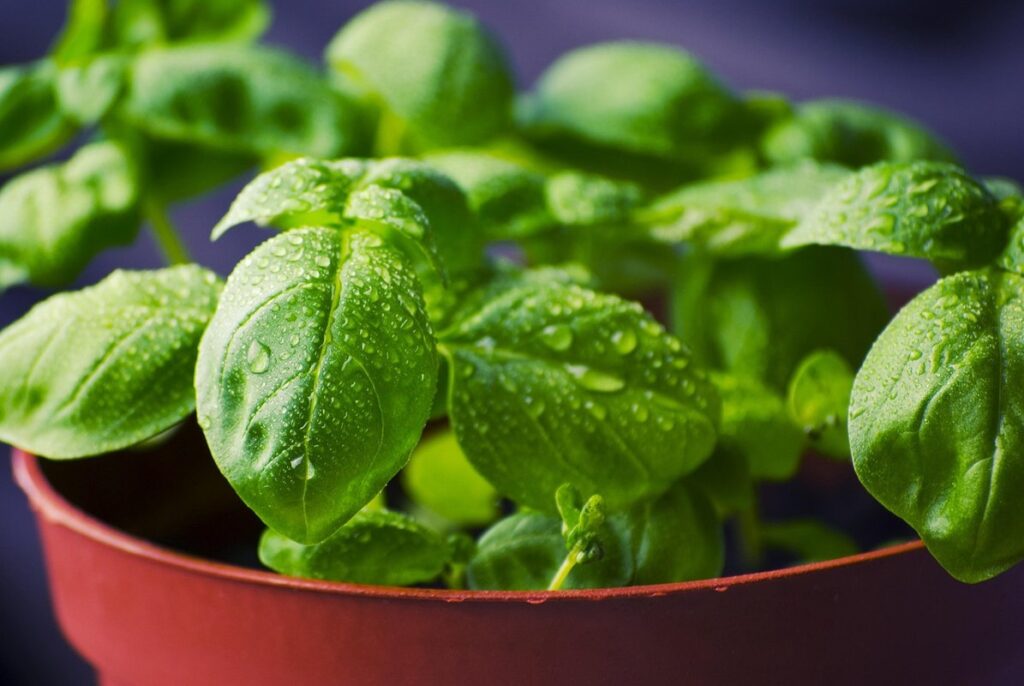
Understanding the Basics of Basil Cultivation
Before you dive into planting basil, it’s essential to understand its basic needs and requirements, including ideal temperatures and growing conditions. Let’s cover these fundamentals first.
Climate and Temperature Requirements
Basil is a warm-season crop that thrives in temperatures between 65°F (18°C) and 90°F (32°C). Daytime temperatures above 85°F (29°C) can be beneficial, but nighttime temperatures below 55°F (13°C) can damage the plant. Ideal growing conditions for basil are when daytime temperatures range from 75°F to 80°F (24°C to 27°C), with nighttime temperatures around 65°F to 70°F (18°C to 21°C).
Different climates significantly affect basil cultivation. In tropical regions, basil grows year-round, but in areas with mild winters, it can be grown as a perennial crop. In regions with frost, basil is usually grown as an annual crop and needs to be replanted every spring.
To grow basil successfully, you should choose a location that receives full sun (at least 6 hours of direct sunlight) and has well-draining soil. If your area experiences extreme temperature fluctuations, consider growing basil in containers or indoors, where the temperature can be controlled. Regularly monitoring the temperature and adjusting your care routine accordingly will help ensure optimal growth and flavor.
Soil Preparation and Type
Basil thrives in well-draining soil that’s rich in organic matter. This is because its roots prefer not to sit in waterlogged conditions, which can lead to root rot and other problems. When selecting a type of soil for your basil plants, look for mixes with high levels of perlite or sand – these will help excess moisture drain away quickly.
In addition to the right drainage properties, the soil should also have good aeration. This is where compost comes in handy. Adding a layer of rich, well-rotted compost to the soil can provide the necessary oxygen and nutrients for your basil plants to grow strong and healthy.
To prepare the soil for planting, start by loosening it to a depth of about 8 inches. Remove any weeds or debris that you find, and then rake in a general-purpose fertilizer according to the package instructions. This will give your basil plants a good boost when they’re first starting out.
Understanding Basil Life Cycle
Basil’s life cycle is a crucial aspect of understanding when to plant basil. It begins with seed germination, where seeds sprout and emerge from the soil within 7-14 days after planting. This stage requires optimal temperatures between 70°F to 80°F (21°C to 27°C) for successful germination.
As the seedlings grow, they enter the vegetative stage, where they focus on developing their root system and leaf growth. During this period, basil plants require consistent moisture, warmth, and adequate light to thrive. Pruning is essential to promote bushy growth and prevent legginess.
Basil reaches its mature stage when it has developed a robust stem and produced an abundance of leaves. This typically takes around 6-8 weeks from germination. At this point, basil plants are ready for harvesting, which can be done continuously to encourage new growth. Understanding the life cycle of basil helps you time plantings correctly, whether you’re growing in containers or directly in the garden.
Proper timing is key to successfully cultivating basil. Planting at the right stage ensures optimal growth and flavor development.
Determining the Best Time to Plant Basil in Your Region
To determine the perfect planting time for basil in your region, consider the last frost date and average temperature fluctuations throughout the year. This will help ensure a thriving crop.
Checking Local Frost Dates
Checking local frost dates is crucial when planning to plant basil in your area. You can start by visiting websites like the National Oceanic and Atmospheric Administration (NOAA) or the Old Farmer’s Almanac, which provide accurate and up-to-date frost date information for specific regions.
To find your local frost dates, simply enter your zip code or city and state into these websites’ search bars. This will give you a list of average last-frost dates for your area. Be sure to also check the average first-frost dates, as this can help you plan when to bring your basil plants inside before winter.
Remember that frost dates are averages, so it’s essential to stay flexible and keep an eye on local weather forecasts during the planting season. Even if a specific date has passed without frost, it’s not uncommon for late-season frosts to occur. Plan to plant basil outdoors after the last expected frost date in your area to ensure it has time to mature before winter sets in.
You can also consult with local nurseries or gardening experts for more specific advice tailored to your region and climate.
Understanding Microclimates and Soil Types
When you live in an area with varied geography and climate conditions, it’s essential to consider microclimates when determining the best time to plant basil. A microclimate is a localized region that has its unique temperature, humidity, and precipitation patterns due to natural or artificial features such as hills, valleys, bodies of water, or buildings.
For example, a north-facing slope in an otherwise sunny area can be much cooler than surrounding regions, making it more suitable for planting cool-season crops like basil. On the other hand, a south-facing slope may receive more direct sunlight and heat, extending the growing season but also increasing the risk of pests and diseases.
Different soil types also play a significant role in determining optimal planting times for basil. Soil pH, nutrient levels, and water-holding capacity can affect how well your basil plants will thrive. For instance, if you live in an area with alkaline soils (high pH), you may need to adjust the fertilizer application or choose a more tolerant variety of basil.
Using Online Resources for Planting Guidance
One of the most convenient ways to determine when to plant basil is by utilizing online resources that provide planting guidance based on your location and climate. Websites such as Old Farmer’s Almanac and Garden.org offer valuable information for gardeners, including specific planting dates tailored to their area.
To get started, enter your zip code or city in these websites’ search bars to obtain relevant data. For instance, according to the Old Farmer’s Almanac, for a region like New York City (zip code 10001), the last frost date typically falls around April 15th, which is ideal for planting basil outdoors. Conversely, for areas with warmer climates like Miami (zip code 33101), the planting window can be as early as February.
You can also leverage social media platforms and online forums where gardening communities share their expertise and experiences. Utilize hashtags related to your region or specific plant species to connect with others who might have valuable insights on how to grow basil successfully in your area.
Starting Basil Indoors vs. Direct Sowing
When deciding when to plant basil, you might be wondering whether it’s better to start seeds indoors or sow them directly into the garden. We’ll weigh the pros and cons of each approach.
Advantages of Indoor Sowing
Starting basil indoors offers several advantages over direct sowing. For one, it allows for earlier harvests. By beginning the germination process indoors, you can get a head start on the growing season and have fresh basil leaves available several weeks before direct-sown plants would be ready.
Another significant benefit of indoor sowing is better control over growing conditions. When starting seeds indoors, you can create an optimal environment for seedlings to develop, including precise temperature control, consistent humidity levels, and adequate light exposure. This means that your basil seedlings are less likely to suffer from pests or diseases that might be prevalent outdoors.
By giving your seedlings a strong start indoors, you’ll also reduce the risk of transplant shock when moving them outside. With proper care and attention, indoor-sown basil plants tend to establish themselves more quickly in their new environment.
Challenges of Indoor Sowing
Indoor sowing can be a delicate process when it comes to growing basil. One of the biggest challenges is maintaining optimal temperatures for seed germination and growth. Basil prefers warmer temperatures between 70-80°F (21-27°C) to germinate, but once established, it thrives in temperatures around 60-65°F (15-18°C). However, indoor spaces can quickly become overheated or drafty, leading to poor germination rates or weak seedlings.
Another critical factor is providing sufficient light. Basil needs direct sunlight for at least 4-6 hours a day, but indoor conditions often fall short of this requirement. To combat this, you can use grow lights specifically designed for seed starting. Place them about 6 inches above the soil to ensure the seedlings receive adequate light without overheating.
To overcome these challenges, consider using a propagation tray with built-in heating mats and LED grow lights. These specialized systems can provide consistent temperatures and optimal lighting conditions, making it easier to achieve successful indoor sowing results.
Direct Sowing: Pros and Cons
Direct sowing basil outdoors can be a straightforward and efficient way to get started with growing this popular herb. One of the main advantages is that it allows you to skip the process of hardening off seedlings, which can be time-consuming and requires specific conditions.
However, direct sowing also comes with its own set of challenges. For one, basil seeds can be slow to germinate, often taking 7-10 days to emerge from the soil. This can make it difficult to get a head start on the growing season, especially if you’re planning to harvest your basil in the early summer months.
Additionally, direct sowing makes your plants more susceptible to pests and diseases that thrive in outdoor environments. Common issues include aphids, whiteflies, and powdery mildew, which can quickly spread and decimate an entire crop. To mitigate these risks, be sure to plant basil seeds in well-draining soil and choose a location with good air circulation.
It’s also essential to keep an eye out for signs of stress or infestation, such as yellowing leaves or sticky residue on the plants. If you do encounter any issues, act quickly by applying organic pest control methods or treating your plants with fungicides if necessary.
Tips for Extending the Basil Season
Now that you’ve got a thriving basil crop, learn how to coax even more growth out of your plants and keep them producing fresh leaves all season long.
Companion Planting Strategies
Companion planting is an excellent way to promote healthy growth and prevent pests when growing basil. By strategically pairing basil with other plants, you can create a balanced ecosystem that benefits both the basil and the surrounding plants.
Some of the best companion plants for basil include marigolds, which repel nematodes that can harm basil roots, and mint, which improves air circulation around the plant. Chives, on the other hand, can help to deter aphids and other pests that target basil leaves. You can also try pairing basil with oregano or thyme, as these herbs have natural oils that repel pests.
To implement companion planting effectively, start by selecting a location for your basil plants that receives plenty of sunlight and has well-draining soil. Plant the companion plants alongside the basil, taking care not to overcrowd the area. As the season progresses, keep an eye out for signs of pest or disease issues, and be prepared to make adjustments as needed.
By incorporating these companion planting strategies into your garden, you can extend the life of your basil plants and enjoy a healthier, more productive harvest.
Pruning and Harvesting Techniques
Regular harvesting is essential for maintaining basil’s flavor and fragrance. Pinch off flower buds as soon as they appear to direct energy towards leaf growth. Harvest individual leaves or stems by pinching them between your thumb and index finger, taking care not to damage the plant. For larger quantities, cut the entire stem just above a node, making sure each cutting has at least two sets of leaves.
To encourage bushy growth, pinch off the tip of the main stem when the plant reaches 6-8 inches tall. This technique promotes branching and increases yields. Regular pruning also helps prevent basil from flowering, which can lead to seed production and a decline in leaf quality. When harvesting, avoid cutting more than one-third of the plant’s foliage at a time to ensure it continues producing new growth.
Some gardeners prefer to harvest their basil by taking off the top sets of leaves, leaving a small bunch of leaves intact. This method allows for continued leaf production while maintaining the plant’s appearance. By adopting these pruning and harvesting techniques, you’ll be able to enjoy fresh, fragrant basil throughout its growing season.
Overwintering Methods
If you live in an area with a moderate climate, you can try to extend the basil season by overwintering it. This involves protecting the plant from harsh winter conditions and bringing it back to life when temperatures rise again.
One popular method is to bring potted basil plants indoors during the fall. Choose a bright location with plenty of indirect sunlight, and keep the soil consistently moist but not waterlogged. You can also prune your basil regularly to encourage new growth and prevent legginess. This will help your plant thrive indoors over the winter months.
Another option is using a cold frame or unheated greenhouse to provide protection from frost and wind. These structures allow for some light and air circulation while keeping the chill off, creating an ideal environment for overwintering basil. You can also build a simple cold frame using recycled materials like old windows or wooden frames.
In either case, it’s essential to harden off your basil plants before bringing them indoors or placing them in a cold frame. This involves gradually exposing them to outdoor conditions over the course of 7-10 days to prevent shock and ensure they can adapt to their new environment.
Frequently Asked Questions
How can I determine my region’s ideal planting time for basil based on its life cycle?
Basil plants have a relatively short life cycle, typically lasting between 6-12 weeks. Knowing your area’s last frost date and average temperature fluctuations will help you plan when to plant. Use online resources like USDA Plant Hardiness Zone Finder or consult local nurseries for guidance on planting times specific to your region.
What are some common mistakes to avoid when starting basil indoors versus direct sowing?
When starting basil indoors, avoid overwatering, which can lead to root rot. For direct sowing, ensure the soil is not too compacted and has good drainage to prevent waterlogged conditions. Also, be mindful of temperature fluctuations that can stress young plants.
Can I still grow basil in areas with frequent rain or high humidity?
While excessive moisture can promote fungal diseases, there are ways to adapt. Choose varieties resistant to these issues, like ‘Thai Basil’ or ‘Lemon Basil’. Implement proper air circulation and ensure good drainage by adding organic matter to the soil. Monitor your plants closely for signs of disease.
How do I extend the basil season in regions with shorter growing seasons?
Use techniques like succession planting (sowing new seeds every 1-2 weeks) and pruning to encourage bushy growth and prevent flowering, which can prolong the harvest period. You can also try overwintering methods, such as bringing plants indoors or protecting them from frost using mulch or row covers.
Can I grow basil in containers on a balcony or patio if I don’t have garden space?
Yes! Container gardening is an excellent option for those with limited space. Choose containers with good drainage and use well-draining potting mix to prevent waterlogged soil. Ensure your container receives at least 4-6 hours of direct sunlight daily, and keep the temperature between 65°F (18°C) and 90°F (32°C).