
Are you eager to grow perfect cauliflower heads in your garden? One crucial factor determines the success of this process: timing. When to plant cauliflower can be a bit tricky, as it depends on your region’s climate and specific growing conditions. If you’re unsure about when to sow those seeds or transplant seedlings, don’t worry – we’ve got you covered! In this comprehensive guide, we’ll walk you through the best time to plant cauliflower in your area, considering factors like climate, soil quality, and even variety selection. From understanding how temperature affects growth to knowing when to harvest, our expert tips will ensure a bountiful cauliflower harvest that exceeds your expectations. Get ready to discover the secrets of growing flawless cauliflower with ease!
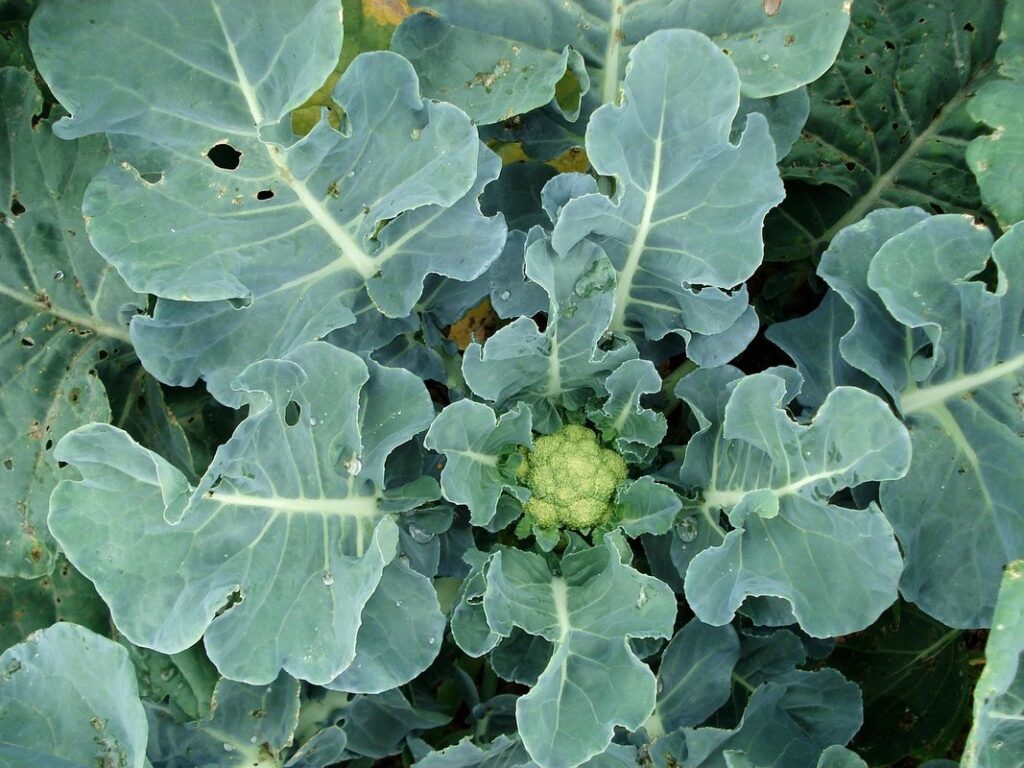
Choosing the Right Climate and Soil Conditions
When deciding when to plant cauliflower, understanding the ideal climate and soil conditions is crucial for a successful harvest. This section will help you determine what makes your garden a perfect spot for this versatile vegetable.
Understanding Cauliflower’s Temperature Requirements
Cauliflower thrives best in cooler temperatures, typically ranging from 60°F to 70°F (15°C to 21°C). This optimal temperature range allows the plant to grow steadily and develop its signature white florets. However, extreme heat or cold can significantly impact cauliflower growth.
If the temperature rises above 75°F (24°C), cauliflower may bolt – a condition where the plant focuses energy on producing seeds instead of developing edible buds. In contrast, prolonged exposure to temperatures below 50°F (10°C) can cause the plant to become stunted and more susceptible to pests and diseases.
To give your cauliflower crop the best chance at success, consider planting it in early spring or late summer/early fall when the weather is generally cooler. If you’re planting in warmer climates, choose a shade-tolerant variety or provide afternoon shade for optimal growth. By understanding and catering to cauliflower’s temperature requirements, you’ll be well on your way to growing a healthy and bountiful harvest.
Preparing Your Soil for Cauliflower Planting
Cauliflower is a cool-season crop that thrives in well-draining, fertile soil with a pH between 6.0 and 7.0. If you’re planning to grow cauliflower, it’s essential to test your soil to determine its nutrient levels and pH. You can purchase a DIY soil testing kit or send a sample to a laboratory for analysis.
If your soil tests show low levels of nitrogen, phosphorus, or potassium, amend it with organic matter like compost or manure. Add 2-3 inches of compost to the top 6-8 inches of soil and mix well. You can also use balanced fertilizers like 10-10-10 NPK, following the manufacturer’s instructions.
To improve drainage, incorporate perlite, vermiculite, or sand into your soil. Aerate your soil by loosening it with a fork to a depth of 8-10 inches. This will help water penetrate evenly and reduce root rot. By testing and amending your soil, you’ll create an ideal environment for cauliflower growth. Regularly check your pH levels and adjust as necessary to ensure optimal growth.
Determining the Best Time to Plant Cauliflower in Your Region
To determine when to plant cauliflower in your area, you’ll want to consider your region’s specific climate and growing season. This will help ensure a healthy harvest.
Understanding Spring and Fall Planting Seasons
When planting cauliflower, it’s essential to consider the optimal seasons for growth. In regions with mild winters and cool summers, early spring (usually around late March to early May) is an excellent time to plant cauliflower. During this period, temperatures are typically between 60-70°F (15-21°C), providing ideal conditions for cauliflower development.
Planting in early spring allows the crop to avoid heat stress, which can be detrimental during peak summer months. Cauliflower prefers cooler temperatures and may bolt or become discolored when exposed to excessive heat. By planting in the spring, you’ll enjoy a longer growing season and better yields.
In regions with hot summers, late summer/early fall (around August to September) is another suitable time for cauliflower planting. The weather has cooled down, reducing the risk of heat stress, and daylight hours are shorter, promoting more even growth. When planning your spring or fall planting schedule, be sure to check local frost dates for your area. This will help you avoid planting too early, which can lead to damage from late frosts.
Regional Variations: Northern vs. Southern Hemisphere Gardening
As we’ve discussed the ideal planting times for cauliflower based on your location and climate zone, it’s essential to consider regional variations. The most significant difference between northern and southern hemisphere gardens lies in their opposing seasonal patterns.
In the Northern Hemisphere, where most of Europe, North America, and Asia are located, spring typically arrives with temperatures gradually warming up after a cold winter. Conversely, autumn brings a cooling trend before the harsh winter sets in. This pattern means that cauliflower is usually planted in early spring or late summer/early fall to ensure optimal growth.
In contrast, the Southern Hemisphere regions, such as Australia, New Zealand, and parts of South America, experience opposite seasonal patterns. Spring arrives with warmer temperatures after a mild winter, while autumn brings cooler temperatures before the cold winter sets in. For these regions, cauliflower is typically planted in late summer or early fall to coincide with the region’s spring growth period.
When determining your specific planting schedule, consider the average frost dates and last freeze dates for your area. In general, it’s best to plant cauliflower 8-10 weeks before the first frost date in the Northern Hemisphere and 10-12 weeks after the last frost date in the Southern Hemisphere.
Selecting the Right Variety for Your Climate and Growing Conditions
Choosing the right cauliflower variety is crucial, as it must thrive in your specific climate and growing conditions to ensure a bountiful harvest. Let’s explore how to make this selection.
Understanding Different Types of Cauliflower
When it comes to planting cauliflower, choosing the right variety is crucial. Not only will it affect the quality of your crop, but also its ability to thrive in your specific climate and growing conditions.
There are several popular types of cauliflower that you may come across, including ‘Snow Crown’, ‘Cassius’, and ‘Violet of Sicily’. Each has its unique characteristics that set them apart from one another. For instance, ‘Snow Crown’ is known for its rapid maturation time, taking as little as 55 days to reach harvest. On the other hand, ‘Cassius’ boasts an impressive disease resistance package, making it a great choice for areas with high humidity.
If you’re looking to add some color to your garden, consider growing ‘Violet of Sicily’, which produces vibrant purple florets. This variety also has a slightly longer maturation time, taking around 65 days to harvest. Regardless of the type you choose, be sure to select seeds that are suitable for your climate and region.
When selecting a cauliflower variety, it’s essential to consider factors such as temperature tolerance, moisture requirements, and resistance to pests and diseases. This will ensure that your crop receives the best possible start in life, ultimately resulting in a bountiful harvest.
Choosing a Variety Suitable for Your Local Climate
Choosing the right variety of cauliflower is crucial for success, especially when considering your local climate. Different climates can have a significant impact on cauliflower growth, and selecting a suitable variety will help ensure a healthy and productive harvest.
Temperature tolerance is one key factor to consider. For cooler climates, look for varieties that mature quickly (around 50-60 days) and are tolerant of temperatures as low as 40°F (4°C). Some popular choices for cool-season cauliflower include ‘Snow Crown’, ‘White Dot’, and ‘Self-Blanch’. In warmer climates, choose varieties that mature more slowly (70-80 days) and can tolerate higher temperatures up to 75°F (24°C).
Moisture requirements are also essential. Cauliflower needs consistent moisture, especially during the critical growth stage. If your area experiences drought or high rainfall, consider varieties with built-in disease resistance, such as ‘Graffiti’ or ‘Romance’. Additionally, be mindful of pest susceptibility and choose varieties that are resistant to common cauliflower pests like aphids and whiteflies.
Ultimately, research local nurseries, extension offices, or online forums for specific recommendations tailored to your climate. Consult the seed packet or talk to a knowledgeable gardener to ensure you’re selecting a variety that will thrive in your area.
Preparing the Soil and Planting Cauliflower Seeds or Seedlings
To get started, you’ll need to prepare your soil and choose between direct sowing cauliflower seeds or transplanting seedlings into individual spaces. Let’s dive in!
Soaking Seeds for Optimal Germination
Soaking seeds for optimal germination is an essential step in growing healthy cauliflower plants. To start, make sure you’re using fresh seeds, as older seeds can have lower germination rates. Store your seeds properly by keeping them in a cool, dry place or in the refrigerator to maintain their viability.
To soak your cauliflower seeds, fill a container with water and add 1-2 tablespoons of apple cider vinegar or lemon juice for every cup of water. This will help break down the seed coat and soften it, making it easier for the embryo to emerge. Place the seeds in the water and let them soak for 24 hours before planting.
After soaking, gently scrub the seeds with your fingers to remove any remaining seed coat. Then, plant the seeds about ¼ inch deep and 2-3 inches apart in a well-draining potting mix. Make sure the soil is moist but not waterlogged to promote healthy germination. By following these simple steps, you’ll be able to optimize your cauliflower seed’s chances of successful germination.
Transplanting Cauliflower Seedlings: Tips and Tricks
Transplanting cauliflower seedlings can be a delicate process, but with the right approach, you can minimize shock and ensure a successful transition to their new home. When transplanting seedlings into larger containers or directly into the garden bed, make sure to handle them gently to avoid damaging their roots.
To prepare your seedlings for transplanting, water them thoroughly the day before to make the soil easier to handle. Then, dig a hole in the new location that’s about twice as wide and just as deep as the seedling’s root ball. Gently place the seedling in the hole, making sure its crown (where the stem meets the leaves) is level with the surrounding soil.
To reduce transplant shock, you can also acclimate your seedlings to their new environment by placing them outdoors in a shaded area for 1-2 hours before transplanting. This will help them adjust to direct sunlight and wind conditions.
Caring for Your Cauliflower Crop Throughout Its Life Cycle
Now that you’ve planted your cauliflower, it’s essential to provide proper care throughout its life cycle to ensure a healthy and bountiful harvest. This section will guide you through the specific needs of your crop at each stage.
Watering and Moisture Requirements
Cauliflower requires consistent moisture levels throughout its growing season to produce high-quality heads. If the soil is too dry for an extended period, it can lead to drought stress, causing the plant to bolt and reducing yields.
To prevent overwatering, ensure good drainage by adding organic matter such as compost or manure to improve soil structure. Water your cauliflower plants deeply once or twice a week, depending on weather conditions. Aim to provide about 1-2 inches of water per week through rainfall or irrigation.
Underwatering can also be detrimental, causing the plant to become stressed and more susceptible to pests and diseases. Check the soil moisture by inserting your finger into the soil up to the first knuckle; if it feels dry, it’s time to water.
Avoid getting water on the leaves to prevent fungal diseases from developing. Instead, focus on watering at the base of the plant. Monitor your cauliflower crop closely, especially during hot and dry spells, and adjust your watering schedule accordingly.
Pest and Disease Management
Cauliflower crops are susceptible to various pests and diseases that can significantly impact yields and quality. Common issues include aphids, whiteflies, and club root disease, which thrive in warm temperatures and high humidity. Aphids, for instance, feed on sap, causing curled or distorted leaves, while whiteflies spread plant viruses as they feed. Club root disease, caused by a soil-borne fungus, stunts plants and leads to bulb deformation.
To manage these problems, adopt organic and integrated pest management (IPM) strategies. Start by maintaining a clean growing area, removing weeds that can harbor pests and diseases. Use physical barriers or fine mesh to prevent aphid and whitefly infestations. Introduce beneficial insects like ladybugs or lacewings, which prey on aphids and other pests. For club root disease prevention, rotate cauliflower crops with non-host plants like broccoli or kale, and use fungicides only as a last resort.
Monitor your crop regularly for signs of pest or disease issues, taking prompt action to prevent infestations from spreading. With vigilance and these proactive strategies, you can minimize the impact of pests and diseases on your cauliflower crop.
Harvesting Cauliflower: Tips for Maximizing Flavor and Quality
Now that you know when to plant cauliflower, let’s dive into the best ways to harvest it at its peak flavor and quality. Proper harvesting techniques can make all the difference in your crop’s success.
Determining Optimal Maturity
Checking for optimal maturity is crucial when harvesting cauliflower to ensure maximum flavor and quality. The ideal time to harvest depends on various factors, including head size, color, and texture. Begin by inspecting the cauliflower’s head for fullness and symmetry. A mature head should be firm, compact, and densely packed with tightly closed florets.
Next, check the color of the curds (the individual florets). They should be a vibrant white or pale yellow, depending on the variety. If they appear pale or washed out, it may indicate over-maturity. On the other hand, if they’re too green, it could mean the cauliflower is not yet mature.
Gently touch the head to assess its texture. A mature head will yield slightly to pressure but should still feel firm. Avoid squeezing too hard, as this can damage the delicate florets. If in doubt, wait a few more days and recheck for optimal maturity. Harvesting at the right time is key to enjoying cauliflower that’s bursting with flavor and aroma.
Storage and Handling Techniques
Proper storage and handling techniques are crucial to maintaining the freshness and quality of harvested cauliflower. When storing fresh cauliflower, it’s essential to keep it away from direct sunlight, heat sources, and moisture. Refrigeration is the best method for short-term storage; wrap the head tightly in plastic or aluminum foil and place it in a sealed container to maintain humidity.
To prevent moisture buildup and subsequent spoilage, check on the cauliflower regularly during storage. If you notice any signs of decay, remove the affected area promptly to prevent the spread of mold. For longer-term storage, consider freezing. Blanch the cauliflower in boiling water for 2-3 minutes, then immediately plunge it into an ice bath to stop cooking. Freeze the cooled cauliflower in airtight containers or freezer bags, making sure to label and date them.
When transporting cauliflower from the field to storage or market, handle it gently to avoid bruising or damage. Keep the heads upright and secure them with soft materials like paper towels or newspaper to prevent movement during transport. By following these simple guidelines, you can ensure your harvested cauliflower remains fresh and of high quality for an extended period.
Troubleshooting Common Cauliflower Growing Issues
Even experienced gardeners can encounter problems when growing cauliflower, which is why we’re covering common issues and their solutions here. Let’s get your cauliflower crop back on track.
Identifying Common Problems and Solutions
One of the most frustrating experiences for cauliflower growers is encountering common issues that can be challenging to overcome. Poor germination rates, fungal diseases, and pest infestations are just a few of the problems that can arise.
To tackle these challenges, let’s start with poor germination rates. This issue often stems from inadequate soil moisture or temperature fluctuations. Ensure you’re providing your cauliflower seedlings with consistent moisture levels and maintaining a temperature between 65°F to 70°F (18°C to 21°C) for optimal germination.
Fungal diseases such as club root, downy mildew, or powdery mildew are often the result of excessive moisture, poor air circulation, or contaminated soil. Implement crop rotation, maintain adequate spacing between plants, and ensure proper drainage in your cauliflower bed.
Pest infestations like aphids, slugs, or caterpillars can also devastate a cauliflower crop. Use organic pest control methods such as neem oil, row covers, or introducing beneficial insects to the area.
Conclusion: Tips for Successful Cauliflower Cultivation
In conclusion, growing cauliflower can be a rewarding experience, but it requires attention to detail and adaptation to specific climate and region requirements. Throughout this comprehensive guide, we’ve discussed the importance of timing when planting cauliflower, from choosing the right variety for your area to addressing common issues that may arise.
To ensure successful cauliflower cultivation, remember these key takeaways: plant cauliflower in the early spring or late summer/early fall, depending on your climate; provide optimal growing conditions, including well-draining soil and full sun to partial shade; keep the soil consistently moist but not waterlogged. Be prepared to adapt your techniques based on specific regional requirements – for instance, if you live in an area with high humidity, be mindful of potential fungal diseases.
Finally, here’s a quick checklist to ensure a bountiful cauliflower harvest:
* Choose a suitable variety for your climate and region
* Plant at the right time (early spring or late summer/early fall)
* Provide optimal growing conditions
* Monitor soil moisture levels and adjust as necessary
* Be prepared to adapt techniques based on specific regional requirements
By following these guidelines and being mindful of your local climate, you’ll be well on your way to successfully cultivating cauliflower in no time.
Frequently Asked Questions
Can I plant cauliflower in the fall if my region has a mild winter?
Yes, cauliflower can thrive in cooler temperatures, making it suitable for fall planting. However, ensure your last frost date has passed and the temperature remains consistent between 60°F to 70°F (15°C to 21°C) for optimal growth.
How often should I water cauliflower seedlings after transplanting?
Water cauliflower seedlings regularly, providing about 1-2 inches of water per week. Aim to keep the soil consistently moist but not waterlogged, especially during the first few weeks after transplanting. Be cautious not to overwater, as this can lead to root rot and other issues.
What are some common pests that target cauliflower crops?
Cauliflower is susceptible to aphids, whiteflies, and cabbage moths. Regularly inspect your plants for signs of infestation and use organic pest control methods whenever possible. Keep your garden free from weeds, which can attract pests and reduce cauliflower yields.
Can I grow cauliflower in containers or must it be planted directly in the ground?
Cauliflower can thrive in containers, but ensure they are at least 6-8 inches deep to accommodate the plant’s mature root system. Use a well-draining potting mix and maintain consistent soil moisture levels. Keep your container-grown cauliflower in a location with full sun and suitable temperature conditions.
How long does it take for cauliflower to mature after transplanting seedlings?
Cauliflower typically takes around 50-70 days to mature from sowing seeds or transplanting seedlings, depending on the specific variety and growing conditions. Monitor your plants closely, and once they reach optimal maturity (usually when the florets are fully formed), harvest them promptly to prevent over-maturity and bolting.