
Are you tired of waiting weeks for your lettuce crop to mature only to be left with a bunch of sad, wilted leaves? Do you wish you could have a continuous supply of fresh, crunchy lettuce right in your own backyard? Succession planting is the answer! By establishing a continuous harvest system, you can enjoy a steady supply of lettuce throughout the growing season. But how do you make it work? In this article, we’ll explore the ins and outs of succession planting lettuce, from preparing the perfect soil to companion planting and managing pests. We’ll also share tips on how to space your crops for maximum yield and minimize waste. By the end of this guide, you’ll be well on your way to growing a year-round supply of delicious, fresh lettuce.
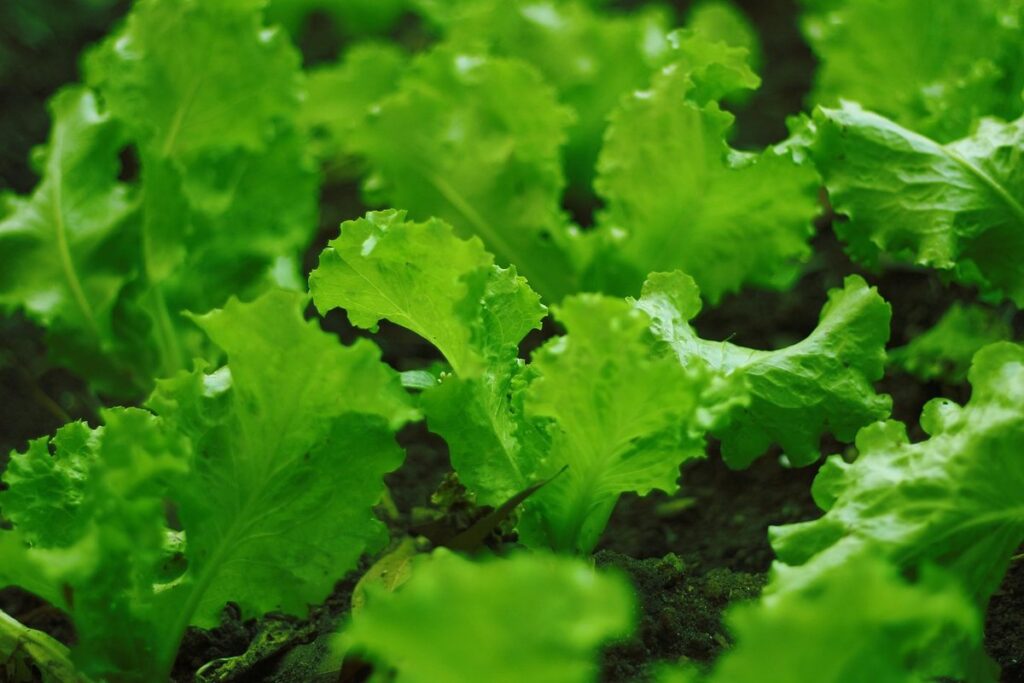
Understanding Succession Planting
Succession planting is a key concept in growing lettuce continuously, and in this section we’ll break down what it entails and how to make it work for you. We’ll explore its benefits and strategies for implementing it effectively.
What is Succession Planting?
Succession planting is a simple yet effective technique that ensures a continuous supply of fresh lettuce throughout the growing season. In essence, it involves planting new crops at regular intervals to replace those that have been harvested, thereby maintaining a steady flow of production without depleting soil nutrients or promoting pest and disease buildup. This approach has numerous benefits for gardeners, particularly when it comes to lettuce crops.
By practicing succession planting, you can enjoy a continuous harvest of healthy, delicious lettuce, rather than having to wait weeks or even months between plantings. Continuous harvesting also plays a crucial role in maintaining a healthy crop rotation. When crops are harvested regularly, they allow other plants to grow and mature without competition for resources like light, water, and nutrients. This helps maintain soil fertility, reduces pest pressure, and promotes biodiversity – all essential components of a thriving garden ecosystem.
In the case of lettuce, this means planting every 1-2 weeks, depending on the variety and growing conditions.
Benefits of Succession Planting Lettuce
When you practice succession planting lettuce, you’re essentially growing multiple crops of lettuce back to back. This strategy ensures a steady supply of fresh lettuce leaves throughout the entire growing season. With each new crop maturing, you can enjoy a continuous harvest without having to worry about gaps in production.
By using this technique, you’ll notice several benefits for your lettuce plants. For one, succession planting helps reduce crop stress caused by intense heat or dry spells during peak growth periods. This reduced stress also translates into improved disease resistance and a more robust plant overall.
As an added bonus, succession planting can lead to increased yields due to the continuous nutrient uptake from the soil without allowing it to deplete between plantings. The result is healthier, more productive plants that thrive throughout their lifespan. By spreading out your lettuce crops, you’ll be enjoying fresh, homegrown salads for months on end!
Choosing the Right Lettuce Varieties
When selecting lettuce varieties for your succession planting, consider factors like climate suitability, growth rate, and disease resistance to ensure a continuous harvest. Let’s explore some popular options together!
Selecting Lettuce Varieties for Succession Planting
When selecting lettuce varieties for succession planting, it’s essential to consider their key characteristics. You want to choose varieties that mature quickly, have a compact growth habit, and are tolerant of temperature fluctuations. This will ensure continuous harvests throughout the growing season.
Look for lettuce varieties with days to maturity between 40-60 days. Some popular options include ‘Red Salad Bowl’, ‘Green Oakleaf’, and ‘Buttercrunch’. These varieties grow relatively quickly and can be harvested in as little as 30-40 days. Consider also ‘Summer Crisp’ and ‘Loose Leaf Romaine’, which have a more compact growth habit, making them ideal for succession planting.
In terms of temperature tolerance, choose varieties that can withstand light frosts and heat waves. Some lettuce varieties are bred to be more heat-tolerant than others, so check the specific growing conditions recommended by the seed supplier. By selecting lettuce varieties with these characteristics, you’ll be well on your way to achieving continuous harvests with your succession planting system.
Considerations for Leafy Greens and Romaine Lettuce
When it comes to succession planting lettuce, understanding the unique requirements of different varieties is crucial. Leafy greens like loose-leaf lettuce and romaine lettuce have distinct needs when it comes to care and harvesting.
Leafy greens are more forgiving than romaine lettuce when it comes to spacing and watering. They can be planted closer together and require less maintenance in terms of soil moisture. However, they do require more frequent harvesting to prevent them from flowering and going to seed. Typically, loose-leaf lettuce is ready to harvest in as little as 20 days, making it an ideal choice for succession planting.
Romaine lettuce, on the other hand, requires more precise spacing and watering conditions. It’s also more prone to bolting (going to seed) if not harvested regularly. Romaine lettuce typically takes around 40-50 days to mature, which can make it a bit more challenging to incorporate into a succession planting schedule.
To ensure continuous harvests with romaine lettuce, it’s essential to stagger plantings every week or two, depending on the specific variety and weather conditions. This will allow you to have a steady supply of lettuce throughout the growing season.
Preparing Your Garden for Succession Planting
Now that you’ve learned the basics of succession planting, it’s time to get your garden ready for a continuous harvest. In this next step, we’ll cover how to prepare your garden for optimal growth and productivity.
Soil Preparation for Continuous Harvests
Preparing your soil is an essential step in achieving continuous harvests with succession planting. A well-draining mix is crucial to prevent waterlogged conditions that can lead to root rot and other diseases. To create a suitable blend, combine 40-50% peat moss or coconut coir with perlite or vermiculite. This mix will allow excess water to drain freely while retaining moisture in the soil.
Maintaining adequate nutrient levels is also vital for healthy lettuce growth. Incorporate compost or well-rotted manure into your soil to provide a balanced fertilizer. You can also use organic fertilizers like fish emulsion or seaweed extract to give your plants an extra boost.
To control pests and diseases, practice crop rotation and keep your garden free from weeds. Regularly inspect your plants for signs of infestation or disease, and take action promptly if you notice any issues. For example, if you spot aphids on your lettuce leaves, use neem oil or insecticidal soap to control the population.
By following these tips, you’ll be able to create a healthy environment that will support continuous harvests with succession planting. Remember to monitor your soil conditions regularly and make adjustments as needed to ensure optimal growth.
Companion Planting Strategies for Lettuce
Companion planting with lettuce is an excellent strategy to promote healthy growth and continuous harvests. By introducing compatible plants alongside lettuce, you can create a balanced ecosystem that reduces pest pressure, enhances flavor profiles, and even speeds up growth rates. For instance, planting basil near lettuce not only repels pests but also adds a burst of fresh flavor to your salads.
Other beneficial companions for lettuce include:
* Radishes: These fast-growing roots deter cucumber beetles, which are known to target lettuce leaves.
* Chives: Their onion-like scent deters aphids and other pests that target lettuce.
* Nasturtiums: These colorful flowers attract beneficial insects that prey on common lettuce pests.
When selecting companion plants for your lettuce crop, consider their growth habits and space requirements. Plant taller companions like nasturtiums or sunflowers behind the lettuce to avoid shading it out. By incorporating these strategic pairings into your succession planting plan, you’ll be well on your way to enjoying a continuous harvest of crisp, delicious lettuce all season long.
Planting and Caring for Succession Lettuce
Now that you’ve got your lettuce seeds sown, it’s time to learn how to care for them throughout their growing cycle, ensuring a continuous supply of fresh greens. This section will cover essential tips and tricks for nurturing your succession lettuce crop.
Timing and Spacing for Continuous Harvests
When it comes to timing and spacing for continuous harvests of succession lettuce, careful planning is key. To maintain a steady supply of fresh leaves, you’ll want to plant successive crops at regular intervals, allowing each crop to mature before the next one is planted.
For most varieties of lettuce, this means planting new seeds every 1-2 weeks during the growing season. This staggered approach not only ensures a continuous harvest but also helps to maintain soil health by avoiding over-reliance on any one particular nutrient or pest attractant.
To space successive crops correctly, consider these general guidelines: plant each crop in a separate bed or container, allowing at least 4-6 inches of space between the new seeds and the previous crop. This will prevent overcrowding, which can lead to reduced yields and increased susceptibility to disease. By staggering your plantings and rotating through different beds or containers, you’ll not only keep your lettuce crops healthy but also ensure that each crop has access to a balanced mix of nutrients and water.
Techniques for Successful Lettuce Harvests
For continuous lettuce harvests, you’ll want to focus on regular trimming and maintaining the health of your plants. This means gently pinching off the center leaves as they mature, rather than harvesting the entire head at once. By doing so, you encourage the plant to produce new growth from the outer leaves.
Recognize signs of over-maturity by looking for yellowing or browning edges on the leaves, as well as a general decline in crispness and flavor. For Romaine and loose-leaf varieties, it’s essential to harvest individual leaves before they reach this stage. Pinch off any flower stalks that form at the plant’s center, as these will divert energy from leaf production.
To maintain lettuce freshness after harvesting, store it in a sealed container or plastic bag with some air pockets, kept chilled and moist. For longer-term storage, consider washing and drying the leaves before placing them in an airtight container or freezer bag. Proper handling can help extend the shelf life of your freshly harvested lettuce for up to 5-7 days.
Troubleshooting Common Issues in Succession Planting
Don’t let pests, diseases, and other setbacks sabotage your succession planting lettuce harvest! We’ll walk you through common issues to watch out for and how to fix them.
Identifying Pests and Diseases Affecting Lettuce
When succession planting lettuce, it’s not uncommon for gardeners to encounter pests and diseases that can impact yields and flavor. Identifying common culprits early on is crucial for maintaining a healthy crop.
Aphids are one of the most prevalent pests affecting lettuce. These tiny insects feed on sap, causing curled or distorted leaves. To prevent infestations, introduce beneficial insects like ladybugs or lacewings into your garden, and use neem oil or insecticidal soap as a last resort. For existing infestations, spray soapy water to dislodge aphids.
Slugs are another problem for lettuce crops, particularly in moist environments. Use copper tape around planters or mulch around the base of plants to deter slugs. Hand-picking at night is also an effective method. Regularly inspect your crop and be on the lookout for small holes or chewed leaves.
Diseases like downy mildew (Bremia lactucae) and powdery mildew (Erysiphe cichoracearum) are common in warm, humid conditions. Monitor your plants regularly for yellowing leaves or a white, powdery coating. Remove infected leaves to prevent the spread of disease, and use copper-based fungicides as a last resort.
Prevention is key when it comes to pests and diseases. Ensure good air circulation, water wisely, and rotate crops seasonally to reduce the risk of infestation.
Managing Weather-Related Challenges
Weather can be unpredictable and extreme conditions can impact lettuce crops during succession planting. Lettuce is sensitive to temperature fluctuations, and excessive heat can cause bolting, while cold snaps can lead to damage or death of the crop. Similarly, heavy rainfall can result in waterlogged soil, causing roots to rot and reducing yields.
To mitigate these impacts, it’s essential to monitor weather forecasts closely. If a hot spell is predicted, consider providing shade for your lettuce plants using row covers or shade cloth. This can help prevent bolting and maintain a healthy crop.
On the other hand, if heavy rainfall is forecasted, ensure that your soil has good drainage. Add organic matter like compost to improve soil structure and aid in water absorption. You can also use mulch to retain moisture and suppress weeds.
Additionally, be prepared for cold snaps by using techniques such as ‘hilling,’ where you mound soil around the base of the plants, or covering the crop with row covers to protect it from frost damage. By being proactive and adapting your strategies according to weather conditions, you can maintain a healthy lettuce crop and ensure continuous harvests throughout the season.
Tips for Scaling Up Succession Planting
Now that you’ve mastered the basics of succession planting lettuce, it’s time to think bigger: how can you scale up your harvests without sacrificing flavor and quality? We’ll share our top tips for maximizing continuous yields.
Expanding Your Garden with Continuous Harvests
As you continue to refine your succession planting skills, you’ll likely want to expand your garden to accommodate more lettuce varieties and continuous harvests. To do this effectively, consider optimizing space by implementing a mixed crop system. This involves intercropping different types of lettuce, as well as other leafy greens like kale or spinach, which have similar growing requirements and can be harvested simultaneously.
To maximize resources, think vertically. Use trellises, arbors, or wall-mounted planters to increase the yield per square foot in your garden. You can also utilize raised beds or grow bags to improve soil quality and reduce water waste.
When expanding your operation, it’s essential to maintain the integrity of your continuous harvest system. This means ensuring that you have a steady supply of seedlings ready for transplanting and implementing a regular harvesting schedule. By doing so, you’ll be able to enjoy a consistent crop without compromising the overall health of your garden.
Integrating Technology for Efficient Succession Planting
Integrating technology into your succession planting lettuce operation can significantly boost efficiency and productivity. Consider adopting hydroponics, which allows for precise control over nutrient delivery, reducing waste and increasing yields. Automated irrigation systems also eliminate the risk of human error, ensuring that your crops receive exactly what they need when they need it.
Another tech-enhanced approach is using climate-controlled greenhouses, which enable you to precisely regulate temperature, humidity, and light levels. This precision farming technique can increase crop growth rates by up to 30% compared to traditional soil-based systems. Furthermore, implementing sensor-enabled monitoring systems helps track environmental conditions in real-time, allowing for quick adjustments to optimize growth.
When selecting technology for your succession planting operation, consider the specific needs of lettuce crops, which require consistent moisture levels and moderate temperatures. Look into using precision irrigation timers that can adapt to changing weather patterns or crop water requirements. With these tools at hand, you’ll be able to maintain optimal growing conditions, reduce labor costs, and enjoy uninterrupted harvests throughout the season.
Frequently Asked Questions
How often should I harvest lettuce to maintain a continuous supply?
Harvesting lettuce regularly is crucial for maintaining a continuous supply. As a general rule, aim to harvest every 1-2 weeks during the peak growing season. This will encourage new growth and prevent the crop from flowering or becoming too bitter.
Can I use the same soil for multiple succession plantings without depleting its nutrients?
While lettuce can be grown continuously in the same bed, it’s essential to replenish the soil with organic matter and fertilizers as needed. Consider adding a layer of compost or well-rotted manure between successive plantings to maintain soil fertility.
What are some common pests that target lettuce crops, and how do I control them?
Common pests affecting lettuce include aphids, slugs, and snails. To control these pests, use organic methods such as introducing beneficial insects (e.g., ladybugs for aphids), hand-picking, or applying neem oil.
Can I grow different types of lettuce in succession without affecting their flavor and texture?
Yes, you can grow multiple varieties of lettuce in succession without compromising their quality. Simply ensure that each crop has enough space to mature without overcrowding the bed. Also, rotate the types of lettuce to avoid exhausting the soil of specific nutrients.
How do I plan for succession planting when dealing with varying weather conditions?
Plan your succession plantings according to your local climate and weather patterns. In areas with hot summers or unpredictable rainfall, consider using row covers or other protective measures to ensure a continuous harvest.