
Waterlogged soil can be a major problem for gardeners and plant enthusiasts. If your soil is consistently saturated with water, it can lead to a range of issues that affect plant growth and health. You might notice yellowing leaves, stunted growth, or even root rot – all signs that your plants are struggling to cope with the excess moisture.
But why does this happen in the first place? And what can you do to prevent it from damaging your precious plants? In this article, we’ll explore the causes and effects of waterlogged soil on plant growth. We’ll also delve into practical solutions for improving drainage and preventing damage – including tips on how to identify waterlogged soil and take action before it’s too late. By the end of this post, you’ll be equipped with the knowledge and tools needed to keep your plants thriving in even the wettest conditions.
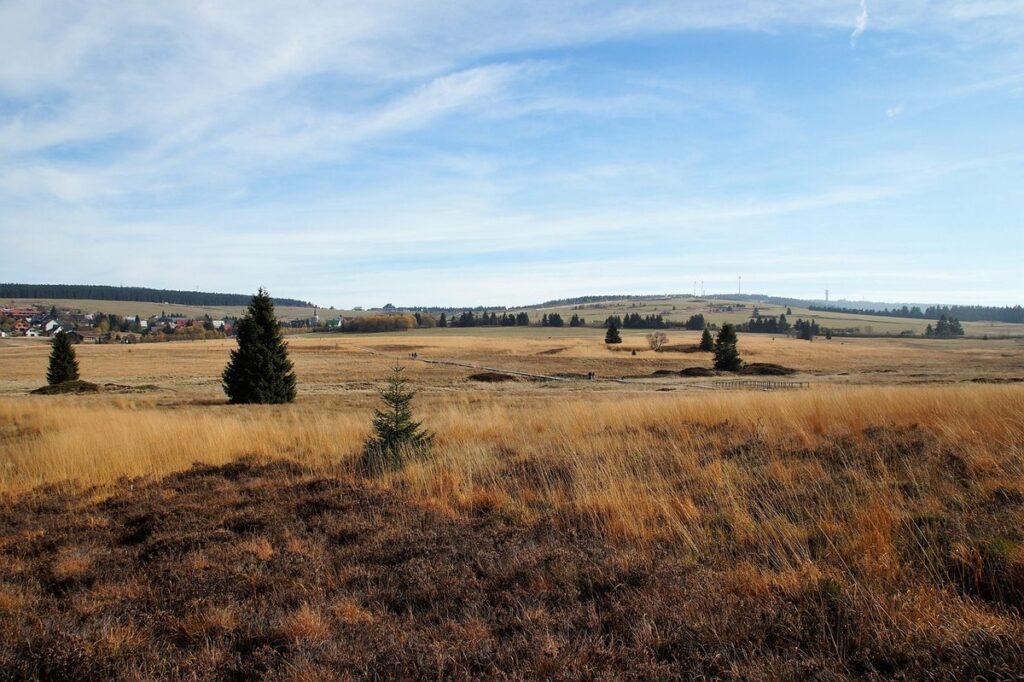
Understanding Waterlogged Soil
Understanding waterlogged soil involves recognizing the warning signs of saturated soil conditions and their impact on plant health. Let’s explore these crucial factors together.
What is Waterlogged Soil?
Waterlogged soil is a condition where the soil’s water-holding capacity exceeds its ability to drain excess water, leading to an over-saturation of moisture. This occurs when there’s a sudden and prolonged influx of rainfall or irrigation, causing the soil pores to become filled with water. As a result, oxygen levels in the soil drop significantly, making it difficult for roots to breathe.
Proper drainage is essential for plant growth, as it allows roots to absorb essential nutrients and oxygen while preventing root rot. Without adequate drainage, plants are more susceptible to disease and nutrient deficiencies. For instance, if you’ve noticed water pooling around your garden’s plants or their leaves are turning yellow due to excess moisture, it may be a sign of waterlogged soil.
To identify waterlogged soil, look for signs like slow drainage, standing water, or a mushy texture when squeezed. If left unchecked, waterlogged soil can lead to root damage, reduced plant growth, and even death.
Factors Contributing to Waterlogging
When it comes to waterlogged soil, there are several factors that contribute to this issue. One of the primary causes is heavy rainfall, which can overwhelm the soil’s ability to absorb water. Imagine a prolonged period of continuous rain or flash flooding in an area with poor drainage systems – the soil becomes saturated, leading to waterlogging.
Another significant contributor to waterlogging is poor drainage systems. If the soil doesn’t have adequate outlets for excess water to escape, it will accumulate and cause the soil to become waterlogged. This can be due to various reasons such as clogged drains, narrow gutters, or a lack of proper irrigation design.
Soil composition also plays a crucial role in waterlogging. Certain types of soil, like clay soils, have low permeability rates, making it difficult for excess water to drain out. Conversely, soils with high organic matter content tend to retain more water, increasing the risk of waterlogging. Understanding these contributing factors is essential to addressing waterlogged soil and finding effective solutions.
Effects on Plant Growth
When waterlogged soil takes over your garden, it’s not just the aesthetics that suffer – plant growth is severely impacted as well. One of the most significant effects is root rot, where roots begin to decay due to prolonged moisture. This can be catastrophic, causing plants to become vulnerable and ultimately leading to their demise.
Nutrient deficiencies are another consequence of waterlogged soil. Waterlogged conditions prevent air from reaching the roots, making it difficult for plants to absorb essential nutrients through the soil. As a result, plants may appear weak, stunted, or lackluster. A classic example is when you notice your once-thriving tomatoes now struggling to set fruit.
Prolonged exposure to waterlogged conditions also increases the susceptibility of plants to pests and diseases. Fungi and bacteria thrive in moist environments, attacking weakened plant roots and spreading quickly through the soil. This can lead to devastating infestations, rendering your garden nearly impossible to manage. To prevent these issues, it’s essential to ensure proper drainage and aeration in the soil to promote healthy root growth and minimize the risk of waterlogged soil taking over your garden.
Causes of Waterlogging
Waterlogging occurs when soil is over-saturated with water, causing roots to rot and plants to struggle. Let’s explore some common causes of waterlogged soil that can harm your garden.
Heavy Rainfall and Storm Events
Heavy rainfall events can significantly contribute to waterlogging issues. When heavy showers fall on already saturated soil, it leads to a rapid rise in groundwater levels, causing plants’ roots to rot and potentially even causing structural damage to buildings and infrastructure.
In regions with high annual precipitation rates, such as tropical areas like India’s eastern coast or Southeast Asia’s islands, extreme weather events can be particularly problematic. In these places, heavy monsoon rains often coincide with the region’s agricultural cycles, resulting in a surplus of rainwater that can overwhelm drainage systems. For example, Bangladesh experiences an average annual rainfall of over 3,000 mm (118 inches), leading to frequent flash flooding during the monsoon season.
In contrast, areas like Singapore, which receives around 2,500 mm (98 inches) annually, implement complex storm-water management systems to mitigate these risks. To protect your home or garden from heavy rainfall-related waterlogging issues, consider installing a rainwater harvesting system or upgrading your drainage infrastructure to prevent water accumulation in low-lying areas. Regularly inspecting and maintaining your gutters and downspouts can also help minimize potential damage.
Poor Drainage Systems
Poor drainage systems play a significant role in exacerbating waterlogging issues. When rainfall exceeds the soil’s capacity to absorb it, excess water can lead to waterlogged conditions. Inadequate drainage systems allow this excess water to accumulate, putting plants under stress and creating an ideal environment for disease and pest development.
The consequences of poor drainage systems are far-reaching, causing root rot, nutrient deficiencies, and reduced crop yields. For instance, a study conducted in a rice-growing region found that improper drainage led to 20% yield loss due to waterlogged conditions.
To improve drainage and mitigate waterlogging issues, consider the following solutions: installing French drains or perforated pipes to direct excess water away from plant roots; raising beds to elevate plants above saturated soil; and incorporating organic matter like compost or well-rotted manure to enhance soil structure and increase its capacity for water retention. Regular maintenance tasks, such as clearing debris and inspecting drainage systems, can also help prevent clogs and ensure proper function.
Soil Composition and Structure
When it comes to soil composition and structure, certain types are more prone to waterlogging due to their inherent characteristics. Clay soils, for instance, have a high proportion of fine particles that make them extremely dense and impermeable to water. This means that when rainfall or irrigation occurs, the water has nowhere to go but to sit on the surface, causing the soil to become saturated.
As a result, clay soils are often the first to experience waterlogging issues. The same is true for soils with high silt content, which can also impede drainage and exacerbate the problem. Organic-rich soils, while generally more beneficial for plant growth, can also contribute to waterlogging if not managed properly. To mitigate this risk, gardeners should focus on improving soil structure through aeration, mulching, or incorporating organic matter like compost. By doing so, they can create a more balanced environment that allows water to penetrate and move freely, reducing the likelihood of waterlogged conditions developing.
Effects on Plant Health
When soil is waterlogged for too long, it can have devastating effects on plant health, including root rot and reduced oxygen levels that stunt growth. Let’s take a closer look at what this means for your plants.
Root Rot and Nutrient Deficiencies
Root rot is one of the most common problems associated with waterlogged soil. This occurs when roots are constantly saturated, leading to a lack of oxygen and promoting the growth of fungi that break down plant tissues. As a result, the roots become damaged, and the plant’s ability to absorb essential nutrients is severely impaired.
Nutrient deficiencies often accompany root rot due to reduced uptake. For instance, plants affected by waterlogged soil may struggle with phosphorus deficiency, as it becomes more challenging for them to absorb this critical nutrient. This can manifest in stunted growth or yellowing leaves.
Some plant species are particularly susceptible to these issues. Canna and colocasia, popular ornamental plants, often suffer from root rot when grown in waterlogged conditions. Similarly, vegetables like lettuce and spinach may exhibit signs of nutrient deficiency due to reduced absorption.
To mitigate these problems, it’s essential to improve soil drainage and aeration. You can achieve this by adding organic matter or perlite to the soil and avoiding overwatering. By taking proactive steps to address root rot and nutrient deficiencies, you can help your plants thrive in waterlogged conditions.
Increased Susceptibility to Pests and Diseases
When soil is waterlogged, it creates an environment that’s ripe for pest and disease infestations. This is because excess moisture makes it easier for pests to thrive, as they have ample food and shelter. For instance, slugs and snails love moist environments, and can quickly multiply in waterlogged soil, devouring leaves and stems.
Fungal diseases like root rot and leaf spot also flourish in waterlogged conditions. As the soil remains saturated, fungi spread rapidly, infecting plant roots and causing them to decay. This not only weakens the plant but also reduces its ability to absorb essential nutrients.
The increased susceptibility to pests and diseases can be exacerbated by a lack of air circulation within the waterlogged soil. When there’s too much moisture, oxygen levels drop, making it difficult for beneficial microorganisms to function. To mitigate this issue, make sure to improve drainage in your garden by incorporating organic matter or installing French drains.
By recognizing the link between waterlogged soil and pest/disease susceptibility, you can take proactive measures to prevent these issues from arising. Regularly inspect your plants for signs of infestation, and use physical barriers or natural deterrents to control pests.
Long-Term Consequences for Soil Health
Repeated waterlogging can have severe long-term consequences for soil health. As excess moisture seeps into the soil, it can lead to a decrease in soil fertility over time. This is because waterlogged conditions promote the growth of anaerobic microorganisms, which break down organic matter and release nutrients into the soil. While this might seem beneficial at first, it actually leads to an imbalance of essential nutrients, making the soil less fertile for plant growth.
Furthermore, repeated waterlogging can increase the potential for erosion on your land. When the soil is saturated with water, its natural binding agents, such as clay and silt, become weakened. This makes it more susceptible to being washed away by even moderate rainfall or irrigation events. Imagine losing valuable topsoil due to excessive moisture – a costly and time-consuming process to repair.
To mitigate these effects, consider incorporating cover crops into your rotation plan. These can help improve soil structure, increase organic matter, and promote beneficial microbial activity, all while reducing erosion risks. Regular monitoring of your soil’s moisture levels is also crucial, ensuring you address any waterlogging issues promptly before they lead to long-term damage.
Solutions for Waterlogged Soils
If you’re tired of dealing with soggy soil and struggling plants, we’ve got some good news: there are effective solutions to help your garden thrive in waterlogged conditions. Let’s explore them together!
Improving Drainage Systems
Improving drainage systems is crucial to revitalize waterlogged soils. One effective method is installing French drains, which involve digging a trench and filling it with gravel and perforated pipes that allow excess water to escape. This solution can be particularly useful for large areas or properties where water tends to accumulate.
Another approach is constructing raised beds, which can help improve drainage by elevating plants above the saturated soil. Raised beds are built on top of the existing soil and filled with a well-draining mix, such as a combination of compost, perlite, and vermiculite. This method not only improves drainage but also warms up the soil faster in spring and retains moisture better.
If you’re dealing with small areas or individual plants, consider using porous materials like mulch or organic matter to enhance drainage. For example, applying a 2-3 inch layer of wood chips around plants can help absorb excess water and improve airflow.
Soil Amendments and Conditioners
When dealing with waterlogged soils, it’s essential to address the underlying issues that cause these problems. One effective way to do this is by incorporating specific soil amendments and conditioners into your gardening routine.
Organic matter like compost, manure, or peat moss can be added to improve soil structure and increase its ability to drain excess water. This can be achieved through regular mulching, adding compost tea to the soil, or using a composting system for consistent nutrient supply. Additionally, products containing ingredients such as zeolites or perlite can help to break up compacted soil and enhance drainage.
Another approach is to use polymers specifically designed to condition soils and improve their water-holding capacity while reducing waterlogging issues. These polymers work by absorbing excess moisture and gradually releasing it into the surrounding soil, thus maintaining optimal moisture levels for plant growth. Some examples of these products include Aqua Gel or Waterlock.
By incorporating one or a combination of these amendments and conditioners, gardeners can take proactive steps towards mitigating waterlogged soils and creating an environment where plants thrive.
Plant Selection and Placement
When selecting plants for waterlogged soils, it’s essential to choose species that are naturally tolerant of excess moisture. Plants like cattails, rushes, and irises can thrive in conditions where other vegetation would drown. Look for plants with deep roots or those that can survive submerged periods.
In terms of placement, identify areas within your garden with the worst drainage and prioritize planting there. Raised beds or mounds can be a good option to elevate plants above waterlogged areas. You can also consider container gardening, which allows you to control soil conditions and choose plants specifically suited for containers.
Some native species may already have adapted to local waterlogging patterns. Research what types of plants are most tolerant in your region and incorporate them into your garden design. This approach will help you maximize growth potential while minimizing the need for frequent maintenance.
Managing Waterlogged Soils During Extreme Weather
When extreme weather hits, it’s not just your plants that are at risk – waterlogged soil can be a major problem. Let’s explore how to manage it effectively.
Preparing for Heavy Rainfall Events
Preparing for heavy rainfall events is crucial to prevent waterlogged soils from becoming catastrophic. Before the storm hits, create a plan for emergency drainage, including clearing clogs and ensuring that gutters, downspouts, and drains are functioning properly. Inspect your yard’s grading to ensure it slopes away from your home’s foundation, preventing potential flooding.
Maintaining equipment such as sump pumps, backup generators, and water pumps is essential. Regularly test these systems to guarantee they’re working correctly in case of a power outage or extreme rain. Additionally, consider investing in a French drain system to direct excess water away from sensitive areas like gardens and walkways.
It’s also vital to prepare your plants for the impending deluge by mulching around their base, which helps retain moisture while preventing waterlogged soil. Elevate potted plants on raised platforms or move them to higher ground to protect against floodwaters. This proactive approach can significantly minimize damage from heavy rainfall events and prevent the need for costly repairs in the aftermath.
Post-Event Recovery Strategies
After an extreme weather event, recovering from waterlogged soil conditions is crucial to prevent further damage and ensure plant survival. To achieve this, it’s essential to implement post-event recovery strategies that address the root causes of waterlogging.
Firstly, assess the extent of the waterlogging by evaluating the soil moisture levels and checking for signs of root rot or other damage. This will help you determine the most effective course of action. Next, aerate the soil using tools like a spade, fork, or even a power aerator to improve drainage and prevent further saturation.
Another crucial step is to repot affected plants in well-draining pots with fresh potting mix to reduce the risk of root rot and promote healthy growth. Prune any dead or damaged roots to encourage new growth and prevent the spread of disease.
Finally, consider implementing long-term strategies such as installing drainage systems or modifying your soil composition to improve its water-holding capacity. By taking prompt action and following these post-event recovery strategies, you can help your plants recover from waterlogged soil conditions and thrive in the face of future extreme weather events.
Frequently Asked Questions
How soon can I expect to see improvements after improving drainage systems?
You may notice improvements in soil health and plant growth within a few weeks to months after implementing new drainage systems or amendments. However, the rate of improvement depends on factors like soil composition, climate, and existing root damage. Be patient and monitor your plants’ responses to adjust your strategies accordingly.
Can I still use my existing plants if I have waterlogged soil?
While it’s possible to rescue some plants, others may be too far gone due to root rot or nutrient deficiencies. Inspect your plants carefully for signs of distress before attempting to repot or prune them. If you’re unsure, consider consulting a gardening expert or replacing the most vulnerable species.
How can I identify specific areas with poor drainage in my garden?
To pinpoint areas with poor drainage, look for puddles that persist longer than usual, soggy patches around plants’ bases, and signs of waterlogging near underground features like pipes or septic systems. Use a soil probe to check for compacted layers or heavy clay content, which can impede water flow.
What are some long-term strategies for preventing waterlogged soil in the future?
In addition to improving drainage systems, consider incorporating organic matter like compost or well-rotted manure into your soil to enhance its structure and aeration. Also, plant species that thrive in moist conditions but have deep root systems to help draw excess moisture from the soil.
Can I use chemical treatments to fix waterlogged soil?
While some products claim to alleviate waterlogging, they often address symptoms rather than causes. These chemicals can also harm beneficial microorganisms or create more problems down the line. Instead, focus on non-invasive methods like aerating your lawn, introducing organic amendments, and adjusting irrigation schedules to promote healthier soil conditions.