
As a gardener or homeowner, you’re likely no stranger to the benefits of composting. But did you know that adding coffee grounds to your compost pile can be a game-changer? Not only does it help to minimize odors and balance out the ecosystem, but it also provides a nutrient-rich boost to your soil. By incorporating coffee grounds into your compost, you can improve its structure and fertility, creating an ideal environment for beneficial microorganisms to thrive. But how exactly can you make the most of this versatile ingredient? In this article, we’ll explore the ins and outs of using coffee grounds in compost, covering topics from what types of coffee grounds are best to use, to tips for balancing out your compost pile for optimal results.
What Are Coffee Grounds and Why Use Them in Compost?
Coffee grounds are a nutrient-rich byproduct of brewing coffee, packed with essential nutrients that can supercharge your compost pile when used correctly. Let’s dive into what makes them so valuable for gardening purposes.
Definition and Composition of Coffee Grounds
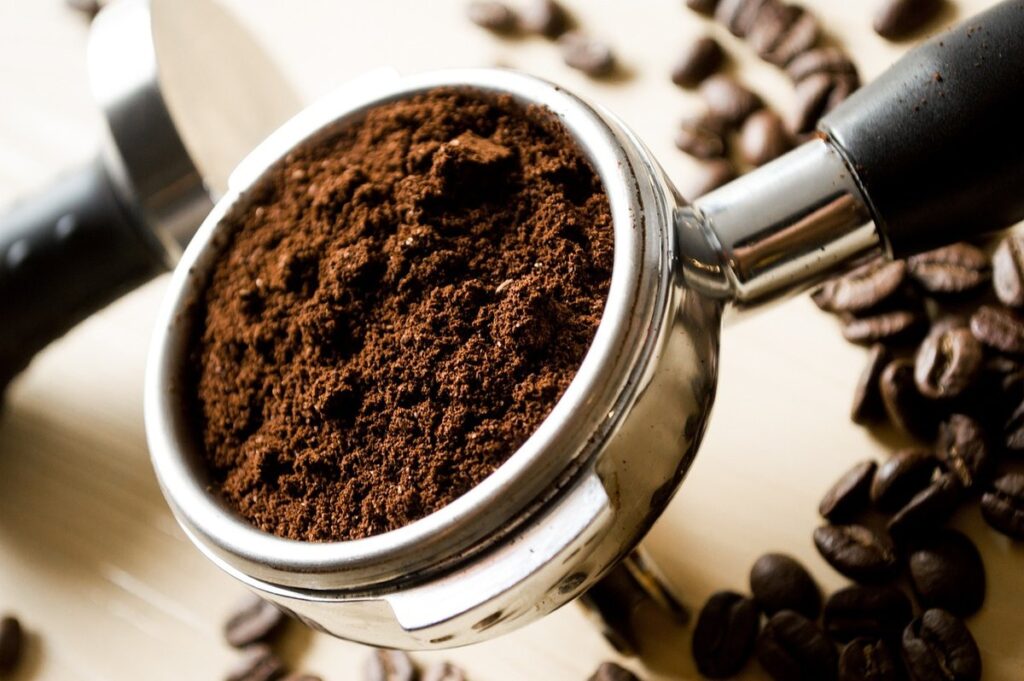
Coffee grounds are the remains of roasted coffee beans after brewing. They’re an excellent addition to compost piles due to their unique composition. Composed mainly of water (about 10-15%), coffee grounds also contain organic matter, including cellulose, hemicellulose, and lignin from the coffee cherry fruit. The remaining percentage is made up of minerals such as potassium, magnesium, and nitrogen.
The nutrient-rich content in coffee grounds makes them an attractive addition to compost piles. As they break down, they release these nutrients, which are then absorbed by plants during decomposition. This process can also enhance the structure and drainage of your compost pile, making it easier to manage. When incorporating coffee grounds into your compost, be sure to mix them with other carbon-rich materials like leaves or straw to balance out the nitrogen levels.
Aim for a 2:1 ratio of “brown” (carbon-rich) materials to “green” (nitrogen-rich) materials in your compost pile. This will help prevent anaerobic conditions and promote healthy decomposition.
Nutritional Value of Coffee Grounds for Composting
Coffee grounds are a rich source of essential nutrients that can significantly enhance the nutritional value of compost. One of the primary benefits of using coffee grounds is their high nitrogen content, which makes up approximately 10-15% of their dry weight. This is because caffeine and other compounds in coffee break down into ammonia during the roasting process, leaving behind a significant amount of nitrogen-rich material.
The phosphorus and potassium levels in coffee grounds are also noteworthy, with an average concentration of around 2-4% and 1-3%, respectively. These micronutrients play a crucial role in promoting healthy microbial activity within the compost pile. By incorporating coffee grounds into your compost mix, you can expect to see improved decomposition rates and a more balanced pH level.
To maximize the benefits, it’s recommended to add coffee grounds in moderation – about 1-2 pounds per 10 pounds of “green” materials (food scraps, grass clippings, etc.). Overloading on coffee grounds can lead to an overabundance of nitrogen, potentially causing odors and attracting pests. By striking a balance, you’ll be creating a nutrient-rich compost that will nourish your garden for years to come.
Benefits of Using Coffee Grounds in Compost
Adding coffee grounds to your compost can be a game-changer for gardeners, providing a boost of nutrients and microorganisms to your soil. Let’s dive into the benefits you can expect from using this readily available resource.
Improves Soil Structure and Fertility
When you add coffee grounds to your compost pile, they work their magic on the soil structure, increasing its ability to retain water and nutrients. This is due to the high concentration of humic acids and other organic compounds present in coffee grounds. These natural substances help break down clay particles and aggregate sand and silt particles, resulting in better aeration and water infiltration.
As the coffee grounds mix with other compost materials, they enhance the soil’s overall fertility. The nitrogen-rich content in coffee grounds acts as a nutrient boost, promoting microbial activity that further decomposes organic matter. This process releases essential micronutrients like potassium, magnesium, and iron into the soil, making it more hospitable to plant growth.
To maximize the benefits of coffee grounds on your soil structure, be sure to mix them well with other compost materials. Aim for a 2:1 or 3:1 ratio of “brown” materials (dried leaves, straw) to “green” materials (coffee grounds, fruit scraps). This balance will help create an optimal environment for decomposition and nutrient release.
Supports Beneficial Microorganisms
Coffee grounds are an excellent addition to compost piles due to their nutrient-rich properties. Beneficial microorganisms thrive on these nutrients, promoting a balanced ecosystem within the pile. Nitrogen, phosphorus, and potassium – essential macronutrients for microbial growth – are all present in coffee grounds. These microbes, in turn, break down organic matter into its most basic forms, releasing vital plant nutrients.
A healthy compost ecosystem relies on the coexistence of beneficial microorganisms. Coffee grounds support these populations by providing them with a readily available food source. As a result, the composting process accelerates, and nutrient-rich humus is produced. The addition of coffee grounds also helps regulate pH levels within the pile, ensuring it remains conducive to microbial activity.
To maximize the benefits of coffee grounds in your compost, be sure to add them in moderation – about 1-2 cups per 10 pounds of dry materials. Overuse can lead to anaerobic conditions and reduced microbial diversity.
How to Use Coffee Grounds in Compost
Now that you know the benefits of using coffee grounds in compost, let’s dive into how to incorporate them effectively into your gardening routine. We’ll explore practical tips for adding coffee grounds to your compost pile.
Collecting and Storing Coffee Grounds
When it comes to using coffee grounds in compost, collecting and storing them properly is crucial for maintaining their nutrient-rich properties. To get started, you’ll need to source your coffee grounds. Consider collecting your own spent grounds from your coffee maker or purchasing them from a local coffee shop that typically discards theirs.
Make sure to collect the grounds immediately after brewing, as they tend to lose their potency over time. Store them in an airtight container, such as a glass jar or plastic bucket with a tight-fitting lid. This will help preserve their moisture and prevent contamination from other kitchen waste.
For optimal storage conditions, keep your coffee grounds in a cool, dry place away from direct sunlight. If you live in a humid climate, consider storing them in the refrigerator to slow down spoilage. Aim to use or add your stored coffee grounds to your compost pile within a week or two for maximum nutrient value.
Before adding them to your compost, make sure to rinse off any excess oil residue from their surface. This will prevent attracting pests and creating anaerobic conditions that can lead to unpleasant odors.
Ratios of Coffee Grounds to Other Materials
When it comes to composting coffee grounds, achieving the right balance with other materials is crucial for optimal decomposition. A general rule of thumb is to maintain a ratio of 10-20% coffee grounds to 80-90% green waste. Green waste, such as food scraps and grass clippings, provides nitrogen-rich nutrients that help speed up the composting process.
However, if you’re adding too much green waste, it can lead to an overabundance of nitrogen and create unpleasant odors. To balance this out, incorporate brown materials like dried leaves or shredded newspaper to absorb excess moisture and provide carbon-rich ingredients. A good starting point is to add 1 part coffee grounds to 2 parts brown waste.
It’s also essential to introduce microorganisms into your compost pile to facilitate decomposition. You can purchase compost starter kits or create a homemade inoculum by mixing equal parts of finished compost, water, and coffee grounds. Regularly turning your compost pile will ensure even distribution of these microorganisms and prevent anaerobic conditions from developing.
Challenges and Precautions When Using Coffee Grounds
While coffee grounds can be a valuable addition to your compost pile, there are some potential pitfalls to watch out for when using them. We’ll explore these challenges and precautions in detail here.
Potential Odor Issues and Solutions
One potential issue to consider when adding coffee grounds to your compost pile is the strong smell they can produce. This is due to the high levels of nitrogen in coffee grounds, which can quickly break down and release ammonia gas. While a bit of odor is normal during the composting process, excessive smells can be overwhelming and even attract pests.
To minimize these odors, it’s essential to balance out the nitrogen-rich coffee grounds with other carbon-rich materials. This can include adding dried leaves, shredded newspaper, or coconut coir to your pile. Aim for a mix of 2/3 “brown” materials (like these) and 1/3 “green” materials (like food scraps and coffee grounds).
Another solution is to add a layer of brown materials on top of the coffee grounds as you add them to the compost pile. This helps absorb excess moisture and prevents the nitrogen from breaking down too quickly.
By taking these precautions, you can harness the benefits of coffee grounds in your compost while minimizing any unpleasant odors.
Overuse or Underuse of Coffee Grounds
When it comes to adding coffee grounds to your compost pile, balance is key. Too little and you won’t reap the rewards of this nutrient-rich resource, but too much can create problems. Overusing coffee grounds can lead to an imbalance of nitrogen in your compost, causing potential issues with odors and pests.
For example, if you add more than 20% coffee grounds to your pile, it can attract rodents and other critters looking for a snack. This can not only be a nuisance but also contaminate your finished compost. On the flip side, underusing coffee grounds means missing out on their benefits. Coffee grounds are high in nitrogen, which is essential for healthy microbial activity in your compost.
Aim to use 5-10% coffee grounds as part of your overall compost mix. This allows you to tap into their nutrient-rich qualities without overwhelming other ingredients or attracting unwanted pests. To strike a balance, start by adding small amounts and monitor the pH levels and moisture content of your pile. Adjust as needed, keeping in mind that coffee grounds can make up a significant portion of your finished compost.
Tips for Maximizing Benefits from Coffee Grounds
To get the most out of your coffee grounds, learn how to balance their high nitrogen levels and combine them with other compost materials for optimal results. This is key to a healthy, thriving garden.
Mixing with Other Materials for Balanced Compost
When mixing coffee grounds with other materials to create balanced compost, it’s essential to strike a harmonious blend. Coffee grounds are high in nitrogen, so they can be used as a “green” component of your compost pile. To balance this out, you’ll want to add some “brown” materials like dried leaves or shredded newspaper.
Aim for a mix that includes about 1/3 coffee grounds and 2/3 brown materials. For example, if you’re adding one bucket of coffee grounds, use two buckets of leaves or shredded paper as your brown component. You can also incorporate grass clippings and food scraps into the mix to introduce more nitrogen-rich ingredients.
When combining these materials, remember that it’s not just about ratios – texture matters too. Add some moisture-rich components like fruit peels or vegetable scraps to help create a balanced ecosystem within your compost pile. As you mix everything together, aim for a consistency similar to damp soil. This will ensure your coffee grounds can do their best work in breaking down other organic matter and creating nutrient-rich compost for your garden.
Monitoring pH Levels and Adjustments
Monitoring pH levels is crucial when working with coffee grounds in compost. Beneficial microorganisms thrive in a narrow pH range, typically between 6.0 and 7.5. If the pH level becomes too high (above 8.0) or too low (below 5.5), these microbes can die off, slowing down decomposition.
To monitor pH levels, you can purchase a pH meter or use pH test strips. Insert the probe into the compost pile, taking readings at different depths and times of the day. Test strips are less expensive but may not provide as accurate results.
When making adjustments to maintain optimal pH conditions, add materials that counterbalance extreme pH readings. For instance, if the pH is too high, mix in some coffee grounds or wood ash with a lower pH. Conversely, add dolomitic limestone to raise the pH if it’s too low. Maintain consistent monitoring and adjustments to ensure your compost pile remains conducive to microorganism growth. Regularly turning the pile also helps to distribute materials and maintain balance.
Conclusion: Unlocking the Power of Coffee Grounds in Compost
As we’ve explored the many benefits of adding coffee grounds to your compost, it’s time to unlock their full potential. By incorporating this simple yet powerful ingredient into your composting routine, you’ll be creating a nutrient-rich soil amendment that will give your plants the boost they need to thrive. Remember, it’s not just about tossing coffee grounds into your compost pile; it’s about understanding how to harness their unique properties and maximize their benefits. Take the time to balance your coffee ground additions with other organic matter, and you’ll be rewarded with a rich, dark humus that will revolutionize your gardening game.
Incorporating coffee grounds into your compost is a simple yet impactful step towards creating healthy soil for your plants. With this final key takeaway in mind, get creative with how you use these grounds to enrich your garden.
Frequently Asked Questions
Can I use instant coffee or decaf coffee grounds in my compost pile?
No, it’s best to use freshly brewed regular coffee grounds for optimal nutrient content and minimal odor issues. Instant coffee and decaf coffee may not provide the same level of benefits due to their processing methods and lower nutrient levels.
How do I know if I’m using too much or too little coffee grounds in my compost?
Use a general rule of thumb: mix 1-2 parts coffee grounds with 10-15 parts other materials, such as leaves or vegetable scraps. This will help maintain a balanced pH and prevent over-acidification.
Will adding coffee grounds to my compost pile increase the risk of pests or diseases in my garden?
No, coffee grounds can actually help deter pests and diseases by releasing beneficial compounds that repel insects and improve soil structure. However, if you’re concerned about attracting pests, mix smaller amounts with other materials to ensure a balanced ecosystem.
Can I use coffee grounds as a standalone fertilizer, without composting them first?
Yes, but keep in mind that using raw coffee grounds as a fertilizer can lead to nutrient imbalances and potential pH issues. It’s recommended to mix coffee grounds into your compost pile or add them after the composting process is complete, when they’re fully broken down and incorporated.
How often should I monitor my compost pile’s pH levels when using coffee grounds?
Monitor pH levels regularly, especially if you’re new to using coffee grounds in your compost. Aim for a pH range between 6.0-7.5, as this will help maintain optimal microbial activity and nutrient availability for your plants.