
Are you torn between using a compost tumbler or bin for your garden? You’re not alone! Many gardeners face this dilemma when deciding how to turn their food waste into nutrient-rich compost. The choice between these two methods can significantly impact your gardening experience, from ease of use and space requirements to the environmental benefits.
In this article, we’ll dive into the ultimate showdown between compost tumblers and bins, exploring which method is best for you. We’ll discuss the pros and cons of each option, considering factors like space, ease of turning, and the carbon-to-nitrogen ratio. By the end of this guide, you’ll be equipped with the knowledge to make an informed decision that suits your garden’s unique needs and promotes a healthier environment. Let’s get started on this composting journey together!
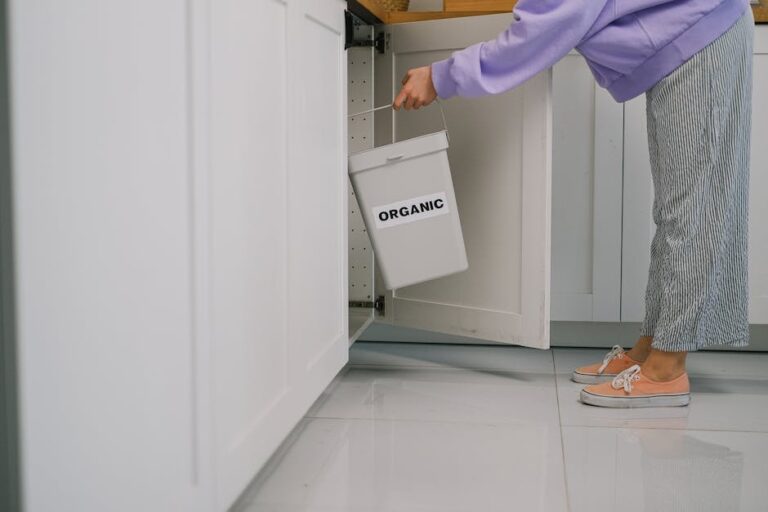
Introduction to Composting
Compost is a natural way to recycle food scraps and yard waste, turning them into nutrient-rich soil for your garden. In this introduction, we’ll explore the basics of composting.
Benefits of Composting
Composting is an essential practice for gardeners to create a thriving and sustainable garden ecosystem. By composting, you can improve soil health, reduce waste, and increase crop yields. Let’s start with the benefits of composting.
Improved soil health is one of the primary advantages of composting. Compost adds nutrients, improves soil structure, and increases water retention capacity. This leads to healthier plants, reduced erosion, and a decrease in soil-borne diseases. For example, adding compost to your garden can increase crop yields by up to 50%. A study by the University of California, Davis found that tomatoes grown in compost-amended soil had a significant improvement in fruit size, weight, and quality compared to those grown in non-composted soil.
Reducing waste is another critical benefit of composting. By turning kitchen scraps and yard trimmings into nutrient-rich fertilizer, you can divert organic waste from landfills and reduce greenhouse gas emissions. This practice not only benefits the environment but also saves gardeners money on fertilizers and other soil amendments.
Types of Composting Methods
There are several types of composting methods available, each with its own set of benefits and drawbacks. Bin composting involves using a container to hold the composting materials, such as food waste and yard trimmings. This method is ideal for small spaces or for individuals who want to maintain a more contained composting process.
Tumbling composting, on the other hand, uses a rotating drum to aerate and mix the composting materials. This method is known for its speed and efficiency, allowing you to turn your compost in as little as 10-14 days. Tumblers also promote even decomposition and can be especially beneficial for busy gardeners who need quick results.
Other types of composting methods include worm composting (vermicomposting), which uses red wiggler worms to break down food waste, and hot composting, which involves actively managing the compost pile’s temperature. When choosing a composting method, consider your space constraints, the amount of material you have to process, and your desired level of involvement.
Both bin and tumbling composters can be effective for small-scale composting, but it ultimately comes down to personal preference and needs.
Compost Bin Overview
Let’s dive into the world of compost bins, a fundamental component of any home garden. We’ll explore the key features and benefits of traditional compost bins.
Advantages of Using a Compost Bin
Using a traditional compost bin offers numerous advantages that make it an ideal choice for many gardeners. One of the main benefits is its ease of use. Compost bins are designed to be simple and straightforward, making it easy to add organic waste and turn the pile without getting your hands dirty. Simply load up the bin with kitchen scraps, leaves, and other compostable materials, and let the natural process take care of the rest.
Another advantage of traditional compost bins is their compact design. They’re perfect for small gardens or backyards where space is limited. Compost bins can be placed in a corner or against a wall, taking up minimal room while still allowing you to create nutrient-rich compost for your plants. Plus, they’re often affordable and come with a low upfront cost, making them an accessible option for gardeners on a budget.
In addition, traditional compost bins are easy to maintain and require minimal supervision. They help keep pests and rodents at bay by containing the compost pile, and they also minimize odors and messes associated with outdoor composting. Overall, using a traditional compost bin is a great way to create high-quality compost for your garden without breaking the bank or sacrificing valuable space.
Disadvantages of Compost Bins
While compost bins can be an effective way to manage food waste and yard trimmings, they do have some significant disadvantages. For one, traditional compost bins often have limited space for materials, which means you may need to add more bins or switch to a different type of composter. This can quickly become overwhelming and lead to clutter in your garden.
Another issue with compost bins is the potential for pests and rodents. These critters are attracted to food waste and can easily burrow into the bin, causing problems for both your garden and local wildlife. To minimize this risk, you’ll need to regularly inspect your bin and take steps to exclude pests, such as using hardware cloth or fine mesh.
Finally, compost bins can also lead to odor issues, especially if they’re not properly maintained. This is because decomposing organic matter releases volatile compounds that can be unpleasant for humans and pets alike. By adding a lid to your bin or choosing a design with good airflow, you can help mitigate this problem. However, it’s still essential to regularly turn the pile and add carbon-rich materials to balance out the nitrogen levels in your compost.
Compost Tumbler Overview
Let’s dive into the world of compost tumblers, and explore what makes them tick. In this section, we’ll cover the key features and benefits of compost tumblers.
Advantages of Using a Compost Tumbler
Using a compost tumbler offers several advantages that can significantly improve your composting process. One of the primary benefits is increased oxygenation. Compost tumblers allow for easy turning and mixing of materials, which helps to aerate the pile and promote healthy microbial activity. This leads to faster decomposition rates and a more stable final product.
Compost tumblers also simplify the mixing process, making it easier to combine “green” (nitrogen-rich) and “brown” (carbon-rich) materials. By incorporating these two types of waste in the right proportions, you can create an optimal environment for composting. For instance, if you’re using kitchen scraps as your green material, a tumbler will help break down these high-nitrogen items quickly.
Regular turning also accelerates the process, allowing you to harvest nutrient-rich compost in as little as 3-6 weeks. This is much faster than traditional compost bins, which can take months or even years to produce results. By investing in a good-quality compost tumbler, you’ll be able to create high-quality compost more efficiently and with less effort.
Disadvantages of Compost Tumblers
While compost tumblers offer many benefits, there are some potential drawbacks to consider. One of the main disadvantages is the higher upfront cost compared to traditional compost bins. Compost tumblers can range from $50 to over $200, depending on the size and features. This can be a significant investment for gardeners on a tight budget.
Another disadvantage is the limited capacity of most compost tumblers. They typically hold between 7-30 gallons of material, which may not be enough for larger gardens or households that produce a high volume of waste. This means you’ll need to add more tumblers or switch to a different type of composter if your needs change.
Assembly can also be more complex with compost tumblers, requiring some technical know-how and manual labor. While many manufacturers provide clear instructions, some gardeners may find the process frustrating or time-consuming. Additionally, some parts may break or wear out over time, adding to maintenance costs.
Comparison of Compost Bins and Tumblers
When deciding between a compost tumbler and bin, it’s essential to consider their key differences in terms of functionality and maintenance requirements for your specific gardening needs. Let’s dive into a comparison of these two popular options.
Space and Capacity Considerations
When it comes to composting, space and capacity are crucial considerations. Compost bins and tumblers differ significantly in these areas, and understanding their requirements is essential for choosing the right one for your garden.
Compost bins generally take up more space than tumblers due to their static design and larger material capacities. They can range from 1-4 cubic yards, making them ideal for larger gardens or households with significant composting needs. However, they often require a dedicated area for installation, which can be a challenge in smaller spaces.
Compost tumblers, on the other hand, are more compact and can fit into tight spaces due to their rotating design. They typically have capacities ranging from 2-8 cubic feet, making them suitable for smaller gardens or urban areas with limited space. Some tumblers even come with adjustable sizes, allowing you to tailor your composting capacity to suit your needs.
Consider the following factors when choosing a composting unit based on its space and material capacity:
* The size of your garden and composting needs
* Available space in your yard for installation
* Adjustability and flexibility of the unit
* Ease of access and maintenance
Ease of Use and Maintenance
When it comes to ease of use and maintenance, compost tumblers have a clear advantage over traditional bins. One of the main reasons is accessibility – tumblers are typically designed with ergonomic handles and a rotating mechanism that allows for easy turning, reducing the risk of strain on your back or shoulders.
In contrast, compost bins often require manual scooping and lifting, which can be cumbersome, especially when dealing with heavy or wet materials. Additionally, tumblers usually have a wide mouth opening, making it simpler to add new materials without having to lift heavy loads.
Another significant benefit of tumblers is their self-turning mechanism, which eliminates the need for regular manual turning. This not only saves time but also reduces the risk of compacting the compost, ensuring a more even decomposition process. To get the most out of your tumbler, it’s recommended to add materials in small batches throughout the week and give the tumbler a gentle rotation every few days.
Regular maintenance is essential for both types of composting systems, but tumblers are often easier to clean due to their smooth surfaces and minimal corners. To keep your tumbler in good condition, simply rinse it with water after each use and perform a deeper cleaning every 1-2 months.
Compost Quality: A Key Factor in Success
Let’s dive into one of the most crucial aspects of composting: understanding what makes high-quality compost and how to achieve it. This affects the health and fertility of your soil significantly.
Factors Influencing Compost Quality
When it comes to creating high-quality compost, there are several key elements that play a crucial role. The carbon-to-nitrogen ratio, for instance, is essential in determining the overall quality of your compost. If this balance is off, it can lead to unpleasant odors or an overabundance of pests. Aim for a mix of 2/3 “brown” materials (dry leaves, straw) and 1/3 “green” materials (food scraps, grass clippings).
Moisture levels are also critical in maintaining good compost quality. Too little moisture can cause the mixture to dry out, while too much can lead to anaerobic conditions that foster pathogens. The ideal moisture level is often described as a damp sponge-like consistency.
Oxygenation is another vital factor, particularly when using a compost tumbler. Regular turning and aeration ensure that air reaches all areas of the pile, promoting healthy decomposition. This process is less accessible with static bins, but can be mitigated by incorporating oxygen-rich materials or using a compost aerator.
It’s worth noting that tumblers often promote better oxygenation due to their rotating design, which encourages aeration and facilitates decomposition. However, both options require regular monitoring of these factors to ensure optimal results.
Tips for Optimizing Compost Quality
Achieving high-quality compost using either a compost tumbler or bin is crucial for optimal garden performance. To optimize compost quality, it’s essential to understand the best practices for adding materials. Start by incorporating a mix of “green” (nitrogen-rich) and “brown” (carbon-rich) materials in your compost pile.
Aim to add 2-3 parts brown materials (dried leaves, straw, or shredded newspaper) for every one part green material (food scraps, grass clippings, or manure). Monitor temperature regularly using a thermometer; ideal temperatures range from 130°F to 140°F. Turning your compost pile at least once a week is vital, especially when using a bin, as it helps speed up decomposition and prevents anaerobic conditions.
Keep in mind that tumbler users can often turn their contents more frequently due to the easier rotation mechanism. Regularly inspect your compost for signs of over-matting or insufficient airflow; gently aerate if needed to ensure a healthy mix of microorganisms breaks down your materials efficiently.
Environmental Impact and Sustainability
Let’s take a closer look at the environmental impact of using compost tumblers versus traditional bins for your garden, including carbon footprint and waste reduction.
Carbon Footprint Comparison
When it comes to choosing between a compost bin and tumbler, understanding their environmental implications is crucial. Let’s dive into the carbon footprint comparison of these two options.
Using a compost tumbler generally requires more energy than a compost bin, mainly due to the turning mechanism that needs electricity or manual labor. For instance, if you have an electric tumbler, it can consume around 2-4 kilowatt-hours (kWh) per week. Although this might not seem significant, it translates to about 104 kWh annually. This is roughly equivalent to charging a smartphone over 26,000 times.
In contrast, a compost bin relies on natural decomposition processes and doesn’t require any external energy source. However, its resource usage can be substantial if you’re using bags or containers for collection. A study found that in the United States alone, approximately 3 million tons of plastic bag waste are generated each year. By choosing a compost bin with minimal packaging or making your own, you can significantly reduce this environmental impact.
When selecting between these two options, consider your personal energy consumption habits and available resources. If you have access to manual labor or don’t mind investing in an eco-friendly tumbler design, it might be a more suitable choice for you.
Sustainable Gardening Practices
When using a compost tumbler or bin, you’re taking a significant step towards reducing your reliance on synthetic fertilizers and minimizing greenhouse gas emissions. This aligns perfectly with broader sustainable gardening practices that prioritize environmental stewardship.
Synthetic fertilizers not only harm the environment but also deplete soil nutrients over time, requiring more frequent application and increasing carbon footprints. In contrast, composting using a tumbler or bin allows you to create nutrient-rich fertilizer from kitchen scraps and yard waste. This approach requires significantly less energy and resources than industrial-scale fertilizer production.
To further reduce your environmental impact, consider these tips:
* Add “green” materials like fresh grass clippings or manure to balance out high nitrogen levels in your compost
* Incorporate fruit and vegetable scraps into your compost pile, but be sure to chop them first to speed up decomposition
* Use aeration tools or turn your tumbler regularly to maintain optimal oxygen flow and reduce odors
By embracing sustainable gardening practices through composting with a tumbler or bin, you’re contributing to a healthier planet while also creating a nutrient-rich environment for your garden.
Conclusion and Recommendations
Now that you’ve weighed the pros and cons of each option, it’s time to summarize our findings and offer some final suggestions for your composting needs. Let’s review what we’ve learned so far.
Final Thoughts on Compost Bins vs Tumblers
In conclusion, the choice between compost bins and tumblers ultimately comes down to your personal preferences, garden size, and specific needs. If you have a small space or prefer a more contained method of composting, a bin may be the better option for you. However, if you’re looking for a low-maintenance, aerated system that’s easy to turn and requires minimal effort, a tumbler is likely your best bet.
Consider this: if you live in an urban area or have limited outdoor space, a compact compost bin like the Worm Factory may be more suitable. On the other hand, gardeners with larger plots of land or those who produce copious amounts of kitchen waste may prefer the spacious design and ease of use offered by a tumbler like the NatureMill.
Ultimately, it’s essential to weigh your individual circumstances and choose the method that best aligns with your lifestyle and composting goals. By doing so, you’ll be well on your way to creating rich, nutrient-dense soil for your garden.
Tips for Choosing the Right Method
When it comes to choosing between a compost tumbler and bin, consider your personal circumstances. Space constraints are a primary concern for many gardeners. If you have limited space, a compact compost tumbler may be the better choice. These tumblers typically take up less space than bins and can fit neatly into small gardens or backyards.
On the other hand, if budget is a significant factor, consider the initial cost of the composting solution. Compost bins are often more affordable upfront, but they may require more maintenance and labor to turn the compost regularly. A high-quality compost tumbler, while initially more expensive, can save you time and effort in the long run.
Additionally, think about your personal preferences when it comes to aesthetics and ease of use. If you value a sleek design or want to blend the composting solution into your garden decor, consider a stylish compost bin.
Frequently Asked Questions
What are some tips for maintaining a balanced carbon-to-nitrogen ratio in my compost?
Maintaining the right balance is crucial for effective composting. A general rule of thumb is to aim for 2/3 “brown” materials (dry leaves, straw) and 1/3 “green” materials (food scraps, grass clippings). Regularly checking your compost pile’s moisture level and turning it can also help maintain this balance.
Can I use a combination of both compost bins and tumblers in my gardening setup?
Yes! Many gardeners find that using both methods together works best for them. For example, you could use a bin to hold dry materials like leaves or straw, while using a tumbler for actively composting food scraps and grass clippings.
How do I prevent pests and odors in my compost pile?
To minimize pests and odors, ensure your compost pile has good airflow by mixing “green” and “brown” materials regularly. Adding a 2-3 inch layer of finished compost on top can also help suppress odor-causing pathogens.
Can I compost meat, dairy, or oily foods in a tumbler?
No, these types of materials should be avoided in both bins and tumblers as they can attract pests and create unpleasant odors. Stick to “green” materials like food scraps and grass clippings for best results.
How often should I turn my compost pile, regardless of whether it’s a bin or tumbler?
It’s generally recommended to turn your compost pile every 7-10 days during the active composting phase (when adding new materials). This helps ensure oxygen reaches all areas, promoting efficient decomposition.