
Managing kitchen waste can be a daunting task, especially when you’re unsure about the best method to use. You’ve probably heard of both bokashi and composting as popular alternatives to traditional trash disposal, but which one is right for your household? In this article, we’ll dive into the benefits and drawbacks of each method, exploring their cost, sustainability, and environmental impact. By comparing bokashi vs compost, you’ll gain a better understanding of how these methods can help reduce your waste and create nutrient-rich soil for your garden. We’ll weigh the pros and cons of each approach, providing you with a clear picture of which one suits your needs best. Whether you’re an eco-conscious homeowner or just looking to simplify your kitchen routine, this article has got you covered.
Understanding the Basics of Bokashi and Composting
Let’s start by understanding the basics of bokashi, a fermentation-based system for turning kitchen scraps into nutrient-rich compost. This process is surprisingly simple once you grasp its underlying principles.
What is Bokashi?
At its core, bokashi is a fermentation process that breaks down organic matter, including kitchen waste. This unique approach has been used for centuries in various parts of the world, particularly in Japan and Korea. The term “bokashi” itself means “fermented organic matter” in Japanese.
The benefits of using bokashi are numerous. For one, it allows you to turn your kitchen scraps into a nutrient-rich fertilizer in just a few days. Unlike traditional composting methods that can take months to produce results, bokashi speeds up the decomposition process through anaerobic fermentation. This means that microorganisms break down organic matter without oxygen, producing less odors and mess.
One of the key principles behind bokashi is the use of a specific type of microbe called effective microorganisms (EM). These beneficial microbes are added to the waste and help to ferment it quickly and efficiently. By using EM, you can create a high-quality fertilizer that’s perfect for your garden or indoor plants.
The Science Behind Composting
Composting is a complex process that involves the breakdown of organic materials by microorganisms. To facilitate efficient decomposition, it’s essential to understand the importance of three key factors: carbon-to-nitrogen ratios, oxygen levels, and moisture content.
Maintaining a balance between ‘green’ (nitrogen-rich) and ‘brown’ (carbon-rich) materials is crucial for effective composting. Green materials include food scraps, grass clippings, and manure, which are high in nitrogen but low in carbon. Brown materials, such as dried leaves, straw, or shredded paper, are high in carbon but low in nitrogen. Aim for a mix of 2/3 brown materials and 1/3 green materials to achieve the optimal carbon-to-nitrogen ratio.
Oxygen levels also play a vital role in composting. Microorganisms need oxygen to break down organic matter efficiently. Ensure that your compost pile has adequate airflow by incorporating ‘turning’ or ‘aeration’. This can be achieved by periodically turning over the pile, adding materials with built-in air pockets (like straw), or using an aerating tool.
Maintaining optimal moisture levels is also essential for effective composting. Aim to keep your compost pile moist but not soggy – like a damp sponge. Excessive water can lead to anaerobic conditions and unpleasant odors, while inadequate moisture can slow down the decomposition process.
Common Misconceptions About Bokashi vs Compost
When it comes to managing kitchen waste, many of us are familiar with composting and bokashi as two popular methods. However, there’s a common misconception that these two approaches serve the same purpose and can be used interchangeably. Nothing could be further from the truth.
One of the main misconceptions is that bokashi and composting produce similar end products. While it’s true that both methods aim to break down organic matter, the process and outcome differ significantly. Composting involves microorganisms breaking down kitchen scraps in a controlled environment, resulting in a nutrient-rich soil amendment. Bokashi, on the other hand, uses microorganisms to ferment food waste in an anaerobic (oxygen-free) environment, producing a liquid fertilizer and a solid byproduct.
Another misconception is that bokashi requires specialized equipment or is more expensive than composting. In reality, both methods can be done at home with minimal investment. Bokashi bins are often less expensive than compost turners, and the process itself is relatively low-maintenance. By understanding these key differences, you’ll be better equipped to choose the right method for your kitchen waste management needs.
Comparison of Bokashi and Composting Methods
When it comes to reducing your kitchen waste, two popular methods come into play: bokashi and composting. Let’s dive into the key differences between these eco-friendly approaches.
Factors to Consider When Choosing Between Bokashi and Compost
When choosing between bokashi and composting methods, several key factors come into play. First and foremost, consider your available space. Bokashi is a great option for small households or those with limited outdoor areas, as it requires minimal space to ferment the waste. In contrast, traditional composting often necessitates a dedicated area for the pile, which may not be feasible in smaller spaces.
Another crucial factor is budget. While both methods can be cost-effective, bokashi typically involves an initial investment in a fermentation bin or container. However, this one-time expense pays off in the long run as you’ll use much less space and potentially save on labor costs associated with traditional composting.
Lastly, think about your waste management goals. Are you looking to reduce odors and mess associated with composting? Bokashi might be the better choice due to its airtight fermentation process. On the other hand, if you’re interested in creating nutrient-rich soil amendments for your garden, traditional composting may offer more benefits. By weighing these factors, you’ll be well-equipped to decide which method best suits your needs and preferences.
The Benefits and Drawbacks of Each Method
When it comes to managing kitchen waste, both bokashi and composting are viable options. However, each method has its advantages and disadvantages that you should consider.
Bokashi is generally easier to use, as it involves adding a microbe-rich powder to your waste, which reduces odors and makes the process odor-free for most people. Composting, on the other hand, requires regular mixing of the pile to ensure adequate oxygen flow and to control pests. While some people find composting straightforward, others might struggle with managing pests like fruit flies and rodents.
In terms of potential pest problems, bokashi is a better option. The microbe-rich powder creates an environment that’s inhospitable to pests, reducing the risk of attracting unwanted critters to your kitchen or garden. Composting can be more susceptible to pests if not managed properly. However, both methods can have issues with odors, especially during the initial stages.
Ultimately, bokashi and composting serve different purposes in waste management. Bokashi is better suited for indoor use and reducing organic waste in small spaces, while composting is ideal for larger scale operations or outdoor gardening projects.
Bokashi: Advantages, Disadvantages, and Applications
Now that we’ve explored the basics of bokashi and composting, let’s dive into the specifics of using bokashi in your kitchen waste management system. We’ll weigh its pros and cons.
Bokashi’s Fermentation Process Explained
At its core, bokashi’s unique advantage lies in its fermentation process. This is where microorganisms come into play, breaking down complex organic compounds that would otherwise be difficult to decompose. The process begins when the mixture of food waste and bokashi microbes is left to sit, allowing the microorganisms to feed on the sugars present in the waste.
As they break down these sugars, they produce enzymes that further degrade proteins, fats, and other organic matter. This process is facilitated by a combination of aerobic (oxygen-requiring) and anaerobic (oxygen-free) microbes, working together to convert waste into a nutrient-rich fertilizer.
The result is a breakdown of even the most stubborn organic compounds, such as cellulose and lignin, into simple nutrients that can be absorbed by plants. This efficient decomposition process enables bokashi to handle higher volumes of food waste than traditional composting methods, making it an attractive option for households with limited space or large quantities of kitchen scraps.
The microorganisms in bokashi are specifically selected for their ability to thrive in both aerobic and anaerobic environments, allowing them to break down organic matter more effectively. This unique combination of microbes is what sets bokashi apart from traditional composting methods, enabling it to produce a high-quality fertilizer with minimal effort or expertise required.
Uses for Bokashi Liquid Fertilizer
One of the most significant advantages of using bokashi is its liquid fertilizer output. This nutrient-rich solution can be used to improve soil health and increase crop yields. Unlike traditional compost tea, which requires separate equipment and brewing time, bokashi liquid fertilizer is easily extracted from the fermentation process.
To use bokashi liquid fertilizer effectively, dilute it with water according to the recommended ratio (usually 10:1 or 20:1). Then, apply it as a foliar spray, soil drench, or root soak. This can be especially beneficial for seedlings and young plants, which require extra nutrients during their early stages of growth.
Using bokashi liquid fertilizer can also reduce the environmental impact associated with traditional fertilizers. Its concentrated nutrient profile means that less is needed to achieve the same results, minimizing waste and runoff. Additionally, the fermented byproducts from bokashi can be used as a natural pest control or soil conditioner, further reducing reliance on synthetic chemicals.
When applied regularly, bokashi liquid fertilizer has been shown to improve soil structure, increase microbial activity, and promote healthy root development – ultimately leading to more resilient and productive plants.
Composting: Techniques, Tips, and Best Practices
Let’s dive into the world of composting, where we’ll explore techniques, tips, and best practices for turning kitchen scraps into nutrient-rich soil. From layering to aerating, we’ll cover it all here.
Choosing the Right Compost Bin or Pile Type
When it comes to composting, choosing the right bin or pile type is crucial for successful decomposition and minimizing kitchen waste. Consider the space you have available: if you have a small yard or balcony, a compact bin or tumbler will be more suitable than a large outdoor pile. For example, a 7-gallon bokashi bin can fit neatly in a corner of your kitchen, allowing you to process food scraps and turn them into nutrient-rich fertilizer.
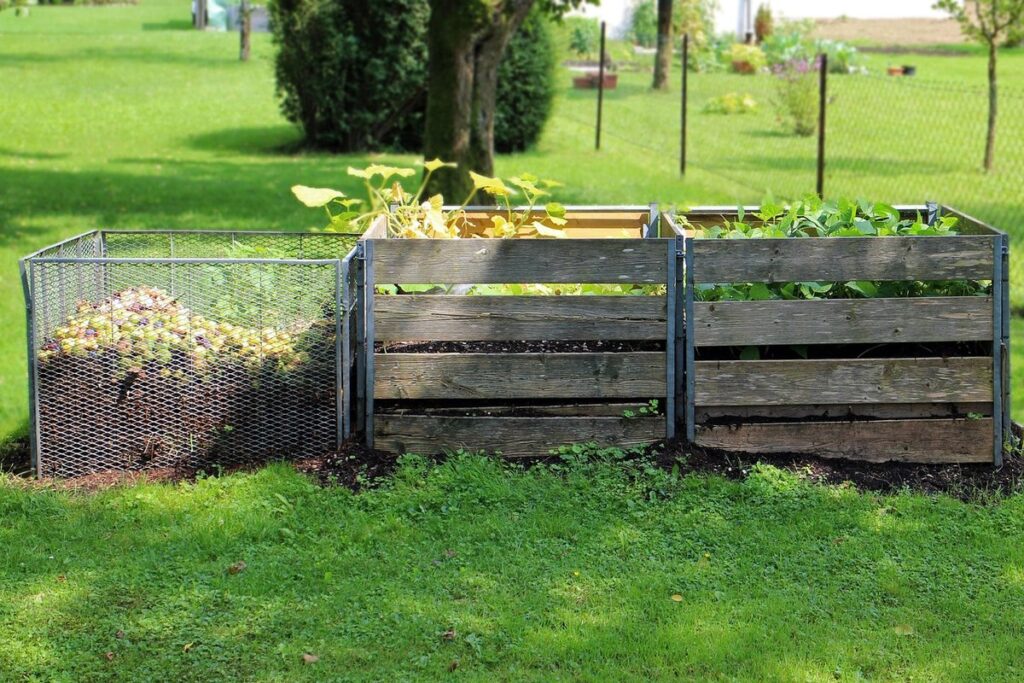
Think about the material of the bin: plastic, metal, or wooden bins each have their pros and cons. Wooden bins are aesthetically pleasing but may harbor pests; plastic bins are durable but can be prone to cracking in cold temperatures. Metal bins, on the other hand, are lightweight and resistant to pests, making them an excellent choice for small spaces.
Accessibility is another key factor: a bin or pile that’s easy to access will encourage you to regularly turn your compost, speeding up the decomposition process. Consider bins with wheels or those that can be easily moved around your yard. Aesthetics also matter – choose a bin that fits your kitchen decor and won’t become an eyesore over time.
When selecting a bin or pile type, consider the size of your kitchen waste output. If you’re processing large quantities of food scraps, a larger bin or outdoor pile will be necessary to accommodate the volume. Some popular options for large-scale composting include stationary tumblers or rotating drums.
Tips for Maintaining Optimal Compost Conditions
To maintain optimal compost conditions, it’s essential to monitor temperature, moisture levels, carbon-to-nitrogen ratios, and other critical parameters. A well-functioning compost pile should have a temperature between 130°F and 140°F (54°C to 60°C), which is usually reached within the first few days of active decomposition.
To achieve this optimal temperature, ensure your compost pile has a mix of “green” materials (high in nitrogen) like food scraps and grass clippings, and “brown” materials (high in carbon) like leaves or shredded newspaper. Aim for a 2:1 to 3:1 brown-to-green ratio. Keep the pile moist, like a damp sponge, as this will facilitate microbial activity.
Check your compost pile regularly by inserting a thermometer probe or simply feeling the temperature with your hand. Adjust moisture levels and carbon-to-nitrogen ratios as needed. Regular turning of the compost pile also helps to maintain optimal conditions. Aim to turn your compost every 7-10 days for the first few weeks, then monthly thereafter.
Monitor your compost’s texture by checking if it’s crumbly or chunky; aim for a smooth, uniform consistency. If you notice any unpleasant odors, add more brown materials to balance out the carbon-to-nitrogen ratio.
Comparing Bokashi and Composting Costs and Sustainability
When it comes to reducing your kitchen waste’s environmental impact, cost is a crucial consideration. We’ll break down the expenses associated with bokashi and composting methods.
Initial Investment and Ongoing Expenses
When it comes to initial investment and ongoing expenses, both bokashi and composting methods have their differences. A typical bokashi kit can cost anywhere from $20 to $100, depending on the brand and features. This upfront cost includes a fermentation vessel, microbe-rich powder, and sometimes additional accessories. On the other hand, compost bins can range from $30 to $300 or more, considering factors like size, material, and features.
In terms of ongoing expenses, bokashi maintenance is relatively low-cost. You’ll need to replace the microbe-rich powder periodically, which can cost between $10 to $20 every 2-3 months. Composting, however, requires a steady supply of brown materials like leaves or shredded paper for carbon-rich balance. These materials might not be readily available and can add up over time.
Consider your specific needs and resources before making a decision. If you have limited space and prefer a hands-off approach, bokashi might be more suitable due to its low maintenance costs. Conversely, composting is often preferred by gardeners who want to create nutrient-rich soil for their plants.
Environmental Impact and Carbon Footprint
When it comes to the environmental impact of kitchen waste management, both bokashi and composting have their strengths and weaknesses. Let’s examine the eco-friendliness of these methods.
Bokashi is generally considered a more energy-efficient option compared to traditional composting. It doesn’t require turning or aerating, which means less manual labor and equipment usage. Additionally, bokashi can be processed indoors, eliminating the need for outdoor space and reducing odors associated with composting. However, some critics argue that bokashi’s fermentation process generates more greenhouse gases than composting.
On the other hand, traditional composting has a lower carbon footprint when done correctly. It involves natural decomposition processes, minimizing waste generation and the need for external resources like energy or water. However, this method requires regular maintenance, including turning and monitoring temperature levels. In contrast, bokashi can be left to ferment for extended periods.
In terms of resource utilization, bokashi tends to require more specialized equipment and ingredients, such as Effective Microorganisms (EM) powder. Composting, while often labor-intensive, relies on readily available materials like food scraps and yard trimmings.
Consider your lifestyle and the resources you have access to when choosing between these two methods. If you’re short on time or space, bokashi might be a more suitable option. However, if you can commit to regular maintenance and prefer a low-tech solution, composting could be the better choice for you.
Case Studies and Real-Life Examples of Bokashi vs Composting Success Stories
Let’s take a closer look at how real people have successfully implemented bokashi and composting in their homes, yielding surprising results. From households to small farms, we’ll explore some remarkable stories of kitchen waste reduction.
Successful Implementations in Urban and Rural Settings
One of the most compelling aspects of both bokashi and composting is their ability to thrive in various settings. Let’s take a look at some inspiring examples of individuals and organizations that have successfully implemented these systems.
In urban areas, Sarah from New York City, for instance, has been using a compact bokashi system to manage her kitchen waste. She notes that it’s perfect for small spaces and produces minimal odors. “I’ve seen significant reductions in my trash output,” she shares. Her setup involves regular emptying of the liquid into her garden, where it serves as a nutrient-rich fertilizer.
In contrast, a rural farm in California has adopted an outdoor composting system. The farm’s owners found that using bokashi initially was challenging due to high temperatures and pests. They now focus on layering food waste with bulking agents and allowing the mixture to break down over time. “We’ve seen significant improvements in our soil quality,” they report.
The key takeaway from these examples is that both methods can be successful in various settings, but it’s essential to consider factors like space constraints, pests, and local regulations when choosing between bokashi or composting.
Lessons Learned from Real-World Experiences
When it comes to managing kitchen waste, two popular methods often come up: bokashi and composting. To help you make an informed decision, let’s look at some real-world experiences that demonstrate the benefits and limitations of each approach.
One common challenge with composting is maintaining a consistent carbon-to-nitrogen ratio, which can lead to unpleasant odors or ineffective decomposition. In contrast, bokashi fermentation eliminates this issue by utilizing microorganisms to break down waste quickly and efficiently. For example, a family in Tokyo reduced their kitchen waste by 70% using a bokashi bin, achieving impressive results with minimal effort.
Another key takeaway from real-world experiences is the importance of proper bokashi bin maintenance. Regularly draining liquid produced during fermentation (known as “bokashi tea”) and ensuring adequate oxygen supply can significantly enhance the process’s effectiveness. By understanding these nuances, you’ll be better equipped to choose the method that suits your lifestyle and waste management needs.
To replicate these successes at home, start by selecting a suitable bokashi or composting system based on your kitchen size and waste generation rate. Don’t forget to follow proper maintenance guidelines, such as draining liquid regularly and monitoring temperature fluctuations in compost piles.
Conclusion: Choosing the Best Method for Your Needs
Now that we’ve weighed the pros and cons of bokashi and composting, it’s time to decide which method is right for you. We’ll break down the key factors to consider in choosing the best fit for your kitchen waste needs.
Recap of Key Points and Takeaways
In this article, we’ve weighed the pros and cons of bokashi vs composting methods for kitchen waste management. The key takeaways can be boiled down to a few crucial points. When deciding between these two options, consider the specific needs of your household.
If you live in an apartment with limited outdoor space or have concerns about pests and odors, bokashi may be the better choice. This method allows for indoor processing of waste, eliminating any potential attractants for pests and minimizing unpleasant smells. On the other hand, composting requires a dedicated outdoor space for decomposition to occur.
It’s also worth noting that the types of food waste you produce can impact your decision. If your household generates primarily fruit and vegetable scraps, bokashi may be the most efficient choice. However, if you have excess amounts of meat or dairy products, composting might be more suitable due to the potential for attracting pests with high-protein materials.
Ultimately, choose a method that aligns with your lifestyle and waste output. Consider the time commitment required for each process, as well as the end product’s intended use – whether it’s fertilizing a garden bed or adding nutrients to potted plants.
Recommendations for Future Research or Implementation
As we conclude our exploration of bokashi and composting methods, it’s essential to consider areas for further research and implementation. For those looking to adopt either method, here are some recommendations for future improvements:
To enhance the effectiveness of bokashi fermentation, researchers could explore optimizing temperature control and monitoring systems to prevent over-fermentation or contamination. This would ensure consistent results and expand its applications beyond residential use.
Composting enthusiasts might benefit from a more in-depth study on the impact of different carbon-to-nitrogen ratios on decomposition rates. Experimenting with various household waste combinations could provide valuable insights for maximizing nutrient retention and minimizing greenhouse gas emissions.
For homeowners, implementing a combination of both bokashi and composting methods could lead to greater efficiency and reduced waste output. Integrating these systems could also inform more comprehensive kitchen waste management strategies at the community or municipal level.
By exploring these avenues, we can continue to refine our understanding of sustainable kitchen waste management practices and develop innovative solutions for a more eco-friendly future.
Frequently Asked Questions
Can I use bokashi for large quantities of waste?
You can, but it’s essential to understand that the fermentation process may slow down or become less effective with excessive amounts of organic matter. It’s recommended to process smaller batches (about 1-2 weeks’ worth) and have a plan in place for handling larger volumes. This might involve splitting your bokashi scraps into multiple containers or exploring alternative methods, such as composting.
How do I know when my bokashi is ready?
The fermentation process typically takes anywhere from 10 to 30 days, depending on factors like temperature and the type of waste. You can check for readiness by observing the contents: a healthy bokashi will have an earthy aroma, minimal liquid production, and a crumbly texture. When in doubt, it’s always best to err on the side of caution and wait longer rather than risk contaminating your finished product.
Can I use both bokashi and composting methods together?
While they share some similarities, these two approaches serve different purposes and have distinct advantages. Bokashi is ideal for indoor spaces or small-scale waste management, whereas composting is often better suited for larger quantities of organic matter. You can, however, integrate elements from each method to create a hybrid system tailored to your specific needs.
How do I deal with contamination in my bokashi?
If you notice signs of contamination, such as mold growth or an unpleasant odor, it’s crucial to address the issue promptly. Remove any affected materials and re-start the fermentation process using fresh ingredients. Regular monitoring and maintenance are key to preventing contamination from occurring in the first place.
Can I use bokashi liquid fertilizer on acid-loving plants?
Bokashi liquid fertilizers tend to have a high pH level, which might not be suitable for acid-loving plants like azaleas or blueberries. Before applying this liquid fertilizer to your garden, consider testing its pH levels and adjusting accordingly. You may need to dilute the bokashi liquid or mix it with other fertilizers to achieve an optimal balance for your specific plant needs.