
If you’re new to vermicomposting, you might have come across two popular types of compost worms: compost worms and red wigglers. But did you know that they’re not exactly the same? While both can help turn your food scraps into nutrient-rich soil, there are some key differences between them. Understanding these distinctions is crucial for creating an efficient vermicomposting system that meets your needs. In this article, we’ll delve into the anatomy, diet, and efficiency of each type of worm, helping you determine which one is best suited for your project. We’ll explore the pros and cons of using compost worms versus red wigglers, so you can make an informed decision about which type will work best for you. By the end of this article, you’ll have a clear understanding of which worms to use and how to get the most out of your vermicomposting efforts.
Understanding Compost Worms and Red Wigglers
When it comes to composting, two types of worms often get lumped together: compost worms and red wigglers. But what’s the difference between them?
What are Compost Worms?
Compost worms are a type of worm specifically bred for composting and vermicomposting. They belong to the Eisenia hortensis species, which is native to Europe and Asia but has been widely cultivated around the world due to its beneficial characteristics. These worms have elongated bodies that range from 2-4 inches in length, with a rounded head and setae (bristles) on their underside for movement.
One of the defining features of compost worms is their voracious appetite for decaying organic matter. They can consume up to half their body weight in food every day, breaking down materials into nutrient-rich compost in the process. Compost worms have a unique ability to adapt to different temperatures and humidity levels, making them an ideal choice for vermicomposting in various environments.
When using compost worms, it’s essential to provide a balanced diet of carbon-rich “brown” materials like shredded newspaper or coconut coir alongside nitrogen-rich “green” materials such as food scraps. Maintaining optimal moisture levels between 50-60% and ensuring adequate oxygen flow will also promote healthy worm activity and prevent potential issues.
Types of Compost Worms
There are several types of compost worms that can be used for vermicomposting, but not all of them are created equal. European nightcrawlers (Eisenia hortensis) and red wigglers (Eisenia fetida) are two of the most popular species used in composting.
Red wiggler worms, as we’ve discussed earlier, are a favorite among compost enthusiasts due to their ability to thrive in a wide range of environments. They are also highly efficient at breaking down organic matter and can produce a high-quality compost in a relatively short period.
European nightcrawlers, on the other hand, are larger than red wigglers and have a slightly different temperament. They are also effective at composting but tend to prefer cooler temperatures and higher moisture levels. While they can be used for vermicomposting, they may not be as suitable for small-scale operations.
It’s essential to choose the right type of compost worm for your specific needs and environment. If you’re a beginner, red wigglers are often a good choice due to their adaptability and ease of care. However, if you have a larger operation or prefer a more robust composting process, European nightcrawlers may be a better option.
Characteristics of Red Wigglers
Red wigglers are a popular choice for composting, but what sets them apart from other types of worms? Let’s take a closer look at their unique characteristics.
Physical Characteristics
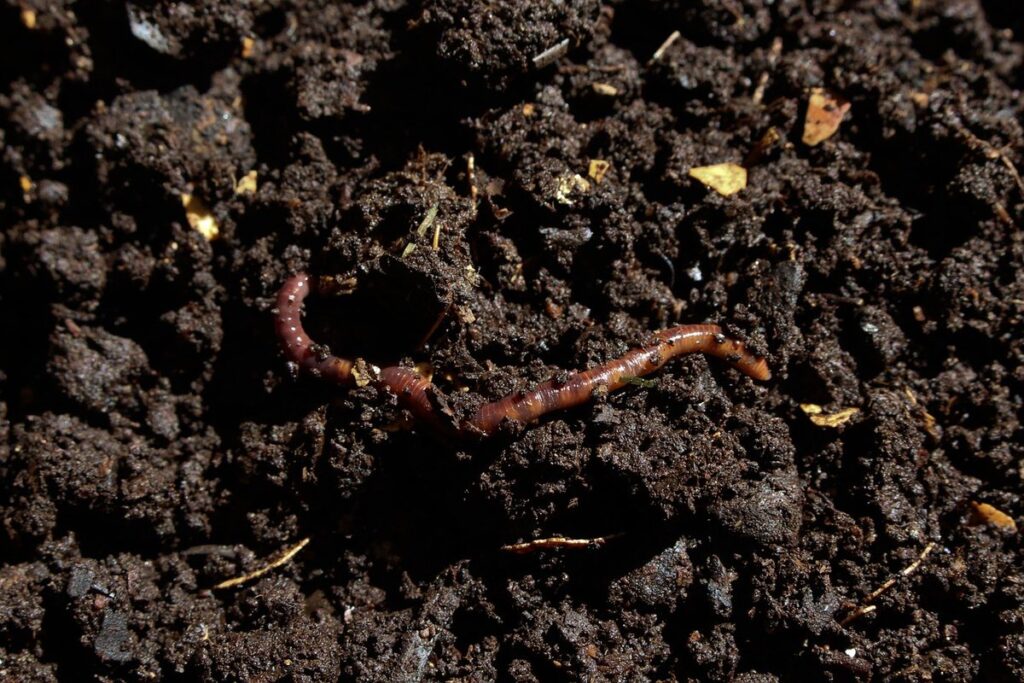
Red wiggler worms are known for their distinctive physical characteristics. One of the most notable features is their elongated body shape, which is typically around 1-2 inches (2.5-5 cm) in length and about 0.25 inches (6 mm) in width. Their slender bodies allow them to easily move through compost piles and soil.
In terms of color, red wiggler worms are usually a reddish-pink hue, with some individuals having a slightly lighter or darker shade. This pinkish tint helps distinguish them from other types of earthworms. The setae, or bristles, on their bodies are also relatively short compared to compost worms.
A closer look at the red wiggler’s body will reveal its rounded ends and a series of tiny pores along its length. These pores help regulate moisture levels within the worm’s body. When it comes to identifying red wigglers, pay attention to their overall size, coloration, and slender build. With practice, you’ll become more comfortable distinguishing them from compost worms in your composting endeavors.
Behavior and Habitat
Red wiggler worms are well-adapted to living in compost environments, and their behavior and habitat preferences reflect this. They thrive in moist, dark conditions with a temperature range of 55-77°F (13-25°C), ideal for decomposition processes. Red wigglers tend to burrow vertically into the compost pile, which helps to aerate it and facilitate nutrient cycling.
In terms of habitat, red wiggler worms prefer a mix of carbon-rich materials like shredded newspaper or cardboard with nitrogen-rich additions like fruit scraps or vegetable peels. This balance of “green” and “brown” materials supports their feeding habits and promotes efficient decomposition.
To create an optimal environment for red wigglers, maintain a 2:1 to 3:1 ratio of brown to green materials, ensuring adequate moisture but avoiding waterlogging. Regular mixing of the compost pile also helps to maintain oxygen levels and prevent anaerobic conditions that can harm worms. By understanding and replicating their natural habits, you can create a thriving environment for your red wiggler population, supporting efficient composting and waste management.
Reproduction and Lifespan
Red wigglers are prolific breeders, with females capable of producing up to 6 batches of cocoons per year. A single female can lay an average of 5-10 cocoons per batch, each containing 2-3 young worms. This means that a small population of red wiggler worms can quickly expand in size.
In ideal conditions, red wigglers can live for up to 5 years in the wild, but their lifespan is significantly reduced when raised in captivity. A well-maintained worm bin with adequate food, moisture, and temperature can support red wigglers for around 2-3 years. To maintain a healthy population, it’s essential to monitor and manage your worms’ reproduction by controlling the number of cocoons and young worms.
To encourage optimal reproduction, provide your worms with a diverse diet rich in fiber and nutrients. Regularly adding fresh organic matter like fruit scraps or vegetable peels will stimulate cocoon production. Be sure to maintain a consistent temperature between 55-77°F (13-25°C) and keep the worm bin moist but not waterlogged.
When managing red wiggler populations, consider the following tips:
* Maintain a minimum of 1-2 square feet of space per pound of worms
* Regularly harvest mature worms to maintain a balance of age groups in your population
* Monitor and control the number of cocoons to prevent overcrowding
Compost Worms vs Red Wigglers: Key Differences
Let’s dive into the key differences between compost worms and red wiggler earthworms, including their physical characteristics and behavior. We’ll explore what sets them apart from one another.
Anatomy and Physiology
When it comes to compost worms and red wigglers, their anatomy and physiology are crucial factors to consider. While both types of worms share similarities, there are key differences that set them apart.
One notable difference lies in their body structure. Compost worms, also known as Eisenia fetida, tend to have a thicker cuticle layer than red wiggler earthworms (Eisenia andrei). This added protection helps compost worms withstand the high levels of ammonia present in decomposing organic matter. In contrast, red wigglers are more slender with a thinner cuticle layer, allowing them to tunnel quickly through soil.
The digestive systems of both worm types also vary. Compost worms have a longer intestine-to-body mass ratio, which enables them to break down complex organic matter more efficiently. This means compost worms can handle high-strength waste and produce more castings per gram of body weight than red wigglers. Conversely, red wigglers excel at processing soil nutrients and aerating the ground.
In terms of reproduction, both worm types have a similar reproductive strategy. They can reproduce rapidly when provided with optimal conditions and abundant food sources. However, compost worms tend to be more prolific breeders than red wigglers.
When selecting which type of worm is best for your composting needs, understanding their anatomy and physiology can significantly impact your decision-making process. Consider factors such as the strength of waste you’re working with, soil conditions, and desired end-product quality when choosing between these two options.
Diet and Nutrition
When it comes to composting with worms, understanding their dietary needs and preferences is crucial for maintaining a healthy and thriving worm population. Both compost worms and red wigglers are expert decomposers, but they have distinct preferences when it comes to the food they eat.
Compost worms tend to thrive on a diet rich in vegetable scraps, fruits, and tea bags. They can even tolerate small amounts of coffee grounds, although excessive consumption may lead to an imbalance of nitrogen levels in the compost pile. On the other hand, red wigglers are more finicky and require a balanced diet that includes a mix of green materials (such as grass clippings or fresh manure) and brown materials (like shredded newspaper or cardboard).
To ensure your worm population stays healthy, it’s essential to maintain a 2:1 ratio of “green” to “brown” materials. This balance will provide the necessary nutrients for optimal decomposition while preventing excessive moisture buildup.
In practical terms, this means adding a handful of vegetable scraps and tea bags to the compost pile every few days, along with a layer of shredded newspaper or cardboard to absorb excess moisture. By following these guidelines, you can create an ideal environment for your worms to thrive in.
Vermicomposting Efficiency
When it comes to vermicomposting efficiency, both compost worms and red wigglers can be effective, but there are some key differences to consider. Red wiggler composting worms are generally considered the gold standard for vermicomposting due to their high processing capacity and ability to break down organic matter quickly.
On average, a pound of red wigglers can process up to 2 pounds of waste per week, making them an ideal choice for small-scale composting operations. In contrast, compost worms are more geared towards large-scale industrial applications and may not be as suitable for home gardeners or backyard composters.
One key factor to consider is the worm’s ability to survive in low-oxygen environments. Red wigglers are highly adaptable and can thrive in conditions with minimal oxygen, making them a better choice for vermicomposting bins with limited airflow. On the other hand, compost worms require more oxygen-rich environments to survive.
To maximize vermicomposting efficiency, it’s essential to choose the right worm species based on your specific needs and operation size. Be sure to research and understand the unique characteristics of each type before making a decision.
Benefits of Using Compost Worms vs Red Wigglers
When it comes to choosing between compost worms and red wigglers, understanding their unique benefits is crucial for optimizing your vermicomposting system. Here’s a comparison of the advantages each type offers.
Environmental Impact
When it comes to vermicomposting, two popular types of compost worms are often debated: compost worms and red wiggler. While both can help break down organic matter into nutrient-rich fertilizer, their environmental impact differs significantly.
Compost worms tend to thrive in more controlled environments, such as indoor worm farms or compact composting systems. This allows for a more contained process, reducing the risk of escaped worms or contaminated soil. In contrast, red wiggler populations can be more unpredictable and require larger spaces for burrowing and habitat creation.
Research suggests that vermicomposting using compost worms can reduce greenhouse gas emissions by up to 75% compared to traditional composting methods. This is attributed to the worms’ ability to break down organic matter quickly and efficiently, minimizing the need for energy-intensive machinery.
To maximize environmental benefits when using either type of worm, consider implementing best practices such as maintaining optimal temperature ranges (55-77°F), providing adequate moisture levels, and avoiding overfeeding. Regular monitoring of pH levels and ensuring sufficient aeration will also contribute to a healthier ecosystem.
Soil Health and Fertility
When it comes to soil health and fertility, both compost worms and red wiggler worms play crucial roles. Compost worms, also known as tiger worms, are highly efficient at breaking down organic matter into a nutrient-rich compost that improves soil structure and fertility.
They produce castings that are high in nitrogen, phosphorus, and potassium – the essential macronutrients for plant growth. For example, if you have clay-heavy soil, adding compost worm castings can help improve its drainage and aeration. On the other hand, red wiggler worms are expert decomposers of a wide range of organic materials, including food waste and manure.
They break down these materials into a liquid fertilizer that’s rich in beneficial microbes, which help to stimulate plant growth and resistance to diseases. By using both compost worms and red wigglers, you can create a balanced and thriving soil ecosystem. To maximize their impact on your soil health, make sure to provide them with adequate food sources, sufficient moisture levels, and a well-ventilated habitat.
By incorporating these worms into your composting process, you’ll be able to produce high-quality compost that promotes healthy plant growth and supports the overall fertility of your soil.
Nutrient Cycle and Availability
Both compost worms and red wigglers play significant roles in nutrient cycling and availability. Compost worms, being more efficient at breaking down organic matter, tend to consume a broader range of materials. This makes them ideal for worm composting applications where a wide variety of food waste is present.
Red wigglers, on the other hand, are more adept at processing high-starch foods like potatoes and oats. They contribute significantly to nutrient cycling by converting these organic materials into rich compost. In contrast, compost worms prefer low-starch foods such as fruit and vegetable scraps.
When choosing between compost worms and red wigglers, consider the type of waste you plan to process. If your worm bin contains a mix of food waste, compost worms are likely the better choice. However, if high-starch materials dominate your waste stream, red wigglers would be more suitable. By selecting the right species for your specific needs, you can optimize nutrient cycling and availability in your worm composting system.
Choosing Between Compost Worms and Red Wigglers
Now that you’ve decided on using worms for composting, it’s time to choose between two popular types: compost worms and red wigglers. But how do you know which one is right for your garden?
Considerations for Small-Scale Vermicomposting
When it comes to small-scale vermicomposting operations, choosing the right type of worm is crucial. Compost worms and red wigglers are both popular options, but they have distinct characteristics that make one more suitable for smaller setups.
Red wiggler beds require a significant amount of space due to their high population density and rapid breeding rate. These worms can produce 1-2 pounds of castings per week, which can be overwhelming for small-scale operations. In contrast, compost worms are generally slower breeders and require less space, making them an ideal choice for smaller vermicomposting setups.
Considerations such as available space, desired production levels, and the type of waste being processed should guide your decision when selecting between these two worm types. For example, if you have limited space but want to maintain a high production level, compost worms might be the better option.
Scalability and Large-Scale Vermicomposting
When it comes to larger-scale vermicomposting projects, choosing between compost worms and red wigglers is crucial for efficiency and effectiveness. Compost worms, also known as Eisenia fetida, are ideal for high-volume operations due to their exceptional reproduction rate and ability to break down organic matter quickly.
On the other hand, red wigglers (Eisenia andrei) have a slightly slower reproduction rate but can tolerate a wider range of temperatures and pH levels. For larger-scale projects, it’s essential to consider factors like space, food supply, and waste management.
For example, if you’re setting up a vermicomposting operation in a commercial setting, compost worms might be the better choice due to their high reproduction rate and ability to process large amounts of waste efficiently. However, if your project requires more flexibility in terms of temperature and pH levels, red wigglers could be a better fit.
Ultimately, it’s crucial to consider your specific needs and circumstances before making a decision. Research local suppliers, test different worm species, and monitor their performance under various conditions to ensure the best results for your large-scale vermicomposting project.
Maintenance and Care Requirements
Both compost worms and red wiggler worms have specific maintenance and care requirements that you’ll need to consider when setting up a worm farm. Compost worms, such as Eisenia fetida, thrive in temperatures between 55°F and 77°F (13°C and 25°C). They prefer a pH range of 6.5 to 7.5 and can tolerate some moisture but not excessive amounts.
Red wiggler worms, on the other hand, are more adaptable to changing conditions. They can survive at temperatures ranging from 50°F to 90°F (10°C to 32°C) and have a slightly broader pH tolerance of 6.0 to 8.0. However, red wigglers require regular burrowing opportunities to stay healthy.
When it comes to feeding your worms, both types can be fed vegetable scraps, fruit peels, and other organic matter. However, compost worms tend to produce more castings (worm manure) than red wigglers. To keep your worm farm in balance, make sure to provide adequate aeration by adding bedding materials like coconut coir or shredded newspaper.
In terms of maintenance, it’s essential to regularly monitor temperature, moisture levels, and pH to ensure optimal conditions for your worms. This will help prevent disease and ensure healthy composting processes.
Conclusion: Compost Worms vs Red Wigglers in Practice
Now that we’ve explored the key differences between compost worms and red wigglers, let’s put them into practice and see which species excels. We’ll examine real-world experiences to find out what works best.
Recap of Key Differences and Benefits
When it comes to choosing between compost worms and red wigglers for your vermicomposting needs, understanding the key differences is crucial. Compost worms, as we’ve discussed, are more versatile in their diet and can handle a broader range of waste materials. They’re also generally more tolerant of changing temperatures and moisture levels.
On the other hand, red wiggler worms have some distinct advantages. Their voracious appetite for food scraps makes them ideal for households with high organic waste production. Additionally, they reproduce at an astonishing rate, allowing you to harvest a significant amount of compost in a relatively short period.
While both options are viable choices, consider your specific needs and circumstances before making a decision. If you have limited space or can’t guarantee consistent temperature and moisture levels, red wigglers might be the better option. However, if you’re looking for a more adaptable and efficient solution, compost worms could be the way to go.
Ultimately, both types of worms will produce high-quality compost that’s rich in nutrients and beneficial microbes. By understanding their unique characteristics and needs, you can make an informed decision that suits your vermicomposting goals.
Future Directions and Recommendations
As we conclude our comprehensive guide on compost worms vs red wigglers, let’s explore potential future applications and provide recommendations for vermicomposting practitioners. One area of significant growth is urban agriculture, where vermicomposting can play a crucial role in reducing food waste and increasing crop yields. By integrating worm composting into community gardens and green spaces, cities can reduce their environmental footprint while providing fresh produce to residents.
For practitioners looking to incorporate vermicomposting on a larger scale, consider the following recommendations:
* Invest in robust infrastructure that can handle increased waste and worm populations.
* Develop strategic partnerships with local organizations, such as schools or community centers, to educate and engage new participants.
* Continuously monitor and improve worm health through regular monitoring of temperature, pH, and moisture levels.
* Consider implementing automation systems to streamline the composting process and reduce labor costs.
By embracing innovation and collaboration, vermicomposting practitioners can create a more sustainable future for urban agriculture.
Frequently Asked Questions
Can I use compost worms and red wigglers together in the same vermicomposting system?
Yes, it is possible to co-raise compost worms and red wigglers. However, ensure that your system is designed for their combined needs, as they have different temperature preferences and food requirements.
How do I determine if my worm population is predominantly compost worms or red wiggler?
To identify the species of your worms, observe their physical characteristics, such as setae (bristles) on the underside and body shape. Compost worms tend to be more elongated with a rounded head, while red wigglers are shorter with a pointed snout.
What is the ideal pH range for compost worms versus red wiggler colonies?
Compost worms prefer a slightly acidic to neutral pH (6.0-7.5), whereas red wigglers can tolerate a wider pH range (5.5-8.5). Adjust your system accordingly based on the species you’re working with.
Can I use compost worms for large-scale vermicomposting, or do they have limitations?
While compost worms are efficient, they may not be suitable for extremely large-scale operations due to their slower reproduction rate compared to red wigglers. Research and consider factors like space, nutrition, and waste management before choosing a worm species.
What are some common mistakes beginners make when transitioning from compost worms to red wiggler vermicomposting?
Newcomers often overlook the increased temperature sensitivity of red wigglers or fail to adjust their feeding schedule accordingly. Start by researching specific requirements for each species to ensure a smooth transition and optimal results.