
When you’re working with your garden, managing soil health is key to growing thriving plants. One often-debated addition to compost piles is wood ash: does it bring benefits or risks? The answer lies in balancing its pH levels and managing moisture. If not handled properly, ash can harm your plants due to high alkalinity. However, when used correctly, wood ash can enrich the nutrient availability of your soil, creating a healthier environment for growth.
In this article, we’ll explore how to safely incorporate ash into your composting routine. We’ll discuss strategies for managing pH levels and moisture content to avoid harming your plants. By learning how to balance these factors, you can make the most of wood ash’s benefits while minimizing its drawbacks.
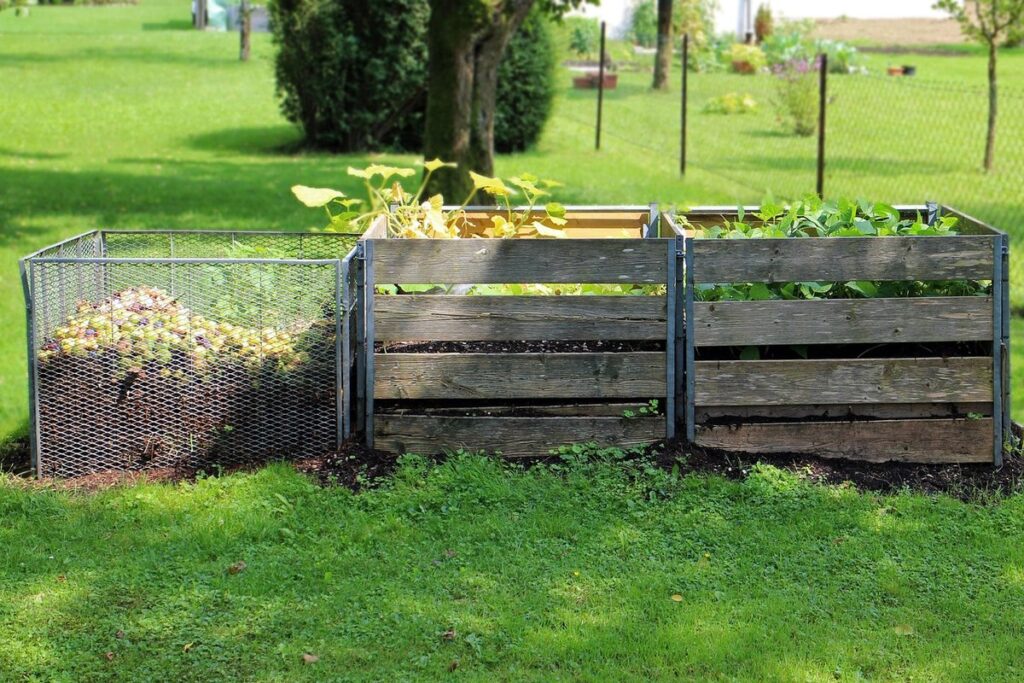
Understanding the Benefits and Risks of Using Ash in Compost
When it comes to using ash in your compost, there are several factors to consider beyond its nutrient-rich properties. Let’s dive into the benefits and risks of incorporating ash into your composting routine.
Why Add Ash to Your Compost?
Adding ash to your compost may seem counterintuitive at first, but it’s actually a valuable ingredient that can enhance the overall quality of your finished product. One key benefit of using ash is its ability to neutralize pH levels. Compost can sometimes become too acidic due to the presence of certain microorganisms or materials like citrus peels and tea bags. Ash, on the other hand, has a high pH level, which helps counterbalance this acidity.
In addition to regulating pH, ash also provides micronutrients that are essential for plant growth. It’s rich in potassium, calcium, and magnesium – all of which play critical roles in photosynthesis, nutrient uptake, and overall plant development. When you mix ash into your compost pile, these micronutrients become available to the microorganisms as they break down organic matter.
Another advantage of using ash is its role in improving soil structure. As it decomposes, ash acts as a natural conditioner that enhances soil’s water retention capacity and aeration properties. This allows roots to grow more easily and plants to absorb nutrients more efficiently.
Types of Ash Suitable for Composting
When it comes to adding ash to your compost pile, not all types are created equal. The type of ash you use can greatly impact the safety and quality of your finished compost.
Wood ash, for example, is a popular choice among gardeners due to its high potassium content and ability to neutralize acidic soils. However, it’s essential to note that wood ash from softwoods (e.g., pine or spruce) contains more resin than hardwood ash and can create an imbalance in your soil pH.
Coal ash, on the other hand, is not recommended for composting as it often contains high levels of heavy metals like lead, mercury, and arsenic. These toxins can persist in your soil even after composting, posing a risk to plants, animals, and humans alike.
Other organic materials like bone ash (derived from animal bones) or plant-based ashes (like coconut coir ash) are also worth exploring. These options tend to be rich in nutrients and can provide beneficial microorganisms to your compost pile.
When selecting an ash for composting, it’s crucial to check the source and composition of the material. Opt for wood ash from hardwoods like oak or maple, and avoid coal ash altogether. This will ensure a safe and effective addition to your compost pile.
Potential Risks and Precautions When Using Ash in Compost
When using ash in compost, it’s essential to be aware of the potential risks involved. One significant concern is contamination, as ash can introduce heavy metals like lead and mercury into your soil. These pollutants can have devastating effects on plant growth and even pose health risks to humans and wildlife.
Another risk is nutrient imbalance. Ash contains high levels of potassium (K) but often lacks other essential nutrients like nitrogen (N), phosphorus (P), and calcium (Ca). If you add too much ash, it can disrupt the delicate balance of your compost’s pH and nutrient profile, leading to poor plant growth or even toxicity.
To mitigate these risks, it’s crucial to use ash judiciously. A good rule of thumb is to limit your ash additions to 10% of your total compost materials. Also, be sure to mix the ash thoroughly with other carbon-rich materials like leaves or straw to minimize its impact on pH and nutrient levels. Regular monitoring of your compost’s pH and nutrient levels can also help you catch any potential imbalances early on.
Creating a Safe and Effective Ash-Composting System
When working with ash in your compost, it’s essential to create a safe and effective system that balances its benefits with potential risks. Let’s dive into the key considerations for building such a system.
Setting Up an Ash-Based Composting System
When setting up an ash-based composting system, it’s essential to strike the right balance between ash and other materials. A general rule of thumb is to maintain a ratio of 10% to 20% ash to 80% to 90% “green” materials like food scraps, leaves, or grass clippings. This allows for efficient carbon-to-nitrogen ratios, which in turn supports healthy microbial activity.
Choose a bin that’s specifically designed for composting, as it will allow for adequate airflow and moisture control. A larger bin with a capacity of at least 4x4x4 feet is ideal for ash-based systems, as it enables you to add significant amounts of materials without compromising on space.
To maintain your system effectively, ensure the pile reaches temperatures of at least 130°F within a week or two after initial setup. Regularly turning and aerating the compost will also help speed up the process. Additionally, monitor moisture levels by checking for stickiness; if it’s too dry, add water gradually to achieve an optimal consistency.
Keep in mind that ash can be quite alkaline, so balance is crucial. Monitor pH levels regularly to ensure they remain within a 6.5-7.5 range.
Balancing pH Levels with Ash in Your Compost
When using ash in compost, maintaining a balanced pH level is crucial. Ash from wood sources tends to be alkaline, which can disrupt the natural acidic environment of most compost piles. If left unmonitored, this imbalance can lead to reduced microbial activity and ineffective decomposition.
To monitor your pH levels, you’ll need a pH testing kit specifically designed for soil or compost analysis. These kits usually include pH test strips or a handheld device that provides an accurate reading. Check the pH level regularly, ideally once a week, especially during the initial stages of composting with ash.
If your pH readings show an extreme deviation from the neutral range (pH 6-7), take corrective action by adding acidic materials like peat moss, pine needles, or coffee grounds to balance it out. Start with small increments and reassess the pH level after a week to avoid over-correcting. This will help maintain a stable environment for your microorganisms to thrive, ensuring optimal compost quality and safety.
Managing Moisture and Odor with an Ash-Composting System
When using ash in your composting system, managing moisture and odor levels is crucial to maintaining a healthy and efficient process. High moisture levels can lead to anaerobic conditions, resulting in unpleasant odors and potentially harming microorganisms. To avoid this, it’s essential to balance the moisture content by adding sufficient carbon-rich materials, such as dry leaves or shredded newspaper.
To minimize odors, you can incorporate odor-neutralizing agents like wood ash or straw into your compost pile. These materials will help absorb excess moisture and mitigate unpleasant smells. Regular turning of the compost heap also promotes aeration, further reducing odor production.
As a general rule, maintain a 2:1 ratio of “green” to “brown” materials in your compost pile, with green materials (high in nitrogen) making up the smaller portion. This balance will help regulate moisture levels and minimize odors. Remember to monitor your compost’s moisture content regularly and adjust accordingly to ensure optimal conditions for decomposition.
The Science Behind Ash Composting: How It Works
At its core, composting ash is a fascinating process that leverages chemistry and biology to break down this alkaline material into usable nutrients for your garden. Let’s dive into how it all works!
Understanding the Chemistry of Ash Decomposition
When ash decomposes in compost, it undergoes a series of complex chemical processes that break down its constituent minerals and organic matter. These processes involve the release of potassium (K) ions from the potassium oxide (K2O) present in the ash, which then become available to microorganisms as a readily usable nutrient source.
As the ash decomposes, its calcium (Ca) content is also released, contributing to an increase in soil pH and calcium availability for plant growth. However, this increased calcium can potentially lead to an overabundance of calcium ions, which may inhibit microbial activity and disrupt the composting process. To mitigate this risk, it’s essential to monitor ash additions carefully and balance them with other nutrient-rich materials.
The decomposition of ash also releases other minerals like magnesium (Mg), sulfur (S), and phosphorus (P), which become available for plant uptake. Yet, excessive ash addition can lead to an imbalance in these nutrients, potentially harming soil health. To ensure optimal nutrient availability and soil health, it’s crucial to follow a balanced approach when incorporating ash into composting piles.
The Role of Micronutrients in Ash-Compost Systems
Micronutrients play a vital role in ash-compost systems, and they are often overlooked in favor of macronutrients. These essential micronutrients include copper, zinc, boron, manganese, molybdenum, and chlorine. They may seem insignificant, but they have a profound impact on plant growth and soil fertility.
Copper, for instance, helps with photosynthesis and plant defense mechanisms. A lack of copper can lead to stunted growth and reduced yields. Zinc is another crucial micronutrient that aids in nutrient uptake and utilization by plants. Boron, meanwhile, regulates cell wall formation and membrane function, while manganese supports enzyme activity.
The inclusion of ash in compost systems provides a natural source of these micronutrients. Wood ash from hardwood trees like oak and maple contains high levels of potassium, magnesium, and calcium, which are essential for plant growth. However, the addition of ash can also introduce micronutrient deficiencies if not managed properly. It’s essential to balance ash with other compost materials to maintain optimal nutrient ratios.
To make the most of micronutrients in ash-compost systems, it’s crucial to monitor soil pH levels and adjust the ash content accordingly. A pH range between 6.0 and 7.0 is ideal for most plants. Excessive ash can raise the pH, leading to nutrient deficiencies. By understanding the role of micronutrients and managing ash addition effectively, gardeners can create a rich and fertile compost that promotes healthy plant growth.
Interactions Between Ash and Other Compost Materials
When adding ash to your compost pile, it’s essential to understand its interactions with other materials. Ash can significantly impact the carbon-to-nitrogen ratio of your compost, which is crucial for a healthy decomposition process.
In general, wood ash tends to be high in potassium and calcium, making it an excellent addition to compost heaps that are deficient in these nutrients. However, excessive amounts of wood ash can raise the pH levels in your compost, potentially creating conditions that inhibit microbial growth.
When mixing ash with other materials like leaves or grass clippings, which tend to be high in carbon, you may need to adjust the ratio accordingly. Too much ash can lead to an overabundance of potassium, causing an imbalance in your compost’s nutrient profile.
To avoid these issues, it’s recommended to mix wood ash with a 3:1 or 4:1 ratio of “brown” materials like leaves or shredded newspaper to “green” materials like grass clippings or food waste. This balance will help maintain a healthy carbon-to-nitrogen ratio and prevent any negative impacts on your compost.
Using Ash in Composting: Best Practices and Tips
To ensure you’re getting the most out of your ash, we’ll walk you through best practices for using it in composting, including how to balance its pH effects.
Monitoring pH Levels with an Ash-Based Compost System
Monitoring pH levels is crucial when using ash in composting, as it can significantly impact the overall health of your compost pile. Ash can raise the pH level of your compost, potentially leading to an environment that’s too alkaline for beneficial microorganisms to thrive. To monitor pH levels effectively, you’ll need a pH testing kit or send samples to a lab for analysis.
A general guideline is to maintain a pH range between 6.0 and 7.5 in your compost pile. If the pH level exceeds this range, it can lead to nutrient deficiencies, reduced microbial activity, or even plant toxicity. To adjust pH levels, you can add acidic materials like peat moss, sulfur, or coffee grounds to lower the pH.
However, be cautious not to over-correct, as excessive acidification can also harm your compost pile. A balanced approach is key. For instance, if your ash-rich compost has a pH of 8.5, you may need to add only a small amount of acidic material, such as 1-2% peat moss or coffee grounds, to achieve the desired pH range. Regular monitoring and adjustments will help ensure optimal conditions for microorganisms to break down organic matter efficiently.
Avoiding Common Mistakes When Using Ash in Compost
When using ash in compost, it’s easy to get carried away with its potential benefits. However, there are common mistakes that can lead to a nutrient imbalance and harm the overall health of your compost. One major mistake is overusing ash – while it’s rich in calcium and potassium, too much of a good thing can be detrimental. Using more than 10% ash in your compost can throw off the pH balance and make it too alkaline.
Another error is neglecting other nutrient sources. Ash should not be relied upon as the sole source of nutrients in your compost. Other materials like food scraps, leaves, and grass clippings provide essential micronutrients that ash lacks. Failing to maintain a balanced system is also crucial – relying too heavily on ash can lead to an overabundance of certain minerals while neglecting others.
To avoid these pitfalls, it’s essential to use ash in moderation (about 5-10% of the total mix) and balance it with other nutrient-rich materials. Monitor your compost’s pH levels regularly, and adjust as needed.
Integrating Ash into Your Existing Composting Routine
Integrating ash into your existing composting routine is easier than you think. To start, you’ll want to add a small amount of ash to your compost pile, about 10-20% of the total volume. This will help balance out the carbon-to-nitrogen ratio and provide essential minerals for microorganisms.
When adding ash to your compost, it’s best to mix it in thoroughly with other materials like leaves or grass clippings. Avoid adding too much ash at once, as this can disrupt the pH balance of your compost pile.
To make incorporating ash into your routine even easier, consider setting aside a small bin or container specifically for collecting and storing ash. This will allow you to easily add it to your compost pile whenever needed.
Some types of ash are better suited for composting than others. For example, hardwood ash (from oak, beech, or maple trees) is particularly beneficial due to its high potassium content. Softwood ash, on the other hand, can contain too much sulfur and should be used in moderation.
When using ash from your wood stove or fire pit, make sure it’s fully cooled before adding it to your compost pile. This will prevent any potential fires from igniting within the pile.
Ash in Composting: Frequently Asked Questions
We’ve got you covered! Below, we’ll address some of the most common questions people have about using ash in their compost piles.
Can I Use Any Type of Ash in My Compost?
When it comes to using ash in compost, one of the most common questions is whether you can use just any type of ash. The answer is a resounding no. Not all ashes are created equal, and some types can even be toxic to your plants.
Wood ash, for example, is a popular choice for composting because it’s high in potassium, which helps promote healthy plant growth. However, if you’re using wood ash from burning pressure-treated wood or chemically treated wood, the chemicals in the wood can leach into the soil and harm your plants. On the other hand, hardwood ash like oak or maple is generally safe to use.
Bark ash and coal ash are also not recommended for composting. Bark ash can contain high levels of lignin, a compound that’s difficult for microorganisms to break down, while coal ash contains heavy metals that can contaminate your soil. Stick to wood ash from untreated hardwoods like ash, beech, or birch for the best results.
How Do I Know if I’m Using Too Much or Too Little Ash?
Using too much ash can lead to an overabundance of alkalinity in your compost, potentially harming the microorganisms that break down organic matter. Signs of this may include an unpleasant odor, slow decomposition rates, and a decrease in nutrient value.
To determine if you’re using too little ash, look for a lack of pH regulation within your pile. A sudden shift to acidic conditions can indicate an imbalance. On the other hand, adding too much ash results in an overabundance of alkalinity, making it difficult for microorganisms to thrive.
As a general rule of thumb, start with small increments (about 10% by volume) and observe the effects on your compost pile. Monitor pH levels regularly using testing kits or pH strips. Aim for a slightly acidic environment around 6.0-7.0, allowing beneficial microbes to flourish while maintaining optimal nutrient production.
Keep in mind that different types of ash have varying alkalinity levels, so consider this when making adjustments. For instance, hardwood ash tends to be more alkaline than softwood ash.
What Are the Long-Term Effects of Using Ash in Compost?
When it comes to using ash in compost, one of the biggest concerns is the long-term effects on the soil and plants. While ash can provide essential nutrients like potassium and calcium, excessive use can lead to an imbalance of these micronutrients.
Over time, high levels of potassium in particular can cause a buildup of salt in the soil, potentially harming plant growth. This is especially true for acid-loving plants that thrive in environments with low pH levels. For example, using large quantities of wood ash on your blueberry bushes can alter the soil’s pH and lead to nutrient deficiencies.
To avoid these issues, it’s essential to use ash in moderation. A general rule of thumb is to mix 1-2 pounds of ash into every 10 cubic feet of compost pile. You should also balance out the potassium content by adding more carbon-rich materials like leaves or straw. By doing so, you can create a nutrient-rich compost that promotes healthy plant growth without causing long-term harm to your soil.
Conclusion: Harnessing the Power of Ash in Your Composting Journey
As we’ve explored the ins and outs of ash in composting, it’s clear that this often-overlooked material can play a significant role in enriching your soil. By now, you should have a better understanding of how to incorporate ash safely and effectively into your compost pile. Now, let’s talk about harnessing its full potential. Consider using ash as a natural pest deterrent or to improve drainage in heavy clay soils. For example, mixing in some wood ash can help neutralize acidic soil conditions and balance out pH levels.
By embracing the benefits of ash in composting, you’ll not only create nutrient-rich soil but also reduce waste and live more sustainably.
Frequently Asked Questions
Can I use coal ash or other types of ash besides wood ash in my compost?
No, it’s generally recommended to avoid using coal ash or other types of ash that may contain heavy metals or pollutants. Wood ash is the safest and most beneficial option for adding to your compost pile.
How do I balance the pH levels when adding a large amount of ash to my compost?
When incorporating a significant amount of ash, monitor the pH levels closely. Aim for a pH range between 6.0 and 7.0 in your finished compost. Regularly test the soil and adjust the ash addition accordingly.
What happens if I add too much ash to my compost pile, causing an imbalance in moisture?
If you notice that the ash is drying out your compost or creating excessive odors, reduce the amount of ash added in subsequent batches. Ensure adequate moisture levels by mixing in other materials like green waste and brown leaves.
Can I use ash with acidic materials like citrus peels in my compost pile?
Yes, using ash with acidic materials can help balance pH levels and create a more neutral environment for decomposition. However, be cautious not to overdo it, as excessive alkalinity can harm beneficial microorganisms.
How long does it take for wood ash to decompose completely in a compost pile?
Wood ash typically takes around 1-3 months to fully decompose in a well-maintained compost pile with optimal moisture and aeration levels. The decomposition process may vary depending on the specific conditions of your composting setup.