
Composting is an essential skill for any gardener or eco-conscious individual, and learning how to incorporate cardboard into your compost pile can make a huge difference in reducing waste and creating nutrient-rich humus. Did you know that cardboard is one of the most abundant household items that can be easily repurposed as compost? By adding it to your compost pile, you’ll not only divert unnecessary paper waste from landfills but also create a perfect environment for microbial activity to thrive.
In this article, we’ll explore the benefits of using cardboard in composting, including its ability to absorb excess moisture and provide essential carbon to balance out nitrogen-rich materials. We’ll also cover expert tips on layering cardboard with other compost materials, troubleshooting common issues like mold and pests, and creating a nutrient-dense humus for your garden. By the end of this article, you’ll be well-equipped to make the most of cardboard in your composting endeavors.
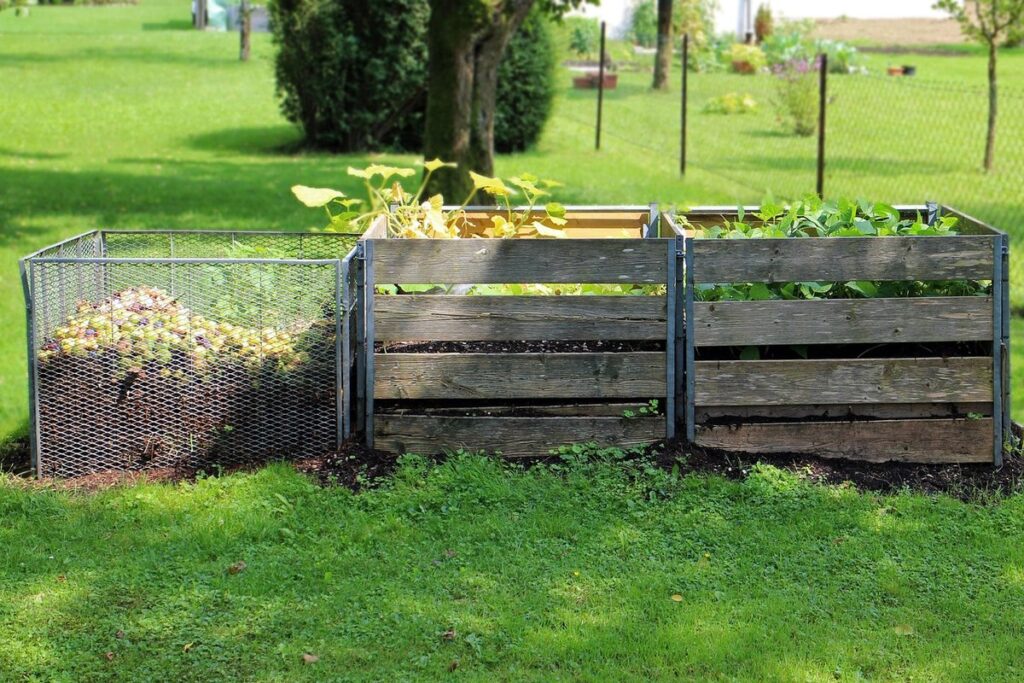
What is Compost Cardboard and Why Is It Important?
Composting cardboard can seem mysterious, but it’s actually quite simple: we’ll break down what compost cardboard is and why incorporating it into your compost pile is a game-changer.
Benefits of Composting Cardboard
Composting cardboard is an excellent way to reduce waste, conserve water, and improve soil health. When you compost cardboard, it breaks down into a nutrient-rich material that can be used as mulch or added to your garden beds.
Reducing waste is one of the most significant benefits of composting cardboard. Cardboard makes up a substantial portion of household waste, but by composting it, you’re diverting this material from landfills and reducing greenhouse gas emissions. In fact, according to the Environmental Protection Agency (EPA), recycling just one ton of cardboard saves 17 trees, 7,000 gallons of water, and enough energy to power a home for a month.
Composting cardboard also helps conserve water by improving soil structure and increasing its ability to retain moisture. When you add composted cardboard to your garden beds, it acts as a natural sponge, reducing the need for frequent watering. Plus, by using less water, you’ll save money on your water bill too!
In addition to these benefits, composting cardboard improves soil health by adding essential nutrients and microorganisms that support healthy plant growth. By incorporating composted cardboard into your garden routine, you’ll enjoy healthier plants, increased crop yields, and a more sustainable gardening practice.
Importance of Properly Preparing Cardboard for Composting
When adding cardboard to your compost pile, it’s essential to properly prepare it beforehand. This is because whole sheets of cardboard can be difficult for microorganisms to break down, slowing down the composting process.
To speed up this process, you’ll want to shred or break down your cardboard into smaller pieces before adding them to your compost pile. You can use a paper shredder or simply cut the cardboard into small strips using scissors or a utility knife.
Shredded cardboard allows microorganisms like bacteria and fungi to access the carbon-rich fibers more easily, accelerating the decomposition process. Additionally, breaking down cardboard also increases its surface area, allowing it to mix with other compost materials better.
Aim for pieces that are around 1-2 inches in length, as this will provide enough oxygen flow while still being small enough for microorganisms to break down efficiently. By preparing your cardboard in this way, you’ll be able to create a nutrient-rich compost pile more quickly and effectively.
How to Start a Cardboard Compost Pile
Starting a cardboard compost pile is easier than you think, and it all begins with creating the perfect environment for decomposition to thrive. Let’s dive into the essential steps to get your cardboard composting journey underway.
Choosing the Right Location for Your Compost Pile
When setting up your cardboard compost pile, it’s essential to choose a location that provides optimal conditions for decomposition. Look for a spot that receives partial sunlight to full sun, as this will help regulate the temperature within the pile and speed up the composting process. Direct sunlight can be beneficial during winter months when temperatures are cooler.
However, avoid placing your compost pile in direct sunlight during peak summer months, as high temperatures can lead to drying out of the materials and slow down decomposition. Also, consider the accessibility of the location – it should be easy for you to access the pile regularly to turn and maintain it.
Another critical factor is proximity to water sources. The ideal spot would be near a hose or watering can, allowing you to easily douse the pile when necessary. Avoid areas with standing water, as this can lead to anaerobic conditions and unpleasant odors. Remember to keep your compost pile at least 10-15 feet away from any living space to minimize potential pests and odors.
Layering Materials in Your Compost Pile
When creating a compost pile from cardboard, it’s essential to layer different materials to achieve optimal decomposition. This process is called bulking up, and it helps maintain the right balance of carbon-rich “brown” materials and nitrogen-rich “green” materials.
Start by adding a 4-6 inch layer of brown materials such as leaves, straw, or shredded newspaper at the base of your pile. These materials provide carbon and help absorb excess moisture. Next, add a layer of cardboard shreds or torn strips to create air pockets and promote airflow.
Now it’s time for green materials like food scraps, grass clippings, or manure. Add these in moderation, as they’re rich in nitrogen but can attract pests if overused. Aim for a 2:1 ratio of brown to green materials.
Repeat this layering process until you reach the top of your pile, finishing with a layer of brown materials. This will help prevent moisture buildup and create an environment where microorganisms can thrive.
The Role of Cardboard in the Composting Process
When it comes to composting cardboard, understanding its role is crucial for breaking down this complex material into nutrient-rich soil. Let’s explore how cardboard contributes to the composting process.
How Cardboard Affects Microbial Activity
Cardboard’s high carbon content is a crucial aspect of maintaining a balanced C:N ratio in your compost pile. When microorganisms break down cardboard, they release energy-rich compounds that fuel their growth and activity. This, in turn, stimulates microbial populations to thrive, contributing to the composting process.
As a result, an ideal mix of “green” materials (nitrogen-rich) and “brown” materials (carbon-rich) like cardboard is essential for creating a balanced C:N ratio. Aim to incorporate more brown materials into your pile to maintain this equilibrium. When using cardboard, aim to balance it with nitrogen-rich inputs such as food scraps or grass clippings.
To illustrate the importance of maintaining a balanced carbon-to-nitrogen (C:N) ratio: compost piles with too much nitrogen can become anaerobic and produce unpleasant odors, while those with too little nitrogen will break down slowly. By incorporating cardboard into your composting mix, you’re providing microorganisms with the energy they need to thrive, ultimately promoting a balanced and efficient composting process.
Breakdown of Cardboard into Nutrient-Rich Humus
When cardboard breaks down into humus, it undergoes a transformative process that’s both fascinating and essential for plant growth. Humus is essentially a rich, dark soil amendment that’s teeming with nutrients, microbes, and beneficial organisms. As cardboard decomposes, its cellular structure begins to break apart, releasing enzymes that catalyze the breakdown of complex organic matter.
During this process, cardboard’s lignin, cellulose, and hemicellulose components are converted into simple sugars, amino acids, and other essential nutrients. These nutrients are then absorbed by microorganisms like bacteria and fungi, which feed on them and multiply, further decomposing the cardboard.
As a result, humus is created – a nutrient-rich substance that’s perfect for improving soil structure, fertility, and overall health. When incorporated into your compost pile or added to your garden beds, humus will provide your plants with a steady supply of nutrients, support healthy microbial populations, and even help retain moisture in the soil.
Challenges and Solutions: Common Issues with Composting Cardboard
You’ve made it through the composting process, but things aren’t quite going as planned? Let’s tackle some common issues that might be arising.
Managing Odors and Moisture in Your Compost Pile
When composting cardboard, managing odors and moisture is crucial to creating a healthy, thriving pile. A well-balanced carbon-to-nitrogen (C:N) ratio is essential for minimizing unpleasant smells and excess moisture. Aim for a mix of 2/3 “brown” materials like cardboard, leaves, or straw with 1/3 “green” materials such as food scraps, grass clippings, or manure.
To balance your C:N ratio, consider adding nitrogen-rich materials like coffee grounds, tea bags, or eggshells to your cardboard pile. This will help offset the carbon-heavy cardboard and promote a balanced microbial ecosystem. Monitor your pile’s moisture levels by checking its consistency – it should be damp but not soggy. If you notice excessive moisture, turn your pile more frequently to aerate it and speed up decomposition.
Additionally, maintaining good airflow is key to reducing odors. Ensure your compost bin has adequate ventilation or consider using a turner to regularly mix the contents. This will help prevent anaerobic conditions that can lead to unpleasant smells and attract pests. By implementing these strategies, you’ll be able to create a balanced, odor-free compost pile from your cardboard materials.
Troubleshooting Common Problems with Cardboard Composting
Composting cardboard can be a rewarding experience, but it’s not without its challenges. One of the most common problems you may encounter is pests, such as rodents, silverfish, and carpet beetles. These unwanted visitors are attracted to the cardboard’s cellulose content and can quickly multiply, causing damage to your compost pile.
To prevent pest infestations, make sure to shred or chop your cardboard into small pieces before adding it to the compost pile. This will increase its surface area, allowing for better aeration and reducing the likelihood of pests taking hold. You should also balance the carbon-to-nitrogen ratio in your compost by mixing in some high-nitrogen materials like food scraps or grass clippings.
Another common issue is inadequate aeration, which can lead to anaerobic conditions and unpleasant odors. To maintain good airflow, regularly turn your compost pile and add more cardboard as needed. By being proactive about pest control and aeration, you’ll be able to create a healthy and thriving compost ecosystem.
Advanced Techniques for Composting Cardboard
Now that you’ve mastered the basics, it’s time to take your cardboard composting skills to the next level by learning advanced techniques to turn your recyclables into nutrient-rich gold.
Using Worms to Accelerate the Composting Process
Vermicomposting, also known as worm composting, is an efficient way to break down cardboard quickly and efficiently. This process involves using worms to decompose organic matter, including cardboard. By utilizing red wiggler worms, you can accelerate the composting process by up to 50%. These worms thrive in environments with high carbon-to-nitrogen ratios, making them ideal for composting cardboard.
To set up a vermicomposting system, start by creating a worm-friendly environment. This includes providing adequate moisture, ventilation, and a temperature range between 55-77°F (13-25°C). Next, add shredded cardboard to the bin, along with other organic materials like food scraps or manure. Introduce red wiggler worms into the mixture, ensuring there’s enough space for them to move freely.
Monitor your worm population and maintain optimal conditions to ensure efficient decomposition. With regular maintenance, you can expect a significant reduction in cardboard volume within 2-3 weeks. This accelerated process allows for faster nutrient cycling and reduced waste, making vermicomposting an excellent method for composting cardboard.
Incorporating Other Materials into Your Cardboard Compost Pile
When it comes to taking your cardboard compost pile to the next level, incorporating other materials is an excellent way to boost its nutrient value. One of the simplest ways to do this is by adding food scraps to your mix. Vegetable and fruit peels, tea bags, coffee grounds, and even eggshells can be added to your pile in moderation.
For instance, if you have a large quantity of banana peels, you can add them directly to your cardboard compost pile. The high potassium content in these peels will help break down the cardboard more efficiently and create a nutrient-rich humus for your plants.
You can also consider adding manure from herbivores like horses or rabbits to your pile. This will provide a natural source of nitrogen, phosphorus, and other essential micronutrients. However, make sure to mix it well with the cardboard and other materials to avoid creating an anaerobic environment that can lead to unpleasant odors.
Remember to balance the addition of new materials with regular mixing and monitoring of your pile’s moisture levels to ensure optimal decomposition.
Frequently Asked Questions
Can I compost cardboard with a high wax content, like from packaging for frozen foods?
You can still compost cardboard with a high wax content, but it may not break down as quickly due to the presence of additives that inhibit microbial activity. However, don’t let this deter you – simply mix the waxed cardboard in with other carbon-rich materials and follow standard composting practices. Be patient, and the microbes will eventually break it down.
How do I prevent pests from being attracted to my cardboard compost pile?
Pests like rodents, raccoons, and ants are often drawn to moist or wet areas. To discourage them from visiting your cardboard compost pile, ensure that you maintain a carbon-to-nitrogen balance, turn the pile regularly, and add enough brown materials to absorb excess moisture.
How long does it take for cardboard to break down in a compost pile?
The breakdown time for cardboard can vary depending on factors like temperature, moisture, and carbon-to-nitrogen ratios. Generally, expect cardboard to break down within 2-6 months under optimal conditions. Monitor your pile’s progress by checking its consistency, color, and aroma.
Can I mix cardboard with other compost materials, like food scraps or grass clippings?
Yes, you can mix cardboard with other compost materials, but it’s essential to balance the carbon-to-nitrogen ratio. For example, layering cardboard with high-nitrogen materials like grass clippings or food waste can create an ideal environment for microbial activity and decomposition.
Is it safe to add cardboard from toilet paper rolls and paper towels to my compost pile?
Generally, yes – these types of cardboard products are considered safe for composting. However, be cautious of any potential additives or chemicals that might have been applied during the manufacturing process. To err on the side of caution, avoid adding glossy or wax-coated papers to your compost pile.