
When growing cauliflower in your garden, one crucial aspect to get right is spacing. Proper spacing between cauliflower plants can make all the difference in preventing disease, improving air circulation, and ultimately boosting yields. But why is spacing so important? It’s simple: when plants are too close together, moisture can become trapped, creating an ideal environment for diseases like powdery mildew and downy mildew to take hold. On the other hand, well-spaced cauliflower plants allow for optimal air circulation, reducing the risk of disease and promoting healthy growth. In this article, we’ll cover expert tips on choosing the right variety of cauliflower for your space and provide a comprehensive guide on how to optimize growth through proper spacing.
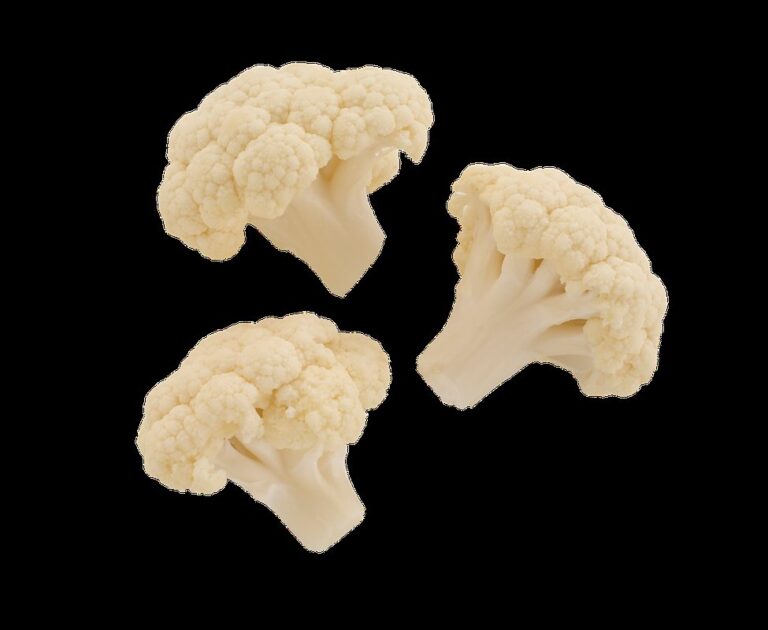
Benefits of Proper Cauliflower Spacing
When you space cauliflower plants correctly, you’ll enjoy a bountiful harvest and avoid common problems like overcrowding and disease. Let’s dive into the benefits of proper spacing for these delicious veggies.
1. Reduced Crowding and Disease
Proper cauliflower spacing is crucial to prevent overcrowding, which can lead to disease and pest issues. When you plant cauliflower too close together, it creates a humid microclimate that fosters the growth of fungal diseases such as club root, downy mildew, and powdery mildew.
In general, it’s recommended to space cauliflower plants 18-24 inches apart in rows that are 3 feet apart. However, if you’re growing compact varieties or in containers, you may need to adjust this spacing accordingly.
For example, some popular compact cauliflower varieties like ‘Snow Crown’ and ‘Violet of Sicily’ can thrive in as little as 12-18 inches of space between plants. But even with these varieties, overcrowding can still lead to disease issues.
To avoid overcrowding, make sure to plant cauliflower seeds or seedlings at the correct depth and spacing for your specific variety. Use a measuring tape to ensure you’re leaving enough room between each plant, and consider marking your garden bed with stakes or flags to keep track of your spacing.
By giving your cauliflower plants enough space to breathe, you’ll reduce the risk of disease and create an environment that promotes healthy growth and development.
2. Improved Air Circulation
Proper cauliflower spacing is crucial for maintaining optimal air circulation around each plant. When plants are too close together, they create a humid microclimate that fosters the growth of fungal diseases such as powdery mildew. This disease can have devastating effects on your crop, leading to reduced yields and lower quality produce.
To illustrate this point, consider a scenario where cauliflower plants are spaced 12-18 inches apart instead of the recommended 24-36 inches. In this case, the increased humidity between plants creates an ideal breeding ground for powdery mildew. The fungus can spread quickly, causing white patches to form on the leaves and reducing photosynthesis.
To avoid this issue, ensure you’re providing sufficient space between your cauliflower plants. Not only will this help prevent fungal diseases, but it’ll also promote healthy growth and development. Remember, good air circulation is essential for a thriving crop. By spacing your cauliflower correctly, you’ll be taking a crucial step towards achieving bountiful harvests.
3. Enhanced Growth and Yield
When you give cauliflower plants enough space to grow, they’re able to focus their energy on developing healthy roots and producing bigger, better-quality heads. This leads to higher yields overall, which is a huge advantage for gardeners. One way to achieve this optimal growth is by allowing about 18-24 inches of space between each plant.
This spacing not only allows the plants’ air circulation but also prevents overcrowding, which can lead to disease and pests taking hold. For instance, if your cauliflower plants are too close together, they may become more susceptible to powdery mildew or other fungal diseases that thrive in humid environments.
To maximize growth through proper spacing, be sure to take into account the mature size of the plant when selecting a variety for your garden. Some types, like ‘Snow Crown’, can grow quite large and will require even more space between them. By giving your cauliflower plants the room they need, you’ll enjoy bigger harvests with better flavor and texture, making it well worth the extra effort to get it right.
Choosing the Right Cauliflower Variety for Your Space
When selecting cauliflower varieties for your garden, it’s essential to consider their mature size and growth habits. This will ensure that you choose a variety that fits within your space constraints. For smaller gardens or containers, compact varieties like ‘Snow Crown’ or ‘Graffiti’ are ideal. These types of cauliflower have a more upright growth habit, reaching around 18-24 inches in diameter, leaving enough room for air circulation and sunlight penetration.
When planning for larger spaces, you may want to opt for traditional varieties like ‘White Dot’ or ‘Vitall’. These cauliflowers can grow up to 3 feet in diameter, requiring more space to spread out. Be sure to leave enough space between each plant to accommodate the mature size of your chosen variety. This will prevent overcrowding and promote healthy growth, ultimately leading to better yields and less disease susceptibility.
Determining Cauliflower Spacing Based on Climate
When growing cauliflower, climate plays a significant role in determining the ideal spacing for your plants to thrive. Let’s explore how different climates affect cauliflower spacing.
1. Hot and Dry Climates
In hot and dry climates, cauliflower spacing is crucial to prevent moisture-related diseases that thrive in such conditions. When temperatures soar and rainfall is scarce, the risk of fungal diseases like powdery mildew and downy mildew increases significantly. To mitigate this, it’s essential to provide adequate space between cauliflower plants for air circulation.
Aim for at least 18-24 inches (45-60 cm) of space between each plant, depending on the variety. This allows for sufficient air movement around each head, reducing the likelihood of moisture buildup and subsequent disease development. In regions with intense heatwaves or prolonged dry spells, consider increasing the spacing to 30 inches (75 cm) or more.
For example, in the southwestern United States, where temperatures often reach extreme levels during summer, cauliflower growers have successfully increased yields by adopting wider spacings. This approach has also helped reduce crop losses due to disease. By prioritizing proper spacing, gardeners in hot and dry climates can enjoy healthier, more productive cauliflower crops despite challenging weather conditions.
2. Cool and Humid Climates
In cool and humid climates, cauliflower plants can thrive with less spacing between them. This is because the cooler temperatures significantly reduce the risk of disease, allowing you to get away with closer plantings.
One of the main advantages of growing cauliflower in cool and humid climates is that it minimizes the risk of fungal diseases such as club root and white rust. These diseases are more common in warmer temperatures, but when it’s cooler, they become less aggressive. With this reduced risk, you can space your cauliflower plants 12-18 inches apart, which is a significant reduction from the recommended spacing for other climates.
This closer spacing also allows for better utilization of garden space and increased yields per square foot. However, make sure not to overdo it – still leave enough room for proper air circulation to prevent moisture buildup, which can lead to other problems.
Common Mistakes in Cauliflower Spacing
When planting cauliflower, it’s easy to get carried away with excitement and crowd the bed. However, overcrowding is one of the most common mistakes gardeners make when it comes to cauliflower spacing. When plants are too close together, they’re more susceptible to disease, pests, and nutrient deficiencies. This can lead to a weak and disappointing harvest.
To avoid this mistake, consider planting cauliflower seedlings 18-24 inches apart in rows that are 3 feet apart. This will give the plants room to mature without becoming congested. If you’re short on space, you can also try using compact or dwarf varieties of cauliflower, which require less room to grow.
Advanced Techniques for Optimizing Cauliflower Growth with Spacing
When it comes to cauliflower spacing, even experienced gardeners can benefit from advanced techniques that take their knowledge to the next level. To optimize cauliflower growth with spacing, consider implementing a staggered planting pattern. This involves planting rows at an angle to one another, rather than in straight lines, which allows for more efficient use of space and reduces competition among plants.
This method is particularly effective when growing varieties like ‘Snow Crown’ or ‘Graffiti’, which are known for their compact growth habit. By staggering your plantings, you can also reduce the risk of disease spread, as less dense foliage makes it harder for pests to transmit diseases from one plant to another. With careful planning and attention to detail, even a small garden bed can be optimized for maximum cauliflower yields using this advanced technique.
Troubleshooting Common Issues Related to Cauliflower Spacing
When it comes to cauliflower spacing, there are several common issues that can arise. One of the most common problems is overcrowding, which can lead to reduced yields and increased susceptibility to disease. If you find that your cauliflower plants are too close together, don’t worry – this is an easy fix. Simply thin out the weaker plants and space them out by about 18-24 inches, depending on the variety.
Another issue that may occur is uneven spacing, which can lead to some plants getting more sunlight than others. To avoid this problem, make sure to space your cauliflower plants in a uniform pattern, such as in rows or squares. This will not only ensure that each plant gets enough light but also make it easier to maintain your garden.
If you’re experiencing problems with pests or diseases due to overcrowding, consider using row covers or other physical barriers to protect your plants. With a little TLC and some basic maintenance, you can overcome these common issues and enjoy a bountiful harvest of delicious cauliflower.
Conclusion: Maximizing Your Harvest with Proper Cauliflower Spacing
In conclusion, cauliflower spacing is a crucial aspect of gardening that can greatly impact your harvest. By following the recommended spacing guidelines and giving your plants enough room to grow, you’ll be able to produce healthier, more robust heads of cauliflower. Remember, overcrowding can lead to disease and pest issues, which can ultimately result in a reduced yield or even complete crop failure.
To maximize your harvest, make sure to leave about 18-24 inches between each plant, depending on the variety. This will also give you enough space to easily access and care for each head as it grows. By prioritizing proper cauliflower spacing, you’ll be able to enjoy a bountiful harvest of delicious, homegrown cauliflower all season long. With these simple tips in mind, you can create an optimal growing environment for your plants and reap the rewards of your hard work.
Frequently Asked Questions
Can I still get a good harvest if I’ve already planted cauliflower too closely together?
Yes, it’s not the end of the world if you realize your cauliflower is overcrowded after planting. To mitigate the issue, focus on improving air circulation by pruning nearby plants and providing optimal sunlight to individual plants.
How do I determine the right spacing for my specific climate conditions?
When choosing a spacing strategy, consider factors like temperature fluctuations, humidity levels, and regional disease pressure in your area. For example, if you live in an extremely hot and dry climate, wider spacings (24-36 inches) may be necessary to reduce moisture retention.
Are there any compact cauliflower varieties that require less space?
Yes, some popular compact varieties, such as ‘Graffiti’ or ‘Violet of Sicily’, have narrower growth habits and can thrive in smaller spaces (12-18 inches apart). Research specific growing requirements for your chosen variety before planting.
Can I plant cauliflower at the same time as other cool-season crops?
Cauliflower typically grows best when temperatures are between 60°F to 70°F (15°C to 21°C). If you’re planning to intercrop with cooler-season vegetables like broccoli or kale, ensure that these companion plants won’t compete for resources and provide optimal growing conditions.
How often should I inspect my cauliflower crop for signs of disease?
Regular inspections are crucial in preventing the spread of diseases. Set aside time each week to visually assess your crop’s health, looking for signs of powdery mildew or downy mildew on leaves or stems. Catching issues early can save your harvest and prevent further damage.