
Are you looking for ways to boost your garden’s productivity and flavor? Planting oregano as a companion herb can be just what you need. Not only does it repel pests that target vegetables, but its strong scent also enhances growth and flavor in nearby plants. By choosing the right companions for your oregano, you can create a thriving ecosystem that minimizes stress and maximizes yields.
In this article, we’ll explore the world of oregano companion plants and highlight some surprising pairings that will take your garden to the next level. From marigolds and tomatoes to basil and carrots, discover which complementary herbs and vegetables work best together. Whether you’re a seasoned gardener or just starting out, our expert guide will help you unlock the full potential of oregano in your garden and create a pest-resistant haven that’s bursting with flavor.
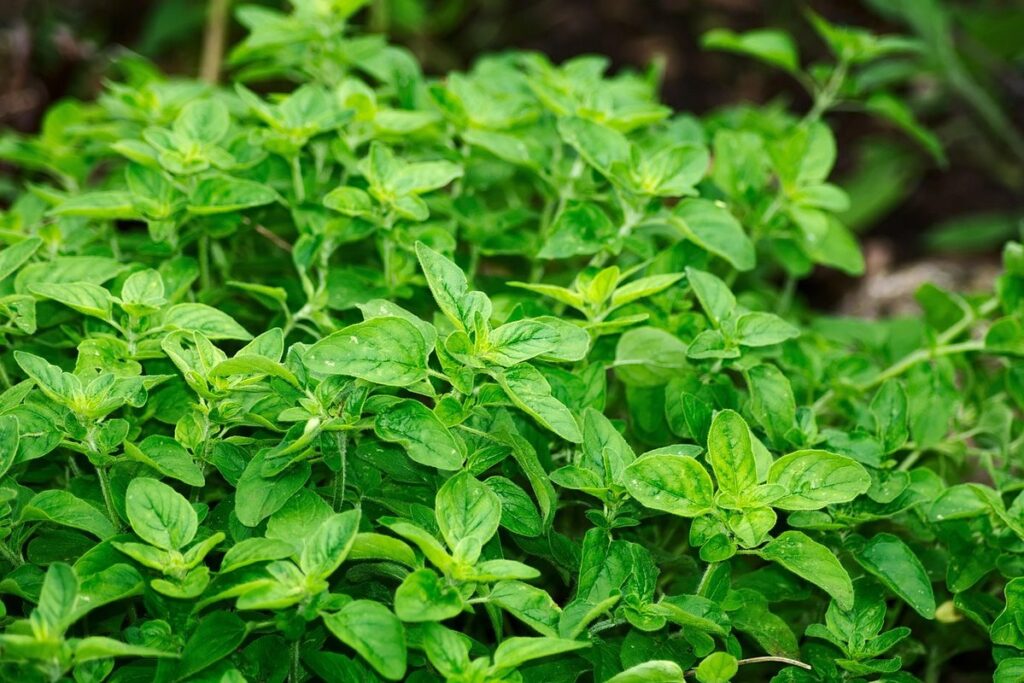
Benefits of Planting Oregano with Other Herbs
Planting oregano alongside other herbs can be a game-changer for your garden, boosting growth and flavor in ways you might not have considered before. Let’s explore some of these unexpected benefits together.
Improving Soil Health and Structure
When you plant oregano with other herbs, it’s not just about enhancing flavor and growth – it also plays a crucial role in maintaining soil health. Oregano is known to have beneficial effects on the soil ecosystem, thanks to its ability to repel pests and diseases that can damage crops. By incorporating oregano into your companion planting strategy, you’re supporting a balanced and thriving soil environment.
For instance, oregano’s aromatic properties help to deter nematodes, which can harm plant roots and disrupt soil structure. This is particularly beneficial when planted alongside sensitive herbs like basil or mint, which are prone to root damage. Moreover, oregano’s deep taproots allow it to break up compacted soil layers, improving drainage and aeration for surrounding plants.
To maximize the benefits of oregano in your companion planting, make sure to plant multiple species together. A mix of herbs like thyme, rosemary, and oregano will create a diverse and resilient ecosystem that supports healthy growth and minimizes pests and diseases. By embracing this approach, you’ll be rewarded with improved soil structure, reduced maintenance needs, and more vibrant, flavorful harvests.
Attracting Beneficial Insects and Pollinators
When you plant oregano alongside other herbs, you’re not only enhancing its flavor and aroma but also creating a haven for beneficial insects and pollinators. This is because many herbs are naturally attractive to these tiny creatures, which play a vital role in maintaining ecological balance.
Some of the most common beneficial insects drawn to oregano and other herbs include:
* Ladybugs: These natural predators feed on aphids, whiteflies, and other pests that can harm your herbs.
* Lacewings: With their delicate wings, lacewings are a sight to behold. They’re also known to devour aphids, mealybugs, and other pests.
* Hoverflies: Also known as flower flies, hoverflies are often mistaken for small wasps but are actually beneficial insects that feed on nectar and help pollinate herbs.
Pollinators like bees, butterflies, and hummingbirds are also attracted to oregano and its companion plants. These creatures transfer pollen between flowers, facilitating the reproduction of your herbs and increasing yields.
To attract these beneficial insects and pollinators, make sure to plant a diverse range of herbs that bloom at different times throughout the growing season. This will provide a constant source of nectar and pollen for them to feed on, promoting a healthy ecosystem in your garden or indoor herb garden.
Complementary Herbs for Oregano
While oregano is a versatile herb on its own, pairing it with complementary herbs can take your garden and cooking to the next level. Let’s explore some of our favorite herbs that complement oregano perfectly!
Basil – A Classic Companion Plant Combination
Basil is one of the most popular herbs to grow alongside oregano, and for good reason. Not only do these two Mediterranean staples complement each other in flavor, but they also share similar growing requirements. Basil loves well-drained soil and full sun, just like oregano. This means you can plant them together in a sunny spot with good drainage, making it easy to care for both herbs at the same time.
When planted together, basil helps to repel pests that target oregano, such as aphids and whiteflies. It also adds a fresh, citrusy flavor to oregano’s pungent aroma. To ensure successful co-planting, make sure to plant basil around the base of your oregano plants, rather than interspersing it throughout the bed. This will allow both herbs to receive enough sunlight and air circulation.
For optimal growth, harvest your basil regularly by pinching off flower buds as they form. This will encourage bushy growth and prevent the plant from going to seed. With a little care and attention, you’ll be enjoying fragrant, flavorful oregano and fresh-tasting basil all season long!
Mint – A Fragrant but Challenging Companion
Mint’s reputation precedes it as both a fragrant addition to herbal tea and a challenging companion plant. While its invigorating aroma and cooling properties make it an attractive choice for oregano, its tendency to spread rapidly can lead to issues with companion planting. Mint’s roots are known to outcompete neighboring plants for water and nutrients, potentially stifling their growth.
To mitigate these problems, consider containing mint in a separate pot or dividing it regularly to prevent overgrowth. You can also plant mint away from your oregano, giving them sufficient space to develop independently. Some gardeners find success by planting mint on the periphery of their oregano bed, allowing for air circulation and preventing cross-pollination.
When used responsibly, mint’s benefits as a companion plant are undeniable. Its strong scent can help repel pests that target oregano, such as aphids and whiteflies, while its fragrance also attracts beneficial pollinators like bees and butterflies. By being mindful of mint’s aggressive tendencies, you can enjoy the advantages it brings to your oregano garden without sacrificing their health or growth potential.
Vegetables That Pair Well with Oregano
If you’re looking to add some fresh flavor and zest to your garden, pairing oregano with the right vegetables is a great place to start. Let’s explore some of our favorite veggie companions that will elevate both flavors and growth.
Tomatoes – A Classic Combination for Italian Cuisine
When it comes to Italian cuisine, tomatoes are an iconic pairing with oregano. And for good reason – growing these two plants together can have a significant impact on the flavor and pest resistance of both. One of the primary benefits of companion planting tomatoes with oregano is the enhancement of tomato flavor. Oregano’s pungent aroma can stimulate the production of certain compounds in tomatoes, resulting in a more complex and balanced taste.
In addition to improved flavor, growing tomatoes alongside oregano also helps reduce pests that target both plants. Tomato hornworms, for example, are repelled by the strong scent of oregano, which reduces the likelihood of infestation. Similarly, the antiseptic properties of oregano can help prevent fungal diseases from affecting tomato plants.
To reap these benefits, plant oregano near your tomato plants and ensure they receive adequate sunlight and water. By companion planting tomatoes with oregano, you’ll not only enhance their flavor but also promote a healthier growing environment for both plants.
Peppers – Sweet or Hot, Both Work Well
When it comes to pairing oregano with other vegetables, peppers are an excellent choice. Both sweet and hot peppers work well alongside oregano, and the key is understanding their unique needs.
First, consider the light requirements of both plants. Peppers typically need full sun to produce well, which aligns with oregano’s preference for partial shade. To ensure optimal growth, choose a spot that receives at least six hours of direct sunlight per day. Watering needs are another consideration – peppers prefer consistent moisture, especially when producing fruit, while oregano is more drought-tolerant.
To make the most of this pairing, plant peppers on the north side of your oregano patch to minimize shading and reduce competition for resources. This setup allows each plant to thrive without compromising the other’s growth or flavor. With proper care, both sweet bell peppers and hot varieties like jalapenos will flourish alongside your oregano, adding a burst of color and zest to your garden and dishes alike.
Fruiting Plants That Benefit from Oregano’s Presence
Some of your favorite fruiting plants, like tomatoes and peppers, can thrive when paired with oregano in the garden. Let’s explore which ones benefit from its presence.
Cucumbers – Enhanced Flavor and Reduced Pests
When it comes to cucumbers, oregano’s presence can have a profoundly positive impact. This versatile herb not only adds an extra layer of flavor to your cucumber harvest but also helps deter pests that might otherwise damage your crop.
Cucumber varieties such as English and slicing types benefit significantly from being planted alongside oregano. These popular varieties are known for their crunchy texture and refreshing taste, making them a staple in many gardens. By incorporating oregano into your cucumber-growing strategy, you can enjoy a bountiful harvest with reduced pest damage and enhanced flavor.
Oregano’s pungent aroma repels pests like aphids and whiteflies that target cucumbers, while its fragrance also attracts beneficial insects like bees and butterflies. To get the most out of this companion planting technique, simply plant oregano nearby your cucumber plants or incorporate it into a container garden. With regular watering and sunlight, both herbs will thrive, resulting in healthier, more flavorful produce. By leveraging the benefits of oregano and cucumbers growing together, you can take your gardening to the next level.
Squash – Improved Growth and Pest Resistance
When it comes to companion planting with oregano, summer and winter squash varieties can greatly benefit from its presence. Oregano’s pungent aroma and properties have been shown to improve growth and pest resistance in these plants.
One of the key benefits of growing oregano alongside summer squash is its ability to repel nematodes, microscopic worms that can harm the roots of these plants. By planting oregano around the base of your zucchini or yellow crookneck squash, you can create a barrier against these pests and promote healthy root growth.
In addition to pest control, oregano’s antimicrobial properties can also help prevent fungal diseases like powdery mildew from taking hold on your squash plants. This is especially beneficial for winter squash varieties, which are more susceptible to disease due to their thick skins.
To get the most out of this companion planting strategy, be sure to plant oregano around the base of your squash plants in early spring or late summer, when the weather is cooler. This will allow both plants to establish themselves and thrive together throughout the growing season.
Considerations for Companion Planting with Oregano
When growing oregano, it’s essential to choose companion plants that complement its flavors and growth patterns without competing for resources. We’ll explore key considerations for successful pairing with oregano in this section.
Space Requirements and Layout
When planting multiple herbs and vegetables alongside oregano, space requirements become a crucial consideration. Companion plants can often be grown more densely than single-variety plantings, but overcrowding is still a risk. To avoid this, start by planning out your garden layout before sowing seeds.
Consider the mature size of each companion plant. For example, marigolds and nasturtiums can spread out quite a bit, while dill and parsley tend to be more compact. By selecting a mix of spreading and upright plants, you can create a harmonious balance in your oregano garden bed.
Another way to maximize space is by using vertical support systems for climbing companions like peas or cucumbers. This will not only free up floor space but also keep the area under the supports clear for other plantings. By being mindful of each companion’s needs and carefully planning your layout, you can create a thriving oregano garden that showcases the benefits of intercropping.
Watering and Maintenance Needs
When companion planting with oregano, it’s essential to strike a balance between meeting the unique watering and maintenance needs of each plant. This can be particularly challenging when growing plants that thrive in different conditions.
For instance, if you’re pairing oregano with moisture-loving basil, you’ll need to ensure both plants receive adequate water. However, overwatering oregano can lead to root rot and other issues. To mitigate this risk, make sure the soil drains well and avoid watering your oregano companion plant too frequently.
On the other hand, if you’re growing drought-tolerant marigolds with oregano, you may need to reduce the frequency of watering for both plants. A good rule of thumb is to check the moisture levels in the soil by inserting a finger or a small tool into it. If the top 1-2 inches feel dry, it’s time to water.
In addition to watering, maintenance requirements can also impact companion planting success. Regular pruning and harvesting can encourage healthy growth in oregano while preventing overcrowding. Be mindful of the specific needs of each plant and adjust your care routine accordingly to ensure a thriving companion garden.
Frequently Asked Questions
Can I plant oregano with other herbs even if they have different growing requirements?
Yes, while it’s true that some companion plants may require more or less sunlight and watering than others, you can still pair them with oregano. Just be sure to research the specific needs of each plant and adjust your care accordingly. This might involve providing shade for sensitive plants during the hottest part of the day or ensuring that water-loving companions have access to a steady supply.
How do I prevent mint from taking over when planted alongside oregano?
Mint can indeed spread quickly, but there are ways to keep it in check. Planting mint in containers is one solution, as this will limit its ability to spread. Alternatively, you can try growing mint in a separate area of your garden and pruning it regularly to prevent it from overrunning other plants.
Will oregano repel pests that target fruiting plants like tomatoes?
Yes, oregano has natural pest-repelling properties that make it an excellent companion for fruiting plants like tomatoes. By planting oregano alongside your tomatoes, you can help protect them from common pests like aphids and whiteflies.
Can I use oregano as a trap crop to lure pests away from other vegetables?
Yes, oregano’s strong scent can be used to lure pests away from more valuable crops. Planting oregano in strategic locations throughout your garden can help create a barrier against pests and protect your main crops.
How long does it take for oregano to start showing its benefits as a companion plant?
Oregano will typically begin to show its beneficial effects within 2-4 weeks of being planted alongside other herbs or vegetables. This may involve improved growth, enhanced flavor, or reduced pest pressure. Keep in mind that the exact timeline will depend on factors like climate and soil quality.