
Parsley is one of those herbs that’s often overlooked, but trust me, it deserves more love. Not only does it add a burst of fresh flavor to your favorite dishes, but it’s also ridiculously easy to grow at home. Whether you’re a seasoned gardener or a total newbie, parsley is the perfect plant to start with. In this article, we’ll take you from seed to harvest, covering everything you need to know about growing and caring for parsley plants. We’ll dive into tips on propagation, how to choose the right soil, common pests to watch out for, and even share some delicious recipes using fresh parsley leaves. By the end of this post, you’ll be a parsley expert and will have all the knowledge you need to enjoy this amazing herb all year round!
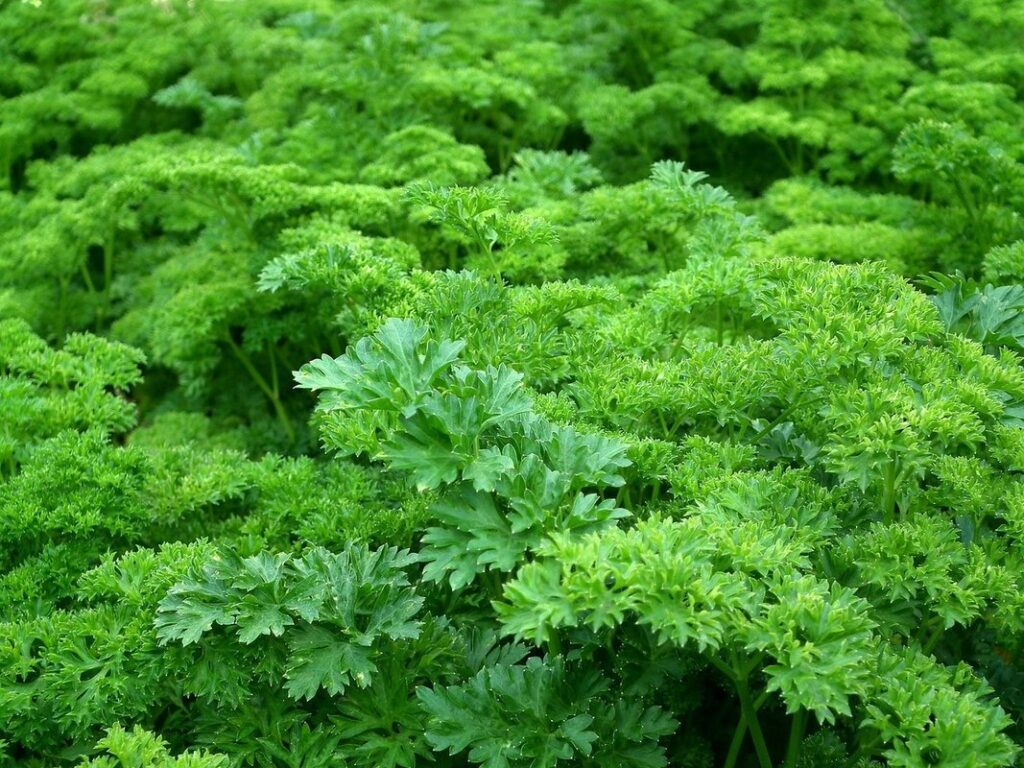
History and Cultural Significance of Parsley
Parsley has been a culinary staple for thousands of years, with roots in ancient Greece, Rome, and Egypt. Let’s delve into its fascinating history and cultural significance as we explore this beloved herb.
Ancient Origins and Uses of Parsley
Parsley has been a prized herb for its culinary, medicinal, and aesthetic uses for thousands of years. Its ancient origins can be traced back to the Mediterranean region, where it was used by the Greeks and Romans as a fresh garnish and a flavorful addition to various dishes.
In fact, parsley’s name is derived from the Greek word “petroselinon,” which means “rock celery.” The plant’s association with rock or stone is likely due to its ability to thrive in well-drained soil and rocky areas. The herb was also highly valued by ancient herbalists for its supposed health benefits, including digestive issues, respiratory problems, and even eye infections.
In traditional medicine, parsley has been used as a natural remedy for various ailments. Its leaves were steeped in water or oil to create teas, infusions, and salves that aimed to ease symptoms of colds, fever, and rheumatism. The herb’s use extends beyond medicine; it was also used as a decorative element in ancient Greek and Roman cuisine, adding a pop of fresh color to platters and tables.
Today, parsley remains an essential ingredient in many cuisines around the world, from Middle Eastern tabbouleh salads to classic European sauces. Its versatility, nutritional value, and historical significance have cemented its place as one of the most beloved herbs in our kitchens.
Parsley in Traditional Medicine and Cuisine
Parsley has been a staple herb in traditional medicine and cuisine across various cultures for centuries. In ancient Greece and Rome, parsley was used not only as a garnish but also to treat ailments such as indigestion and fever. The herb’s medicinal properties were highly valued by herbalists, who used it to make remedies for stomach issues, colds, and even snake bites.
In Middle Eastern cuisine, parsley is an essential ingredient in many traditional dishes, including tabbouleh salad and kebabs. The herb adds a fresh flavor and aroma to soups like Persian goulash and is also used to garnish yogurt-based sauces.
In some cultures, parsley is believed to have spiritual significance. For example, in ancient Egyptian funerary rituals, parsley was placed in the tombs of the deceased to ensure safe passage into the afterlife. Today, parsley continues to be a cherished herb in many traditional cuisines and herbal remedies. When growing your own parsley, consider experimenting with different uses for this versatile herb in your cooking.
In terms of harvesting, it’s essential to use fresh leaves as they have the most flavor and aroma. Simply pinch off the top sets of leaves from the plant, leaving a small stem intact, allowing the plant to regrow new leaves.
Choosing and Preparing the Perfect Parsley Seedling
When selecting a parsley seedling, look for sturdy stems and vibrant green leaves to ensure your plant gets off to a healthy start. A well-prepared seedling is key to success.
Selecting Healthy Parsley Seedlings
When selecting healthy parsley seedlings, there are several key characteristics to look for. First, inspect the leaf color and texture. Healthy parsley leaves should be a vibrant green color with a glossy appearance. Avoid seedlings with yellow or wilted leaves, as this can indicate stress or disease.
Check the root development by gently removing the seedling from its pot. A well-developed root system will have a mass of white roots that are evenly spread out around the base of the plant. If the roots are sparse or circling, it may be a sign that the seedling has been overwatered.
It’s also essential to choose parsley seeds that are suitable for your climate. Look for varieties that are specifically bred for cooler or warmer temperatures, depending on where you live. For example, ‘Giant of Italy’ is a popular variety that thrives in cooler climates, while ‘Parisienne’ prefers warmer temperatures. Be sure to read the seed packet label carefully and select seeds that match your region’s growing conditions. This will ensure that your parsley seedlings grow strong and healthy from the very start.
Sowing and Transplanting Parsley Seedlings
When it comes to sowing parsley seeds, you have two main options: indoors or directly outdoors. If you’re starting early, sow parsley seeds 8-10 weeks before the last frost date in your area. Use a seed tray filled with moistened potting mix and sow the seeds about 1/4 inch deep. Keep the soil consistently moist but not waterlogged, as this can lead to root rot.
Once the seeds have germinated and the seedlings have two sets of leaves, it’s time to transplant them into larger containers or directly into a garden bed. Harden off the seedlings by gradually exposing them to outdoor conditions over the course of 7-10 days. This will prevent shock when you transfer them outside.
When transplanting, choose a location with well-draining soil and partial shade, especially in warmer climates. Dig a hole that’s slightly larger than the container, gently loosen the roots, and place the seedling in the center. Water thoroughly to settle the soil. For direct sowing outdoors, sow seeds about 1/4 inch deep and 2-3 inches apart, thinning them out as they grow.
Keep in mind that parsley is a cool-season crop and does best when temperatures are between 60°F and 70°F (15°C and 21°C). Avoid transplanting during extreme weather conditions or when the soil is too wet.
Optimal Growing Conditions for Parsley Plants
To grow lush and healthy parsley plants, you’ll want to focus on providing optimal growing conditions, which we’ll dive into in detail below. This includes temperature, light, and watering requirements.
Temperature and Light Requirements
Parsley plants thrive best in temperatures between 60°F to 70°F (15°C to 21°C), with an optimal temperature of around 65°F (18°C). Avoid exposing them to extreme temperatures, as this can impact plant growth and flavor. Temperatures above 75°F (24°C) can lead to bolting, causing the plant to focus energy on producing flowers rather than leaves.
Light exposure is also crucial for parsley plants. They require partial shade to full sun, depending on your location’s climate. In warmer climates, provide them with filtered sunlight or dappled shade to prevent scorching. Conversely, in cooler areas, a spot that receives direct sunlight can be ideal.
The impact of temperature and light on parsley flavor is worth noting. Research suggests that plants grown in temperatures between 60°F to 70°F (15°C to 21°C) tend to have more intense flavors than those exposed to extreme temperatures. Similarly, plants receiving optimal light exposure will retain their nutrients better, resulting in a more robust flavor profile.
To give your parsley plant the best chance at optimal growth and flavor, ensure it’s placed in a spot with consistent temperatures between 60°F to 70°F (15°C to 21°C) and provides the necessary light exposure for your climate.
Watering and Soil Requirements
When it comes to growing parsley plants, ensuring consistent moisture levels is crucial. Parsley requires about 1-2 inches of water per week, either from rainfall or irrigation. However, it’s essential not to overwater, as this can lead to root rot and other problems. Check the soil daily by inserting your finger into the soil up to the first knuckle. If the soil feels dry, it’s time for watering.
The soil itself needs to be well-draining to prevent waterlogged conditions. Mix in compost or perlite to improve drainage and aeration. For nutrient-rich soil amendments, add 2-3 tablespoons of balanced fertilizer (10-10-10) once a month. You can also use worm castings or kelp meal for added benefits. Keep in mind that parsley plants don’t require heavy feeding; light applications throughout the growing season are best.
Some gardeners swear by using mulch to retain moisture and suppress weeds around their parsley plants. Just be sure not to overmulch, as this can lead to oxygen deprivation and promote disease growth.
Common Parsley Plant Problems and Solutions
Don’t let pesky issues derail your parsley growing success! This section will tackle common problems and provide practical solutions to keep your plants thriving.
Dealing with Pests and Diseases
Parsley plants can be susceptible to various pests and diseases that can cause damage and reduce their yield. Aphids are a common pest that can infest parsley plants, feeding on sap and causing curled or distorted leaves. To prevent aphid infestations, ensure good air circulation around your plants, and use neem oil or insecticidal soap as a treatment.
Slugs and snails can also be a problem for parsley plants, especially at night when they’re most active. Remove weeds and debris from the garden bed to reduce hiding spots for slugs and snails. Use copper tape or crushed eggshells around the plant’s base to deter these pests.
Common diseases affecting parsley include powdery mildew and root rot. Powdery mildew appears as a white, powdery coating on leaves and stems, while root rot causes soft, mushy roots. To prevent disease, ensure good drainage in your garden bed and avoid overwatering. Treat fungal infections with fungicides or baking soda solution.
Regularly inspect your plants for signs of pests or diseases, and take action promptly to prevent infestations from spreading.
Nutrient Deficiencies and Fertilization
Parsley plants require essential nutrients to grow strong and healthy. If your parsley plant is showing signs of nutrient deficiencies, it can be a major setback for harvest time. Some common symptoms include yellowing leaves, stunted growth, and reduced flavor.
One of the most critical factors is nitrogen, as parsley plants need adequate amounts of NPK (nitrogen, phosphorus, potassium) to thrive. A lack of nitrogen can cause pale green or yellowish leaves, while excessive levels can lead to over-fertilization, causing burns on the foliage. To rectify this issue, consider using a balanced fertilizer like 10-10-10 NPK.
Another critical factor is soil pH. Parsley prefers a slightly acidic to neutral soil pH between 6.0 and 7.0. A pH that’s too high or low can inhibit nutrient uptake, leading to deficiencies. Organic amendments such as compost tea, fish emulsion, and bone meal can help adjust the soil pH while providing essential nutrients.
For optimal growth, maintain a regular fertilization schedule with a balanced fertilizer (20-20-20 NPK). This will provide your parsley plant with all necessary nutrients for healthy development.
Harvesting and Storing Parsley Leaves
Now that you’ve harvested your fresh parsley, it’s time to learn how to store its leaves properly so they stay healthy and usable for weeks to come. In this section, we’ll cover best practices for storing parsley leaves at home.
Timing and Frequency of Harvests
When it comes to harvesting parsley leaves, timing and frequency are crucial factors that impact not only the flavor and texture but also the overall health of the plant. As a general rule, it’s best to harvest individual leaves or small bunches regularly rather than waiting for the entire head to mature. This approach encourages bushy growth and prevents the stems from becoming leggy.
For optimal flavor, aim to harvest parsley in the morning after the dew has evaporated but before the heat of the day sets in. Cutting off only what you need also helps prevent bitterness from developing in the remaining leaves. In terms of frequency, a good rule of thumb is to harvest about one-third of the plant’s foliage every 7-10 days. This allows for continuous growth and prevents over-stressing the plant.
Remember that excessive harvesting can lead to weakened roots and reduced productivity. So, balance your needs with the plant’s requirements by taking smaller cuts more frequently rather than one large harvest at the end.
Methods for Preserving Fresh Parsley
When it comes to preserving fresh parsley, there are several methods you can use to keep its flavor and nutrients intact. Freezing is a popular method that involves blanching the leaves in boiling water for 30 seconds to 1 minute, followed by immediate submersion in an ice bath to stop the cooking process. The frozen parsley can then be stored in airtight containers or freezer bags for up to 8 months.
Another effective method is drying, which helps retain the herb’s color and aroma. You can use a food dehydrator or air dry the leaves by tying them in small bunches and hanging them upside down in a warm, dry place. The dried parsley can be stored in airtight containers for up to 6 months.
For a tangier flavor, you can try pickling fresh parsley in a brine solution made with vinegar, sugar, salt, and spices. Simply pack the leaves into clean glass jars, cover them with the brine, and store them in the fridge for up to 2 weeks.
Lastly, you can make your own parsley oil or vinegar by steeping the herb in a neutral oil or spirit, or by infusing it in white wine vinegar. These infused liquids can be used as marinades, dressings, or finishing touches for various dishes.
Using Parsley in Your Kitchen: Recipes and Ideas
Now that you know how to grow and care for your parsley plants, let’s get creative with some delicious recipes and ideas to make the most of their fresh flavor. From soups to salads, we’ll explore it all!
Popular Parsley Dishes from Around the World
Parsley is more than just a garnish – it’s a versatile ingredient that adds depth and freshness to a wide range of dishes from around the world. From classic Italian pesto to Middle Eastern tabbouleh, parsley plays a starring role in many international cuisines.
In Italy, fresh parsley is blended with basil, garlic, and olive oil to create a vibrant sauce for pasta and pizza. In Greece, it’s added to soups and stews for an extra boost of flavor. In the Middle East, parsley is mixed with bulgur, tomatoes, mint, and lemon juice to make a refreshing salad called tabbouleh.
In Asian cuisine, parsley is often paired with ginger and soy sauce to create a flavorful marinade for grilled meats or stir-fries. You can also use it as a garnish for soups, salads, and sandwiches – its bright green color adds a pop of visual appeal to any dish. To get the most out of your parsley, be sure to choose fresh bunches with crisp leaves and store them in a cool, dry place.
Creative Ways to Use Fresh Parsley
One of the best things about having fresh parsley on hand is the endless possibilities for creative uses. While it’s a staple in many Mediterranean dishes, don’t be afraid to think outside the box and try some new ideas. For example, make a batch of classic basil pesto by substituting the basil with fresh parsley – the result is surprisingly similar but with a slightly different flavor profile.
Add fresh parsley to your favorite salads for a burst of freshness and color. It pairs particularly well with fruits like strawberries or apples in a refreshing summer salad. You can also use it as a garnish for soups, sauces, and even cocktails. To take it up a notch, try incorporating fresh parsley into your marinades and sauces – its mild flavor won’t overpower delicate ingredients but will add depth to richer ones.
Some of our favorite parsley-based recipes include adding it to homemade hummus for an extra kick or using it as a topping for grilled meats. The possibilities are endless, so don’t be afraid to experiment and come up with your own unique parsley creations!
Frequently Asked Questions
Can I grow parsley indoors year-round, or is it limited to a certain season?
Yes, you can grow parsley indoors year-round by providing optimal growing conditions, including sufficient light (4-6 hours of direct sunlight) and consistent temperatures between 60-70°F (15-21°C). This will allow you to enjoy fresh parsley leaves throughout the year.
How do I know if my parsley plant is receiving enough water, and what are the signs of overwatering?
A healthy parsley plant needs about 1 inch of water per week. Check for wilting or yellowing leaves, which can indicate underwatering or overwatering. Overwatering can lead to root rot; look for soft, mushy stems and avoid watering your plants when the topsoil feels waterlogged.
Can I use fresh parsley from my garden in salads immediately after harvesting, or should I wait a few days?
You can use fresh parsley leaves straight away, but they’ll be more flavorful and aromatic if you allow them to sit at room temperature for 30 minutes to an hour before using. This allows the natural enzymes to break down, making the flavors more accessible.
How do I preserve freshly harvested parsley leaves for extended periods without losing their flavor and texture?
To preserve fresh parsley, you can store it in a sealed container or plastic bag with a paper towel to absorb excess moisture in the refrigerator (40°F/4°C). You can also dry or freeze parsley leaves for later use. For longer storage, consider freezing chopped parsley leaves in an airtight container or ice cube tray.
Can I grow multiple types of herbs, like basil and mint, alongside my parsley plants without affecting their growth?
Yes, you can grow multiple herb varieties together, but be mindful of their individual growing requirements (light, water, temperature) to avoid overcrowding or competition. Keep in mind that some herbs may spread quickly, so provide enough space for each plant to grow.