
Are you ready to unlock the secrets of growing a thriving cilantro plant? Whether you’re a seasoned gardener or just starting out, learning how to cultivate this popular herb can be a game-changer for your cooking. Cilantro is a staple in many cuisines, adding its unique flavor and fragrance to everything from salsas to salads. But with its short lifespan and finicky growing requirements, it can be a challenge to grow cilantro successfully. That’s why we’ve put together this comprehensive guide on how to grow a healthy cilantro plant from seed to harvest. In the following article, we’ll cover tips on choosing the right variety, preparing the soil, managing pests, and more – everything you need to know to grow cilantro like a pro!
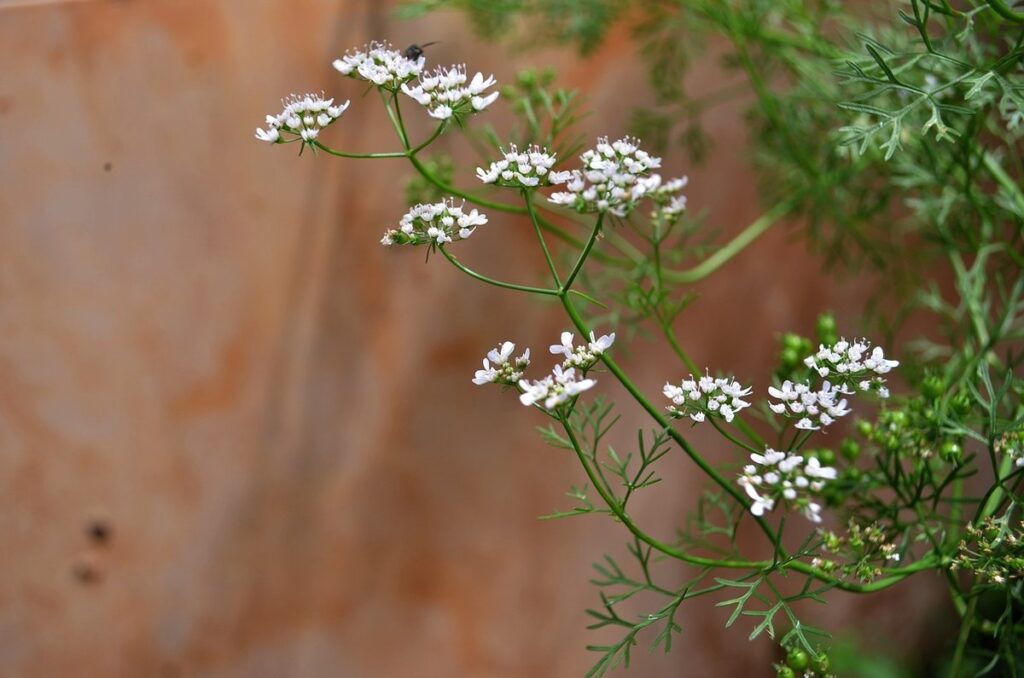
Understanding Cilantro: Benefits and Uses
When it comes to getting the most out of your cilantro plant, understanding its benefits and uses is key. Let’s dive into what makes cilantro so special.
What is Cilantro and Its Culinary Significance
Cilantro is an herb that has been a staple in many cuisines around the world for centuries. Also known as coriander, dhania, or Chinese parsley, it’s a fast-growing annual crop that belongs to the parsley family. Its leaves have a fresh, citrusy flavor and aroma that adds depth to various dishes.
In terms of culinary significance, cilantro is an essential ingredient in Mexican, Indian, Asian, and Middle Eastern cooking. It’s commonly used as a garnish or added fresh to salsas, salads, and chutneys. Its seeds are also used whole or ground into coriander powder for pickling, baking, and making curries.
Cilantro has several health benefits too. Rich in vitamins A and K, it supports healthy digestion and acts as an anti-inflammatory agent. It’s also a natural antiseptic and antioxidant, which helps protect against free radicals and oxidative stress. In addition, cilantro is high in fiber, calcium, and iron, making it a nutritious addition to your diet.
To maximize the health benefits of your homegrown cilantro, be sure to harvest it regularly to encourage new growth and prevent bitterness from setting in.
Health Benefits of Consuming Cilantro
Incorporating cilantro into your diet can have a significant impact on your overall health and wellbeing. One of the key benefits of consuming cilantro is its high antioxidant properties. Antioxidants play a crucial role in protecting the body from free radicals, which are unstable molecules that can cause cell damage and contribute to various diseases. Cilantro contains a range of antioxidants, including vitamin C, vitamin E, and beta-carotene, making it an excellent addition to your diet.
In addition to its antioxidant properties, cilantro has also been shown to have digestive health benefits. The herb contains compounds that can help to soothe digestive issues such as bloating, gas, and indigestion. These compounds work by reducing inflammation in the digestive tract and promoting the growth of beneficial gut bacteria. Studies have also suggested that cilantro may help to reduce symptoms associated with irritable bowel syndrome (IBS). To reap these benefits, try adding fresh cilantro leaves to your salads or using it as a garnish for soups and sauces.
Cilantro is also rich in fiber, which can help to support healthy digestion and prevent constipation.
Choosing the Right Variety of Cilantro
When it comes to growing a healthy cilantro plant, selecting the right variety is crucial. In this next step, we’ll explore the different types of cilantro and what makes them suitable for your garden needs.
Popular Varieties of Cilantro and Their Characteristics
Cilantro is a diverse crop with numerous varieties to choose from. Some popular types of cilantro plants available in the market are Slow Bolt, Dwarf, and Mexican Cilantro.
Slow Bolt cilantro is known for its heat tolerance, making it an ideal choice for warm climates. It grows at a slower rate compared to other varieties, allowing for easier harvesting. This type of cilantro requires minimal care and can thrive in well-drained soil with full sun exposure.
Dwarf cilantro, as the name suggests, is a compact variety that grows only up to 10-12 inches tall. It has a milder flavor than other types and prefers cooler temperatures, making it perfect for growing in early spring or late summer.
Mexican Cilantro, also known as recao, is a fast-growing variety that thrives in warm weather. Its leaves have a distinctive shape and aroma, often used in Mexican and Caribbean cuisine. To grow this type of cilantro successfully, provide it with full sun and well-drained soil to prevent root rot.
When selecting a variety, consider factors such as climate, growth rate, and desired flavor profile to ensure you choose the best type of cilantro for your garden.
Factors to Consider When Selecting a Cilantro Variety
When selecting a cilantro variety, there are several key factors to consider that will ensure you choose the best one for your needs. First and foremost, think about the climate in your area. Some cilantro varieties are bred to be more tolerant of heat or cold, while others thrive in cooler temperatures. For example, ‘Slow Bolt’ cilantro is a popular choice for warmer climates as it resists bolting (premature flowering) better than other varieties.
Pest resistance is another crucial consideration. Cilantro is susceptible to pests like aphids and spider mites, so look for varieties that have built-in resistance or tolerance. ‘Santo’ cilantro, for instance, has shown excellent resistance to these common pests.
Finally, consider the flavor profile you want to achieve in your cooking. Some cilantro varieties have a more delicate, sweet flavor, while others are pungent and spicy. If you’re looking for a milder flavor, try ‘Long Leaf’ cilantro. On the other hand, if you prefer a bolder taste, opt for ‘Fernleaf’ cilantro.
When selecting a variety, make sure to read the seed packet or label carefully to ensure it’s suitable for your climate and pest tolerance needs. With so many options available, taking the time to choose the right variety will pay off in the long run with healthier, more productive plants.
Planting and Growing Cilantro
To grow a healthy cilantro plant, you need to understand how to sow seeds properly and provide optimal conditions for growth. Let’s dive into the essential tips for planting and nurturing your cilantro crop successfully.
Preparing the Soil for Optimal Growth
When it comes to growing healthy cilantro plants, preparing the soil is one of the most critical steps. Cilantro thrives in well-draining, loose soil with a pH between 6.0 and 7.0, which is slightly acidic to neutral. If your soil’s pH is outside this range, you may need to add lime to raise it or sulfur to lower it.
In addition to the right pH level, cilantro needs a balanced diet of nutrients to grow optimally. It requires adequate nitrogen (N), phosphorus (P), and potassium (K) levels. A general-purpose fertilizer with a 10-10-10 N-P-K ratio can work well for cilantro. However, if your soil is deficient in certain micronutrients like iron or zinc, you may need to add a specific supplement.
Other environmental factors also play a significant role in soil preparation. Cilantro prefers full sun to partial shade and consistent moisture levels. Avoid planting cilantro in areas with standing water or where water tends to collect. Also, be mindful of soil temperature – cilantro germinates best when the soil is around 60°F (15°C).
Sowing Seeds: Timing, Depth, and Spacing
When it comes to sowing cilantro seeds, timing is everything. Cilantro prefers cooler temperatures and can bolt (go to seed) if the weather gets too warm. The ideal time to plant cilantro depends on your location, but generally speaking, it thrives in spring or fall when the temperature is around 60-70°F (15-21°C). In areas with mild winters, you can also sow seeds in late winter or early spring.
When sowing seeds, make sure they’re planted at a depth of about 1/8 inch. Cilantro seeds are small and need a bit of extra care to germinate properly. Sow them directly into the ground, rather than starting them indoors, for best results. As for spacing, cilantro prefers to be crowded – it’s not uncommon to sow seeds as close as 1-2 inches apart! This may seem counterintuitive, but believe it or not, it helps prevent the plants from bolting.
When sowing cilantro seeds, make sure to avoid compacted soil and give them a good soaking after planting.
Caring for Your Cilantro Plant
To keep your cilantro plant thriving, you’ll want to learn how to properly care for it, from watering to pruning and beyond. This section will walk you through all the essential tips and tricks.
Watering Techniques to Promote Healthy Growth
Watering is one of the most critical aspects of caring for your cilantro plant. It’s essential to strike the right balance between keeping the soil consistently moist and preventing overwatering, which can lead to root rot and other problems. As a general rule, water your cilantro plant when the top inch of soil feels dry to the touch. However, the frequency of watering depends on factors such as temperature, humidity, and pot size.
Drip irrigation is an excellent method for watering cilantro plants, as it delivers water directly to the roots, reducing evaporation and runoff. Overhead watering, on the other hand, can lead to wet leaves, which can foster disease growth. Signs of overwatering include yellowing or droopy leaves, a foul odor from the soil, and a soft, mushy texture when you touch the stem.
To check for moisture, insert your finger into the soil up to the knuckle. If it feels dry, it’s time to water. Avoid getting water on the leaves or crown of the plant, as this can cause fungal diseases to develop. Instead, focus on watering at the base of the plant, where the roots are located. By adopting these simple watering techniques, you’ll be well on your way to growing a healthy and thriving cilantro plant.
Pruning and Harvesting Cilantro
Pruning cilantro plants is an essential step in maintaining their health and encouraging continuous harvests. When left unpruned, cilantro can become leggy and produce fewer leaves, making it less desirable for culinary use. By pruning your cilantro plant regularly, you promote bushy growth, which not only makes the plant look fuller but also increases its yield.
To prune your cilantro plant effectively, start by removing any dead or damaged leaves to prevent the spread of disease and encourage healthy growth. Next, trim back the longest stems to about half their length, making sure to cut just above a node (where a leaf meets the stem). This will help the plant redirect its energy towards producing new growth rather than supporting long, spindly stems.
For continuous harvests, prune your cilantro plant every 1-2 weeks. Simply trim off the older leaves and flowers, leaving the newer growth intact. By doing so, you’ll not only keep your plant looking healthy but also ensure a steady supply of fresh cilantro for your cooking needs.
Common Problems with Growing Cilantro
We’ve all been there: you lovingly tend your cilantro plant, only to be frustrated by sudden bolting or pest invasions. Let’s tackle some of the most common challenges that can derail your cilantro growth.
Pests and Diseases Affecting Cilantro Plants
Cilantro plants are susceptible to various pests and diseases that can significantly impact their growth and productivity. As a cilantro grower, it’s essential to be aware of these common issues and take proactive measures to prevent them.
One of the most prevalent pests affecting cilantro plants is aphids. These tiny insects feed on plant sap, causing curled or distorted leaves, stunted growth, and reduced yields. To control aphid infestations, inspect your plants regularly and remove any infested leaves or stems. You can also use neem oil or insecticidal soap to deter these pests.
Spider mites are another common pest that target cilantro plants, particularly in dry conditions. These microscopic arachnids feed on plant sap, causing yellowing or bronzing of leaves, fine webbing, and a sticky substance on the undersides of leaves. To control spider mite infestations, maintain high humidity levels around your plants and use a gentle stream of water to wash off any visible mites.
Diseases such as root rot, powdery mildew, and leaf spot can also afflict cilantro plants. Root rot is often caused by overwatering or poor drainage, leading to soft, mushy stems and roots that refuse to grow. To prevent root rot, ensure your pot has good drainage holes, and avoid getting water on the leaves.
Powdery mildew is a fungal disease characterized by a white, powdery coating on leaves, which can lead to defoliation and reduced yields. To control powdery mildew, maintain good air circulation around your plants, remove any infected leaves, and use a fungicide specifically designed for powdery mildew.
Leaf spot diseases, such as bacterial leaf spot or fungal leaf spot, cause small, circular lesions on leaves that may drop off prematurely. To prevent these diseases, ensure your cilantro plants receive adequate water and nutrients, and practice good sanitation by removing any infected leaves or debris from the growing area.
Tips for Extending the Harvest Season
Want to enjoy fresh cilantro throughout the year? This next part of our guide shares expert tips on how to extend your harvest season and get multiple crops from a single plant.
Methods to Prolong Cilantro’s Growth Period
To prolong cilantro’s growth period and enjoy it for as long as possible, you’ll want to explore strategies that promote a longer harvest season. One effective approach is succession planting. This involves sowing new cilantro seeds every 1-2 weeks, ensuring a continuous supply of fresh leaves throughout the growing season.
Another method to extend the harvest period is using row covers or shade cloth. These lightweight materials filter out intense sunlight and prevent heat stress, allowing your cilantro plants to thrive in warmer weather conditions. By using row covers or shade cloth, you can create a cooler microclimate that promotes healthy growth and delays flowering.
You can also try growing cilantro in the morning sun and evening shade, which will help regulate its temperature needs and encourage leaf production over seed formation. By implementing these simple yet effective strategies, you’ll be able to enjoy your homegrown cilantro for an extended period, making it a staple in your kitchen throughout the year.
Companion Planting and Its Benefits
Companion planting is an effective way to enhance cilantro’s growth and health. By pairing it with other herbs and plants, you can create a harmonious ecosystem that promotes healthy growth and reduces the need for pesticides. For example, basil and cilantro have a symbiotic relationship – they repel pests like aphids and spider mites that target cilantro. Planting them together can ensure a bountiful harvest.
Other beneficial companions for cilantro include dill, fennel, and parsley. These plants not only repel pests but also attract pollinators like bees and butterflies, which aid in cilantro’s reproduction. Marigold is another excellent companion, as its strong scent deters nematodes, microscopic worms that harm cilantro roots.
To implement companion planting effectively, choose compatible plants with similar growing conditions and space requirements. Plant them together at the same depth and water level to create a balanced ecosystem. By doing so, you’ll not only improve your cilantro’s health but also create a thriving garden that minimizes pests and maximizes yields.
Frequently Asked Questions
Can I grow cilantro indoors year-round?
Yes, with proper care and conditions, you can grow cilantro indoors year-round. To do this, choose a variety that is compact or dwarf, such as ‘Slow Bolt’ or ‘Micro Cilantro’. Ensure good air circulation, maintain temperatures between 65-75°F (18-24°C), and provide sufficient light. You may need to supplement with grow lights during the winter months.
How long does it take for cilantro seeds to germinate?
Cilantro seeds typically take 7-10 days to germinate when sown directly in soil at a depth of 1/4 inch (6 mm). For faster germination, you can start them indoors 2-3 weeks before the last frost date. Keep the soil moist but not waterlogged during this period.
Can I use cilantro seeds from my local grocery store to grow more plants?
Unfortunately, no. Cilantro seeds from grocery stores are often hybrid or treated with chemicals that prevent them from germinating properly for cultivation. Instead, purchase high-quality seeds specifically labeled as “for planting” or “culinary herb” from a reputable seed supplier.
What are some common pests that affect cilantro plants?
Cilantro is susceptible to aphids, whiteflies, and spider mites. Regularly inspect your plants for signs of infestation and use organic methods such as neem oil or insecticidal soap to control these pests. Keep in mind that cilantro’s rapid growth can sometimes lead to pest issues.
Can I use the seeds from my own harvested cilantro plant to replant?
Yes, but be aware that saving seeds from your own harvest can result in variable germination rates and seed quality. Cilantro is a self-pollinating crop, so the resulting seeds will retain their parents’ characteristics. Consider maintaining a dedicated cilantro seed bank or purchasing fresh seeds for optimal results.