
Are you ready to unlock the secrets of growing and using one of the most versatile herbs in your kitchen? Dill plants have been a staple in many cuisines for centuries, and their benefits go far beyond just adding flavor to our favorite dishes. Not only do they pack a punch of nutrition, but dill also has a long history of use in traditional medicine and cooking. In this ultimate guide, we’ll take you on a journey from the history and benefits of dill plants to expert tips on planting, caring for, and using them in your cooking. Whether you’re a seasoned gardener or just starting out, our comprehensive guide will cover everything you need to know about growing and enjoying these incredible plants, including delicious recipes to get you started!
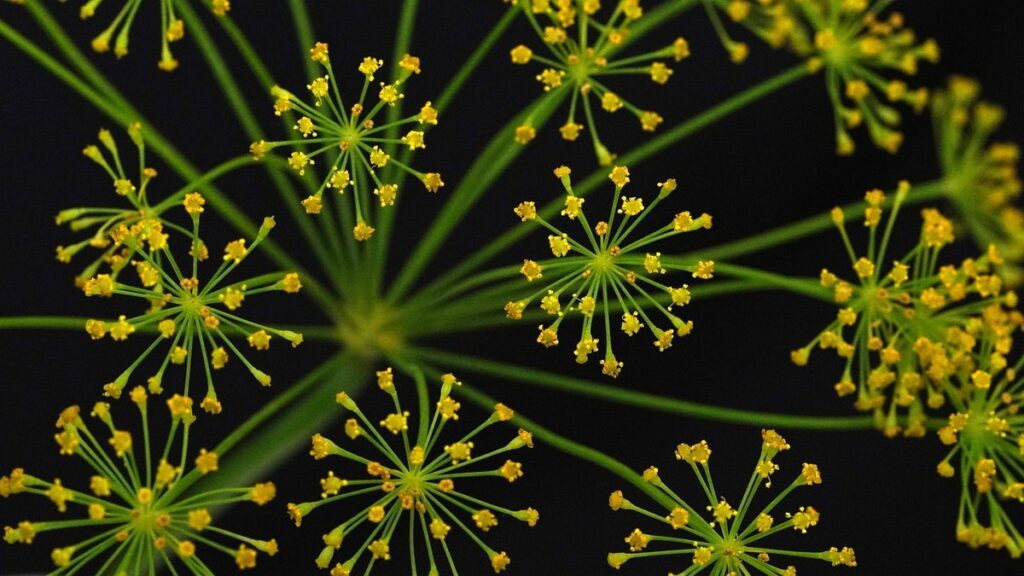
What is a Dill Plant?
Let’s start by getting familiar with one of the most popular herbs used in cooking, and that is the dill plant. Here we’ll explore what makes a dill plant tick.
Definition and Classification
A dill plant is one of the most versatile and aromatic herbs you can grow in your garden. Botanically known as Anethum graveolens, it belongs to the carrot family (Apiaceae) and is classified as an annual herb. This classification means that a dill plant completes its life cycle within a year, typically germinating in early spring, flowering in mid-summer, and going to seed by fall.
As an annual herb, dill plants are relatively easy to grow from seeds or seedlings, and they thrive in well-draining soil and full sun. They can be direct-sown into the garden as soon as the last frost has passed, or started indoors 4-6 weeks before the final frost date. With its slender stems and feathery foliage, a dill plant is a beautiful addition to any garden bed.
Dill plants are native to the Mediterranean region and have been used for centuries in cooking, medicine, and as a natural remedy. They’re an excellent choice for gardeners of all skill levels, and their ease of growth makes them perfect for beginners or those with limited space.
History and Cultural Significance
Dill has been an integral part of various cultures for thousands of years. Its origins can be traced back to ancient Egypt, where it was used not only as a culinary herb but also for its medicinal and spiritual properties. The Egyptians used dill to treat digestive issues, indigestion, and even used it in their embalming process to preserve the dead.
As civilizations evolved, so did the uses of dill. In ancient Greece, dill was considered a symbol of love and loyalty, often given as a gift to express these emotions. The Greeks also valued dill for its flavor and medicinal properties, using it to treat ailments such as fever and toothaches.
The Romans, too, revered dill for its culinary and medicinal uses. They used it in cooking to add flavor to various dishes and even employed it as a natural remedy for indigestion and bloating. The Roman cookbook “De Re Coquinaria” by Apicius includes several recipes featuring dill, further solidifying its importance in ancient cuisine.
Dill’s significance extends beyond culinary and medicinal uses. In many cultures, it has been used to ward off evil spirits and bring good fortune.
Benefits and Uses of Dill Plants
Dill plants offer a multitude of advantages, from culinary uses to potential health benefits. Let’s explore some of the most exciting ways to utilize these versatile herbs in your daily life.
Culinary Uses
Dill is one of the most versatile herbs you can have in your kitchen garden. Its delicate flavor and fragrance make it a staple ingredient in many cuisines around the world. When it comes to cooking, dill’s uses are endless, from pickling and sauces to marinades and garnishes.
One of the most popular ways to use dill is in traditional pickling recipes. Dill adds a fresh and tangy flavor to cucumbers, carrots, and beets, making them perfect for snacking or adding to salads. To make a simple dill pickle recipe, slice your vegetables thinly and soak them in a brine made with vinegar, sugar, salt, and fresh dill.
Dill is also a key ingredient in many sauces and marinades. Mix it with yogurt, garlic, and lemon juice for a tasty sauce to serve with grilled meats or fish. Alternatively, combine dill with olive oil, mustard, and vinegar for a marinade that’s perfect for chicken or salmon. As a garnish, dill adds a pop of color and freshness to soups, salads, and sandwiches.
When using fresh dill in your cooking, remember to add it towards the end of cooking time to preserve its flavor and aroma. You can also freeze or dry dill to use throughout the year – simply chop the leaves finely and store them in an airtight container. With dill’s many uses and benefits, it’s no wonder this herb is a favorite among chefs and home cooks alike.
Medicinal Properties and Health Benefits
Consuming dill has been associated with various health benefits due to its rich content of vitamins, minerals, and antioxidants. Dill’s digestive support properties make it a popular ingredient in traditional medicine for alleviating symptoms of bloating, gas, and indigestion. The essential oils present in dill, particularly carvone and limonene, have been shown to exhibit anti-inflammatory effects, which may contribute to its potential benefits in reducing inflammation-related conditions.
In addition to its digestive and anti-inflammatory properties, dill is also a rich source of antioxidants, including vitamin C and beta-carotene. These compounds help protect cells from damage caused by free radicals, potentially reducing the risk of chronic diseases such as heart disease and certain cancers. Some studies suggest that consuming dill may even help alleviate symptoms of anxiety and depression due to its anxiolytic properties.
To reap the health benefits of dill, you can incorporate it into your diet in various ways. Add fresh or dried dill to salads, soups, and sauces for added flavor and nutrition. You can also use dill as a digestive aid by making a tea from the plant’s leaves and stems. To do this, steep 1-2 teaspoons of chopped fresh dill in boiling water for 5-7 minutes before straining and drinking as needed.
Growing Dill Plants: Tips and Tricks
Growing dill plants can be a bit finicky, but don’t worry, we’ve got you covered with these expert tips to ensure a healthy and thriving crop. From sowing to harvesting, learn what works best.
Soil and Climate Requirements
When it comes to growing dill plants, understanding the ideal soil conditions and climate requirements is crucial for a bountiful harvest. Dill prefers well-draining, loose soil with a pH level between 6.0 and 7.0. Avoid planting in areas with heavy clay or compacted soil, as this can lead to poor root development.
In terms of climate, dill thrives in full sun (at least six hours of direct sunlight) and temperatures between 65°F to 75°F (18°C to 24°C). This means that dill is perfect for growing in regions with warm summers. However, it’s not as tolerant of extreme heat or cold, so make sure to provide some afternoon shade during the hottest months.
If you’re planning to grow dill in a cooler climate, consider using a greenhouse or starting seeds indoors 2-3 weeks before the last frost date. This will give your plants a head start and ensure they get enough light and warmth to thrive.
Planting and Care Instructions
When it’s time to plant your dill seeds, start by preparing the soil. Dill prefers well-drained soil with a pH between 6.0 and 7.0. You can test the pH of your soil using a DIY kit or send a sample to a lab for analysis. If your soil is too alkaline or acidic, amend it with organic matter like compost or peat moss.
Sow dill seeds directly into the ground about 1/4 inch deep and 6-8 inches apart after the last frost. Water gently but thoroughly. Keep the soil consistently moist during the first few weeks after planting. Once established, dill plants are relatively drought-tolerant, but they’ll perform better with regular watering.
As your dill plant grows, pinch off flower buds to encourage leaf production and prevent seed formation. This will also help direct the plant’s energy towards foliage growth. To promote a bushy shape, trim back the stems by about one-third after the first set of leaves appears. Avoid over-watering, which can lead to root rot and other issues. Harvest individual dill fronds as needed or wait until the entire plant is mature for a bigger yield.
Common Problems and Pests
Growing dill can be a challenge, and it’s not uncommon for gardeners to encounter common problems and pests that can damage their plants. Let’s tackle these issues together.
Identifying Issues
When growing dill plants, it’s not uncommon for issues to arise. One of the most common problems is overwatering or underwatering. Dill plants prefer well-draining soil and can be sensitive to excessive moisture, which can lead to root rot and other problems. To avoid this issue, make sure to check the soil daily and only water when the top inch of soil feels dry.
Another problem that dill growers face is pests like aphids and spider mites. These tiny insects can multiply quickly and suck the sap from the plant’s leaves, causing damage and discoloration. To prevent infestations, keep your plants clean and free of debris, and use neem oil or insecticidal soap to control outbreaks.
In addition to these issues, dill plants can also be affected by slugs and snails, which can chew holes in the leaves at night. To deter these pests, sprinkle crushed eggshells around the base of your plant, as they won’t want to crawl over them.
Solutions and Prevention Methods
When growing dill plants, you may encounter various problems that can affect their health and productivity. To prevent these issues, it’s essential to adopt good farming practices such as crop rotation. This technique involves switching between different crops on the same land to avoid depleting the soil of specific nutrients and to reduce pest infestations.
Another effective method is companion planting, where you pair dill with other plants that complement its growth or repel pests. For instance, basil can help deter aphids, while nasturtiums attract beneficial insects that prey on pests. By incorporating these strategies into your garden plan, you can minimize the need for chemical pesticides and maintain a balanced ecosystem.
Organic pest control methods are also crucial in managing common dill problems like spider mites and powdery mildew. Use neem oil or insecticidal soap to treat infestations, and practice good hygiene by removing weeds and debris that can harbor pests.
Using Dill Plants in Your Kitchen
Now that you have a bounty of fresh dill, let’s explore how to make the most of your harvest and add it to a variety of tasty dishes. We’ll cover some creative ways to use dill in your cooking.
Preserving Fresh Dill
When you’ve grown a healthy batch of dill plants, it’s not uncommon to find yourself with an abundance of fresh herbs that you want to use before they go bad. Fortunately, there are several ways to preserve fresh dill for later use in cooking. Drying is one popular method, and can be done using a food dehydrator or by simply tying the stems together and hanging them upside down in a warm, dry place.
Another option is freezing, which helps retain the herb’s flavor and aroma. Simply chop the dill finely and place it in an airtight container or freezer bag, making sure to press out as much air as possible before sealing. Frozen dill can be stored for up to 6 months and used in soups, stews, or sauces.
You can also make pickled dill by packing chopped fresh dill into a clean glass jar with some vinegar, salt, and water, letting it sit at room temperature for a few days before storing it in the fridge. This method adds a tangy flavor to sandwiches, salads, or as a condiment on its own.
By using one of these preservation methods, you can enjoy fresh dill year-round and add a burst of flavor to your favorite dishes.
Recipes and Ideas
Dill is an incredibly versatile herb that can elevate a variety of dishes, from tangy pickles to savory sauces. Here are some delicious and creative ways to use fresh dill in your cooking:
When it comes to pickling, dill is the star of the show. Try making classic dill pickles with fresh dill, vinegar, salt, and water for a crunchy snack or side dish. For a sweeter twist, add sliced cucumbers to a brine infused with sugar, garlic, and dill.
Beyond pickling, dill adds depth and flavor to salads, sauces, and main dishes. Chop fresh dill and mix it into yogurt sauce for a refreshing Greek-style dip, or use it as a garnish for grilled fish or lamb. You can also make a simple dill sauce by blending dill with sour cream, garlic, and lemon juice.
Some other ideas to get you started: add chopped dill to your favorite soups or stews for an extra burst of flavor; mix it into hummus or guacamole for a creamy dip; or use it as a marinade for chicken or beef. With its bright, citrusy taste, the possibilities are endless!
Conclusion: Harvesting the Benefits of Dill Plants
Now that you’ve learned how to grow and use dill plants, let’s explore the rewarding benefits of cultivating these versatile herbs in your garden.
Recap and Final Thoughts
As you’ve made it through this comprehensive guide on growing and using dill plants, we hope you’re now equipped with the knowledge to reap the numerous benefits that these amazing herbs have to offer. Let’s take a moment to recap why incorporating dill into your life is so worthwhile.
From a health perspective, dill has been shown to be rich in antioxidants, vitamins, and minerals that can aid in digestion, reduce inflammation, and even help alleviate symptoms of depression and anxiety. By growing your own dill plants and using them regularly, you’ll not only be boosting your overall well-being but also saving money on expensive supplements.
In the kitchen, dill is a versatile herb that adds flavor to an array of dishes, from pickling vegetables to making delicious sauces for fish and meat. It’s easy to grow in small spaces, so even if you’re new to gardening, you can start cultivating dill right away. Plus, it repels pests like aphids and spider mites, which can be beneficial for a balanced garden ecosystem.
Moreover, growing your own herbs is an environmentally friendly way to live, as it reduces reliance on industrial farming practices that harm the planet. By choosing to grow dill locally, you’ll also reduce transportation-related carbon emissions, supporting more sustainable food systems.
As we wrap up this guide, remember that incorporating dill into your life is not just about harvesting its benefits – it’s also about embracing a simpler, more connected relationship with nature and your own health. So go ahead, give those dill seeds a try, and start reaping the rewards of this incredible herb today!
Frequently Asked Questions
Can I grow dill plants indoors?
Yes, you can grow dill plants indoors in containers or pots with good drainage. Provide them with plenty of sunlight (at least 4-6 hours a day) and maintain a consistent temperature between 65-75°F (18-24°C). Keep the soil moist but not waterlogged to promote healthy growth.
How often should I harvest dill leaves for optimal flavor?
Harvest dill leaves regularly, ideally when they’re around 6-8 inches tall. This will encourage bushy growth and prevent flowering. Pinch off flower buds as they form to direct the plant’s energy towards leaf production. Harvesting every few days also helps to maintain the herb’s potency and flavor.
Can I use dill plants in companion planting?
Yes, dill is often used as a beneficial companion plant in gardens. Its tall stalks provide support for climbing plants like cucumbers and peas, while its fragrance repels pests that target these crops. Plant dill near tomatoes, carrots, and other vegetables to enhance their growth and reduce stress.
How do I preserve fresh dill leaves for extended use?
To preserve fresh dill leaves, tie them in small bunches and hang upside down in a cool, dry place. Alternatively, you can store them in an airtight container with a paper towel or cloth to absorb excess moisture. Freeze the leaves by placing them in an airtight bag or container for up to 6 months.
Can I use dill plants in medicinal teas?
Yes, dill has been used in traditional medicine for centuries to aid digestion and relieve symptoms of bloating and gas. Steep fresh or dried dill leaves in hot water to make a tea that can be consumed after meals to promote digestive health. However, consult with a healthcare professional before using dill as a treatment for any medical condition.